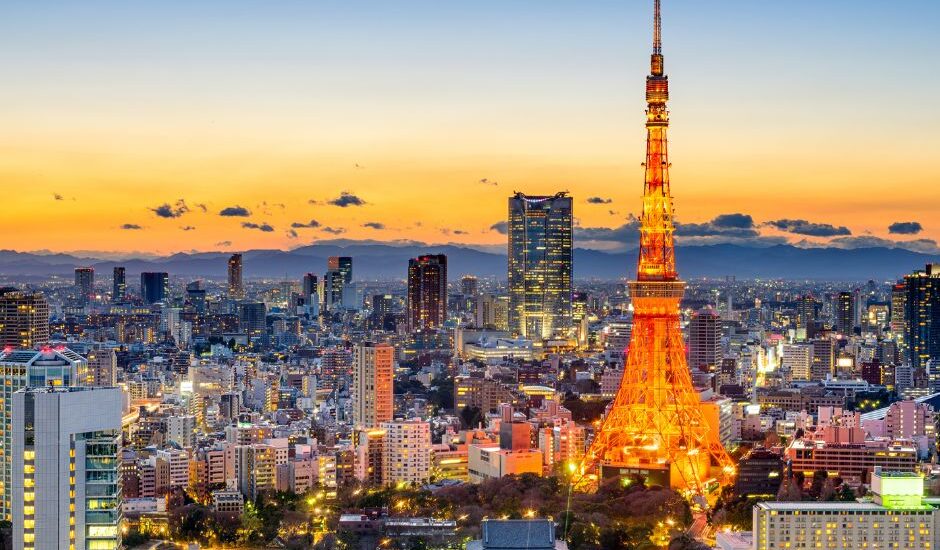
September in Japan is confusing. The calendar says autumn, the stores agree, and convenience stores start selling sweet potato snacks, chestnut desserts, and limited-edition drinks in cozy brown packaging. Clothing shops suddenly want you to buy knits, jackets, and long sleeves. Social media starts acting like it’s time for pumpkin spice lattes and romantic walks.
Then you step outside and immediately start sweating. This is the reality of September in Japan: it’s technically the beginning of autumn, but it often still feels like summer with better marketing. For foreign residents, this month can be strangely difficult to dress for, plan around, and emotionally accept. You want autumn; the country is showing you this, but the weather is still hot, humid, rainy, and unstable. Typhoons are still possible while mosquitoes are active. Air conditioners are still necessary. And if you confidently put away all your summer clothes on September 1, you may regret it by lunchtime.
September isn’t deep autumn. It’s more of a transition month. The trick is learning how to adjust without rushing the season. Here’s how to survive Japan’s not-quite-autumn.
September Is Not Automatically Cool
In many countries, September means cooler air, back-to-school weather, jackets and the first real signs of fall. In Japan, especially in much of Honshu, Kyushu, Shikoku, and Okinawa, September can still feel very summery.
The heat may not be as sharp as peak August, but humidity lingers. Some days are still heavy and sticky. Train platforms can become uncomfortable, and walking to the station can still ruin your shirt. At home, sleeping without the AC may still be impossible.
This surprises many newcomers because Japanese stores shift seasons early. By late August or early September, summer clearance items disappear, and autumn products take over. The visual message is “fall has arrived,” but the actual weather may strongly disagree.
A good rule: treat September as late summer with hints of autumn. Don’t pack away your summer clothes just yet. Keep breathable shirts, light trousers, sandals, sunscreen, and sweat towels available. At the same time, start adding light layers for cooler mornings, rainy days, or air-conditioned indoor spaces.
The Heat Changes, But It Doesn’t Disappear in September
September heat can feel different from August heat. August is aggressive while September is sneaky. You may leave home thinking the weather is finally manageable, then find yourself sweating by noon. Or the morning feels cooler, but the afternoon becomes humid again. Or the temperature is lower, but the air is still heavy because of rain or cloud cover.
This is why heatstroke awareness still matters in September. People can relax too early. This can be seen with schools holding more outdoor events after the summer break; however, the body is still dealing with heat.
It’s important to stay hydrated. Use electrolyte drinks or salt tablets when needed, especially if staying outdoors for long periods. Those with children, elderly family members, and pets, or anyone exercising outdoors should be cautious. Don’t assume September is automatically safe for midday running, hiking, or long outdoor sightseeing.
For residents, the most practical adjustment is to keep your summer heat tools active for a few more weeks. Items such as a portable fan, small towel, water bottle, sunscreen, UV umbrella, and cooling wipes are still recommended.
Typhoon Season Is Still Very Real
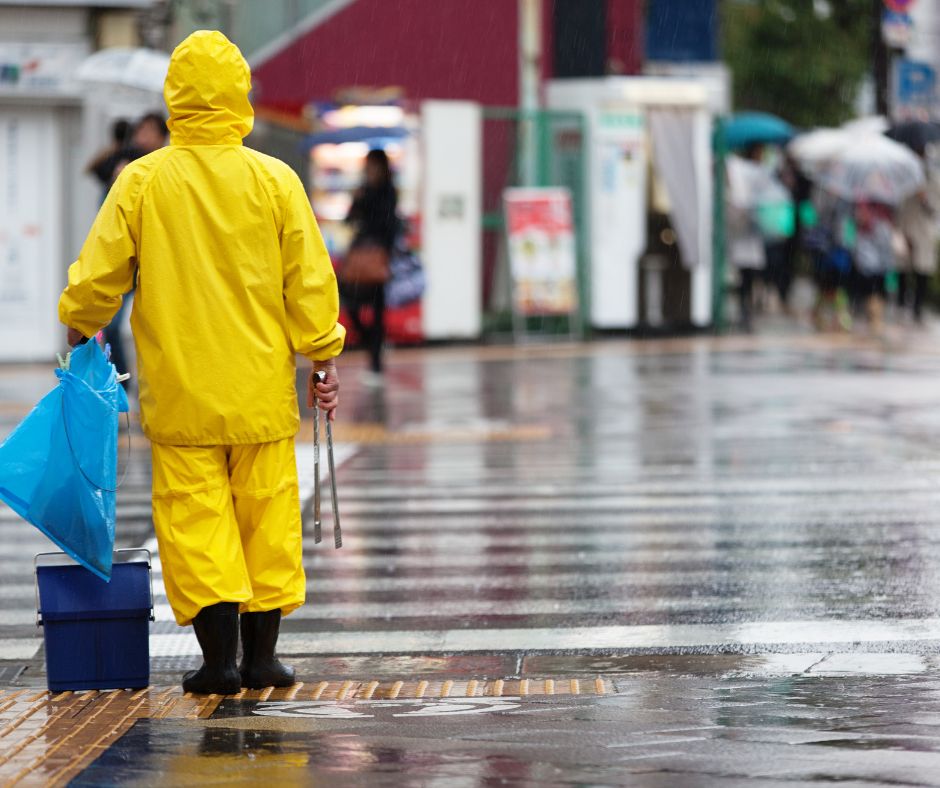
September is also part of Japan’s typhoon season. In fact, it can be one of the months when typhoons become especially relevant for daily life. This doesn’t mean every September is dangerous or that every typhoon will hit your area. But it does mean residents should stay aware. A sunny week can suddenly turn into several days of heavy rain, strong wind, train delays, cancelled flights, school schedule changes, or delivery disruptions.
A practical September habit is to check the weather before making weekend plans, especially if you are travelling domestically. Don’t only check “rain or no rain.” Check also wind, warnings, and whether a typhoon is approaching Japan.
Before a major storm, bring in laundry poles, plant pots, sandals, umbrellas, storage boxes, and anything lightweight from the balcony. Charge electronic devices and have water and basic food at home. Know your local hazard map if you live near rivers, hills, or low-lying areas. While there’s no need to panic every time a typhoon appears on the forecast, awareness still matters.
Autumn Rain Is a Different Kind of Annoying
Even when there is no typhoon, September can bring unstable weather and rain. The autumn rain front, called akisame zensen, can bring cloudy and rainy periods. It is not exactly the same as June’s rainy season, but for daily life, the result can feel familiar: damp laundry, grey skies, and plans that suddenly become indoor plans.
This is why September is not the time to fully retire rainy-season habits. Keep a folding umbrella in your bag and use quick-dry clothes when the forecast looks uncertain. Don’t leave laundry outside unattended because it might be sunny now and pouring in an hour. Keep shoes that can handle rain, and if your apartment gets humid, continue using dry mode or a dehumidifier.
The frustrating thing about September is that you may feel mentally done with the rainy season. But Japan says, “wait, there’s more.” For laundry problems, you might want to keep using a bathroom dryer or coin laundry when needed. Heavy towels and bedding can still develop damp smells if they dry too slowly.
Dressing for September Is a Daily Puzzle
September fashion in Japan can feel like a trap. Shops display autumn clothes and magazines and ads show people in layers. You want to participate, but it’s still 30°C and humid outside. The best strategy is not “dress for autumn” but “dress for temperature first, season second.”
For daily life, think in layers: breathable base clothes with a light cardigan or shirt. Thin long sleeves for evenings and rain-friendly shoes. Keep a compact umbrella in a bag that can handle sudden rain.
Avoid jumping straight into heavy knits, thick denim, leather jackets, or boots unless the forecast actually supports it. September can still punish heavy fabrics. Wet denim and humid boots are very uncomfortable.
For work, light business-casual pieces are useful: breathable blouses, thin shirts, relaxed trousers, washable jackets, and shoes that survive rain. Offices and trains may still be heavily air-conditioned, so a light layer helps indoors even if outside is hot.
For students, September can mean returning to school routines, while the weather still feels like summer. Breathable uniforms, towels, water bottles, and rain gear still matter.
Your Home Is Also in Transition
September is a good time to reset your living space, but not to switch completely into winter mode. You may still need the AC, dehumidifiers in closets, and even summer bedding on some nights. At the same time, it’s smart to prepare for cooler weather gradually.
It’s recommended to wash summer bedding before storing it. Check autumn blankets for musty smells and replace closet dehumidifier packs periodically. It’s also time to clean air conditioner filters after heavy summer use. Check the bathroom, kitchen, and shoe cabinet for humidity smells. Clear balcony drains before heavy rains arrive. Lastly, wash curtains if they have trapped summer dust and humidity.
The goal isn’t to make your home look like a fall interior catalog. It is to help it recover from summer while staying ready for lingering heat and rain.
September home rule: don’t put anything away unless it’s clean and fully dry. This applies to clothes, bedding, shoes, bags, towels, picnic mats, yukata, swimsuits, and summer sports gear. Storing slightly damp items is how future-you opens a closet and immediately regrets past-you’s choices.
September Routines Restart, But Energy May Be Low
September often feels like a restart month. Summer holidays end, and schools resume. Work routines normalize, and people return from travel. Parents go back to school schedules, club activities, and early mornings. Meanwhile, companies move into autumn planning. Soon, the relaxed summer mood fades. However, your energy may not magically return.
After weeks of heat, poor sleep, travels, festivals, kids at home, AC bills, and general summer survival, many people feel tired in September. This is especially true if the weather stays hot. Your mind wants a fresh start, but your body is still in recovery mode. So do not overload the month with unrealistic expectations.
A practical reset is better than a drastic one. Restart one or two routines first, such as meal planning, regular sleep, exercise, cleaning schedules, budgeting, or Japanese study. Don’t attempt a full personality renovation on September 1.
If you exercise and took a long break during the summer vacation, it’s best to ease back in. Outdoor walks may still be hot. Swimming, gym workouts, evening walks, yoga, or short strength sessions may be better than ambitious midday runs. If you have children, expect some adjustment fatigue after summer break. September is a transition. Treat your schedule the same way.
Seasonal Food Starts Getting Better
One of the best things about September in Japan is the food. Even though the weather is still hot, the seasonal food shift begins. Supermarkets and restaurants start bringing in autumn ingredients and flavors. You may see grapes, pears, figs, mushrooms, chestnuts, sweet potatoes, kabocha, and early autumn fish like sanma, depending on availability and price.
Walking into convenience stores is especially dangerous, with all the sweet potato snacks, chestnut desserts, and pumpkin products. There’s also limited-edition ice cream and seasonal drinks. Japan is very good at convincing you that you need a small autumn treat every time you pay a bill.
This is also a nice way to enjoy early autumn without forcing the weather to cooperate. While it may not be time for hot nabe yet, you can still indulge in some seasonal fruit, roasted sweet potato, mushroom rice, or a chestnut dessert.
Travel Gets Better, But Watch the Weather
September can be a good travel month in Japan, especially after the peak domestic summer holiday period. Some places become less crowded than August. Prices may soften depending on the destination and timing. The weather can be beautiful when it cooperates. But typhoons and rain can disrupt plans.
If you’re booking flights, ferries, island trips, camping, hiking, or beach plans, build in flexibility. Check cancellation policies. Avoid overly tight itineraries. If travelling with children, elderly relatives, or pets, plan indoor backups.
For city travel, September can be very pleasant on cooler days. Museums, cafés, shopping streets, aquariums, and food-focused trips work well because they’re less dependent on perfect weather. For beaches, some official swimming seasons end by September, even if the weather remains warm. Lifeguard availability, beach houses, jellyfish risk, and local rules may change after the formal beach season.
September travel can be great. Just don’t plan it like the weather is guaranteed to behave.
Simple September Survival Checklist
Here’s a list of things to do to help the month become more bearable:
- Keep summer clothes available.
- Add light layers, not heavy winter clothes.
- Keep using sunscreen and heat precautions.
- Check typhoon forecasts before travel.
- Bring balcony items inside before strong winds.
- Keep a folding umbrella in your bag.
- Continue humidity and mold prevention at home.
- Wash and fully dry summer items before storing.
- Do not retire mosquito products too early.
- Restart routines gradually.
- Enjoy seasonal foods without forcing full autumn mode.
- Expect mixed weather.
September in Japan isn’t quite summer and not quite autumn. It’s the awkward handover period where what you see around you and the weather are at odds with one another. For foreign residents, the key isn’t to rush the season. Keep your summer essentials nearby and stay alert for typhoons. Reset your home and routines gradually.
The good news is that September does bring change. The evenings slowly improve, and the food gets more interesting. You will feel the mood shifting, and outdoor life becomes possible again, at least in small windows. And little by little, the heavy summer feeling starts to lift. Japan’s autumn is worth waiting for.
Stay tuned for more exciting content like this! Follow us on our social media platforms and check out our blog regularly to stay updated on the latest news, trends, and insider stories from Japan. Don’t miss out on future updates—sign up for our newsletter for exclusive content delivered straight to your inbox!