Prepare for Japan’s 2026–2027 New Year shutdown with this guide to holiday closures, banks, trains, clinics, shopping, garbage collection, and oshogatsu traditions.

Prepare for Japan’s 2026–2027 New Year shutdown with this guide to holiday closures, banks, trains, clinics, shopping, garbage collection, and oshogatsu traditions.
Your first New Year in Japan can catch you off guard. One day you’re squeezing through the year-end crowds at the supermarket, and a few days later you’re standing in front of a locked bank, a dark ward office, and a sign on your favorite ramen shop that says it’s closed until January 4. Meanwhile, the trash you put out two days ago is still sitting there.
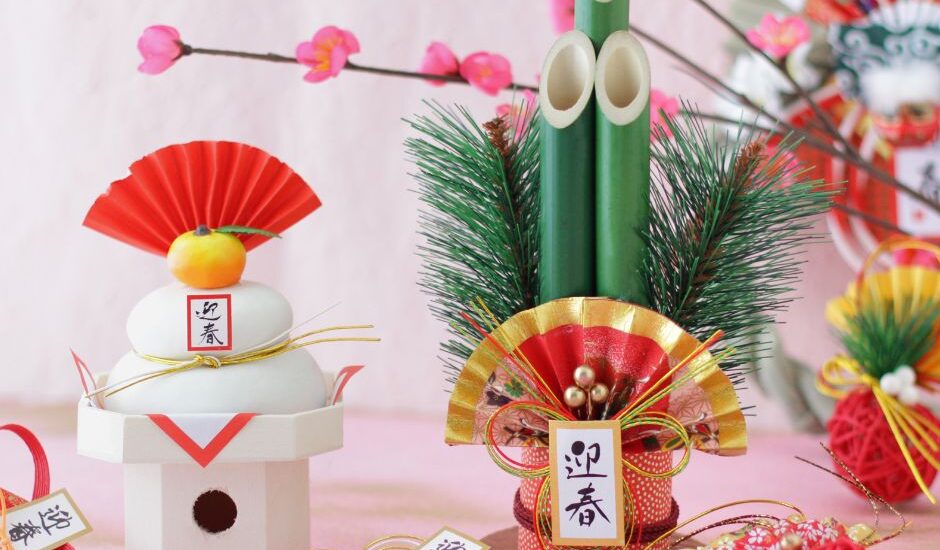
Welcome to oshogatsu, Japan’s New Year. It’s the biggest holiday of the year, a quiet, family-centered stretch when much of the country slows down for several days. It’s also wonderful, once you know what to expect. Here’s what closes, what stays open, and how to get through the 2026-2027 holidays like a pro.
Only January 1 is an official public holiday, but in practice, Japan shuts down for much longer. Here’s how the calendar falls this year.
The good news? Because January 4 falls on a Monday this time, the shutdown is a little shorter than last year’s. The bad news? It still lands right when you’re most likely to need cash, paperwork, or a doctor.
City and ward offices close from December 29 to January 3. That means no residence registration, no My Number paperwork, no tax certificates, and no help at the counter. Immigration bureaus follow the same schedule, so if your residence card expires in early January, sort out your renewal well before the break.
One thing to keep in mind if you’re moving: you’re supposed to file your moving-in notification at your new ward office within 14 days of moving. If you move in late December, count the days carefully, since the holiday closure eats into that window.
Bank counters close after December 30 and reopen January 4. ATMs mostly keep running, including the ones in convenience stores, but there are two catches:
Post office counters close from December 31 to January 3. Larger post offices often keep a yuyu madoguchi (after-hours counter) open for picking up and sending parcels, so look up the closest one before you need it. Mail delivery doesn’t fully stop, though. Nengajo (New Year’s greeting cards) are still delivered on January 1, and if you want yours to arrive on New Year’s Day, the usual advice is to mail them by around December 25.
Most regular clinics close for several days, typically from around December 29 or 30 until January 3 or 4. If you take regular medication, it’s best to refill your prescription in advance.
If you get sick during the break, don’t panic. Local governments run holiday clinics (kyūjitsu shinryō) on a rotating schedule, and your ward’s website will list which ones are open each day. In Tokyo, you can call #7119, the emergency medical consultation line, if you’re not sure whether you need an ambulance.
For help finding an English-speaking clinic, the Tokyo Metropolitan Government’s medical information service, Himawari, is a good place to start. And for a true emergency, call 119 as usual.
Family-run restaurants, bakeries, and neighborhood shops often close for anywhere from a few days to a full week. Many put up a handwritten notice with their holiday dates in December, so keep an eye out at your favorite spots.
This one surprises everyone. Most Tokyo wards pause garbage collection over the New Year, usually from around December 31 to January 3, though the exact days vary by ward. Check your ward’s garbage calendar or app, and plan your big end-of-year clean-up (ōsōji) so you’re not stuck with a mountain of bags on your balcony until January.
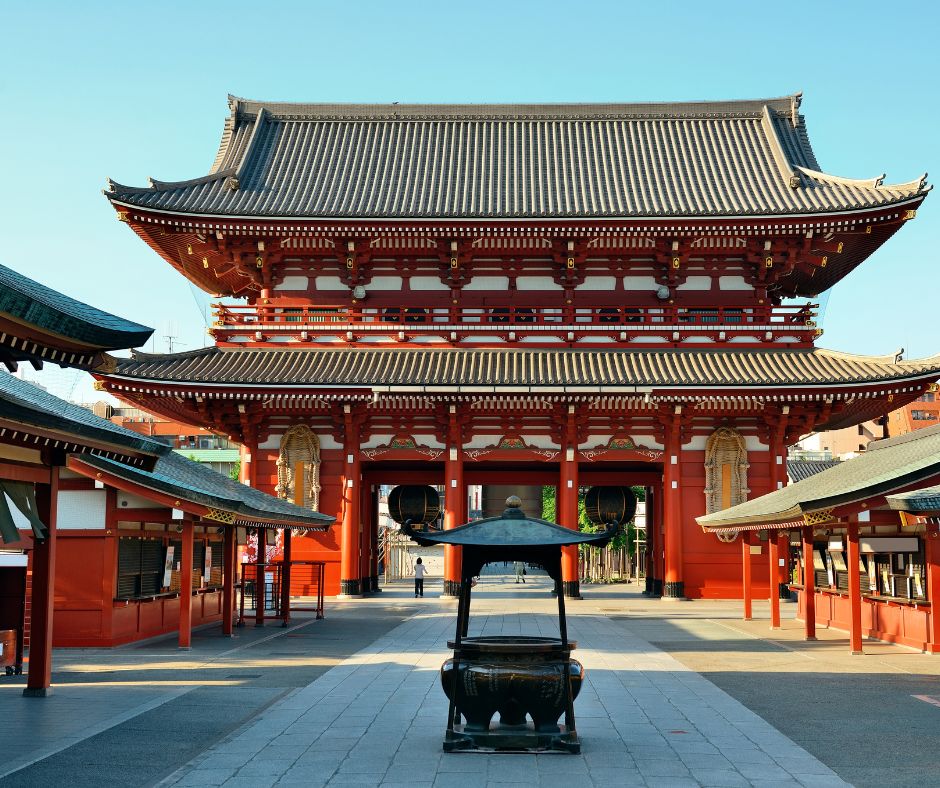
It’s not all doom and locked doors. Plenty of places keep going:
If you want to ring in the new year at a shrine or countdown event, check the train schedule ahead of time. Last year, JR East ran all-night trains on several major Tokyo lines, including the Yamanote Line, while Tokyo Metro and Toei subways didn’t run all night. This year’s plans are usually announced in late November or December, so check the train companies’ websites or your route app before you head out, especially if you live outside central Tokyo.
Also, don’t expect big fireworks shows. Japan’s New Year’s Eve is more about eating toshikoshi soba (year-crossing noodles), watching TV specials, and listening to temple bells ring 108 times at midnight. It’s cozy, not chaotic.
A little planning in mid-December makes the holidays so much easier. Here’s your checklist:
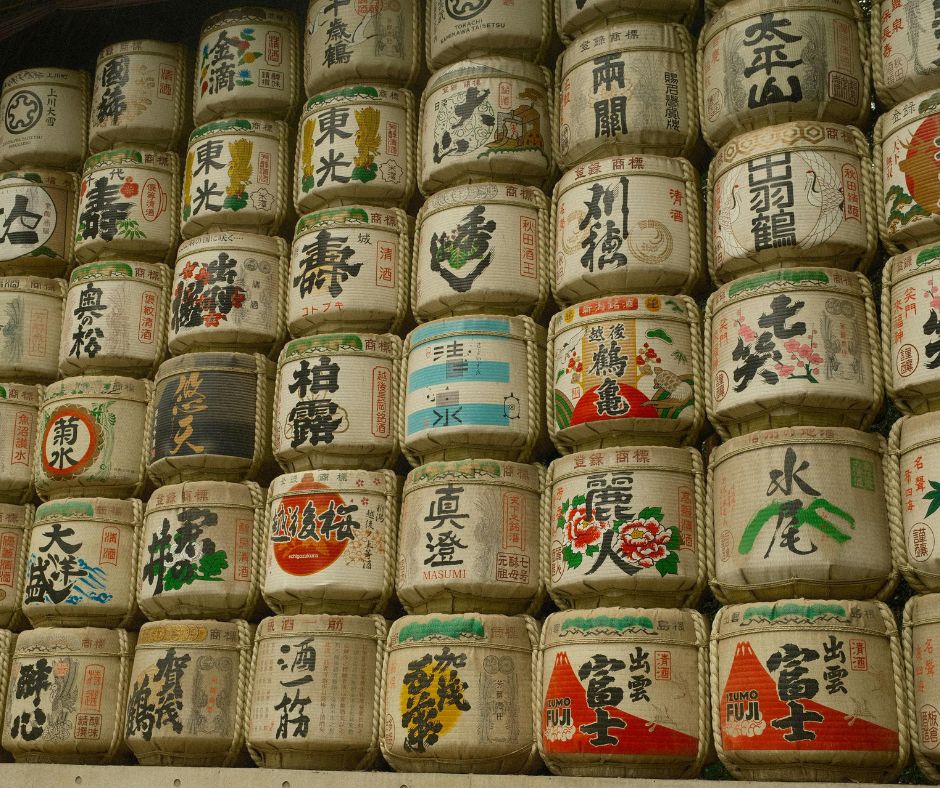
Once you’re prepared, the New Year shutdown is honestly one of the best times to be in Japan. The usual rush disappears, the streets get quiet, and the whole country seems to take a deep breath.
Here are a few ways to enjoy it:
If you’re spending your first New Year away from home, it can feel a little lonely when everyone around you heads back to their hometown. Reach out to friends, join a community event, or just enjoy a slow, quiet week. Japan’s New Year is a fresh start, and there’s something special about beginning the year in a country that takes it so seriously.
Plan ahead, keep some cash in your wallet, and happy New Year! Akemashite omedetou gozaimasu!
Stay tuned for more exciting content like this! Follow us on our social media platforms and check out our blog regularly to stay updated on the latest news, trends, and insider stories from Japan. Don’t miss out on future updates—sign up for our newsletter for exclusive content delivered straight to your inbox!