Looking for the best Christmas shopping spots in Tokyo for 2026? Discover where to shop, Japan’s new tax-free rules, refund tips, and gift ideas!
Looking for the best Christmas shopping spots in Tokyo for 2026? Discover where to shop, Japan’s new tax-free rules, refund tips, and gift ideas!
December in Tokyo hits different. Roppongi Hills glows blue, Marunouchi turns into a tunnel of champagne-gold lights, and somehow there’s already a line outside KFC. If you’re visiting this holiday season, your suitcase is about to get a lot heavier, because everyone back home is waiting for their souvenir.
The good news? Tokyo is one of the best cities in the world for gift shopping, and as a visitor, you can get Japan’s 10% consumption tax back on a lot of it. The catch? The whole system changed on November 1, 2026, so even if you’ve shopped tax-free in Japan before, the routine is different now.
Here’s what you need to know, where to go, and how to actually get your money back. (Living in Tokyo? Stick around, there’s a section for you at the end.)
Tax-free shopping is for temporary visitors, meaning people who entered Japan on a short-term stay, which is how most tourists arrive. You’ll need your actual passport at the register, and everything you buy tax-free has to leave Japan with you.
There is one twist worth knowing: Japanese nationals who have lived outside Japan continuously for two years or more can also qualify, as long as they can prove it with the right documents. If you’re in Japan on a work, student, spouse, or working holiday visa, or you’re a permanent resident, you might not be eligible; but more on that later on.
For years, tax-free shopping in Japan was beautifully simple: show your passport, pay the price without tax, walk out happy. That instant discount is gone. For anything bought on or after November 1, 2026, Japan now uses a refund method. Here’s how it works now:
Anything bought on or before October 31, 2026 still follows the old rules, even if the flight home is in November.
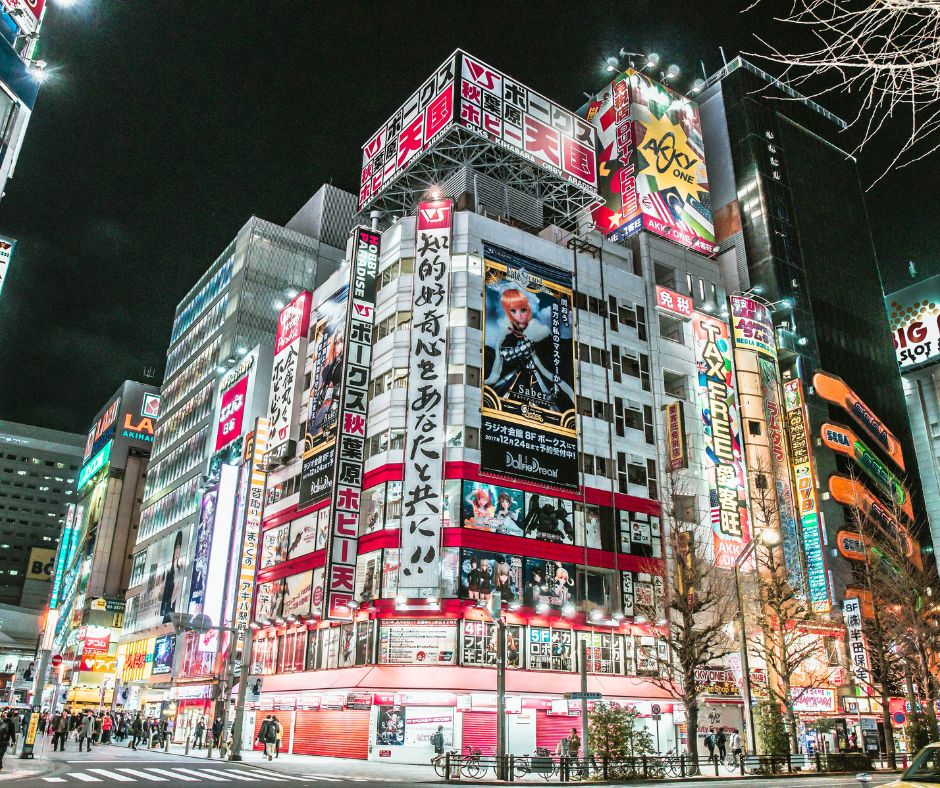
Most big chains in Tokyo are registered tax-free shops, but not every branch or small boutique is. Look for the official Japan Tax-free Shop symbol at the entrance, or just ask at the register before the passport comes out.
Don Quijote (Donki to its fans) is chaotic, loud, and perfect. The MEGA Don Quijote in Shibuya is a classic first stop for regional KitKat flavors, matcha everything, Japanese whisky, quirky party costumes, and gifts you didn’t know you needed. Many branches stay open very late, which is handy when the dinner reservation ran long. Since everything at one store now counts toward the same ¥5,000 minimum, a single Donki run can cover half the gift list.
These giant electronics stores (try Yodobashi Akiba near Akihabara Station or the Bic Camera branches around Shinjuku and Yurakucho) are tax-free staples. Think cameras, earbuds, rice cookers, and those famously good Japanese hair dryers. One important tip: Japan runs on 100V, so check whether an appliance will work back home, or look for the overseas-model versions many stores stock.
Isetan Shinjuku, Mitsukoshi Ginza, and Takashimaya Nihonbashi are where gift-giving becomes an art form. Upstairs, you’ll find designer goods, kitchen knives, and beautiful lacquerware. Downstairs in the depachika (basement food halls), you’ll find gorgeous boxed sweets and wagashi that look too pretty to eat. Department stores usually have a dedicated tax-free counter, and many also offer special discount coupons for overseas visitors, so ask at the information desk first. One reality check on food gifts: check the home country’s customs rules, since things like meat products and some fresh items can be banned.
Itoya in Ginza is a multi-floor love letter to paper, pens, and planners. Loft and Hands (the store formerly known as Tokyu Hands) in Shibuya are packed with clever gadgets, cute stationery, and seasonal goods. These are perfect for coworkers, teachers, or that friend who still journals with a fountain pen. Take note that Hands in Shibuya is closing on November 15, 2026, so expect even bigger sales and price markdowns leading up to its closing day.
Matsumoto Kiyoshi and other big drugstore chains around Shinjuku, Shibuya, and Ginza are J-beauty heaven: sunscreen, sheet masks, lip balms, and hair care at prices that make visitors gasp. Remember that cosmetics used in Japan aren’t eligible, so no “testing” the new serum in the hotel. Also, some Japanese over-the-counter medicines contain ingredients that are restricted in other countries, so check before stocking up on cold medicine for the whole family.
Kiddy Land in Harajuku and Hakuhinkan Toy Park in Ginza are multi-floor wonderlands of character goods, plushies, and toys you can’t find overseas. Pokémon Center Mega Tokyo in Ikebukuro’s Sunshine City is a pilgrimage site for fans of all ages. Go on a weekday morning if you can. December weekends get very full.
The Uniqlo flagship in Ginza is many floors of affordable, practical gifts. Heattech and ultra-light down jackets make great presents for anyone heading back to a real winter, and they’re easy to pack.
Nakamise-dori leading up to Sensoji Temple and the streets around it are lovely for tenugui cloths, folding fans, chopsticks, and small crafts. Keep in mind that tax-free status varies a lot among small shops here, and many purchases won’t reach ¥5,000 at a single store anyway. Treat it as the fun stop, not the savings stop.
Bonus festive stop: The German-style Christmas market at Roppongi Hills usually runs from late November to Christmas Day, with ornaments, mulled wine, and sausages. Christmas market stalls generally aren’t where the tax refunds happen, but it’s the best place to recharge between shopping missions. Check the official site for this year’s dates before you go.
The refund method is new for everyone, including stores and airports, so a little planning goes a long way.
If you live here, tax-free shopping isn’t for you, sadly, even if you only arrived last month. Students, working holiday makers, work visa holders, spouses, and permanent residents all pay the regular tax-inclusive price. That doesn’t mean you can’t win at Christmas shopping, though.
Whether you’re flying home with a suitcase full of KitKats or staying put and playing tour guide, Christmas shopping in Tokyo is half the fun of the season. Plan your stops, hang on to those receipts, and leave a little room in your bag (and your budget) for the surprises you’ll find along the way. Happy shopping, and Merry Christmas from Tokyo!
Stay tuned for more exciting content like this! Follow us on our social media platforms and check out our blog regularly to stay updated on the latest news, trends, and insider stories from Japan. Don’t miss out on future updates—sign up for our newsletter for exclusive content delivered straight to your inbox!