Autumn Allergies?
October in Japan is supposed to feel like relief. The worst of summer is finally fading, and the air starts to cool down. You can walk outside without immediately sweating and regretting life choices. Convenience stores are full of sweet potato, chestnut, and pumpkin snacks. Windows can finally be opened without turning your apartment into a sauna.
And then you start sneezing.
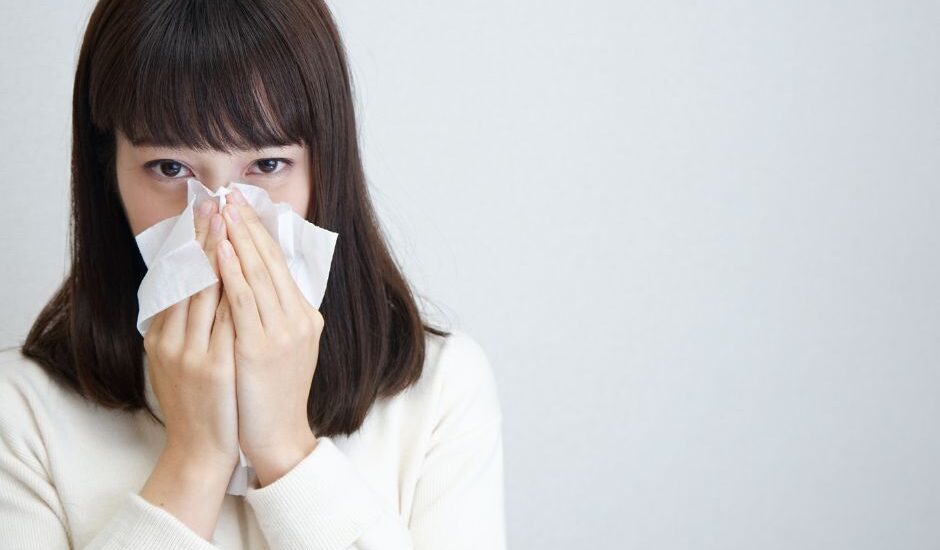
Your nose runs, your eyes itch, and your throat feels scratchy. You wake up congested and wonder if you caught a cold, except it doesn’t really become the usual cold. There’s no dramatic fever, no clear “I’m sick” feeling. Just day after day of feeling slightly off and attacked by the air. Welcome to autumn allergies in Japan.
Most people associate Japanese allergies with spring, especially cedar and cypress pollen. Spring hay fever, of kafunsho, is famous for a reason. But spring isn’t the only allergy season. October can also be rough, especially for people sensitive to autumn pollen, mold, dust mites, or sudden weather changes.
For foreign residents, this can be confusing because nobody talks about autumn allergies as loudly as spring allergies. In March, drugstores look like they’re preparing for a pollen war. In October, you may just think you’re tired, unlucky, or catching the same mild cold for three weeks.
But if your symptoms keep coming back every autumn, Japan’s October air may be part of the problem.
Spring Is Not the Only Pollen Season
In Japan, spring allergies get the spotlight because cedar and cypress pollen affect so many people. But autumn has its own pollen season, and the plants are different.
The main pollen triggers in autumn include: ブタクサ / butakusa (ragweed), ヨモギ / yomogi (Japanese hop), and イネ科 / ineka (grass family plants). These aren’t the tall cedar trees people worry about in spring. Autumn allergens often come from weeds and grasses growing closer to the ground, especially near riverbanks, parks, vacant lots, fields, roadsides, and overgrown corners of the neighborhood.
Spring cedar pollen can travel long distances, while autumn weed pollen tends to be more local. This means your symptoms may get worse in very specific places, such as a park, near an empty lot, along a river path, or during a walk past overgrown roadside plants.
So if you feel fine at home but suddenly start sneezing during your evening walk by the river, it may not be random. The plants are personally bothering you.
Why October Can Be Sneaky
Autumn allergies often feel sneakier than spring allergies because it’s unexpected. In spring, the masks and eye drops come out. Everyone complains together, and there is social support in shared suffering. In October, it’s less obvious. The weather is changing, and colds are circulating. Summer just ended, and windows may be opened again. Bedding or clothes are being switched for the season.
So when allergy symptoms start, they’re easy to misread. You might think you just caught a cold, slept badly, or simply that the air is dry or you’re tired. October allergies can also overlap with weather changes. Mornings may be cooler, afternoons warmer, and humidity fluctuates. Rain can temporarily calm pollen, then wind can stir things up again. Typhoons or strong autumn weather systems can also move dust, mold spores, and outdoor allergens around.
The result is inconsistent, confusing, and frustrating symptoms. One day you feel fine; the next day your nose gives up.
Allergy or Cold? How to Tell the Difference
This is the classic October question: “Is this allergies or am I sick?” They can feel similar, but there are clues.
Allergies often cause sneezing, a clear runny nose, nasal congestion, an itchy throat and eyes, postnasal drip, and symptoms that come and go depending on the place, weather, or time of day.
Colds are more likely to come with fever, body aches, a sore throat that gets worse before improving, thicker mucus, fatigue that feels more like illness, and symptoms that follow a more obvious pattern.
Allergies also tend to last longer. A cold may improve in several days to about a week, while allergies can drag on for weeks if the allergen is still around.
A practical test is pattern recognition. Do your symptoms get worse outdoors? Do they flare near parks, rivers or grassy areas? Are your eyes more itchy than usual? Do you sneeze repeatedly but otherwise feel ok? Do symptoms improve after showering, washing your face, or changing clothes? And do these symptoms come back every September or October?
If yes, allergies are highly possible. Still, don’t diagnose yourself too confidently. If you have fever, breathing difficulty, wheezing, severe cough, chest tightness, symptoms that don’t improve, or anything that feels unusual, see a doctor. In Japan, an ENT clinic is called 耳鼻咽喉科 or jibi inkōka. Allergy clinics and internal medicine clinics can also help.
Your Apartment May Be Part of the Problem
October allergies aren’t only about outdoor pollen. Your home can also trigger symptoms, especially after a long, humid Japanese summer. Dust mites, mold, air conditioner residue, damp closets, bedding, curtains, carpets, tatami, and stored clothes can all irritate sensitive noses and eyes.
This is one reason October allergies can feel confusing. You may think, “But I stayed home. Why am I still sneezing?” The answer may be your bedding, closet, sofa, or curtains.
After summer, many apartments still hold humidity. Even clean homes can have dust mite buildup in bedding and fabric. Mold can still hide around window frames, bathroom corners, AC units, closet walls or behind furniture. Dust collects in places you ignored during summer because it was too hot to care.
Then October arrives and you open windows again. You switch bedding and pull out autumn clothes. You shake out blankets and clean closets. You have just created a personal allergen festival without meaning to. This is why an autumn home reset helps. Not because your home is dirty, but because Japanese summer is aggressive.
Bedding is a Big Deal
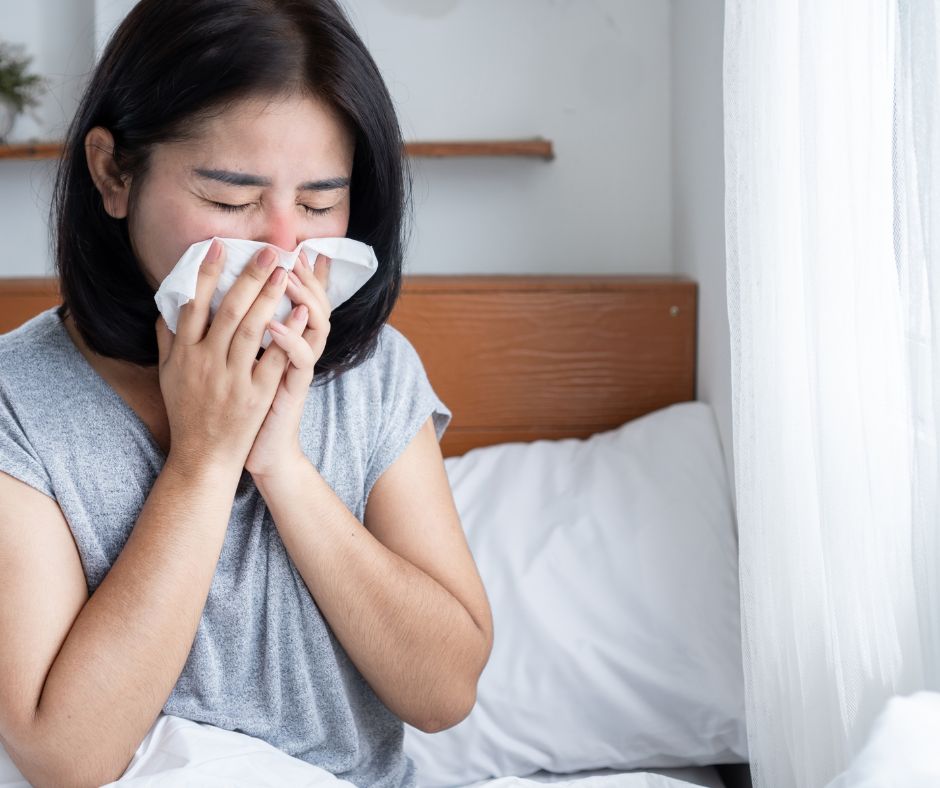
If you wake up congested, check your bedding. Pillows, futons, mattresses, blankets, and mattress pads can collect dust mites, skin flakes, humidity, and odors through summer. When temperatures start changing, you may also bring out stored blankets or comforters that have been sitting in closets for months.
Before using autumn bedding, make sure to air it out properly first. Wash what can be washed and use a futon dryer if you have one. If you use a coin laundry, large dryers can be useful for certain bedding items. If you hang futons or blankets outside, remember that outdoor drying can also expose them to pollen, so sensitive people may prefer indoor drying, a futon dryer, or vacuuming the surface afterward.
Pillowcases should be washed often, at least once a week. Sheets should also be washed regularly. Mattress pads and towel blankets shouldn’t be forgotten. If you use a futon on the floor, lift it daily and let air circulate underneath.
For people with stronger allergies, allergy-proof covers may help. At minimum, don’t sleep on bedding that smells musty, damp, or “like storage.” Your nose always knows.
Curtains, Sofas, and Fabric Traps
Curtains are quiet offenders. They hang there looking innocent while collecting dust, pollen, humidity, cooking smells, and summer air. If you open windows often in October, curtains near the window can catch outdoor pollen too.
If your curtains are washable, wash them after summer or during early autumn. If not, vacuum them gently or air them out. The same applies to sofa covers, cushion covers, washable rugs, and fabric storage boxes.
For residents in small apartments, this matters because one room often does everything: sleep, eat, work, dry laundry, store clothes, and recover from life. Dust and allergens build up faster when one space has multiple functions.
If you cannot deep-clean everything, prioritize the items closest to your face: bedding, pillows, sofa, curtains, and anything near your desk or bed.
Cleaning Without Making It Worse
Cleaning helps allergies, but it can also trigger allergies if done aggressively. Dry dusting can throw particles into the air. Beating futons outside may feel satisfying, but it can spread dust and pollen. Meanwhile, vacuuming without a good filter will only stir up fine particles. Lastly, opening every window on a windy pollen day may not be the fresh-air victory you imagined.
A better approach is calm and consistent. Use a damp cloth to wipe surfaces and vacuum slowly. Clean window frame and tracks, as well as bedding. Replace or wash air purifier filters according to their instructions. Clean the air conditioner filter and keep closets ventilated but not damp. Use a dehumidifier if needed.
If you’re allergic, it’s advised to wear a mask while cleaning. It may feel excessive inside your own home, but your nose will thank you. Also, avoid cleaning with strong fragrance products if your throat or nose is irritated.
Humidity, Mold and Dust Mites
Japan’s summer humidity doesn’t disappear from your home just because the calendar says October. Dust mites like humid environments. Mold also loves moisture and poor airflow. If your apartment stays damp, allergies can feel worse.
Use a hygrometer if you can. It’s one of the most useful small home items in Japan. You don’t need to guess whether the room is humid; you only need to check. If levels are high, use ventilation, air conditioning in dry mode, or a dehumidifier.
Closets also need special attention. Don’t pack clothes tightly against walls and replace closet dehumidifier packs when they’re full. Air out stored clothes before wearing them and check if any of your leather bags, shoes, belts, and winter apparel smell musty or moldy.
Meanwhile, give your bathroom and washing areas a check too. Clean drains, run ventilation fans, dry bath mats, and avoid leaving damp towels in the laundry pile. If your washing machine smells musty, you can clean it with a dedicated cleaning solution. The boring truth is that allergy control in Japan is often home maintenance. It may not be glamorous, but it’s effective.
Air Conditioners and Air Purifiers
Come October, your AC may have been working hard for months. Even if you’re using it less, check the filter for dust, mold, and trapped particles, which can affect the air coming into the room. If the AC smells musty when you turn it on, consider professional cleaning. Filters are easy to clean yourself, but internal mold is harder to deal with properly.
Air purifiers can help, especially in bedrooms, but only if they’re maintained. A neglected air purifier is just an expensive box with emotional support lighting. Clean or replace filters according to the manual. Placement also matters. Put the air purifier where you actually spend time, not hidden behind furniture or blocked by laundry. Running it in the bedroom before and during sleep may help if nighttime congestion is an issue.
Don’t rely only on gadgets, though. Air purifiers help most when combined with cleaning, humidity control, and reducing pollen entry.
Outdoor Habits That Help
Autumn pollen doesn’t require spring-level panic, but small habits help. Wearing a mask on high-symptom days, especially near parks, rivers, or weedy areas, and sunglasses to reduce pollen getting into your eyes are usually enough to mitigate symptoms. Then when you get home, you can brush off outerwear before entering the main living area.
For more complete pollen removal, you can wash your face and hands after being outside. Gargle your throat if it feels irritated and shower before bed if symptoms are bad. If hanging laundry outdoors, clothes and bedding can collect pollen, so on days when levels are extra high, it’s recommended to dry laundry indoors if possible.
Drugstore Options in Japan
Japanese drugstores come fully equipped with allergy products to the point they can be overwhelming if you’re not used to the labels. You can find oral antihistamines, nasal sprays, eye drops, masks, nasal rinses, throat lozenges, anti-itch eye products, and air purifier and cleaning supplies on the shelves. You may recognize names like Allegra, Claritin, or Alesion, but don’t choose only by brand familiarity, as some can cause drowsiness. Some shouldn’t be mixed with other medications, while others can’t be overused. It’s best to ask staff for assistance.
If symptoms are strong or recurring, it might be time to visit a clinic rather than trying different brands while symptoms aren’t improving. Prescription medicine often works better plus a doctor can confirm whether it’s an allergic reaction to pollen, dust mites or mold, or asthma, a sinus infection, or something else.
It’s best to go for a checkup if symptoms last for weeks and OTC medicine doesn’t help. If symptoms are accompanied by wheezing, shortness of breath, chest tightness, persistent cough, fever, vision changes, or painful eyes, professional help is advised.
For nose, throat, and ear symptoms, an ENT clinic is usually a good start. Search for 耳鼻咽喉科 near your station. For broader allergy testing or long-term management, search for アレルギー科. If your Japanese is limited, prepare phrases before going. Write symptoms down. Note when they started, what makes them worse, and whether they happen every year. Mention if you have asthma, take medication, are pregnant, breastfeed, or have other medical conditions.
The Best October Allergy Routine
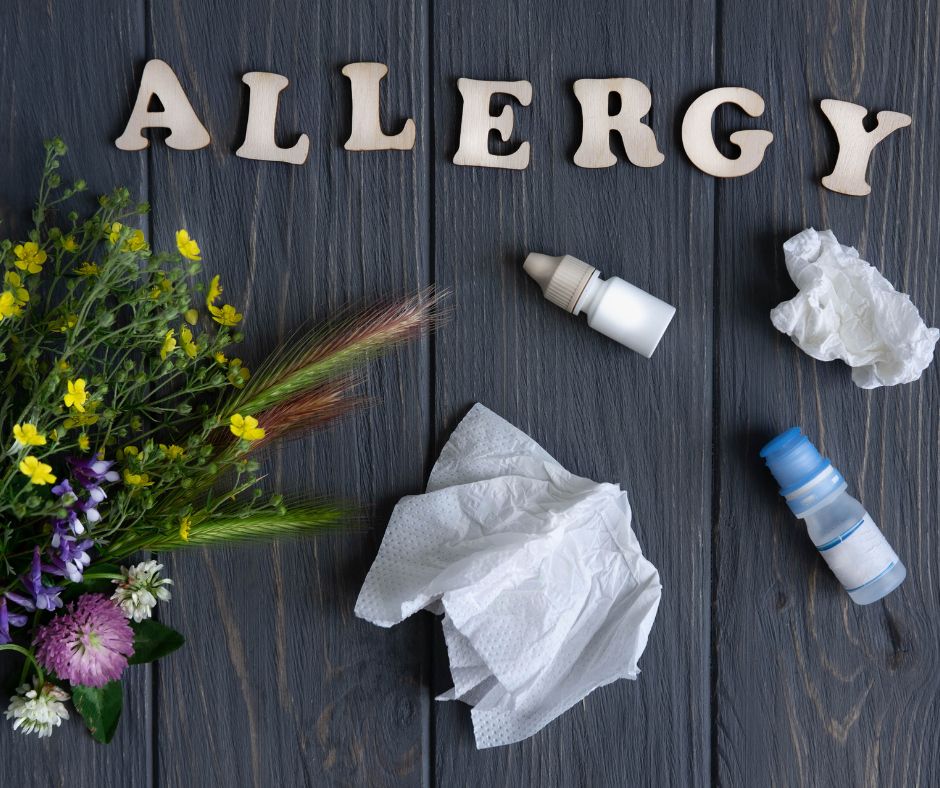
A realistic October allergy routine doesn’t need to be complicated. In the morning, check how you feel before opening all the windows. If symptoms are bad, ventilate briefly rather than leaving them open for hours. Take medication as advised by your doctor, pharmacist, or product label. Wear a mask if you are commuting near parks, fields, or rivers.
During the day, avoid weedy areas when symptoms are strong. Drink lots of water and don’t rub your eyes with outdoor hands. Use eye drops if appropriate. Remember to brush off your clothes and wash your hands and face when you get home.
At night, you can run an air purifier in the bedroom to minimize nasal congestion. Also keep your bedding clean and check that your pillowcase is not secretly the enemy. All of these steps sound boring, but they work.
October in Japan is beautiful, but it isn’t automatically allergy-free. For many foreign residents, autumn allergies are surprising because spring pollen gets all the attention. But ragweed, mugwort, kanamugura, grasses, mold, dust mites, and post-summer indoor humidity can all make October feel suspiciously sneezy.
The good news is that this season’s allergies are manageable once you understand the pattern. You no longer need to spend October wondering whether you’re sick, tired, or cursed by the season. Sometimes it’s just autumn pollen. Annoying but manageable.
Stay tuned for more exciting content like this! Follow us on our social media platforms and check out our blog regularly to stay updated on the latest news, trends, and insider stories from Japan. Don’t miss out on future updates—sign up for our newsletter for exclusive content delivered straight to your inbox!