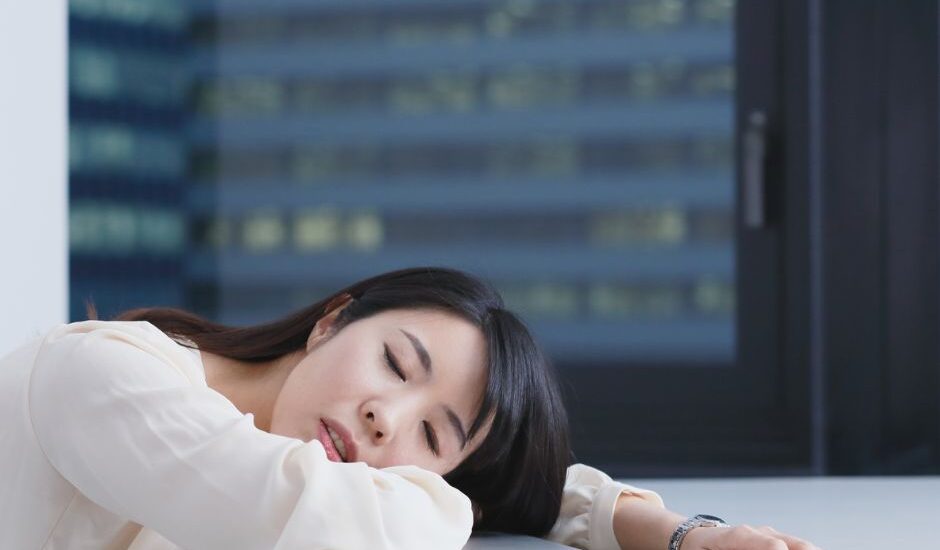
Somewhere around early August, it happens. You’re sleeping badly, you can’t be bothered to cook, nothing sounds appetizing except ice cream, and climbing the station feels like a personal insult. You’re not sick, exactly. You just feel “flat” and run on 40% battery no matter how long you sleep.
Congratulations, you have natsubate. The good news: Japan has been dealing with this exact condition for centuries and has built an entire seasonal food culture around fighting it. There’s even a national eel-eating day dedicated to the cause. Once you understand what natsubate is and how locals eat their way through it, August becomes far more survivable, and honestly, a lot more delicious.
What is Natsubate?
Natsubate (夏バテ) combines natsu (夏, summer) with bate, from the verb battery, meaning to be worn out or completely exhausted. It translates roughly as “summer fatigue” or “heat exhaustion”, though it’s milder and sneakier than heatstroke. It’s the general physical and mental slump caused by weeks of relentless heat and humidity, and it’s a recognized part of the Japanese summer vocabulary. Ask any coworkers in August how they’re doing, and there’s a fair chance the answer involves this word.
The usual symptoms are low energy and sluggishness, loss of appetite, poor sleep, digestive trouble, irritability, and a general lack of motivation, according to Tokyo Weekender. None of these is dramatic on its own. Together, they can quietly flatten your whole month.
So why does it happen? Japan’s summer isn’t just hot; it’s humid, and that combination is the real villain. When the air is saturated with moisture, your sweat doesn’t evaporate efficiently, so your body works overtime trying to cool itself and never quite succeeds. Add the constant back-and-forth between blazing streets and heavily air-conditioned trains, offices, shops, and konbini, and your autonomic nervous system, the one managing temperature, digestion, and sleep, gets thrown out of rhythm.
Poor sleep on tropical nights makes everything worse, and a weakened appetite means you eat less and lighter just when your body needs proper fuel. It’s a loop: heat disrupts sleep, bad sleep kills appetite, poor eating drains energy, and low energy makes the heat feel even worse.
One important note before we get to the fun food part. Natsubate is a slow burn, but heatstroke (熱中症 or netchūshō) is a medical emergency. If you or someone near you has a high body temperature, confusion, dizziness, or has stopped sweating on a dangerously hot day, that’s not natsubate. Cool down immediately and seek medical help. And if your fatigue, appetite loss, or low mood drags on or feels severe, see a doctor rather than assuming it’s just the season.
Doyo no Ushi no Hi: The Day Japan Eats Eel
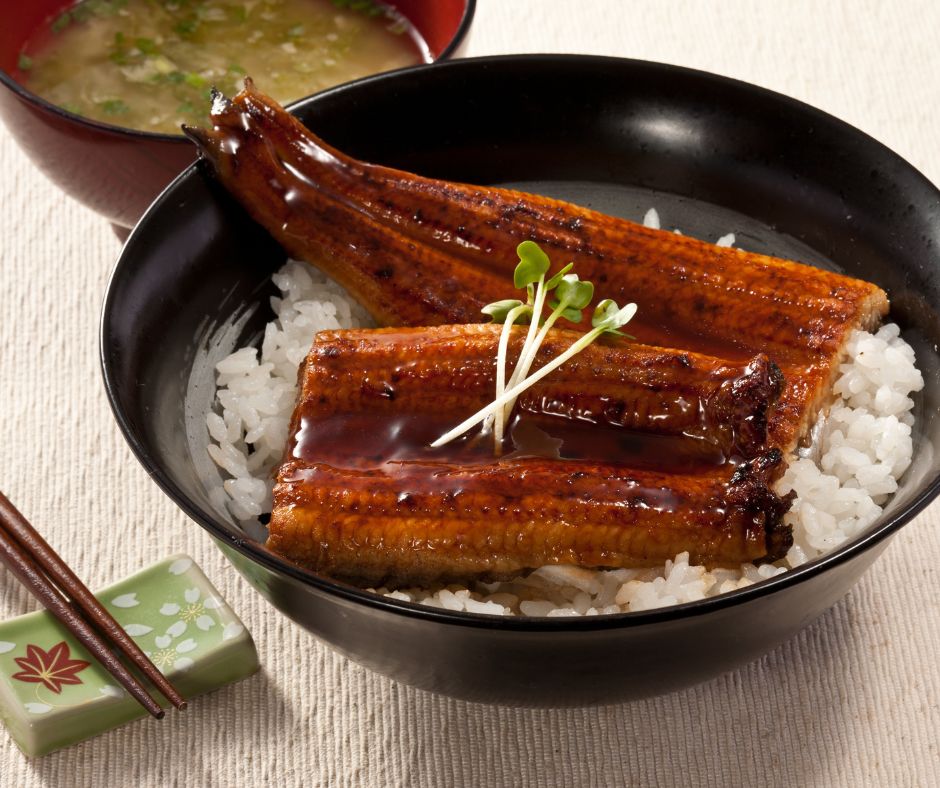
You can’t talk about natsubate without talking about unagi. Every summer, Japan celebrates Doyo no Ushi no Hi (土用の丑の日), the “Midsummer Day of the Ox,” which falls in late July during the hottest stretch of the year. On this day, supermarkets pile up grilled eel, restaurants post banners, and the whole country collectively sits down to a bowl of unadon: sweet, smoky, tare-glazed eel over rice.
The tradition has surprisingly good marketing origins. It’s said that an Edo-period eel restaurant was struggling to sell unagi in summer because eel was considered a winter food. So the owner consulted Hiraga Gennai, a famous scholar and inventor. Gennai suggested a sign announcing that eating food beginning with “u” on the Day of the Ox (ushi no hi) would ward off summer heat. It worked spectacularly, and other eel shops copied it. Roughly 250 years later, the entire country still follows what may be history’s most successful marketing campaign.
Marketing aside, unagi actually earns its stamina-food reputation. It’s rich in protein, vitamins A, B1, B2, D and E, and omega-3 fatty acids. Vitamin B1, in particular, matters for natsubate, since the body needs it to convert carbohydrates into energy, and it’s easily depleted in summer through sweat. Fair warning: unagi isn’t cheap, and prices spike around Ox Day itself. Buying it the week after, or opting for the supermarket version, gives you the same nutrition with less damage to your wallet.
The Everyday Foods That Fight Natsubate
Unagi is the celebrity, but the real work of surviving August happens at ordinary meals. Japanese summer cuisine is essentially a toolkit for eating when you don’t feel like it, and these are its core pieces.
1. Pork: the affordable unagi
If unagi is the luxury source of vitamin B1, pork is the everyday one, and it’s actually one of the richest sources you can buy. This is why rei-shabu (冷しゃぶ), thin-sliced pork briefly boiled, chilled, and served over salad with sesame or ponzu dressing, is everywhere in summer. It’s protein and B vitamins in a form you can face on a 35°C evening. Pairing pork with garlic, onions, or negi helps your body absorb B1 more effectively, which is the quiet logic behind classics like buta no shogayaki (ginger pork).
2. Umeboshi: the sour reset button
The intensely sour pickled plum sitting in the middle of a typical supermarket bento isn’t just decoration. Umeboshi delivers citric acid, which is associated with fighting fatigue, plus the salt your body loses through sweat, and its sharp sourness genuinely kickstarts a heat-diluted appetite. One umeboshi in your rice, in a rice ball, or mashed into cold noodle dipping sauce is one of the cheapest anti-natsubate habits available. You’ll find bins of them in every supermarket, from mild honey-pickled versions to the traditional face-scrunchers.
3. Goya and the summer vegetables
Okinawa, the part of Japan with the longest period of brutal heat, contributes goya (bitter melon), the knobbly green vegetable behind goya champuru, a stir-fry of goya, tofu, egg, and pork. It’s loaded with vitamin C, and its bitterness stimulates appetite. Beyond goya, summer vegetables like tomatoes, cucumbers, eggplant, and myoga have high water content and help cool you from the inside, which is why they dominate Japanese tables in August. Edamame with a cold drink isn’t just a pub snack either; those little beans carry protein, B1, and minerals.
4. Cold noodles done right
Somen, zaru soba, and hiyashi chuka are the sounds of summer in Japan, and when your appetite is gone, chilled noodles slide down when nothing else will. The trap, as any Japanese grandmother will tell you, is living on plain noodles alone. That’s mostly carbohydrate, which burns through your already-depleted vitamin B1 and leaves you more tired, not less. The fix is toppings: shredded egg, ham or chicken, cucumber, okra, grated ginger, a soft-boiled egg, natto if you’re brave, or tororo (grated mountain yam), the slippery topping locals swear by for stamina. Think of noodles as the vehicle, not the meal.
5. Tofu, miso soup, and the gentle stuff
When even chewing feels like an effort, Japan’s soft foods carry you. Hiyayakko (cold tofu topped with ginger, negi, and soy sauce) takes thirty seconds to prepare and delivers protein with zero cooking heat. A bowl of miso soup, even in summer, quietly replaces the salt and minerals you’ve been sweating out all day. There’s a reason these humble dishes never leave the Japanese table, no matter the season.
What to Drink (and What to Go Easy On)
Hydration is half the natsubate battle, and Japan’s default summer drink is ideal for it: mugicha (麦茶), roasted barley tea, is caffeine-free, contains minerals, and sits in a big pot in practically every fridge in the country. Make a liter each night, and you’re set. On heavy-sweat days, sports drinks like Pocari Sweat or Aquarius replace electrolytes, and you’ll also spot amazake, a sweet fermented rice drink so packed with vitamins and amino acids it’s nicknamed “drinkable IV drip.” Surprisingly, it’s historically a summer drink; it’s even a summer season word in haiku.
What to go easy on: the endless icy drinks. It sounds counterintuitive, but constantly flooding your stomach with ice-cold liquid chills your digestive system and can weaken exactly the appetite you’re trying to protect, a point traditional Japanese health wisdom and modern guides agree on. Room-temperature or lightly chilled drinks, sipped steadily through the day, beat occasional ice-cold chugging. Alcohol and heavy caffeine also dehydrate you, so an izakaya night in August deserves a mugicha chaser.
Beyond Food: The Habits That Make It Stick
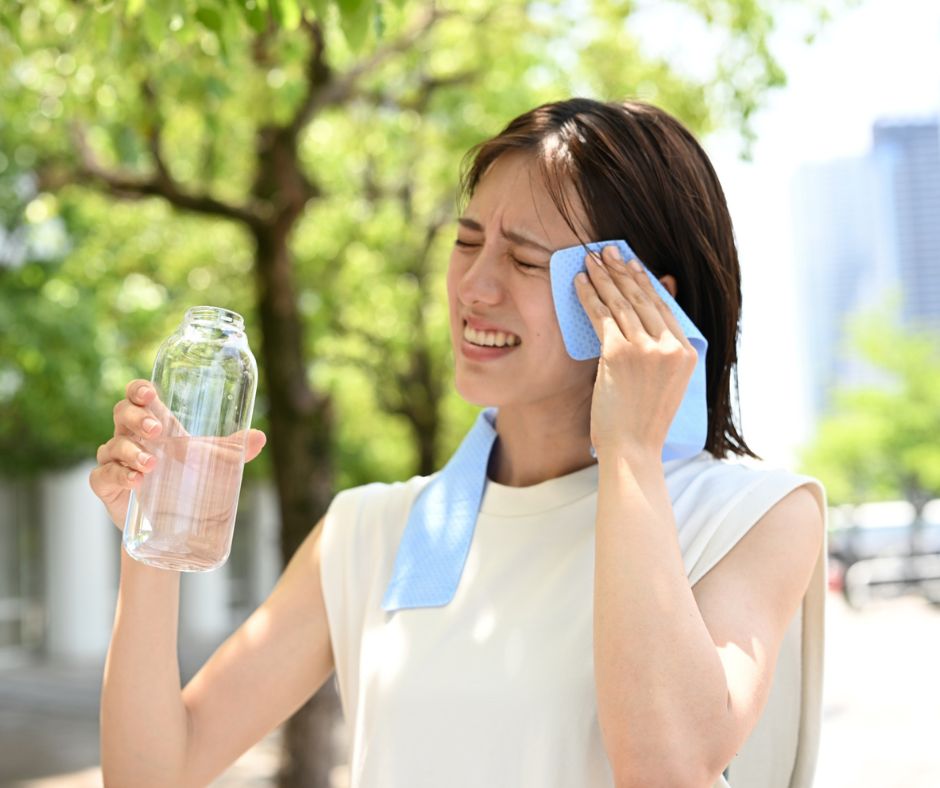
Food is the star of natsubate culture, but a few supporting habits matter just as much. Protect your sleep first, since one restless tropical night can undo a week of good eating. Use your AC’s timer or keep it running at a modest 27°C to 28°C overnight rather than toughing it out. Second, soak in the bathtub. It feels wrong in summer, but a warm (not hot) bath resets your temperature-confused nervous system and improves sleep far better than a cold shower right before bed. Third, keep moving a little: gentle morning or evening walks maintain your appetite and sweat function, both of which quietly shut down if you spend all summer in climate-controlled rooms. Finally, mind the indoor-outdoor temperature gap. If your office or school feels like a refrigerator, a light cardigan does more for your energy levels than you’d expect.
Natsubate is one of those Japanese experiences nobody puts in the travel brochures, but it comes with a genuinely comforting flip side: an entire seasonal cuisine designed to carry you through it. Once August hits, follow the locals. Have the eel at least once, keep umeboshi and mugicha within reach, order the rei-shabu, top your noodles properly, and take the warm bath.
You’ll be eating better than you did all year, and somewhere around the first cool evening of September, you’ll realize you made it through the Japanese summer the way it’s been done for centuries: one delicious countermeasure at a time.
Stay tuned for more exciting content like this! Follow us on our social media platforms and check out our blog regularly to stay updated on the latest news, trends, and insider stories from Japan. Don’t miss out on future updates — sign up for our newsletter for exclusive content delivered straight to your inbox!