There is one sickness that strikes Japan like a hot hammer every winter: The flu. But there are other diseases associated with winter as well. Luckily, there are ways to prevent them.

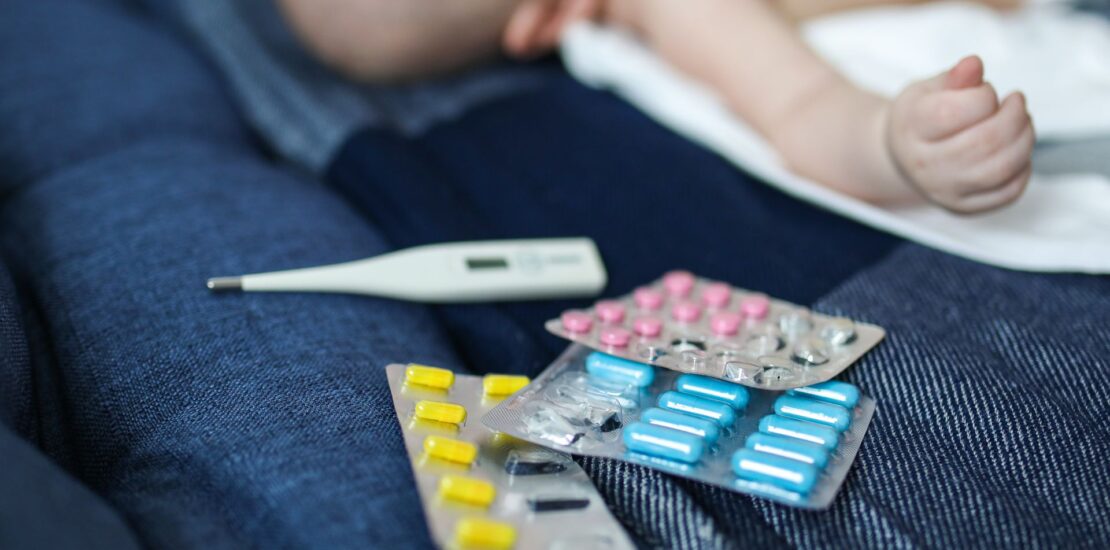
There is one sickness that strikes Japan like a hot hammer every winter: The flu. But there are other diseases associated with winter as well. Luckily, there are ways to prevent them.
The air in Japan (except for Okinawa) in winter is dry. So dry that eyes itch and throats gum up. So dry that when you breathe in, viruses that would normally die on the mucosal membranes in the throat get stuck in the tissue. They make everyone more sensitive to the flu. And other viruses, like the common cold and COVID, which certainly is not dead, although it is usually not deadly anymore.
The Japanese have been prepared for airborne infections long before COVID, of course. Seasonal flu would devastate schools and offices back in the day. That was one major reason for wearing surgical masks and disinfecting with alcohol, both mainstays of Japanese everyday.
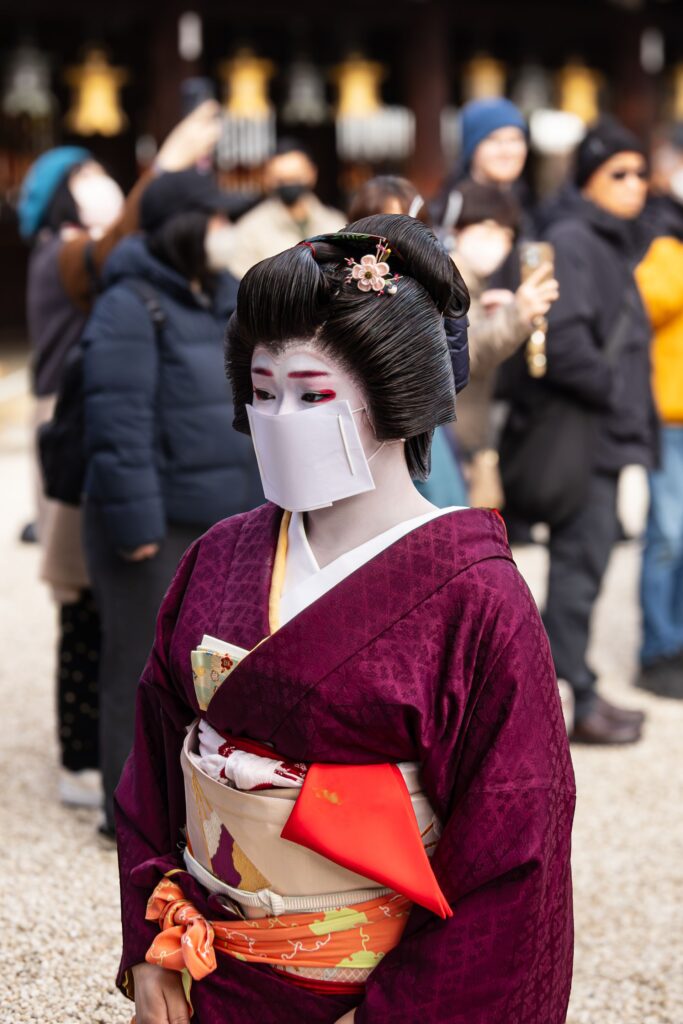
Wearing a mask when you are out meeting other people will, of course, stop infections, but it will also moisturize the air you breathe (by feeding back the water vapor you breathe out as you breathe in). During the pandemic, lots of other reasons to wear masks became evident, like not wearing any makeup.
The dry air in winter — caused by moisture precipitating out as snow (or, to be honest, more often rain) when the air from the Pacific meets the freezing Siberian tundra air over the Japanese Alps — is another winter irritant that is easy to fix. It is not a sickness, but many people feel the itchy and flaking skin caused by the cold winter air almost depleted of moisture to be intensely painful and irritating. The dryness (easily combatted with hand cream and lip gloss) can irritate children in particular. And it can turn your eyes dry, which is one reason there are so many eye drops for sale in Japan (another is that office workers have to stare at a computer screen for several long hours every day).
While most of the people in Japan are vaccinated against COVID, visitors may not be. The Japanese make a thorough job of their vaccinations, ensuring that vulnerable groups (in particular the elderly) are vaccinated against all emerging variants.
It is the same with the flu. Every season brings a new variant of the virus, which you do not have any immunity against. And while flu vaccinations are available in other countries, they are not applied with the same almost feverish rigor that the Japanese apply to preventive care. Even though flu vaccinations are not included in the mandatory (and free) vaccines almost every Japanese person is getting, the price is not particularly high, and most people find it to be worth it. Getting a flu shot is certainly a good way to avoid ending up spending a large part of your precious Japan vacation staring at the ceiling. But do it a couple of weeks before you go.
Immunizations are not the only preventive measures the Japanese apply to avoid getting sick. I already mentioned wearing masks. Rubbing your hands with alco-gel, typically available in public places like hotel lobbies and entrances to office buildings, is another way to protect yourself from illness by transferring infectious agents from surfaces you may have touched to your nose and mouth. They are surprisingly effective and, unlike the pre-COVID versions, do not leave a residue on your hands.
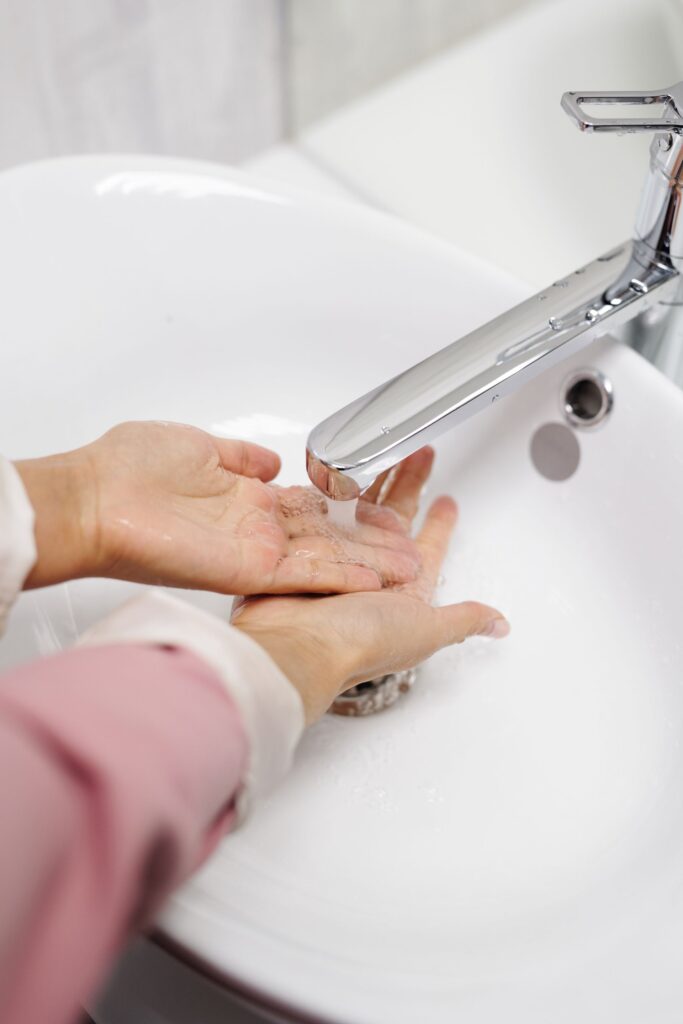
Washing your hands in plain old soap and water is another way to protect yourself from infections. And that is not just after going to the bathroom. Clean hands are an excellent preventive measure that keeps viruses away. And not just for the diseases mentioned above.
Every year Japan faces a different epidemic, perhaps not as well publicized but no less debilitating. The norovirus, or ”winter vomiting disease” does not only spread through infected food (usually seafood), it spreads through aerosol drops of infected peoples vomit and from surfaces which vomit has touched, even if wiped clean (but not washed with bleach).
While the seafood in winter can be delectable, it is best to avoid the raw seafood in winter, unless it is completely fresh (basically just taken out of the ocean). Oysters, in particular, can spread norovirus infections. After all, they filter out and feed on passing bacteria, plankton — and viruses. Which is too bad, because Japanese oysters are an underappreciated delicacy. Although it may be a good reason to travel to the fishing villages in the north.
Norovirus infection is not very nice, and there are two important preventive measures that you can take should you find your home stricken by infection. The first is to wear a mask, not to get infected by viruses in droplets in the air. The second is to wash all surfaces touched by vomit with a bleach-based disinfectant, which is guaranteed to kill all the viruses. Tedious as it is (and it has to be done every time a sick person vomits), it is the only way to avoid becoming infected yourself.
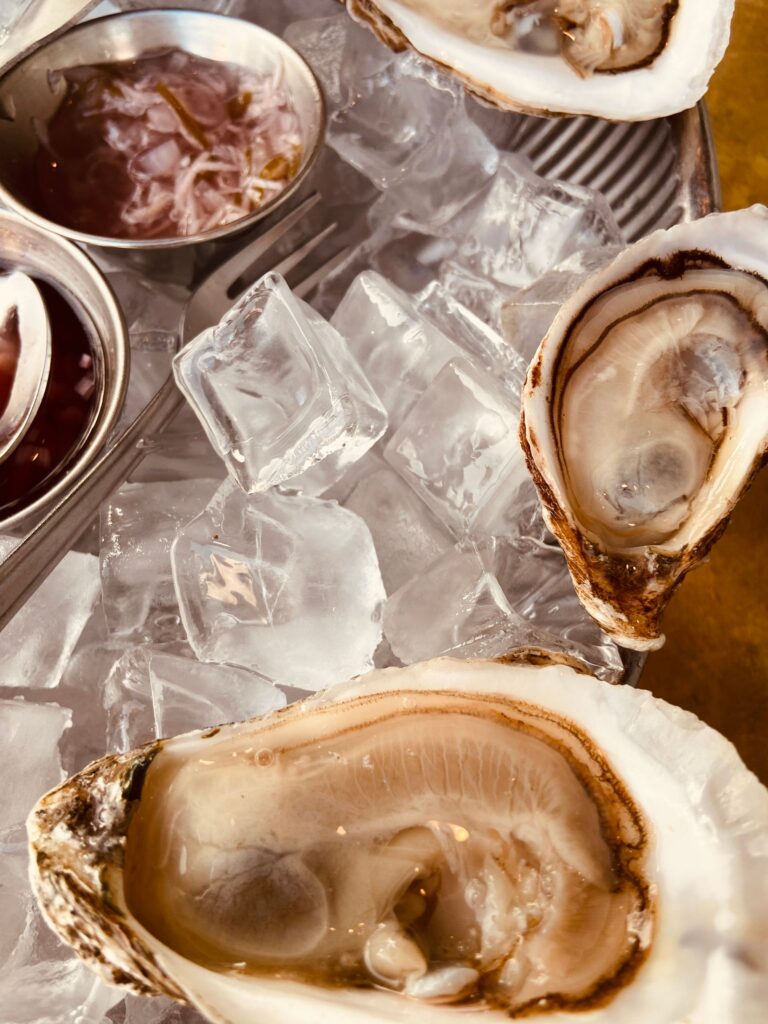
Or you could just stay away from people and seafood, both of which would be a pity. While it is hardly necessary to talk about the benefit and pleasure of meeting Japanese people, many visitors do not realize that winter is the best season for many types of seafood. Besides oysters, fish like monkfish (especially monkfish liver, which is a tough competition for foie de gras) and buri (tastes like a meatier version of tuna), and Japanese cod (tara), often sold in thick slices of the fish. The greatest part of the tara is the roe, which has a little bit larger eggs than Atlantic cod roe.
And apart from overeating, there is one way to avoid becoming sick when it comes to seasonal Japanese fish: Stay away from the fugu (Japanese pufferfish). While they are a highly valued delicacy, their liver also contains a neurotoxin that can be fatal. Best way of avoiding that particular problem is to avoid it at all.
Stay tuned for more exciting content like this! Follow us on our social media platforms and check out our blog regularly to stay updated on the latest news, trends, and insider stories from Japan. Don’t miss out on future updates—sign up for our newsletter for exclusive content delivered straight to your inbox!