How to Keep Your Japanese Apartment Warm in Winter: Part 2
Cold floors, chilly walls, and draughts can make Japanese apartments uncomfortable in winter. Discover simple, renter-friendly winterization tips using insulation mats, fans, curtains, and other affordable ways to keep your home warm.
Most modern Japanese buildings have concrete walls, and in most rooms there is only a thin wooden or plastic carpet on top of the concrete. It gets very cold in winter. But you do not need to light a fire in the middle of the room to heat it. There are simpler hacks.
To winterize a normal Japanese apartment, you first do something about the windows, as we have written previously. But there is much more you can do to make it feel warm and cozy in winter.
It is possible to get the apartment floors warm enough to sit on – even in the middle of winter.
The trick is to do three things: manage the ”bottom chill” (sokobie), make sure the walls do not cool the place down, and manage the airflow. Chill draughts can make any place feel cold. Also remember: Anything you do must be reversible, because when you move out, the place has to look exactly as it did when you moved in. Including any holes in the walls (there should not be any).
Combat the cold floors
First, how to combat the ice-cold floors. The floor becomes cold for two reasons: The building is made of concrete (essentially, stone), and this conducts heat away. Essentially, the whole building is trying to achieve the same temperature, and since the area exposed to the cold outside is so big, the entire building will try to be cold.
The second reason is that hot air rises, and cold air sinks. To the floor.
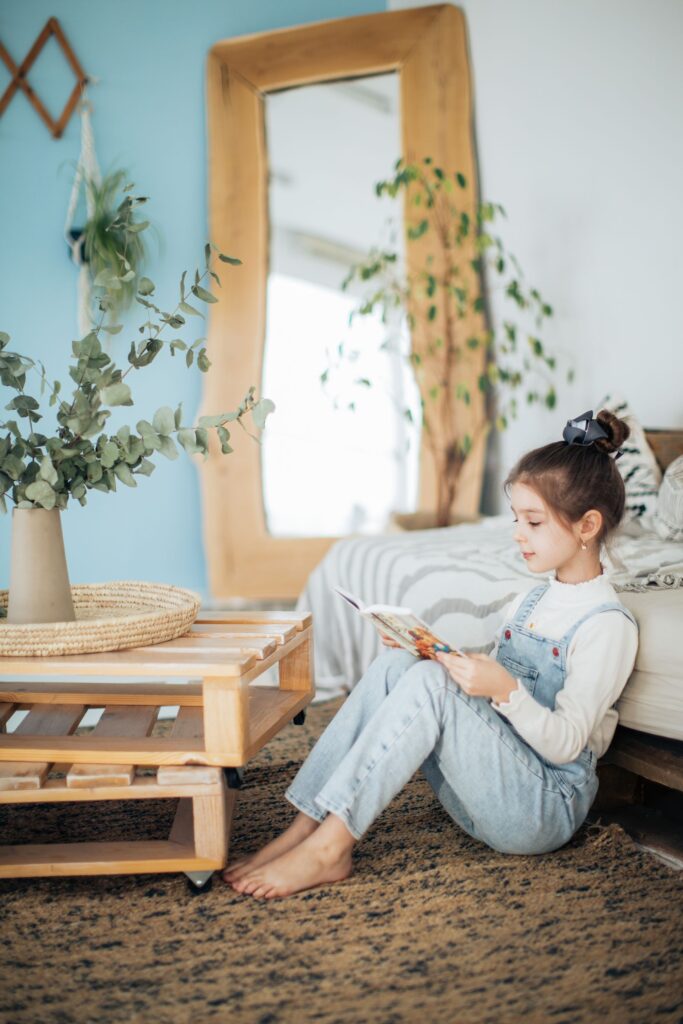
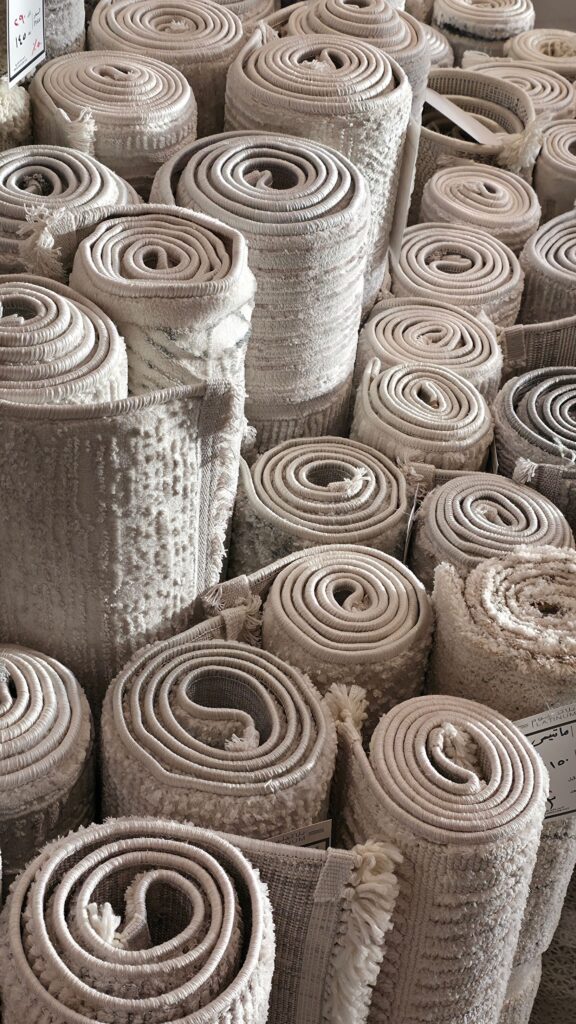
Use warm carpets on the floor to keep the heat in.
To combat this, start shutting out the cold seeping in through the building frame. Start with the floor. And remember, cold is the absence of heat, so what you really want is to reflect heat into the room.
Buy aluminized insulation sheets and put them under the carpets. You can find the sheets in any 100-yen store, and you will be amazed at how much warmer your carpets feel with that underneath.
Speaking of carpets, put a layer of foam floor on top of the silvery sheets. They, too, are available in the 100-yen stores and are cut like puzzle pieces to fit together and provide an insulating carpet. You can also get carpets with polyurethane backing from any of the home improvement stores. It will look a lot nicer than the puzzle pieces, but be no less effective.
Do not leave mat gaps
Just remember not to leave a huge gap between the mats and the walls. If you want to make the room warmer, make sure to cover it wall to wall with the reflecting and insulating mats.
If you are sleeping on a tatami mat, consider an alternate arrangement during winter. Even with a futon, even with a silvery mat under the futon, it will be a lot colder than sleeping in a bed 30 cm above the floor.
The doors between rooms are also notorious places for cold air to sneak in. Japanese doors typically do not have a threshold that stops the airflow, but let air seep in under them.
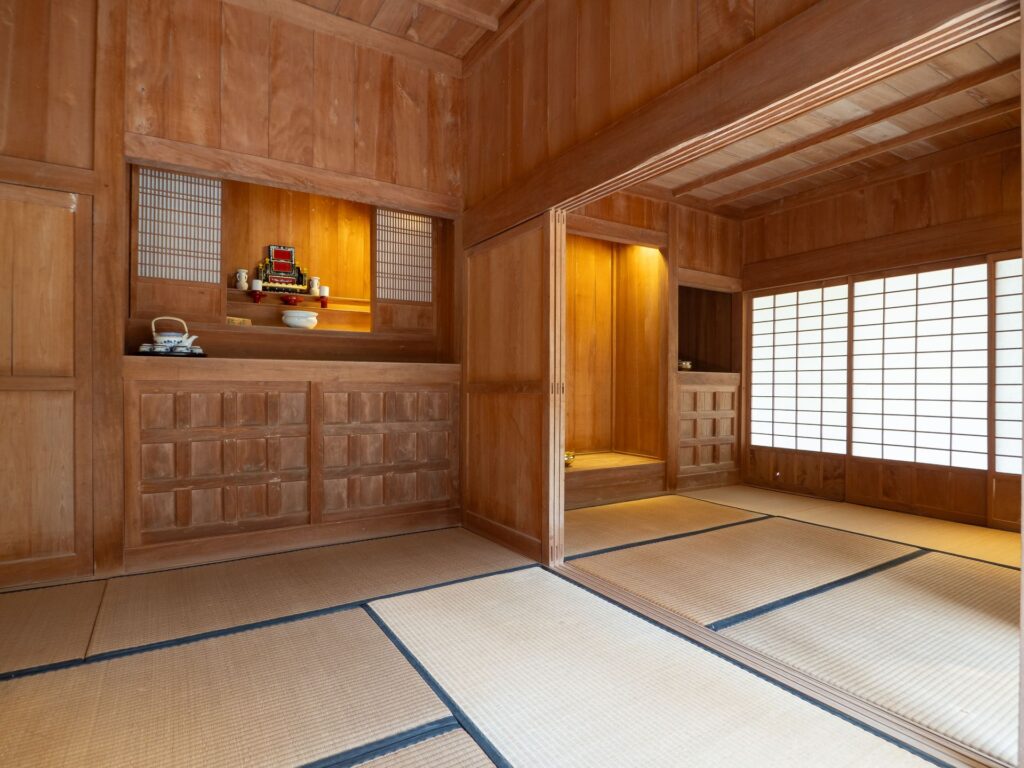
Tatami mats are great but really cold to sleep on in winter.
The easiest way is to put gap-prevention tape around the door. You may have to experiment a little to get it right. If you want to be sure not to damage the wall paint and floor carpet, put masking tape where you intend to stick the sealing strip, and then put it on. The masking tape also makes it easy to remove. If you have openings that do not have doors, use a tension rod (suppari-bo) to hang curtains there.
Reversing the air conditioner
In winter, the air conditioner reverses its summer job and becomes a heater. Instead of pumping heat outside to cool the apartment, it now becomes a heater by taking heat from the outside air and pumping it inside. You did already service it before summer, so it should be OK, but you quickly discover there is one huge problem: it blows out warm air, and warm air rises. The top of your head will be toasty, but your feet cold; you need some way to push the air to the floor.
Use a fan to push cold air up toward the air conditioner.
It is sufficient with a relatively small fan, if you deploy it correctly. And the right way to do that is to deploy it on the other side of the room from the AC. Aimed toward the wall.
By blowing air toward the wall, on the opposite side of the room from the air conditioner, you push it up towards the ceiling. And when the warm air from the air conditioner meets the air from the other side of the room, it will push the warmer air down (while mixing the air in the room).
Another trick is to humidify the air. Dry air feels cold because it makes you sweat. So add moisture to the air, and it feels cooler since there is no evaporation on your skin anymore.
Use more than one fan
There is no reason to stop at one, either. Evaporators are cheap, and with a couple aimed in different directions, you can get much more out of your air conditioner. Slightly different. The air now mixes much more effectively, bringing the hot air down toward the floor
If all this is not enough, Japanese 100-yen stores are full of useful things to help you keep the heat.
Once you have put in mats the floor will be cozy.
Most importantly, if you are feeling chilly, the ”hokkairo”. This is a pad (often with adhesive backing) that, when you shake it and pull off the cover, starts to emit heat. The removal of the cover starts a chemical reaction that oxidizes the contents of the pad and generates heat as a result.
There are versions you stick on your clothes, and versions you put in your shoes. Both are based on the same principle of chemical heat generation.
The heating pads, when activated, will give off heat for several hours. The important thing to remember is not to put them on bare skin, as this can cause burns. They are that hot. Always put at least one layer of clothing between your shin and the heating pad, and you will stay warm all winter.
Stay tuned for more exciting content like this! Follow us on our social media platforms and check out our blog regularly to stay updated on the latest news, trends, and insider stories from Japan. Don’t miss out on future updates—sign up for our newsletter for exclusive content delivered straight to your inbox!
Wisterian Watertree
Wisterian Watertree has been living in Tokyo and other Japanese cities for
the past 20 years, helping visitors get the best of Japan. He is the author of two
books, ”Take Your Toddlers To Tokyo” and ”Driving In Japan”, with more on the
way. You can read more on his website Japan Top 10, https://japan-top-10.com.