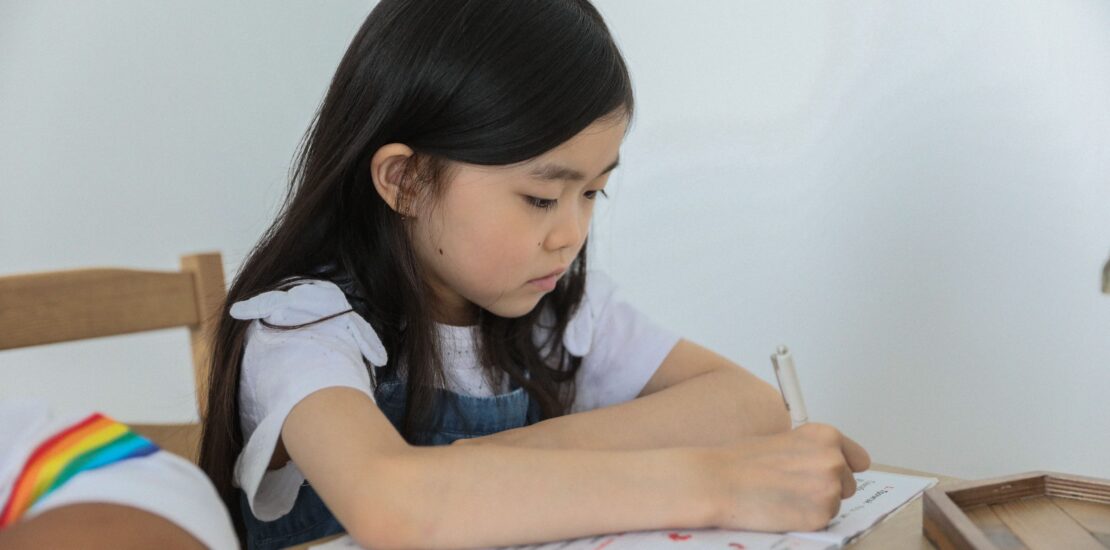
School’s out… but the homework isn’t! If your child is home for summer vacation but is still working through homework assignments, don’t worry.

Summer Vacation
While summer vacation is meant to be a time for fun and playing, it’s also a time to keep up with everything that was learned during the school year. Summer homework is a normal part of the Japanese school system and helps students review what they have already learned before starting the next semester.
Some things to understand about Japanese schools and the summer vacation system are:
1.Summer vacation typically runs from around late July until the end of August.
2.Students are expected to continue studying and complete the homework assigned by their school.
3.The homework is mainly a review of what they have already learned. It’s simply there to help them use it so they don’t lose it, you know?
Homework During Summer Vacation
I’ve said this before, and I’ll happily say it again~
I used to be a high school teacher, and I still work with children often. I know firsthand how important it is for children to keep up with their homework during summer vacation. While it may seem a bit overwhelming at first, understanding the Japanese school system makes it much easier to help your child while still enjoying having them home for the summer.
The homework your child receives can be anything ranging from math worksheets, reading logs, calligraphy, diary writing, English homework, and even kanji practice. It may seem like a lot, but it’s actually very normal in Japan.
One thing you may not know is that some schools also assign what is known as 自由研究 (Jiyuu Kenkyuu), which is an independent research project. I’m sure you probably had something similar in your own country, where students had to do projects like volcano experiments, observing beetles, growing plants, recycling projects, weather observations, or other science experiments. It would be great if you could help your child organize their notes and write their research report if this happens to be one of their summer vacation assignments. It can actually be a really fun project for the whole family.
Resources for Parents and their Child in Japan

Regardless of what the homework is, my personal recommendation is to take your child to a museum where they can open their eyes to some of the wonders the world has to offer. There are all kinds of science workshops, art workshops, history museums, and educational exhibits that your child can benefit from during summer vacation while learning in a fun way.
I personally recommend the Osaka Science Museum. I was just there last week! It’s a wonderful place where you can easily spend hours learning alongside your child through interactive exhibits. Sometimes learning outside of the classroom is the best kind of learning.
Whether it be finding books to keep your child entertained, researching information for homework, or simply providing a quiet environment for your child to study, using your local library is a great option to help keep them on track.
Japanese libraries usually have wonderful children’s sections, study spaces, and educational books that can help with school assignments. Even spending an afternoon reading together can help encourage your child’s love of learning while keeping their mind active during summer vacation.
Don’t hesitate to visit your local city hall to see what programs they offer, especially during summer vacation.
If your child doesn’t speak Japanese yet, it’s worth asking what language support options they have available. Some city halls even offer tutoring, volunteer homework helpers, children’s workshops, or educational programs during the summer. It’s simply a matter of asking what resources are available in your area.

Apps and Websites
In this day and age, it’s a good idea to take advantage of technology. There are all kinds of apps and websites that can help your child keep up with their education during the summer while making learning feel a little more fun.
It can be as simple as checking out NHK for School, using educational apps, or even watching educational YouTube videos together. They’re small things that can make a big difference in helping your child stay on track while still enjoying their summer vacation.
Doing Homework with No Japanese?
If you don’t speak Japanese, please don’t worry too much.
When it comes to many of the worksheets, they’re fairly straightforward, and there are plenty of translation apps that can help if you get stuck. I also recommend joining Facebook groups for foreign parents living in Japan because chances are someone else has had the exact same questions and may already have the answers you’re looking for.
Don’t hesitate to ask your child’s teacher questions, either. They are there to support your child and want them to succeed just as much as you do.
My Personal Recommendations
My own personal recommendation is to enjoy having your child around while making learning fun for both of you. Visit places like museums, aquariums, libraries, parks, or even nature centers together. It’s a wonderful way to learn while making fun summer memories at the same time.
I also suggest getting the homework out of the way early in the summer or completing it little by little each week rather than waiting until the last week before school starts again. Having a healthy balance between studying and enjoying summer vacation will make the entire experience much less stressful for both you and your child.
Happy Studying!

If I’m honest, summer homework really isn’t as bad as it seems. You probably remember doing it yourself when you were a child too. The only difference now is that your child is completing it in a foreign country and maybe even in another language.
If you follow some of the advice above, summer homework won’t seem nearly as overwhelming. As your child enjoys their summer holiday, I hope you can enjoy it too. Don’t forget to reward them for completing their worksheets with a little ice cream to help everyone stay cool during the Japanese summer!
Until the next article, please stay happy, healthy, and excited… to do homework in Japan!
Stay tuned for more exciting content like this! Follow us on our social media platforms and check out our blog regularly to stay updated on the latest news, trends, and insider stories from Japan. Don’t miss out on future updates — sign up for our newsletter for exclusive content delivered straight to your inbox!