
If you are struggling with insomnia in Japan, here are some practical things you can try.
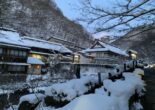

If you are struggling with insomnia in Japan, here are some practical things you can try.
Living in Japan can be exciting, but it can also be stressful, especially when your body refuses to sleep. Insomnia can feel even harder when you are far from home, dealing with changing seasons, small apartments, work stress, and routines that do not always match your body’s needs.
One of the first things to think about is your room temperature. Japan’s weather can be extreme depending on the season you are in. Summers can be hot and humid, while winters can feel very cold indoors, especially in apartments without central heating. This can drastically affect the quality of your sleep and relaxation.
If your room is too warm, you may wake up sweaty, uncomfortable, or restless. If it is too cold, your body may feel tense and unable to relax. Try adjusting your air conditioner, heater, humidifier, or bedding and see if your sleep improves.
Sometimes, the reason you cannot sleep is not anxiety or stress and it might simply be that your body is uncomfortable. Make sure to monitor the temperature of your room as this can have a significant effect in your day-to-day life.
Another important step is trying to sleep and wake up at around the same time every day. This can help your body recognize when it is time to rest.
Of course, this does not always work perfectly. Life happens. Work schedules change, stress happens, and sometimes your body just does not cooperate but having a regular routine can still help.
Try going to bed at the same time for a few nights, avoid long naps during the day, and give your body a quiet routine before bed. Some people take melatonin which can dramatically help with your relationship with sleep. It is important to know what works and doesn’t work for you.
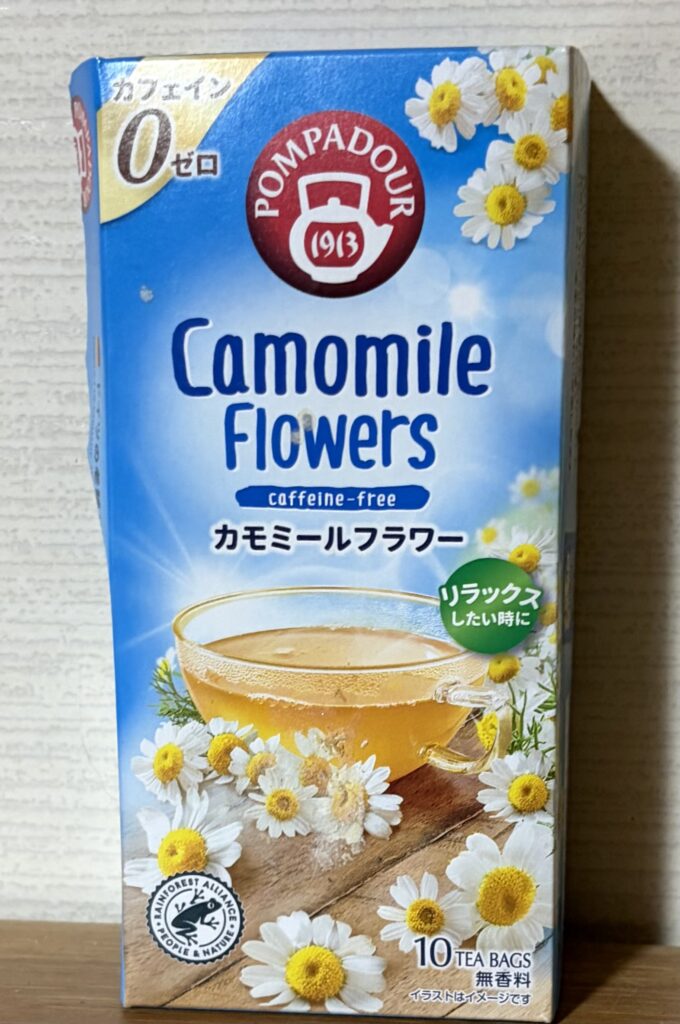
One simple thing that may help is chamomile tea. It is warm, calming, and easy to find in Japan. You can usually buy chamomile tea at supermarkets, Don Quijote, drugstores, and sometimes even convenience stores.
Having a cup of chamomile tea before bed can become part of your nighttime routine and even if it does not immediately make you sleepy, it can help signal to your body that the day is ending. This is also very mild for your stomach compared to other types of tea. Another good option is Jasmine tea if you want to try as well.
If your insomnia is lasting for a long time or affecting your daily life, it may be a good idea to see a doctor in Japan. You can visit a clinic and ask what options are available.
Some sleeping medications in Japan requires a prescription. For example, medicines like Zolpidiem, Dayvigo can only be prescribed by a doctor. A doctor can also help you figure out whether your insomnia is related to stress, anxiety, lifestyle, or another health issue.
It can feel intimidating to go to a doctor in Japan, especially if Japanese is not your first language, but it is okay to ask for help. You can also write down your symptoms before your appointment so you do not forget anything. If you have copies of prior prescribed medication or a copy of your medical history, that could be helpful as well. A lot of clinics let you do the Baum test to see if one of the primary sources of your insomnia is prolonged stress.
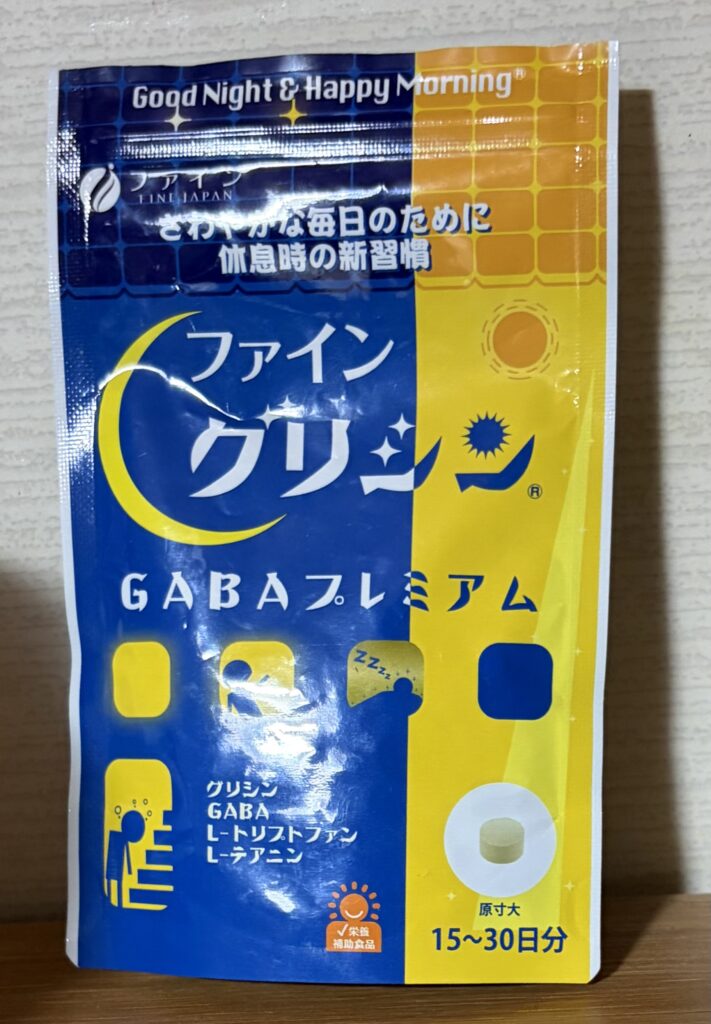
Some people also try supplements to support relaxation. Magnesium glycinate is one option that some people order online. It may help the body relax, especially if muscle tension is part of the problem.
GABA and L-theanine are also common supplements in Japan. You can often find GABA products at drugstores, and L-theanine is usually available online or in supplement shops.
As with anything, it is better to be careful, especially if you are already taking medication or have health concerns. Start slowly and check with a doctor or pharmacist if you are unsure. Always ask a professional first especially if you have underlying medical conditions.

For short-term insomnia, some people in Japan use over-the-counter sleep aids such as Drewell. These are usually meant for temporary use, not as a long-term solution.
They may help for occasional sleepless nights, but they can also make some people feel groggy the next day. It is important to read the instructions carefully and avoid mixing sleep aids with alcohol or other sedating medication.
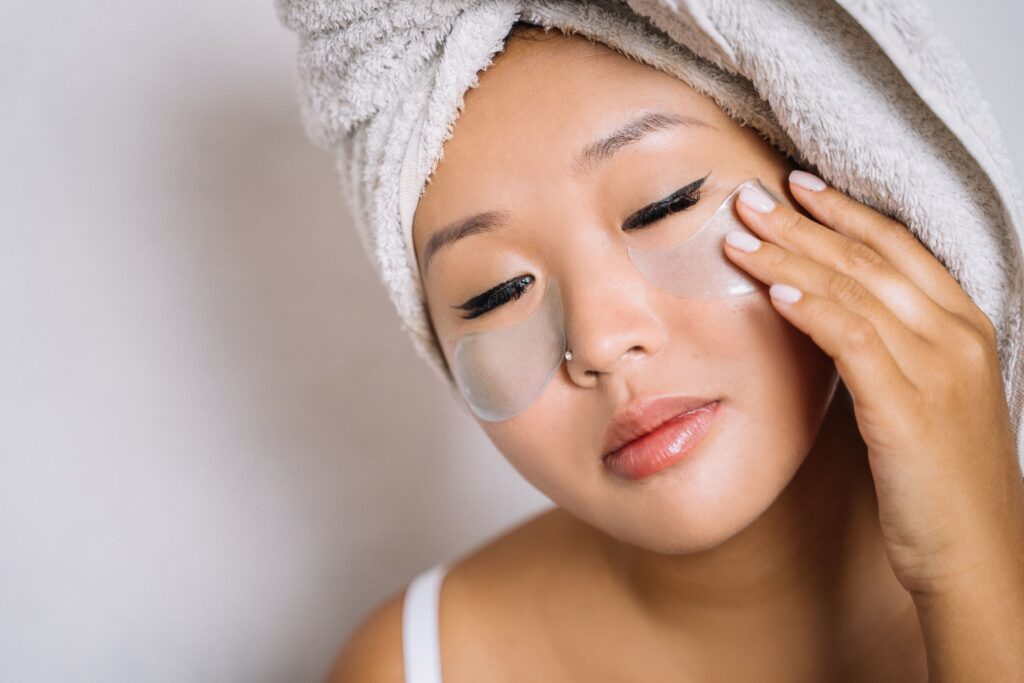
Japan has many small products that can help make bedtime more relaxing. You can buy warm eye masks, cooling eye patches, calming bath salts, sleep sprays, and relaxing bath soaps.
Taking a warm bath before bed can also help some people relax. In Japan, this is easy to turn into a nighttime routine because bath products are available almost everywhere, from drugstores to Don Quijote.
Even small things, like dimming the lights, using an eye mask, or making your bed feel more comfortable, can make a difference.
Insomnia can be frustrating. It can make you feel anxious, tired, and even scared of bedtime. But one bad night does not mean you are broken. Sometimes your body is just stressed, overstimulated, or trying to adjust.
Living in Japan already comes with many daily adjustments. Weather, work, language, routines, and homesickness can all affect sleep more than we realize.
Try different things and pay attention to what helps your body. Maybe it is chamomile tea, a cooler room, a doctor’s advice, a supplement, or a more peaceful bedtime routine.
The important thing is to keep looking for what works for you and to remember that you are not alone. Many people struggle with sleep, especially when living abroad. With patience and the right support, better sleep is possible.
Stay tuned for more exciting content like this! Follow us on our social media platforms and check out our blog regularly to stay updated on the latest news, trends, and insider stories from Japan. Don’t miss out on future updates. Sign up for our newsletter for exclusive content delivered straight to your inbox!