If you are a foreign resident in Japan, 2026 is shaping up to be one of the biggest years for visa and immigration changes in a long time.
Between fee increases, stricter permanent residency screening, changes affecting dispatch workers, updates to Specified Skilled Worker visas, and even a new travel pre-screening system called JESTA, there is a lot happening. Some changes are already approved, while others are expected to roll out over the next year or two. For many of us living in Japan, renewal already feels stressful enough. Now, with higher costs and tighter checks, keeping your paperwork in order matters more than ever.
Here is a breakdown of the biggest immigration changes in Japan for 2026 and what they actually mean for foreigners already living here.
1. Immigration Fees Are Increasing

One of the biggest headlines in 2026 has been Japan’s immigration fee increase bill.
In March 2026, the Japanese Cabinet approved a bill to raise the legal maximum immigration fees to:
- Up to ¥100,000 for renewals and changes of status
- Up to ¥300,000 for permanent residency applications
The bill later passed the House of Representatives in April 2026. However, this does not mean everyone suddenly pays ¥100,000 tomorrow. These are the legal ceilings, and the exact fees still need to be finalized through Cabinet Orders.
Right now, the current immigration fees remain:
| Procedure |
Current Fee |
| Renewal (extension of stay) |
¥6,000 |
| Change of status |
¥6,000 |
| Permanent residence application |
¥10,000 |
Many immigration specialists expect future renewals to land somewhere around ¥30,000 to ¥70,000, while permanent residency may eventually exceed ¥100,000 or even ¥200,000, depending on the final decision.
If you are close to qualifying for permanent residency, this may be the year to seriously think about preparing your documents.
2. Permanent Residency Is Becoming Much Harder
Getting PR in Japan may become significantly stricter.
One major upcoming change is the 5-year requirement.
For years, many foreigners could apply for permanent residency while holding a 3-year visa. However, beginning April 1, 2027, immigration plans to strictly enforce the requirement that applicants must hold a 5-year visa to apply for PR. There will be some transition measures for people already holding 3-year visas before the deadline.
Immigration is also becoming stricter about:
- Tax payments
- Health insurance payments
- Pension contributions
- Late payments
- Employment stability
- Income levels
It is no longer just about whether you eventually paid. Even late payments may be viewed negatively.
Many immigration experts are now recommending that foreigners keep copies of:
- Pension payment records
- Resident tax certificates
- Income certificates
- Health insurance records
- Employment contracts
3. Permanent Residents Could Lose PR for Serious Non-Compliance
A revised law allows authorities to revoke permanent residency if someone deliberately avoids paying taxes or social insurance or commits serious immigration violations. This mainly targets intentional non-payment rather than accidental mistakes or temporary financial struggles.
In other words, if someone simply forgot a payment or had a short financial problem, that is very different from purposely refusing to pay obligations over time.
Still, this change shows Japan is becoming stricter about compliance.
4. Dispatch Workers Face More Scrutiny
This one is especially important for people working under dispatch companies. From March 2026, applications involving dispatch arrangements or Employer of Record (EOR) setups are facing additional scrutiny.
Immigration now requires stronger documentation showing:
- The actual workplace
- Job responsibilities
- Who supervises the employee
- Why the job matches the category
This mainly affects people under the Engineer/Specialist in Humanities/International Services visa. Immigration wants to ensure workers are doing duties that actually match the type and not being moved into general labor.
For dispatch workers, keeping contracts, schedules, and clear job descriptions may become even more important for renewals.
5. Business Manager Visas Are Becoming Stricter
For foreigners hoping to open a company in Japan, the Business Manager visa is also becoming harder to obtain.
Authorities are reportedly increasing scrutiny around:
- Whether the business is genuine
- Financial sustainability
- Office requirements
- Hiring plans
- Revenue projections
Some reports also indicate higher investment expectations and stronger screening to avoid “paper companies” created only for those purposes.
This means people starting businesses may need much more detailed business plans than before.
6. Changes to Work Visas
Some work categories are seeing tighter screening in 2026.
This especially affects:
- Engineer / Specialist in Humanities / International Services
- Dispatch employees
- Workers with short-term contracts
- Employer-of-record arrangements
Immigration appears to be paying closer attention to whether a person’s actual work matches their visa category and educational background. Frequent job changes or unclear contracts may also invite more questions during renewal.
For foreigners working multiple part-time jobs or freelance contracts, keeping organized documentation is becoming increasingly important.
7. Specified Skilled Worker (SSW) Visa Changes
Japan continues to rely heavily on the Specified Skilled Worker (SSW) program due to labor shortages, but some sectors are tightening.
In 2026, Japan temporarily paused some new food service SSW applications after approaching its intake cap, while other industries remain open.
There are also growing discussions around stronger Japanese language expectations and integration requirements for some foreign worker categories, especially long-term employment routes.
If you are considering SSW, checking your industry’s current cap before applying is now more important than ever.
8. Student Visa Rules Are Changing Too
Student visa holders may also notice changes. Japan has tightened oversight of language schools and educational institutions to reduce abuse of student visas. Schools are facing stronger monitoring for attendance, graduation rates, and whether students are genuinely studying.
There are also updated deadlines and smoother processing systems for international students transitioning into work visas after graduation. For students, attendance records matter more than ever.
9. More Immigration Procedures Are Going Digital for Visa Related Transactions
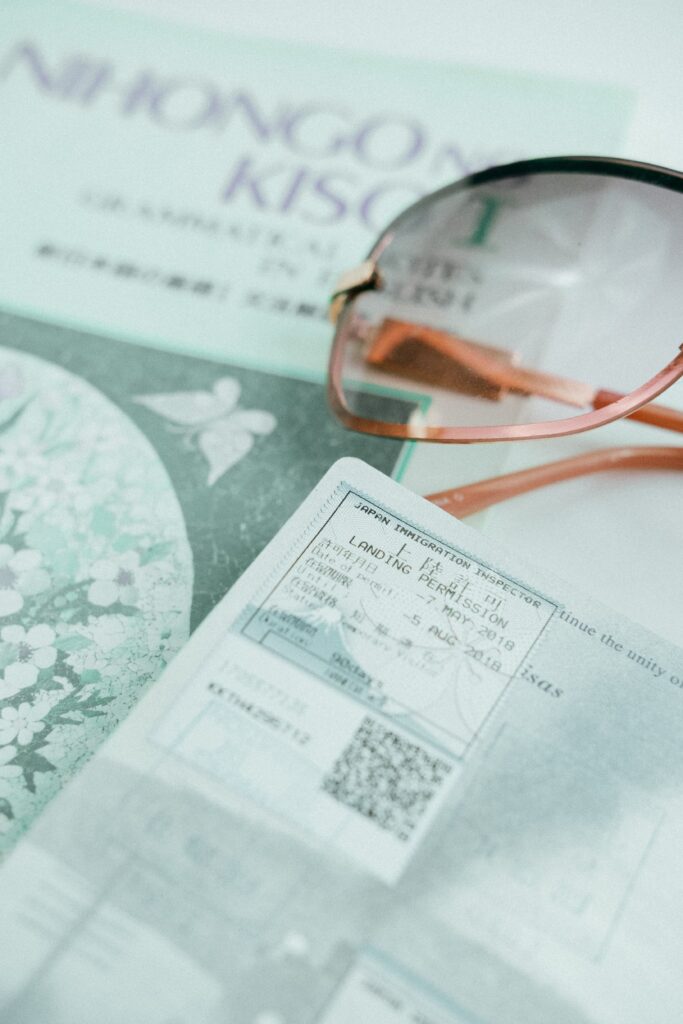
Japan is slowly moving immigration online.
Online applications for:
- Renewals
- Status changes
- Residence procedures
are expanding, and online applications are sometimes slightly cheaper than counter applications. Immigration is clearly pushing toward digital processing and less paperwork over time. This may eventually make renewals easier, although Japan still loves paperwork more than most countries.
10. JESTA Is Coming
Japan is preparing to launch JESTA, a new electronic travel authorization system similar to America’s ESTA.
JESTA is not for people already living in Japan. Instead, it applies to short-term visitors from visa-exempt countries.
Before entering Japan, travelers may need online pre-approval. Think of it as a background screening before boarding a flight.
For residents, this likely will not affect your renewal.
11. My Number and Residence Cards Are Being Integrated
Starting in 2026, Japan plans to introduce a system allowing foreign residents to combine My Number Card functions with residence card features.
The idea is to reduce paperwork and move more services digitally. However, this system is expected to be optional rather than mandatory.
12. Children Will Need Residence Card Photos
Starting June 14, 2026, children applying for residence cards may also need official facial photographs under the updated system. This is especially important for foreign families living in Japan.
13. TB Screening for Some Countries Including the Philippines
Japan has expanded tuberculosis screening requirements for long-term visa applicants from selected countries, including the Philippines.
Applicants may need TB clearance certificates before applying for certain visas or Certificates of Eligibility.
So… Should Foreign Residents Be Worried?
Not necessarily.
Japan is clearly becoming stricter and more expensive, but it is not shutting foreigners out. In fact, Japan still badly needs foreign workers because of labor shortages.
The bigger message seems to be this: Japan still wants foreign residents, but immigration increasingly expects people to be financially stable, compliant, and well-documented.
If you live in Japan already, the best thing you can do is:
- Pay taxes and pension on time
- Keep employment contracts and pay slips
- Save immigration paperwork
- Renew early when possible
- Avoid long gaps in employment if possible
- Consider PR timing sooner rather than later
Because if 2026 proves anything, it is that immigration in Japan is becoming far less relaxed than it used to be.
Stay tuned for more exciting content like this! Follow us on our social media platforms and check out our blog regularly to stay updated on the latest news, trends, and insider stories from Japan. Don’t miss out on future updates. Sign up for our newsletter for exclusive content delivered straight to your inbox!