What is Ichiban Kuji?
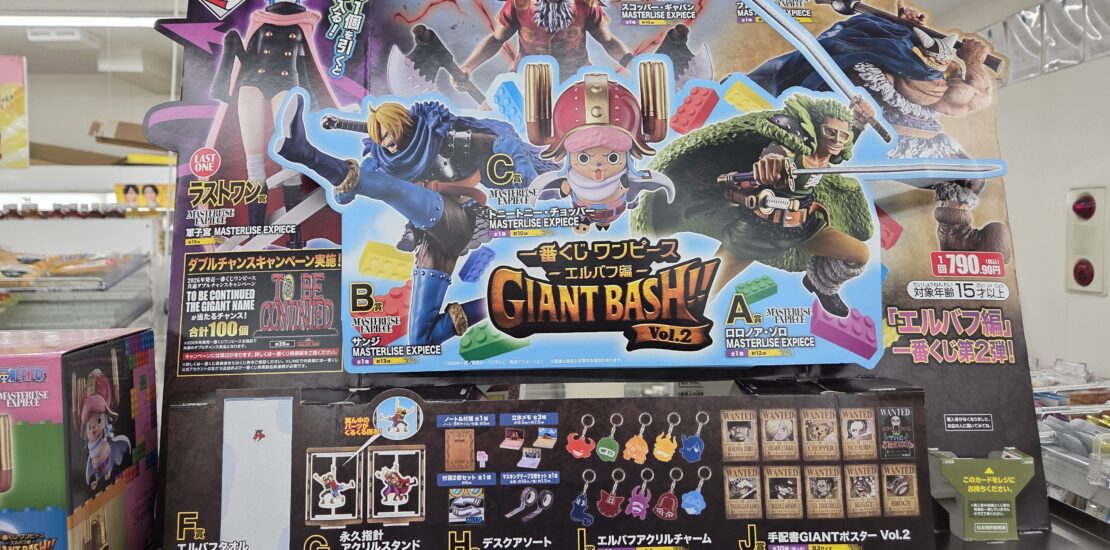
If you have spent any time in Japan looking around convenience stores, anime shops, bookstores, or trading card stores, you may have seen colorful displays advertising Ichiban Kuji.
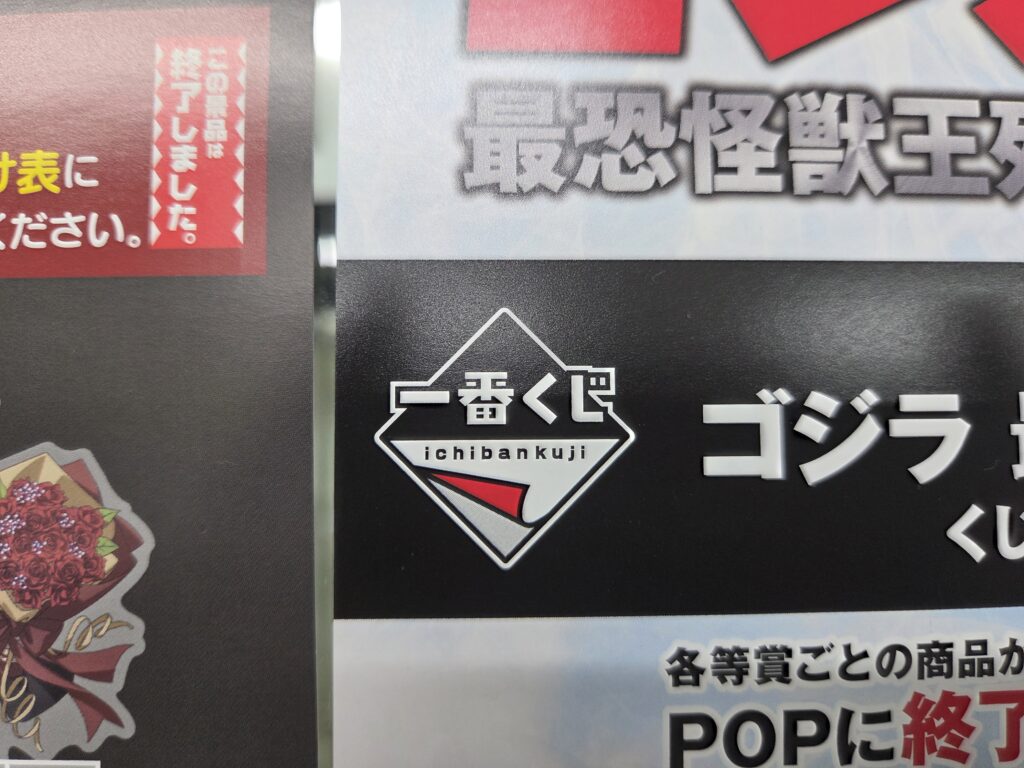
It is easy to recognize the official logo of Ichiban Kuji, but if you have never tried one before, the whole setup can be a little confusing.
The reason it is so popular is, you always win something. And no, this isn’t like spinning one of those prize wheels at a Japanese shopping center, getting the dreaded white ball, and walking away with a tiny pack of tissues. With Ichiban Kuji, every ticket is tied to an actual prize from the campaign.
Ichiban Kuji is a popular Japanese character merchandise lottery operated by Bandai Spirits. Different campaigns are released throughout the year, featuring franchises such as Pokémon, One Piece, Dragon Ball, Sanrio, anime series, video games, and many others.
The prizes are divided into different ranks, starting with an A Prize and continuing through G or H.
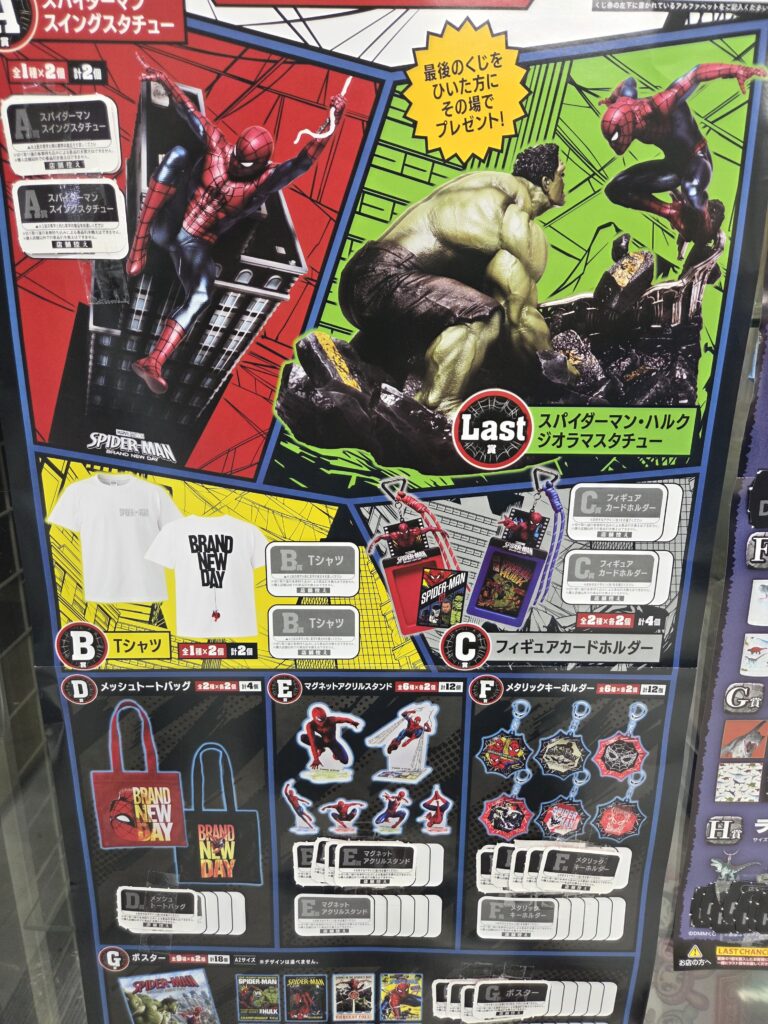
And then there is the prize that makes Ichiban Kuji especially interesting: the Last One Prize.
What Is the Last One Prize?
The Last One Prize is awarded to the person who purchases the final remaining ticket in a particular Ichiban Kuji campaign.
You don’t draw a special ticket for it. Instead, if you are the person who buys the very last ticket, you automatically receive the Last One Prize in addition to whatever prize you won from that final ticket.
This can make the Last One Prize extremely desirable.
Sometimes it is a special version of one of the main figures. Other times, it is a completely different item that is only available as the Last One Prize.
For collectors, this creates an interesting situation: you aren’t necessarily trying to win the best ticket, you may be trying to be the person who buys the last ticket.
Where Can You Find Ichiban Kuji?
Ichiban Kuji campaigns can appear in many different places around Japan. You may find them at:
- Convenience stores
- Trading card stores
- Animate
- Mandarake
- Bookstores
- Hobby and character-goods stores
- Other participating retailers
There are also online Ichiban Kuji campaigns, including official Bandai-operated options.
How Does Ichiban Kuji Work?
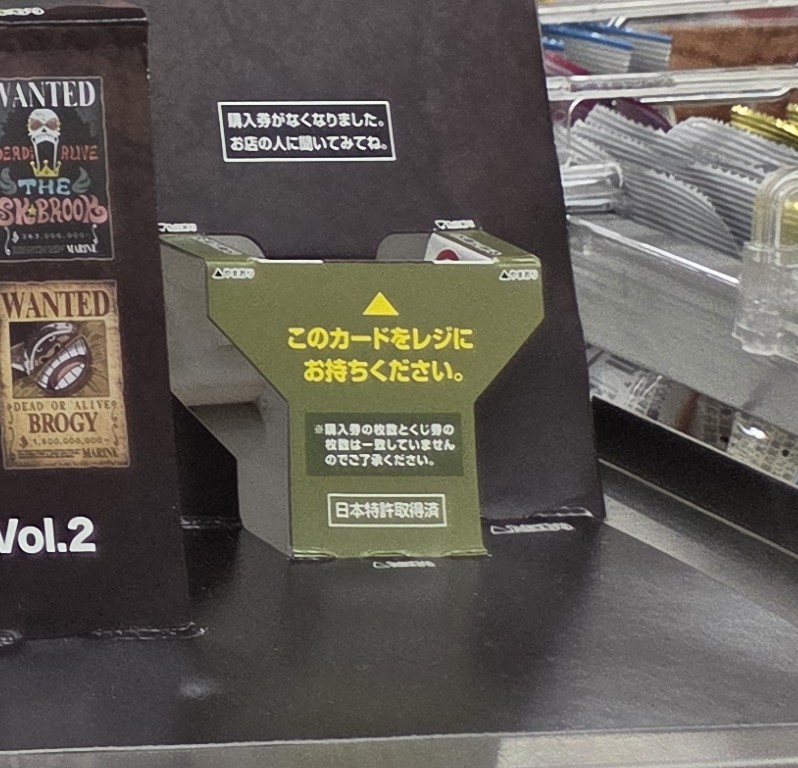
When a campaign is available, there will usually be a display showing the prizes and a board or sheet indicating how many tickets remain.
You can normally see which prizes are still available and how many tickets are left. This is important because it lets you know what you are actually able to win before buying your ticket.
To participate, you can either take the cardboard ticket or order piece from the display, or simply go to the counter and tell the employee which Kuji you want to purchase.
You tell them how many tickets you want, pay for them, and the employee gives you the corresponding number of tickets.
The tickets are typically provided in a box, and you pick the tickets yourself.
And unlike a normal lottery, there is no losing ticket. Every ticket corresponds to a prize.
You might not get the figure you were hoping for, but you will still walk away with something from the campaign.
The Prize Tiers and Watching the Tickets Disappear
Each campaign has its own prize lineup, but you will usually see something similar to:
A Prize – Often one of the largest or most desirable items, such as a figure.
B Prize – Another major character item, often another figure or larger collectible.
C, D, E, etc. – Smaller merchandise such as plushies, towels, plates, glasses, acrylic goods, keychains, clear files, and other character merchandise.
One of the things I really enjoy about Ichiban Kuji is that you can actually watch a campaign progress. Participating stores will generally have some way of showing how many tickets remain, along with which prizes have already been claimed.
This creates a little bit of strategy.
If there is a prize you really want, you have to decide:
Do I buy now and hope I get it, or do I wait and see what happens?
This is especially important if you are trying to get the Last One Prize, since you can watch the number of remaining tickets get closer to zero.
The prize board can also tell you when it might be worth taking a chance. If the A and B Prizes are already gone, but there are still a lot of tickets remaining, you may decide it isn’t worth buying.
My Strategy for the Last One Prize
If I really want a Last One Prize, I’ll sometimes visit the same store several times, buying a ticket or two while keeping an eye on how many remain.
Once the number of tickets is low enough, I can buy the rest and guarantee the Last One Prize.
Of course, this can get expensive quickly. For example, 40 tickets at ¥800 each would cost ¥32,000. Whether it’s worth it depends on how much you want the Last One Prize and what other prizes are still available.
Why I Prefer Drawing Ichiban Kuji in Person
Ichiban Kuji is also available online, but personally, I prefer doing it in person.
When I’m standing at the store, I can see the display, see how many tickets remain, see which prizes have already been taken, and physically choose my tickets from the box.
It also gives me more confidence in the process because I can see what is happening rather than simply trusting an online system.
For me, that is part of the fun of Ichiban Kuji in the first place.
When You Miss a Campaign
Popular Ichiban Kuji campaigns can sell out extremely quickly, especially when the franchise or prizes are highly desirable. You might visit a store expecting to find a campaign only to discover it is already gone.
But if you miss a campaign entirely, don’t worry. Japan’s huge secondhand market is another great option. Stores like Mandarake, and Book Off often have Ichiban Kuji prizes available, sometimes for much less than the cost of drawing tickets.
This is especially true for the smaller prizes, which collectors may end up with when they are primarily interested in the larger figures.
If you only want one specific prize, checking the secondhand market can be a much cheaper option than trying your luck with the lottery.
Sometimes, if a campaign isn’t selling well, a convenience store may eventually discount the remaining prizes. I’ve scored some good deals this way on less popular campaigns.
Previous and Upcoming Campaigns
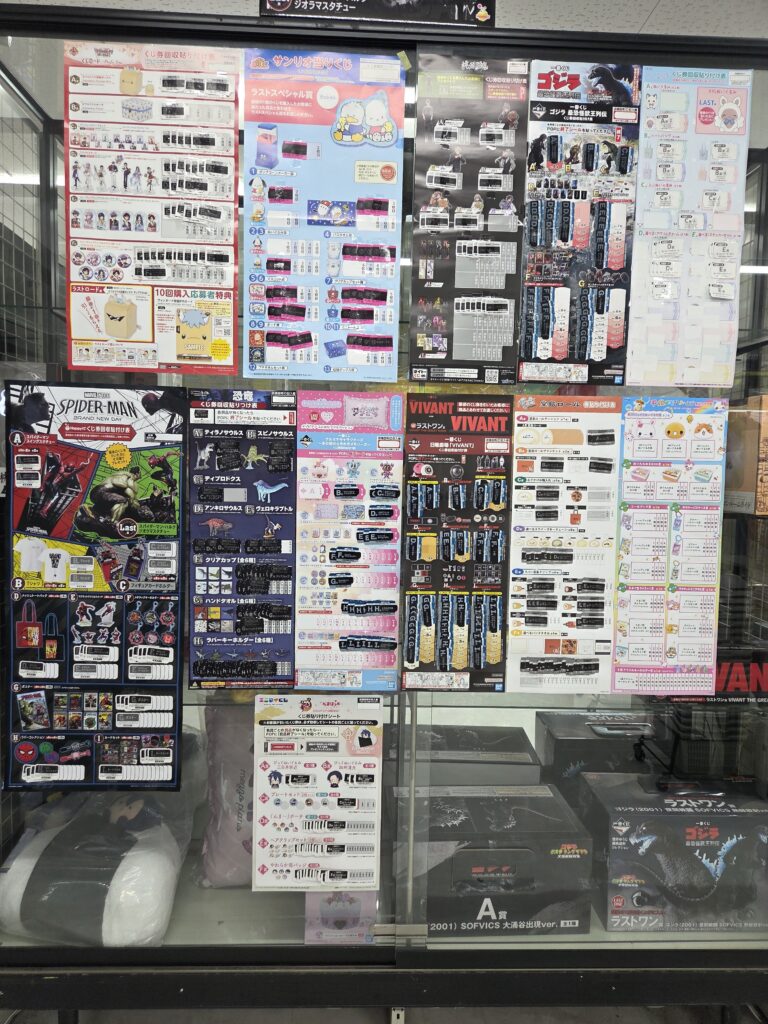
Previous campaigns:
One Piece -Elbaf Arc- GIANT BASH!! Vol. 1 — July 3, 2026
Keroro Gunso — July 4, 2026
Kaiji: The Ultimate Lottery – Drawing a lottery ticket is what makes life enjoyable, right…? — July 7, 2026
Toy Story 5 — July 10, 2026
Dragon Ball Spectacle Battle — July 11, 2026
Overlord — July 17, 2026
Pokémon 30th ANNIVERSARY vol. 2 — July 18, 2026
Baki ~The Great Heartbeat~ — July 18, 2026
Ultraman 60th Anniversary — July 24, 2026
Tamagotchi ~Spinning Discovery! Tamagotchi Paradise!~ — July 25, 2026
Vincent van Gogh — July 25, 2026
Godzilla: The Legend of the Most Terrifying Monster King — July 25, 2026
Demon Slayer: Kimetsu no Yaiba ~Upper Rank Two~ — July 30, 2026
Future Campaigns:
KINGDOM HEARTS -25th Anniversary- — August 15, 2026
Haikyu!! -Karasuno’s Future- — August 15, 2026
Demon Slayer: Kimetsu no Yaiba ~Upper Rank Two~ (Re-release) — Online only; pre-orders August 17–20, 2026
Chokotto Re – Starting Life in Another World — August 20, 2026
Gintama 20th Anniversary Gintama Exhibition ~Gathering of 20th Birthdays~ Part 2 — August 21, 2026
Dragon Ball GT — August 22, 2026
Chokotto Powerpuff Girls — August 28, 2026
Evangelion: 1.0 You Are (Not) Alone — August 29, 2026
Pokémon Masters EX 7th Anniversary — August 29, 2026
HUNTER×HUNTER GREED ISLAND ② — August 29, 2026
Campaigns change constantly, so checking the official Ichiban Kuji listings is one of the best ways to see what is coming next.
Ichiban Kuji Is More Than Just a Lottery
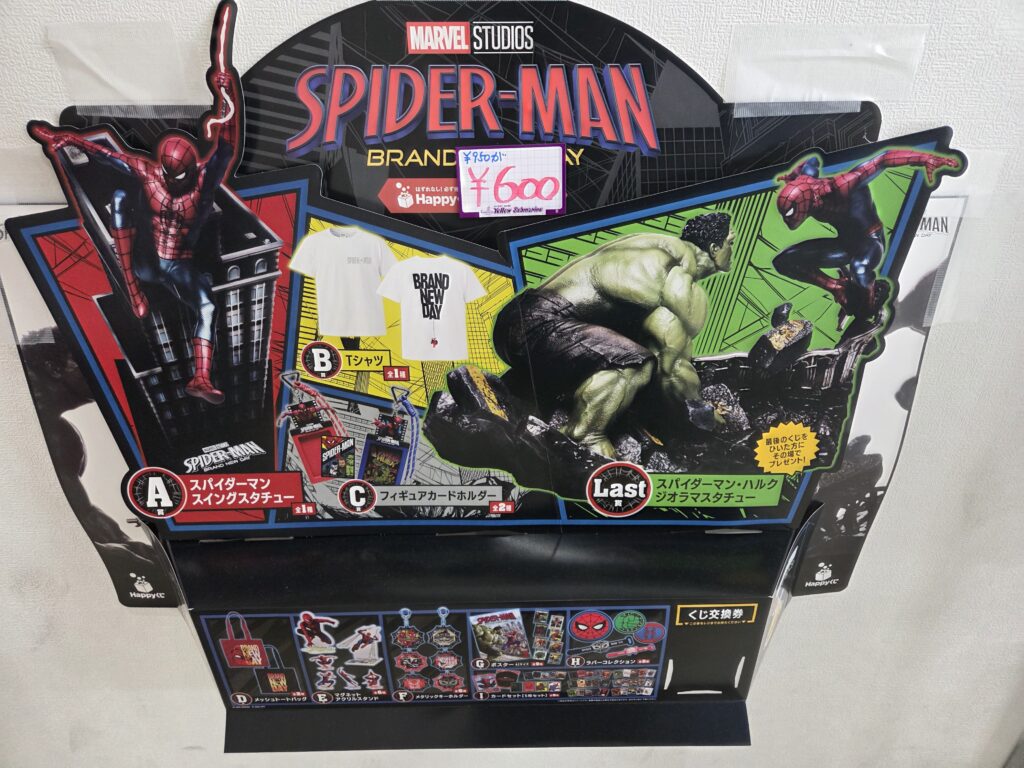
For me, the appeal of Ichiban Kuji isn’t just the merchandise.
It is the combination of collecting, chance, strategy, and the excitement of watching a campaign sell out.
You can walk into a convenience store, see a character you like, buy one ticket, and walk away with something cool.
Or, if you are really committed to a Last One Prize, you can keep checking back and try to time your purchase perfectly.
That is what makes Ichiban Kuji such a fun part of Japan’s pop-culture and collecting scene.
And if you are visiting Japan and see one of these displays, don’t be afraid to give it a try.
Just remember one thing:
There is no losing ticket—but there is always the possibility of wanting “just one more.”
Stay tuned for more exciting content like this! Follow us on our social media platforms and check out our blog regularly to stay updated on the latest news, trends, and insider stories from Japan. Don’t miss out on future updates — sign up for our newsletter for exclusive content delivered straight to your inbox!