Well, I’ve been here for 9 years, and it’s been a journey learning what works for me and what doesn’t when it comes to food. So now I’m here to tell you about healthy eating in Japan, including Japanese superfoods, healthy Japanese foods, and some options you may not have thought about!

Japan and Healthy Eating
I think most people can attest to how much easier it can be to eat healthier in Japan. I feel like compared to America, there are a lot more opportunities to eat smaller, simpler meals that pack just as much punch in their small portions.
When I first moved to Japan, I questioned why the portions were so small, but eventually, it switched to me asking why in America we feel the need to have such big portions that overfill us.
You’ll find that a lot of traditional Japanese meals contain things like rice, vegetables, fish, soup, and a variety of other small dishes that are very delicious. Not every Japanese meal is healthy, of course….I mean, we’ve all been to izakayas or eaten some of the deep-fried food here!
However, when it comes to traditional Japanese food, hands down, I have an easier time building a balanced diet here in Japan. So if your goal is to try to get healthier while you’re here, let’s start by looking at the food around you and your options.
Japanese Healthy Superfoods
If you don’t know what a superfood is, just know that it is usually a whole food that has a lot of nutrients in it and can have high levels of things like minerals, antioxidants, vitamins, fiber, and other nutrients that your body needs to keep running strong.
So, what Japanese superfoods are available for you here in Japan?
Natto
I know, I know. Natto comes up, and it is such a topic that Japanese people are curious to know if foreigners actually eat.
Before you start complaining that it smells, just know that there are different options for natto, including varieties with a milder smell. Also, know that it’s fermented soybeans that contain a good amount of plant-based protein, fiber, and vitamin K.
Natto is also a fermented food, which means it contains beneficial bacteria that can be part of a healthy diet. If you don’t like the natural taste of natto, just mix it with your vegetables, mustard, and soy sauce, and you may find it much easier to eat.
Personally, I think it’s one of those foods that you have to try a few times before deciding whether you actually like it! 🙂
Seaweed
There are all kinds for you to enjoy.
Wakame, nori, kombu~ Oh my!
This is a great Japanese food to add to your diet because seaweed can provide nutrients such as iodine, minerals, and fiber, depending on the type.
I want to especially mention iodine. Your body needs iodine to make thyroid hormones, but you also don’t want to go overboard because too much iodine isn’t necessarily better.
You can find it in a variety of different meals, like soups, rice dishes, salads, and more. Seaweed is also an easy way to add more flavor and nutrients to a meal without needing a lot of ingredients.
Sweet Potatoes
I’m not quite sure if people know, but satsumaimo, or Japanese sweet potatoes, are very healthy for you.
You can find roasted sweet potatoes at the supermarket, convenience store, or honestly, just about anywhere during the right season. It’s one of my favorite things to eat in fall and winter. It’s only a bonus that it tastes almost like a sweet dessert!
Healthy plus sweet is the perfect combo. 😉
Satsumaimo provides complex carbohydrates, fiber, vitamin C, potassium, and other nutrients. It’s a great option when you’re looking for a filling healthy snack in Japan without reaching for something heavily processed.
Kabocha
My family in Tanabe put me onto this, so I’m so happy to mention it here!
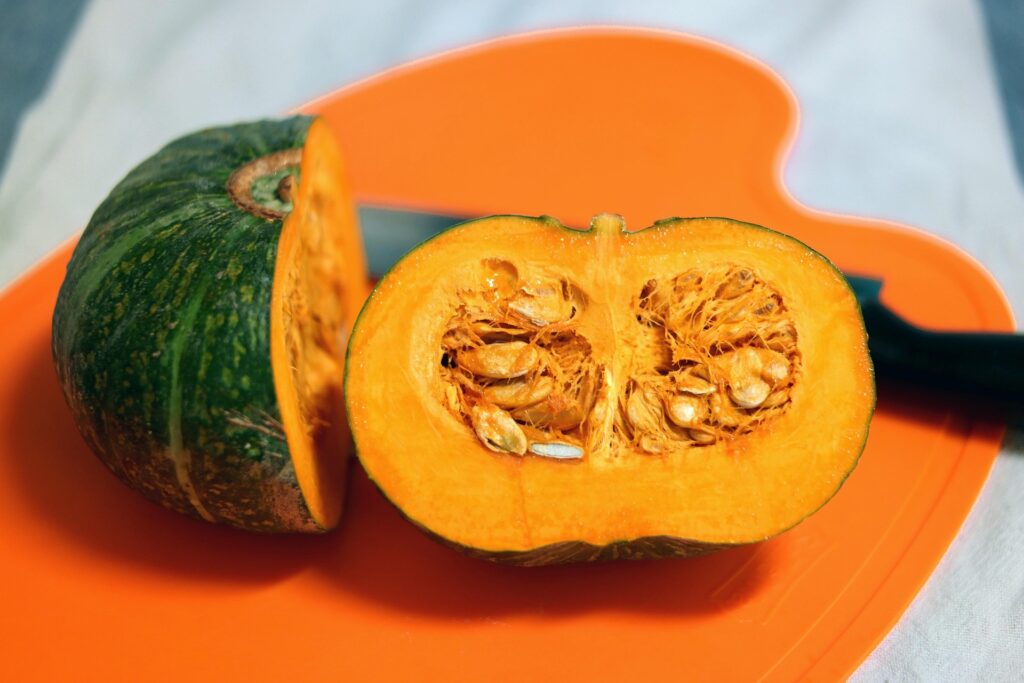
Japanese pumpkin!
I try to eat kabocha at least once every couple of months if I have time to make my favorite pumpkin meal. Kabocha is filled with beta-carotene, which your body can convert into vitamin A. Vitamin A plays an important role in things like normal vision and immune function.
I have this very delicious meat and pumpkin tomato soup recipe that is to die for. Making a big batch of this and eating it really does warm the heart.
It’s only a bonus that it’s good for the body!
Mushrooms
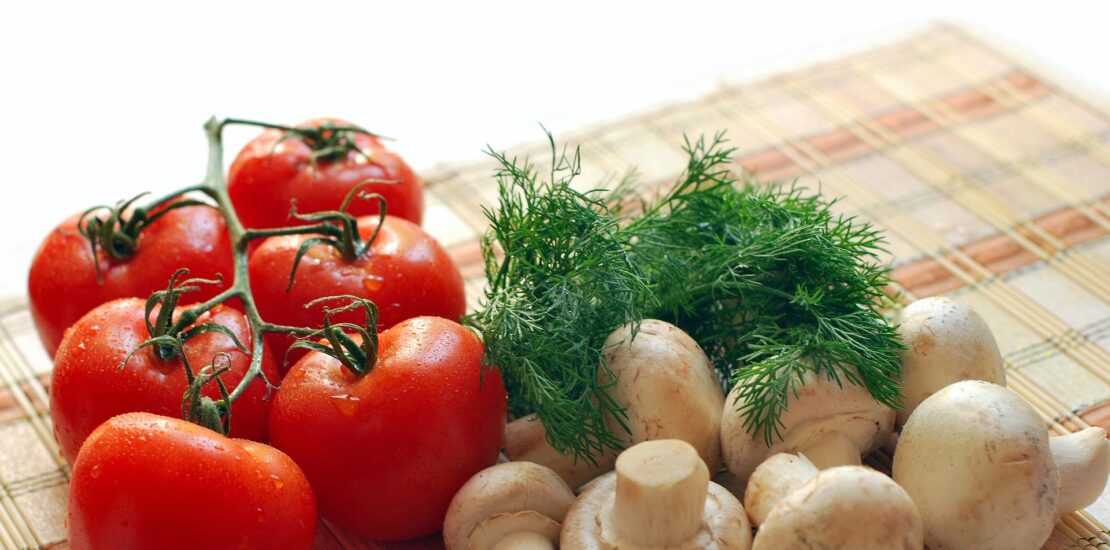
I feel like Japan is a place where there is just an amazing variety of mushrooms to eat.
You have the famous shiitake mushrooms, enoki mushrooms, and even shimeji mushrooms.
Mushrooms are great if you’re someone who is watching your calories but still wants to get a lot of nutrition from your food. They can provide B vitamins, minerals, fiber, and other beneficial nutrients.
Shiitake mushrooms are especially popular in Japanese cooking, and they’re so easy to throw into soups, hot pots, stir-fries, and rice dishes.
Last But Not Least…
Just to give you a few extra wonderful foods that I think you should consider adding to your diet, please consider:
– Broccoli Sprouts
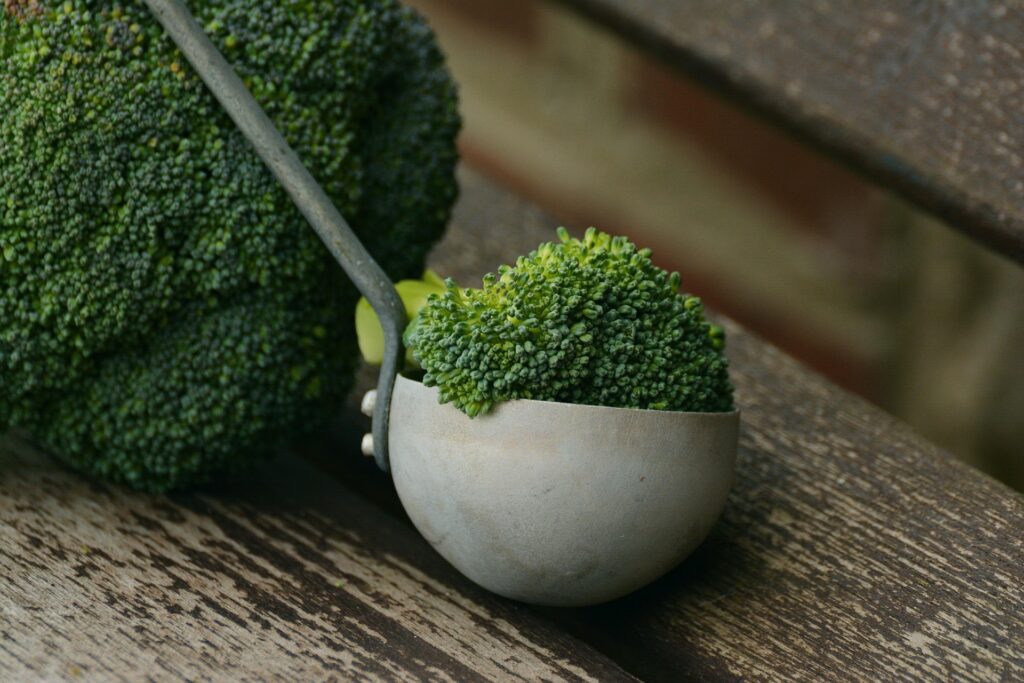
– Broccoli
-Harusame
-Mikans
-Umeboshi
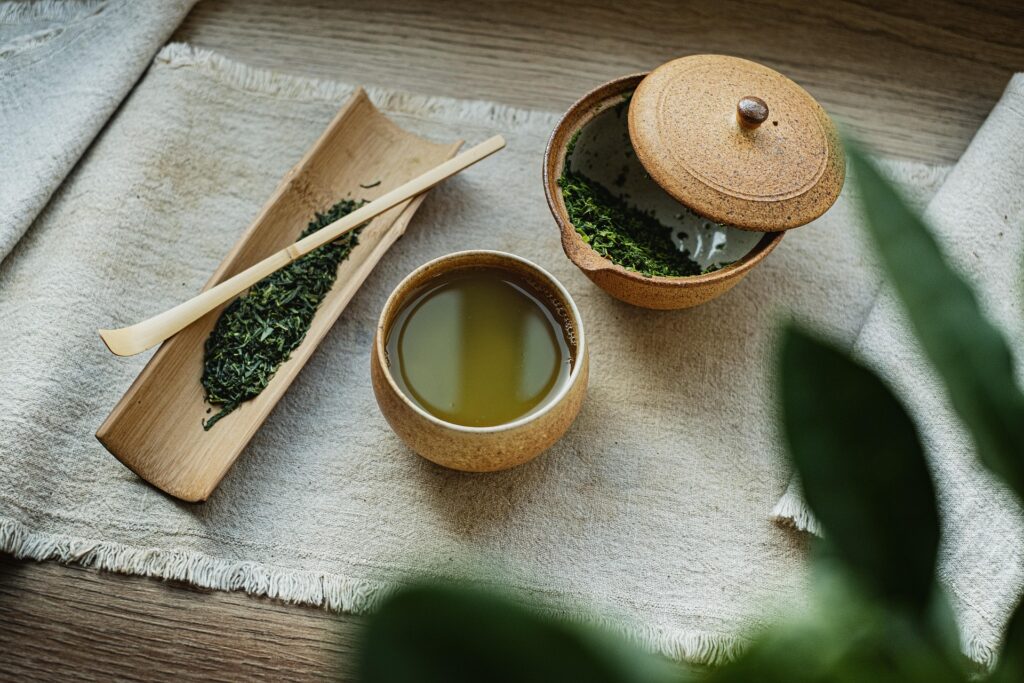
-(not a food but) Green tea
These are just a few of the healthy Japanese foods that you can easily find while living here.
Happy Healthy Eating!
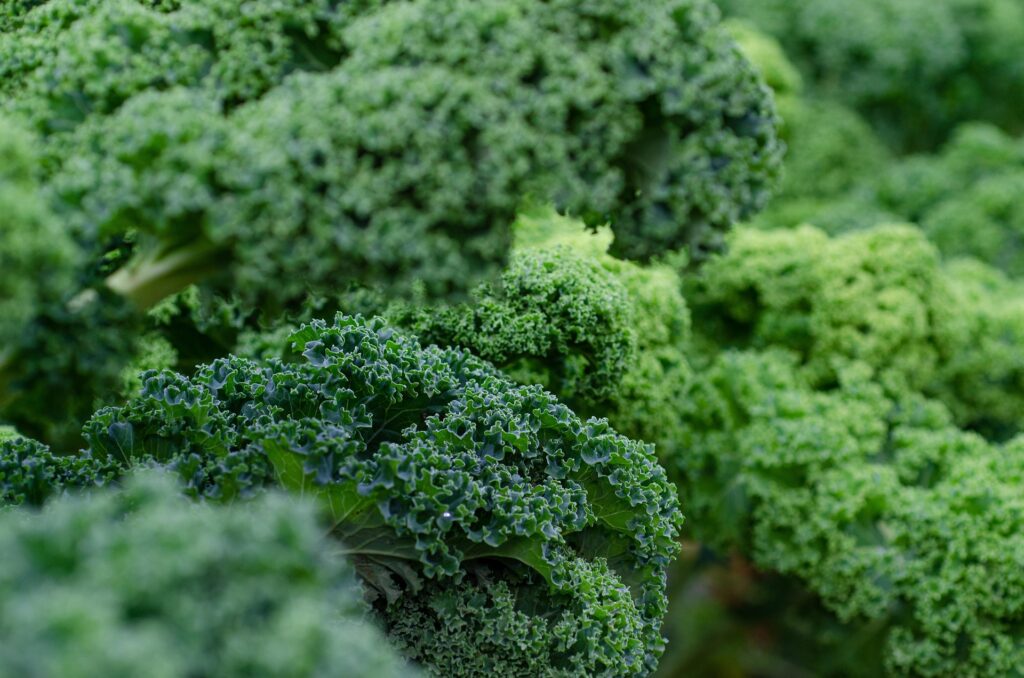
Somehow, I’ve been managing to eat healthier, and I feel like my switch in diet has been greatly aiding me and my goal to live forever. It’s about creating a balanced diet and finding foods that you actually enjoy eating~
Don’t forget to take your vitamins if you need them, stay hydrated, and continue working on your healthy diet.
I hope you can enjoy using some of the foods that I mentioned in this article to help you not only eat healthy in Japan, but also understand a bit more about the food you are putting into your body. 🙂
There are so many healthy foods in Japan that you may have never tried before, so don’t be afraid to walk through your local supermarket and pick up something new!
Until the next article, please stay happy, healthy, and excited to eat life in Japan!
Stay tuned for more exciting content like this! Follow us on our social media platforms and check out our blog regularly to stay updated on the latest news, trends, and insider stories from Japan. Don’t miss out on future updates — sign up for our newsletter for exclusive content delivered straight to your inbox!