How to Clean Your Air Conditioner in Japan and Avoid Smells, Leaks, and Landlord Trouble
It can literally save your life in summer. But if you let the air conditioner run constantly, it will become less efficient thanks to buildup of grime and dust. And mold, which requires professional help to get rid of. Read on to find out what to do.
Preventing Smells, Leaks, and Landlord Drama In Your Aircon
In a Tokyo apartment, the air conditioner (earcon is the Japanese pronunciation) isn’t a luxury — it is survival equipment. In summer, it lets you keep your body temperature below the outside air temperature. And in winter, it is often the only heat source in many Tokyo apartments.
The air conditioner works best when you treat it less like a magic box and more like a small machine that’s constantly inhaling dust, moisture, and whatever your household produces (cooking oils, pet hair, city pollen, the occasional mystery scent from last night’s yakiniku).
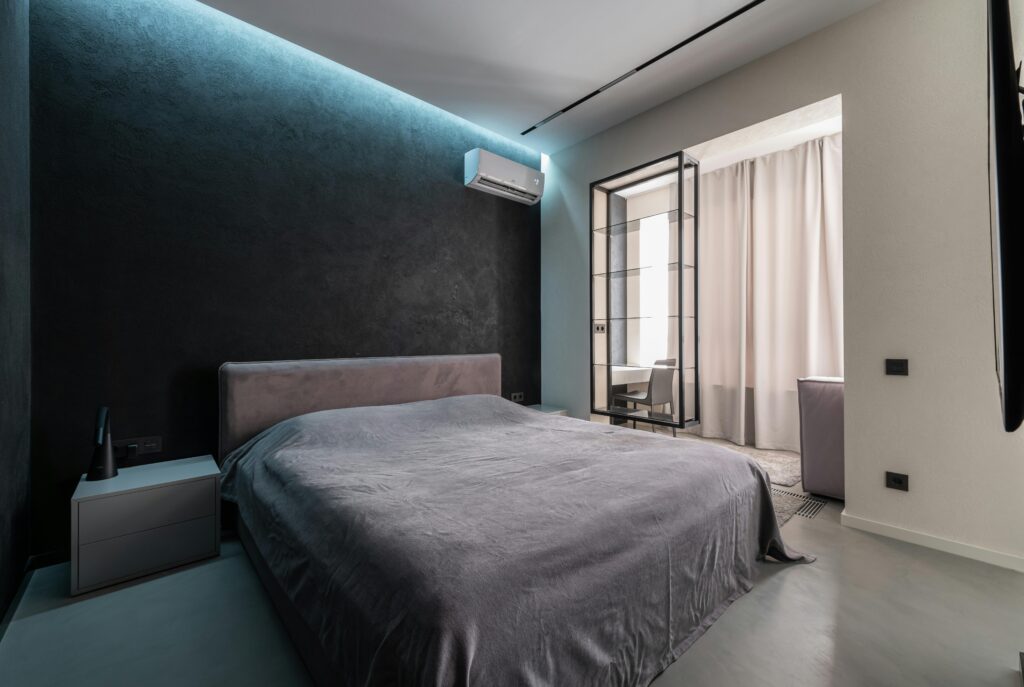
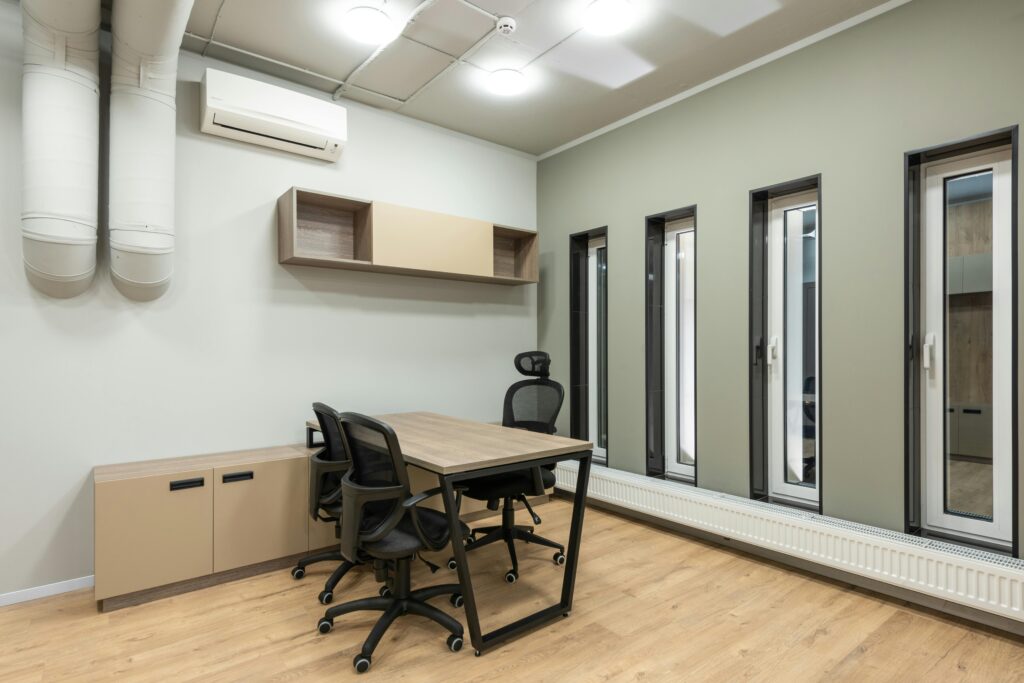
Having an air conditioner in the bedroom is crucial for a good nights sleep.
Most issues can be prevented, including “my A/C is weak / smells weird / is leaking”. With a bit of care for the filters and professional cleaning every year or so, you can keep it humming like clockwork.
First: when should you clean the air conditioner? And what should you do yourself?
Bad smell even after filter cleaning, there is likely internal dirt/mold on the coil or deeper components.
Visible black spots at the outlet mean there is likely mold, and a strong indicator that the inside is worse.
Water leakage is often linked to drain problems or internal buildup; Daikin flags drain hose clogging as a likely cause.
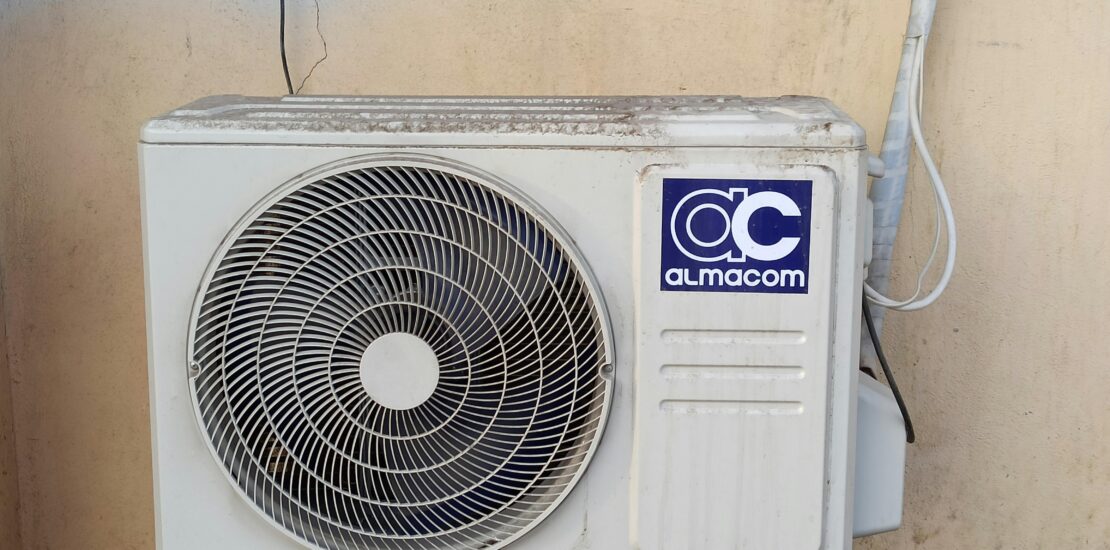
The outside part of the air conditioner is something you rarely have to touch.
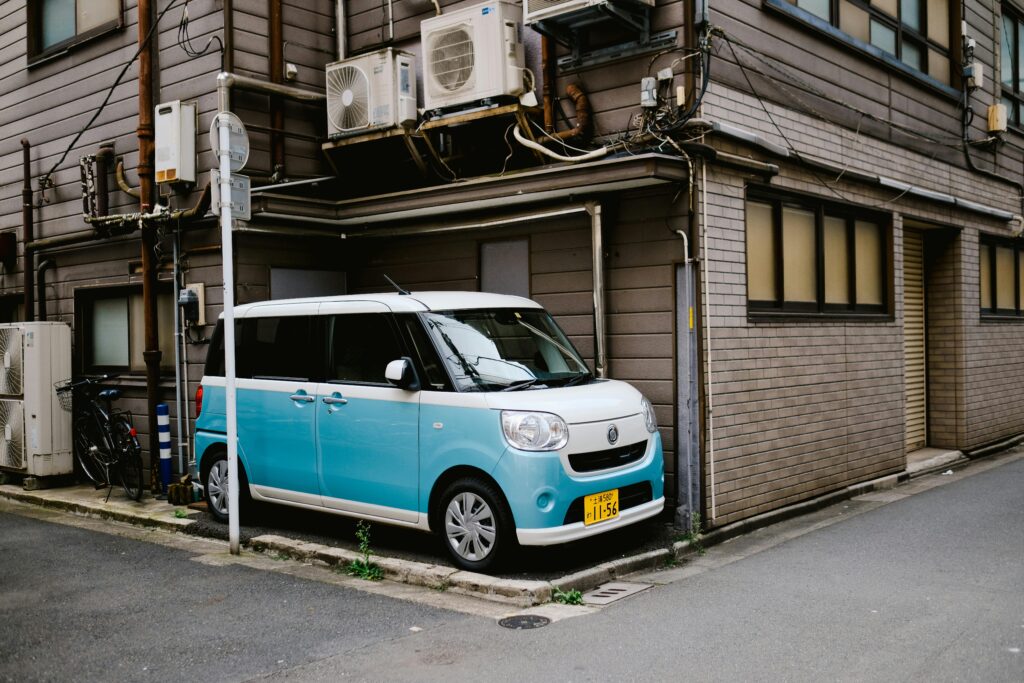
Even though the air conditioner actually has two parts, it is unlikely that you ever have to touch the outside unit. Just make sure nothing obstructs the airflow. And do not move the unit.
The unit is made to stand outside in the rain, so you can clean it with soap and water as long as the water does not get inside from underneath. Do not use strong detergents, however.
The outdoor unit will not be the issue. It is the indoor fan unit that will cause problems.
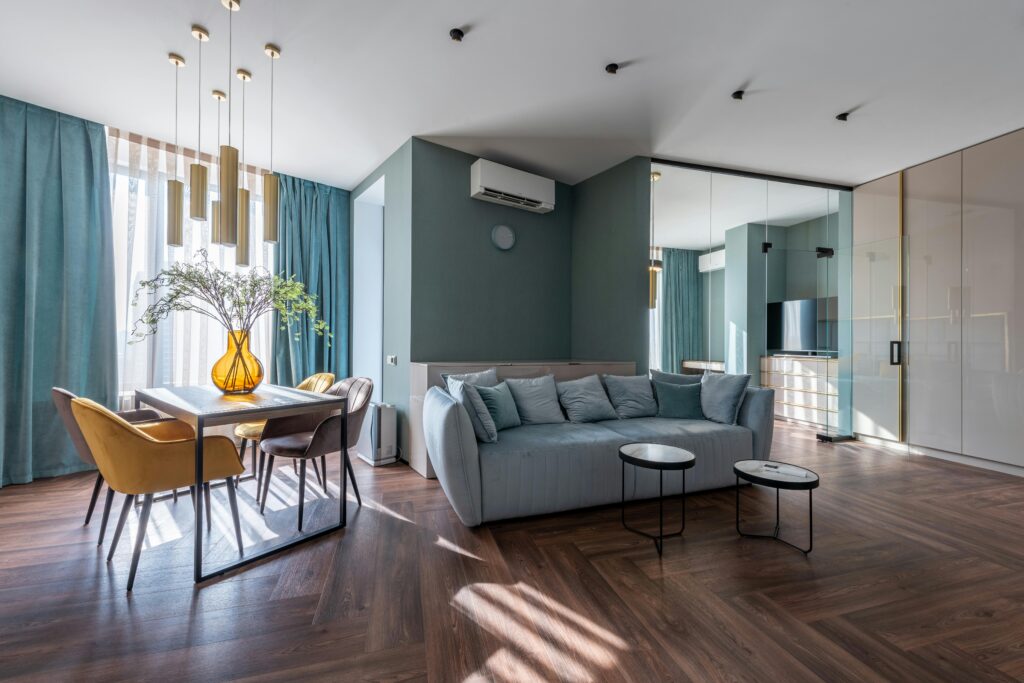
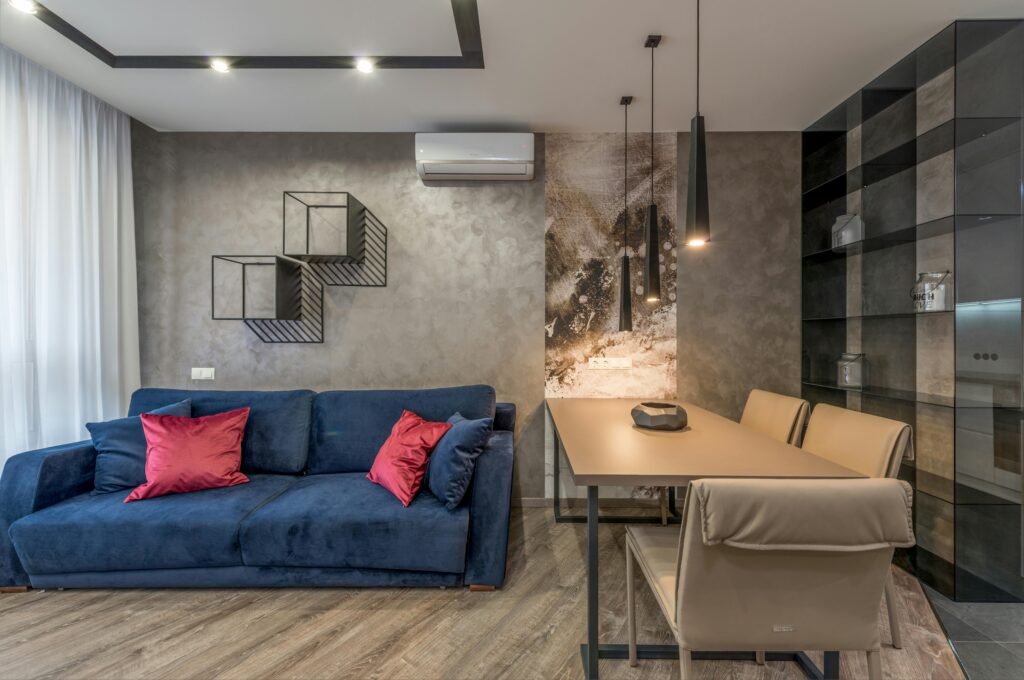
Having an air conditioner in the dining room increases the living comfort.
Start by considering when you use the A/C unit. It works by drawing in air at the top, past the cooling (or heating) elements, and blowing out the air through the vents at the bottom. This means all air that goes through the unit is drawn through the filter on top. You can easily remove those and remove the dust and grime that has collected there. The most effective way is simply to wash them in the sink or shower with tepid water (remove the lint first).
The maintenance starts with cleaning the filters of the indoor unit. As mentioned, this is easy (you may have to stand on a chair), and most manufacturers recommend that you clean the filters about once every two weeks.
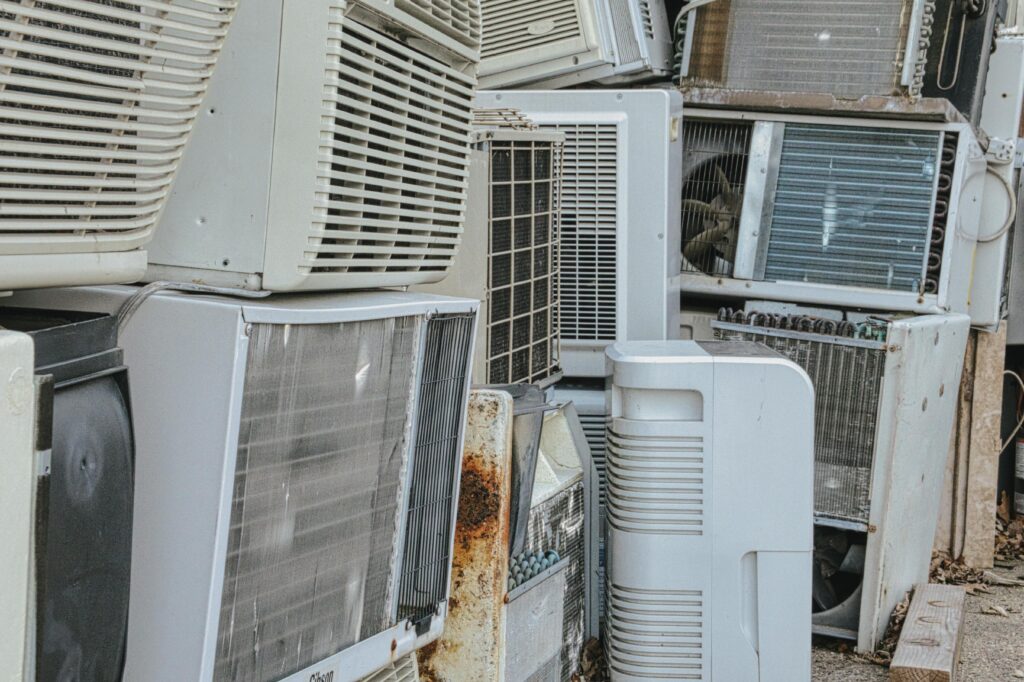
The outdoor unit only requires occasional maintenance.
This matters because blocked filters reduce airflow and efficiency, can worsen odors, and may push the system harder than it needs to, raising electricity costs. Dirty filters are directly linked to reduced efficiency and extra energy use.
What You Can Clean Yourself and How Often to Do It
How to do it on a typical wall-mounted unit:
Turn the A/C off.
Open the front panel, remove the filters (which may sit on the top of the unit).
Vacuum away dust, then rinse the filters gently with water if needed; dry fully before reinstalling.
Wipe the front panel and visible vents with a soft cloth.
It is easy to think your air conditioner takes care of itself if it has an ”auto filter cleaning” setting. The Hitachi air conditioner that freezes the heat exchange unit may sound like it cleans itself in the manufacturer’s materials, but you still have to clean the filters.
Make sure the air conditioner is cleaned as soon as the filters are clogged.
If the unit has a drying setting, run it to minimize mold. But this does not remove any mold that has already grown. That is where you need professional cleaning.
When you clean your A/C, do not use spray cleaners. Best case, they do nothing; worst case, they may make the dirt come loose inside and run down the wall below the unit.
When to Book Professional Aircon Cleaning in Japan
Never try to take the unit apart yourself. You risk ending up with something you can not put back together, and no cleaner for your trouble.
When to Book Professional Aircon Cleaning in Japan
Never try to take the unit apart yourself. You risk ending up with something you can not put back together, and no cleaner for your trouble.
Air conditioner units are rarely replaced, and require special care due to the internal chemicals.
And that is where you need a professional to clean it. There is no lack of help in this regard in Tokyo, but the time is right to minimize the wait time (and the price).
Before the heavy use season (late spring through early summer, and early autumn before heating season) is the smart time for deep cleaning. Daikin, one of the big manufacturers, explicitly notes that spring to early summer and early autumn to late autumn tend to be “off-season” for cleaning demand, and some providers may be cheaper then.
Conversely, do only light DIY maintenance during peak season (mid-summer / mid-winter). Unless, of course, something is wrong. Booking professionals at that time to do the service becomes harder, and delays get longer.
Air conditioner maintenance is a specialized Tokyo industry.
In Tokyo, A/C cleaning is a major service industry. The standard professional method for wall-mounted units is partial disassembly + protective “bagging” + high-pressure washing of internal parts (especially the heat exchanger).
When the season comes, you will find advertisements for air conditioning cleaning almost anywhere. The big electronics stores and cleaning firms are usually the easiest to book, but this varies as the prices vary by region, unit type, access difficulty, and season. The broad pattern is consistent:
Outdoor unit add-on: commonly a few thousand yen extra (provider-dependent).
The cleaning usually takes one to two hours, and starts with the cleaning person covering the unit in plastic to avoid any dirt getting out.
Landlord survival rule
Remember the Tokyo tenant survival rule:
If it’s landlord-provided, don’t book repairs or internal disassembly without permission. Report the symptom (smell/leak/weak cooling), ask whether they prefer their vendor, and keep a written record. If you are lucky enough to own a condominium or rent a house, the air conditioner is part of what you have to bring.
Two realities can exist at the same time:
If a built-in A/C breaks through normal use, the landlord often pays for repair/replacement. A major Japanese real-estate firm (Mitsui Rehouse) states that if a landlord-provided A/C breaks, the owner generally bears the cost, but warns that unauthorized repairs can end up making the tenant responsible.
Cleaning and “condition maintenance” can be treated differently from “repair.” Some contracts include cleaning clauses, and Japan’s MLIT guidance on restoration disputes discusses that “cleaning” cost responsibility can be defined by special clauses and varies by case.
Simply stick with the maintenance plan (after checking with the landlord):
Every 2 weeks (summer/winter): filter clean (vacuum/rinse).
Monthly-ish: wipe visible vents/panel, keep the area dust-free.
Once a year (best in late spring): professional internal cleaning, especially if you notice odor or visible mold.
Once a year: outdoor unit “breathing space” check + gentle exterior clean.
Stay tuned for more exciting content like this! Follow us on our social media platforms and check out our blog regularly to stay updated on the latest news, trends, and insider stories from Japan. Don’t miss out on future updates — sign up for our newsletter for exclusive content delivered straight to your inbox!
Wisterian Watertree
Wisterian Watertree has been living in Tokyo and other Japanese cities for
the past 20 years, helping visitors get the best of Japan. He is the author of two
books, ”Take Your Toddlers To Tokyo” and ”Driving In Japan”, with more on the
way. You can read more on his website Japan Top 10, https://japan-top-10.com.