Tokyo Rainy Season Survival Guide: How to Prepare for Tsuyu in Japan in 2026
It never stops. Day out, day in. Keeps falling for weeks on end. No wonder it is known as the rainy season. Or that the Tokyo fashionistas have turned their rubber boots to fashion items. Read on to find out more.
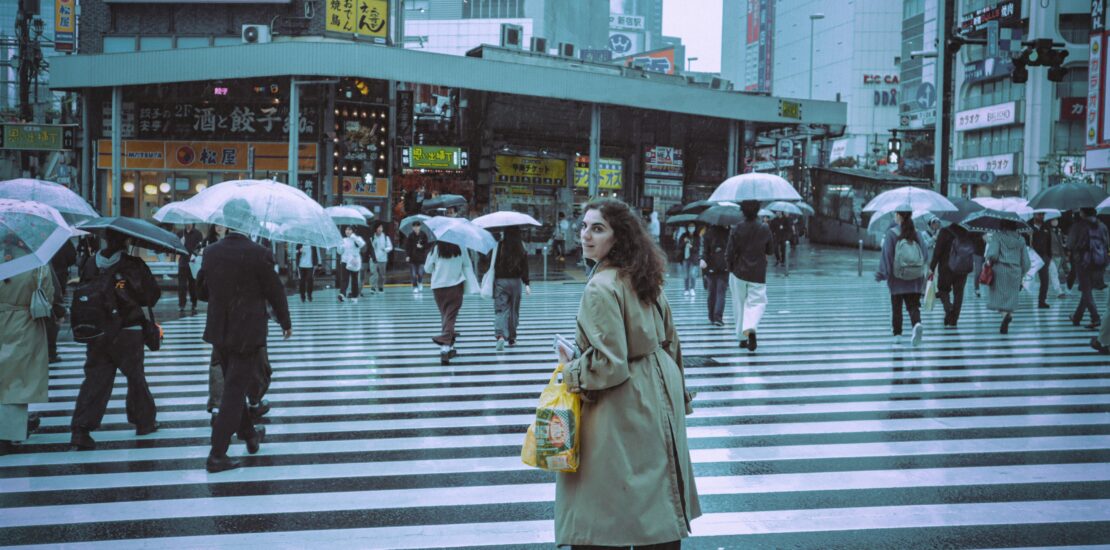
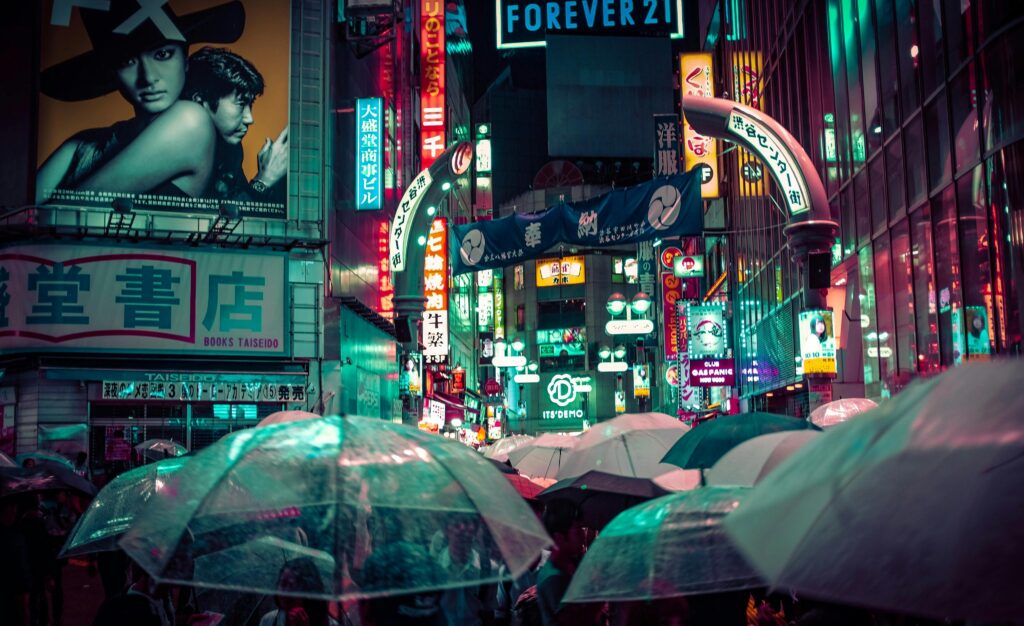
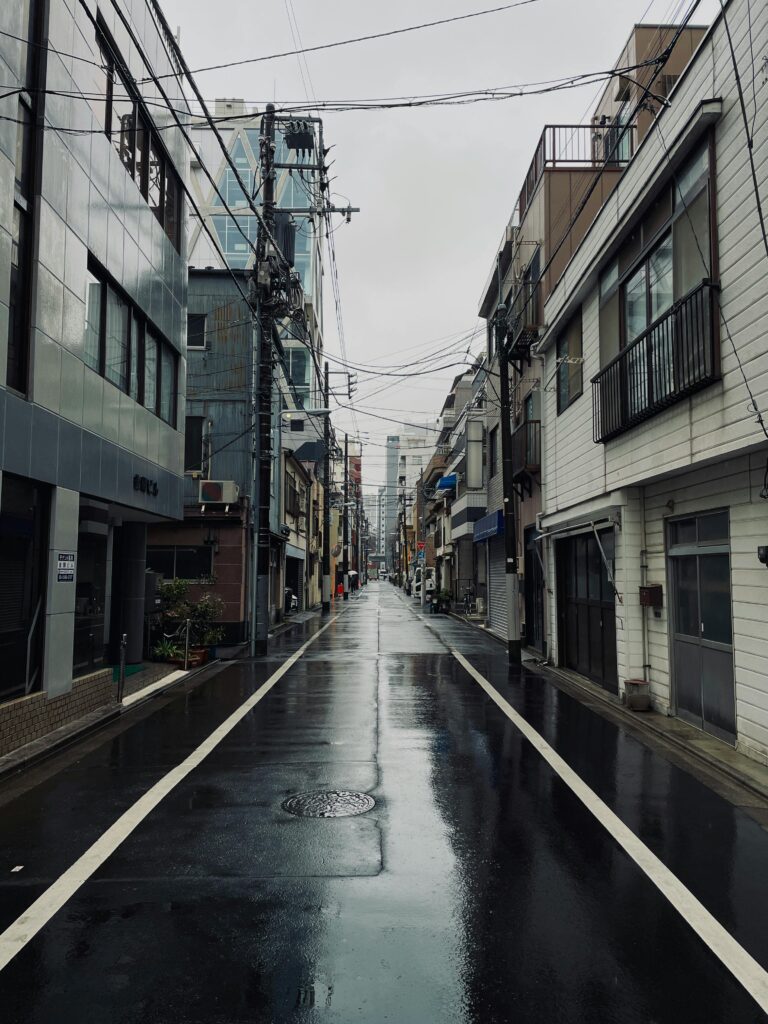
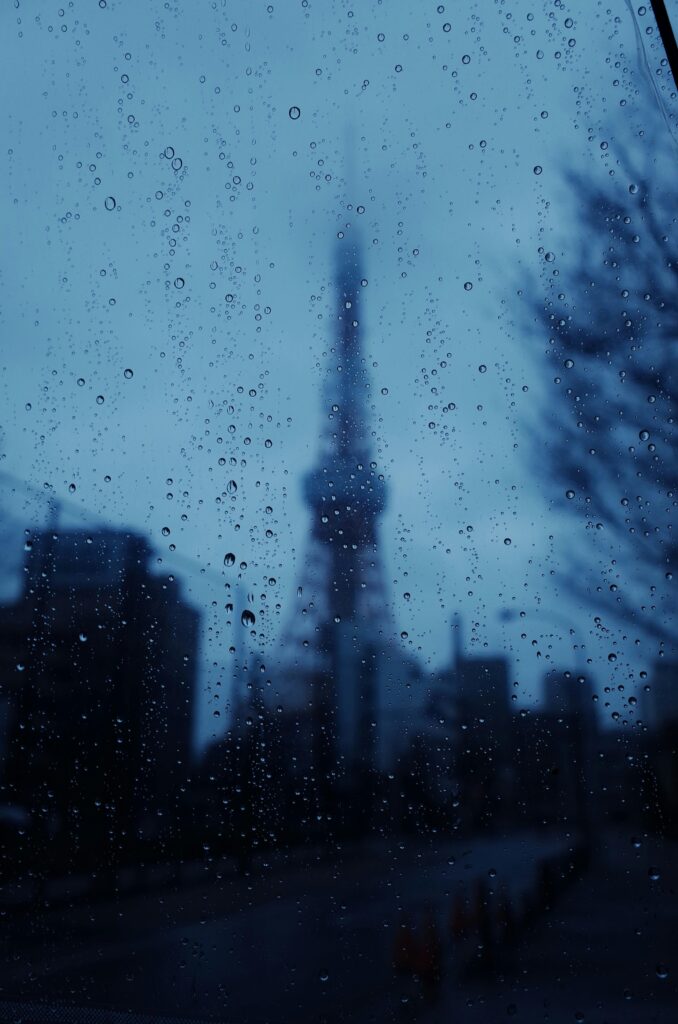
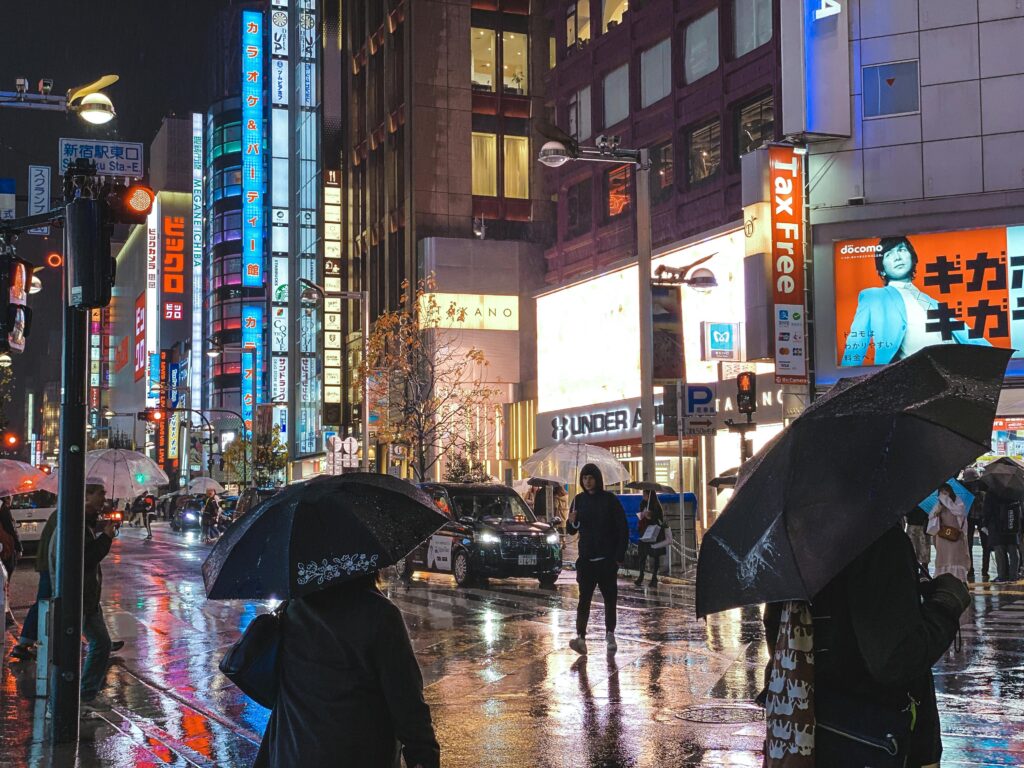
The rainy season makes umbrellas a daily necessity.
Tokyo’s rainy season (tsuyu) is less “constant downpour” and more a long stretch of high humidity, sudden heavy showers, and wet everything — including your laundry, your shoes, and your patience.
All of Japan, except Okinawa and most years Hokkaido, have five seasons. The rainy season is sandwiched between spring and summer. For the Kanto region (Tokyo included), the Japan Meteorological Agency’s long-term averages put tsuyu roughly early June to around late July (it varies year to year).
Here’s how to prepare for weeks of rain without pause in a way that actually matches Tokyo life.
Dress for humidity
It may rain outside but you are snug inside. Right? Not for long. After about three days of rain, the moisture starts to seep into everything. The risk of mold is high, especially in items that see a lot of moisture – like your futons.
What to Wear and Carry During Tsuyu
Dressing right means much easier tsuyu survival. If you wear the wrong fabrics, you’ll feel damp even when you’re technically dry. Here is what to wear:
● Quick-dry layers (synthetic blends, technical shirts) beat heavy cotton. Cotton gets wet and stays wet, especially in humid Kanto climate.
● A light, packable rain shell is better than a thick coat. You want ventilation more than insulation.
● A compact towel/handkerchief is not optional in Japan. It’s part of the culture, and in rainy season it becomes a life tool.
Pro Tokyo move: Keep a spare top or shirt at work if you commute far. Even if rain stops, humidity doesn’t. And your fellow passengers will be as wet as you.
The humidity stays around even when the rain has stopped.
Waterproof shoes are crucial. Walking in puddles wet your feet if you wear too low shoes. In Tokyo, rubber boots (lovingly crafted by hand) have turned into somewhat unexpected fashion accessories. Tokyo puddles are sneaky because drainage varies block to block.
● Waterproof sneakers or rain shoes are the commuter sweet spot—more stable than rubber boots, less “clomp” on trains.
● If you do wear rain boots, choose a pair you can walk in for 20–30 minutes without regret. Tokyo’s “station transfer” distances can be longer than they look.
● If you are going to stay in an office for the entire day, make sure to have indoor shoes handy. Walking a whole day in rubber boots is not healthy.
● Pack spare socks in your bag. Dry socks can save your entire day. And take more than one pair.
Traffic splash risk: The most common “how did I get drenched?” moment is a car sending a wave of water onto the sidewalk. Tokyo roads can have deep curbside puddles after cloudbursts.
What to do if you’re splashed:
1. Step away from the curb and check for slippery footing.
2. If your clothes are soaked, use the nearest restroom to blot-dry and change socks if needed.
3. If you’re heading into an office, many buildings have hand dryers or paper towels—don’t be shy.
Edo-era umbrella etiquette
In the Edo era, when umbrellas were stiff affairs made from bamboo slats and lacquered paper, there was an entire etiquette determining who should tip their umbrellas how much when two people met in the street. Today, things are much looser, but it is still good manners to tip your umbrella a little to the side, giving room to the person you are meeting.
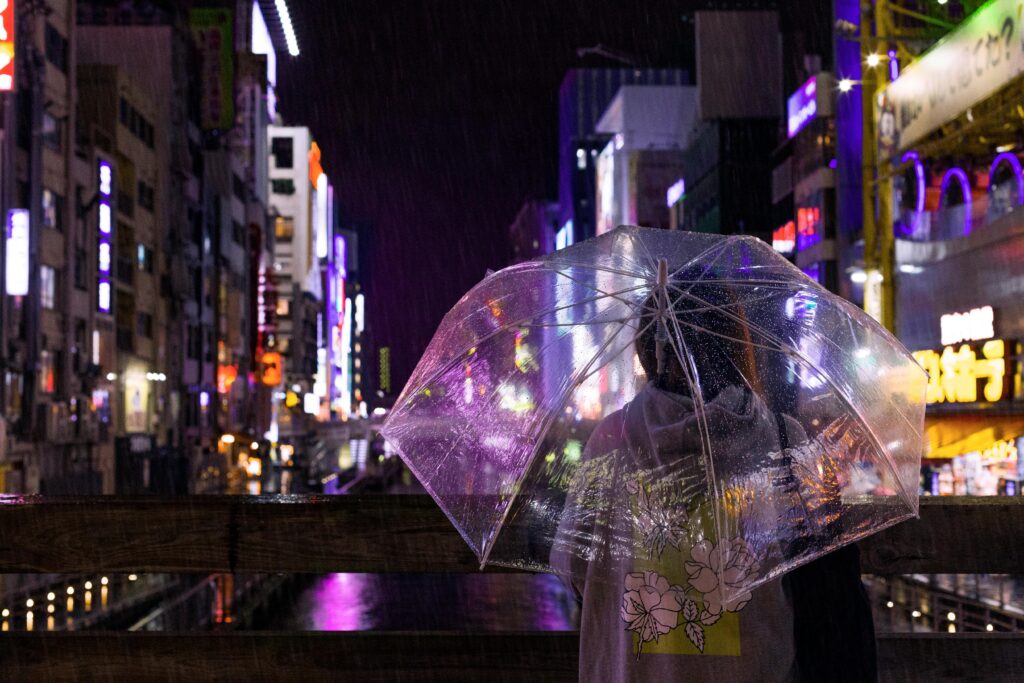
Be careful with your umbrella, it might drip water on others.
In Tokyo, you can always buy a new umbrella in the convenience store if yours suddenly goes missing. At the train stations of some private lines, there are also boxes of umbrellas that people have forgot on the trains, and that are free to take. .
● A normal umbrella works, but rainy season rewards small upgrades:
● A sturdy umbrella helps when wind-driven rain shows up (often around typhoons, which overlap seasonally).
● A folding umbrella lives in your bag always.
● Use umbrella bags at store entrances (to avoid the water from the umbrella running off into the clothes of another person) and keep an eye out for umbrella racks.
Don’t wait for the flood
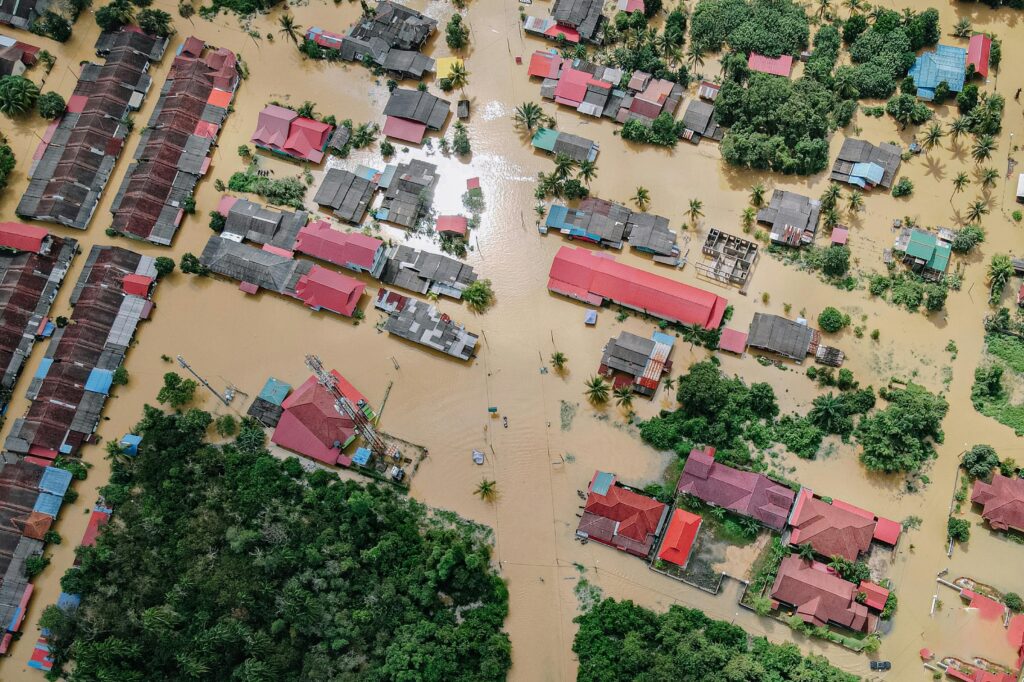
Flooding in Tokyo is not theoretical. It’s managed risk. The entire city (and the surrounding areas) have magnificent water management systems, intended to keep Tokyo dry.
Some areas in the Tokyo surroundings have been flooded in recent years.
But that also means some areas can see high water levels even if they have not seen that much rain. The key is knowing whether your home sits in a flood-prone zone and what “flood-prone” means (depth, duration, evacuation timing).
Tokyo provides multilingual guidance on flood hazard maps and links to municipal maps across Tokyo. These maps typically show expected inundation depth and how long water may remain. And where and by which routes you should evacuate.
If you are living in Tokyo, you need to check whether your area could be flooded.
Tokyo also encourages residents to use hazard maps to “stockpile information” and plan evacuation actions in advance (including tools like “Tokyo My Timeline”).
What to do now (before the rain):
You can not always go out during the rainy season, you need to maintain a stockpile at home.
● Look up your ward/city flood hazard map (many wards provide English PDFs, some provide Japanese only).
● Identify:
○ your building’s elevation risk
○ nearest safe evacuation site
○ whether your route to the station goes through low points
A ward-level example (Meguro) shows how specific these can be: its flood risk map includes predicted depths for storm surge flooding affecting the Meguro River area under assumptions in Japan’s Flood Control Act framework.
You can not always go out during the rainy season, you need to maintain a stockpile at home.
Here is some home preparation advice if you’re in a risk zone:
● Keep valuables and documents off the floor (use shelves).
● Store a small emergency kit where you can grab it quickly.
● If you live on the ground floor, consider raising electronics (power strips, routers) above likely waterline.
Tokyo’s own disaster prevention guidebook is blunt: the city faces threats including typhoons and flooding and stresses preparedness and information tools.
How to Prepare Your Home for Flooding and Leaks
If you live in a rented apartment, keeping your ass covered is at least as important as making sure the leak goes away. Your priority is preventing secondary damage and creating a clear record.
1. Protect the area immediately: buckets, towels, move furniture, unplug electric devices if water is near outlets.
2. Document everything: photos/videos with timestamps, especially the source point, spreading pattern, and any damage to belongings.
3. Contact building management/landlord immediately (phone + written message). Many landlords/management firms want to arrange the repair vendor themselves—especially if the A/C, plumbing, roof membrane, tatami mat, or exterior wall could be involved.
4. Do not authorize major repair work yourself without permission unless there is an urgent safety risk.
Japan’s MLIT “restoration to original condition” guideline materials exist precisely because damage responsibility can become contentious; “who pays” often depends on whether damage is normal wear vs. tenant-caused negligence vs. building defect.
The rain does not get inside, but the dampness does.
Large rental operators explicitly state they handle restoration/repairs according to the MLIT guidelines and separate landlord vs. tenant responsibility depending on cause.
Complain as soon as you notice a leak (even a small one). If you delay and the damage worsens (mold, warped floors), you risk getting dragged into arguments about “failure to mitigate.”
If you own a condominium (bunso/manshon) and the roof starts leaking, you have two channels:
● your unit (interior) responsibility
● building management association (common areas, roof, exterior walls, shared pipes)
Document everything and then contact the kanri kumiai (management association) or management company. Water issues often involve common-area waterproofing or shared drainage.
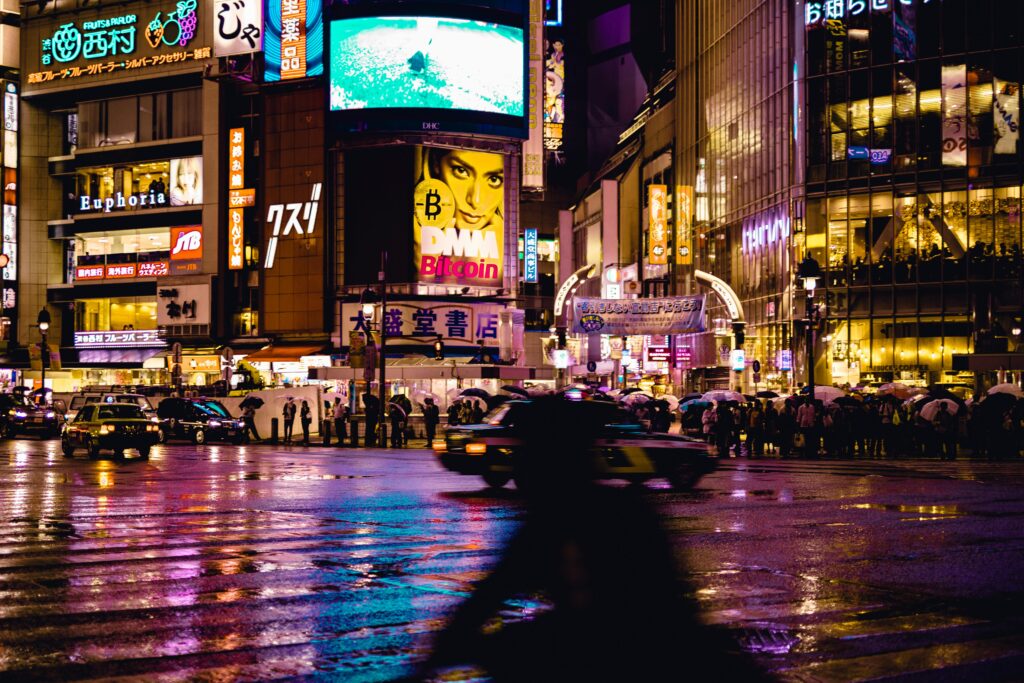
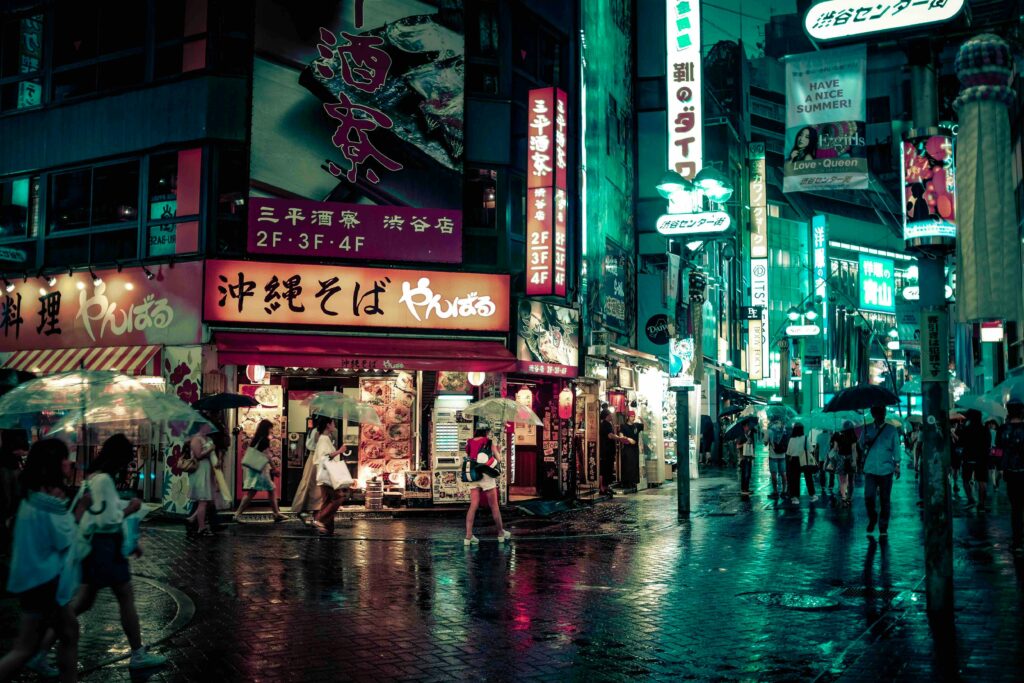
Rain in Tokyo may turn your visit to something different than expected.
If you own a house, the first thing is to stop the spread. Then document everything, although here it is for insurance and repair purposes.
Once that is done, you can start the next series of actions.
● identify whether the leak is coming from the roof, gutters, exterior wall, or plumbing
● call a reputable contractor (and avoid “panic sign-ups” during storms)
Insurance and Safety Tips for Rainy Season in Japan
Make sure to select the right insurance options.
Even if you are in a rental apartment, you will want to get insurance. Most residents start with “fire insurance,” but in Japan, water-related natural disaster coverage is often an optional add-on to basic fire insurance, and that tsunami-related damage is not part of “water disaster” coverage when it’s earthquake-driven.
Earthquake or tsunami-related losses require earthquake insurance, which is also attached to fire insurance. However, you need to explicitly choose the right options.
Rainy-season-relevant insurance coverage checklist:
● Water disaster / flood add-on (especially for ground-floor or lowland areas)
● Personal liability (if you cause water damage to another unit)
● Contents coverage appropriate to your household.
Stay tuned for more exciting content like this! Follow us on our social media platforms and check out our blog regularly to stay updated on the latest news, trends, and insider stories from Japan. Don’t miss out on future updates. Sign up for our newsletter for exclusive content delivered straight to your inbox!
Wisterian Watertree
Wisterian Watertree has been living in Tokyo and other Japanese cities for
the past 20 years, helping visitors get the best of Japan. He is the author of two
books, ”Take Your Toddlers To Tokyo” and ”Driving In Japan”, with more on the
way. You can read more on his website Japan Top 10, https://japan-top-10.com.