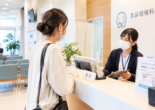
Getting medical help in Japan can feel confusing for foreigners. Here is what to know about hospitals, clinics, ambulances, insurance, and emergency care.
Japan is often considered one of the most hygienic countries in the world. Even the apes are bathing! And the food quality – and hygiene – are lightyears above anywhere else. However, this does not mean the country is bug-free. Influenza epidemies are a constant feature of early winter, as bugs borne by children going to school mutate and become more contagious. Even if almost the entire Japanese population is vaccinated against Covid, this does not affect the flu virus. And like anywhere, accidents happen. If you have small children, you are even more likely to need a doctor when the child suddenly develops a fever, or gets spots in unexpected places.
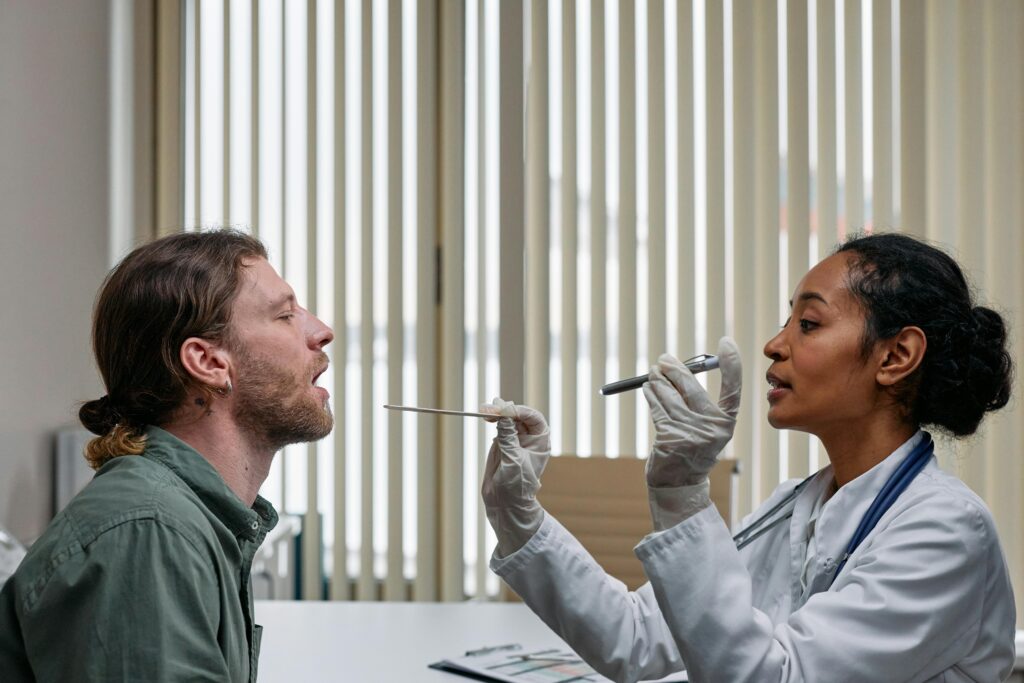
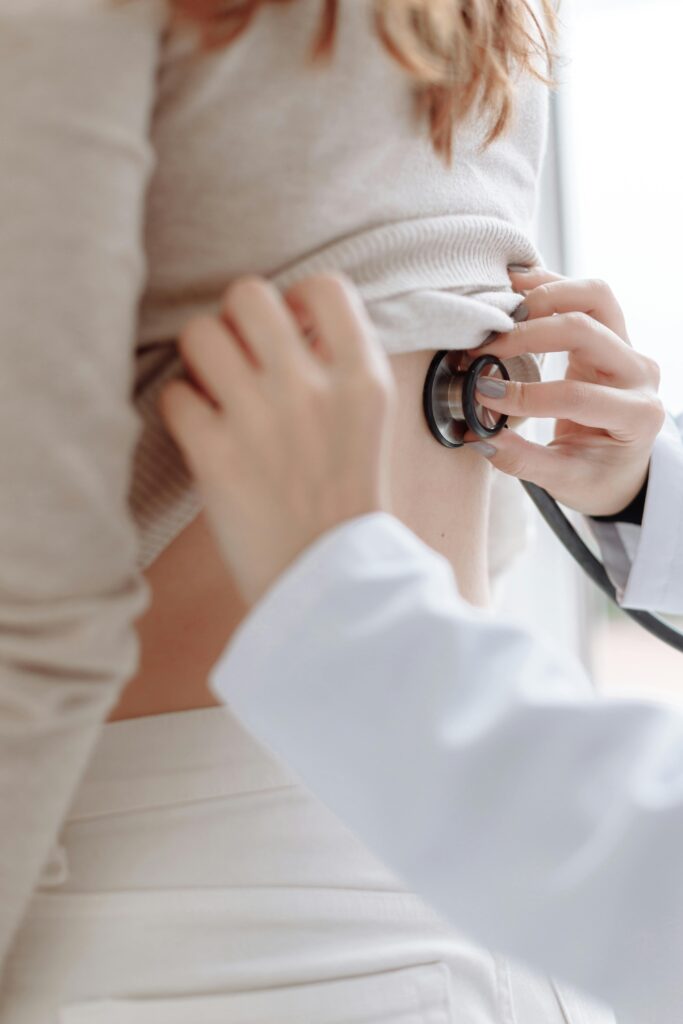
Doctors will use the same methods to diagnose patients in Japan as anywhere else.
The best choice is to go to one of the bigger hospitals. In Japan, clinics are typically run by individual doctors serving their neighborhood, but they are highly specialized. One doctor specializes in gastroenterology, another in dermatology. The ENT clinic can not help you with ophthalmological problems. The Japanese make lists of which doctors serve their neighborhood, compare notes and keep tabs. The sharing of patient data is strictly regulated, and most local clinics only keep paper journals anyway. These include a pre-visit screening that patients have to fill in, which is completely in Japanese. Very few doctors, even in Tokyo, are confident to take patients who do not speak Japanese. Their English is surprisingly bad, considering that as specialists, they are required to submit articles to international medical journals at least every few years.
Go to a big hospital
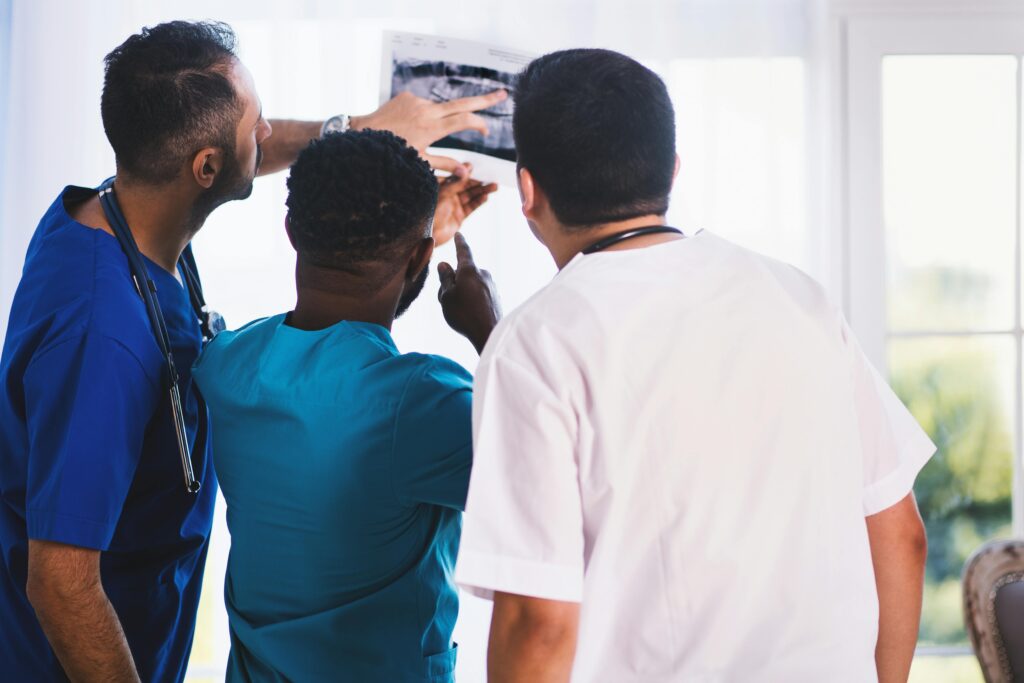
When you are in Tokyo, your best bet is to go to one of the big hospitals. There are several internationally renowned hospitals, like S:t Lukes, the Red Cross hospital, and the National Center for Infectous Diseases. All of them are full-service hospitals, and if you walk in during office hours, they will find a doctor for you. They typically have specialized departments, and the most modern equipment to diagnose patients.
You may want to consider before going to the doctor.
If you suddenly fall sick and need to go to the doctor when you are in Japan, you may want to consider one more time before you actually go for an appointment. Not because of any medical complications, but because it is an enormous administrative hassle to see the doctor if you have a foregin insurance (which, to Japanese hospitals, is like you do not have any insurance at all).
That said, there are a few cases when you should not hesitate to go to a doctor. Major bleeding or burns is one. High fever for several days is another. Crippling stomach pain, at least if you have not had an appendectomy, is another.
Breathing problems can be lethal
Suddenly slurred speech, problems to move limbs, and vision problems may also be reason to see a doctor. But the most threatening condition is if you suddenly develop breathing problems. It may – considering that you have made a trip where you were sitting still for more than ten hours in many cases – be deep vein trombosis, also known as economy class syndrome. This is a condition where the immobility during flight combines with other factors, like stress and dehydration, to generate blood clots in your legs.
Economy class syndrome” can be hard to diagnose.
That may not sound so bad, but these blood clots break lose and get transported around the body until they get stuck in a more narrow blood vessel. These are typically found in places in your body where the blood is filtered out for nutrients, like the kidneys, the liver, the brain and the lungs.
While a temporary stop of the blood flow in the kidneys or the liver is immediately life-threatening, a blood clot in the brain can be. And blood clots in the lungs can cause them not to take up enough oxygen, which will threaten your entire body. When they do not get enough oxygen, major organs will shut down, which can be fatal.
Call an ambulance
If you have any of those problems and they happen outside of office hours, you may want to call an ambulance. Japan has different numbers for the different emergency services, so to get an ambulance you call 119.
Consider that the ambulance may get stuck in traffic. Try to prepare as much information as you can before the emergency services arrive. That includes vaccination records for children, any prior medical conditions that may be relevant, and any medications that you are regularly taking.
The ambulance paramedics will make a preliminary diagnosis.
When the ambulance comes, you may be surprised that they will take care of the patient, give them whatever care is possible in the ambulance – but then just sit there for several minutes, maybe as long as half an hour. This is because the medics have to find a place in a hospital, so they will know where to go. It also means they will be performing initial diagnostics, and in case specialist care is needed, find a hospital with a department for that specialization that has open beds. Depending on what kind of condition we are talking about, it can be quite a trip.
Make sure to be insured
Before you leave for Japan, you need to make sure you have proper insurance. That means one that includes medical care in the country you will visit. There are many types of insurance you can get, and in many countries your credit card or home insurance will have medical travel insurance built in. But be careful to read the details. It may only include some kind of (simpler) treatments, and require you to pay a fairly high deductible. An additional insurance may seem like an unnecessary expense, especially if you are young and healthy; but it is precisely in those circumstances that you do not want to have to do a hefty payment that may worsen your future credit score and that may take several years to get rid of.
In Japan, everyone except children, unemployed, and the elderly is covered by insurance. This is private insurance, but the content is the same for everyone. Those not covered will be paid for by the government. But only if they are citizens (or permanent residents). The assumption is, or was, that everyone would be employed (or covered by unemployment insurance). Family members would be part of the insurance of the main breadwinner.
Pay for care at the clinic
That Japanese have their health care paid for by the insurance explains the (probably) exorbitant amount you have to pay at the doctors reception desk, when they present you with the bill (and you have not even got your medicine yet). The intention is that you should pay (probably using a credit card) at the doctors office, and then claim back the amount from the travel insurance. This can be a quite ardous process, and is something you should consider when choosing a travel insurance provider. It may be easier if the insurance provider is one which you already have a relationship with, such as your home insurance provider.
Stay tuned for more exciting content like this! Follow us on our social media platforms and check out our blog regularly to stay updated on the latest news, trends, and insider stories from Japan. Don’t miss out on future updates. Sign up for our newsletter for exclusive content delivered straight to your inbox!
Wisterian Watertree
Wisterian Watertree has been living in Tokyo and other Japanese cities for
the past 20 years, helping visitors get the best of Japan. He is the author of two
books, ”Take Your Toddlers To Tokyo” and ”Driving In Japan”, with more on the
way. You can read more on his website Japan Top 10, https://japan-top-10.com.