
Explore the Tateyama Kurobe Alpine Route in autumn, from breathtaking Murodo scenery and colorful foliage to Kurobedaira and Japan’s tallest dam.

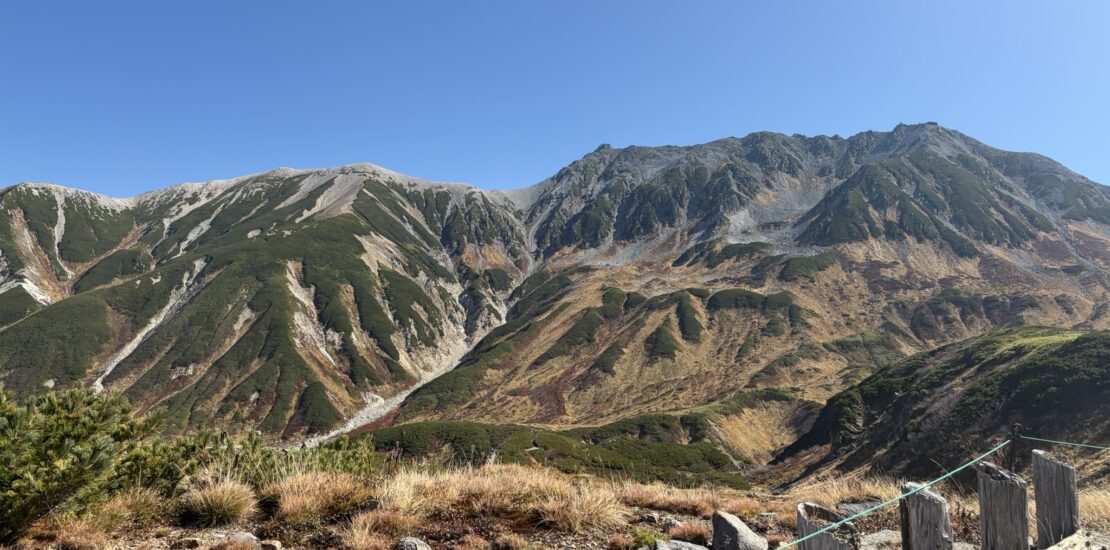
Explore the Tateyama Kurobe Alpine Route in autumn, from breathtaking Murodo scenery and colorful foliage to Kurobedaira and Japan’s tallest dam.
Japan is a country filled with beautiful natural scenery, from its majestic mountains to its peaceful lakes and breathtaking landscapes and while there are plenty of popular destinations to explore, one place that had been on my travel list for quite some time was the Tateyama Kurobe Alpine Route.
Located in the Northern Japan Alps, stretching between Toyama and Nagano Prefectures, the Tateyama Kurobe Alpine Route is one of Japan’s most scenic mountain sightseeing routes. Known for its spectacular alpine scenery, unique transportation systems, and impressive mountain views, it is a destination that attracts visitors from around the world.
My husband and I recently had the opportunity to visit this beautiful destination during autumn, and I must say that the experience was absolutely breathtaking! With the changing colors of the leaves, magnificent mountain landscapes, and beautiful autumn scenery everywhere we looked, it was definitely one of the most memorable nature trips we’ve experienced in Japan.
If you’re planning to visit the Tateyama Kurobe Alpine Route, I highly recommend booking an organized tour, especially if you’re traveling from Tokyo.
Unlike other tourist destinations in Japan, the Alpine Route involves several transportation transfers, including cable cars, buses, and a ropeway. While it’s certainly possible to explore the route independently, organizing the transportation and securing tickets can be a little overwhelming, particularly for first-time visitors.
In our case, we booked an online tour with the same tour organizer we had previously used for our trip to Kamikochi.
The tour cost approximately ¥32,000 per person, which I thought was quite reasonable considering the transportation arrangements and the convenience of having everything organized for us. Our meeting point was at Shibuya Station’s Hachiko Exit at midnight. There were two groups of approximately 40 travelers, and we traveled in privately arranged vehicles with our tour guides and drivers.
Since the trip from Tokyo to Toyama takes several hours, we spent most of the night traveling. Fortunately, there were a few restroom breaks along the way, making the long journey a little more comfortable.
We arrived in Toyama at approximately 6:00 a.m. Before heading to Tateyama Station, we stopped at a convenience store to grab something to eat and prepare for the day ahead.
Afterward, we continued to Tateyama Station, where our Alpine Route adventure officially began.
One thing I appreciated about joining an organized tour was that our guides had already arranged the necessary transportation tickets. We didn’t have to worry about figuring out where to purchase tickets or which transportation to take next. Considering how many transfers are involved in exploring the Alpine Route, this made the experience much more convenient. From Tateyama Station, we boarded the Tateyama Cable Car to Bijodaira and then continued by bus toward Murodo, one of the main highlights of the Alpine Route.
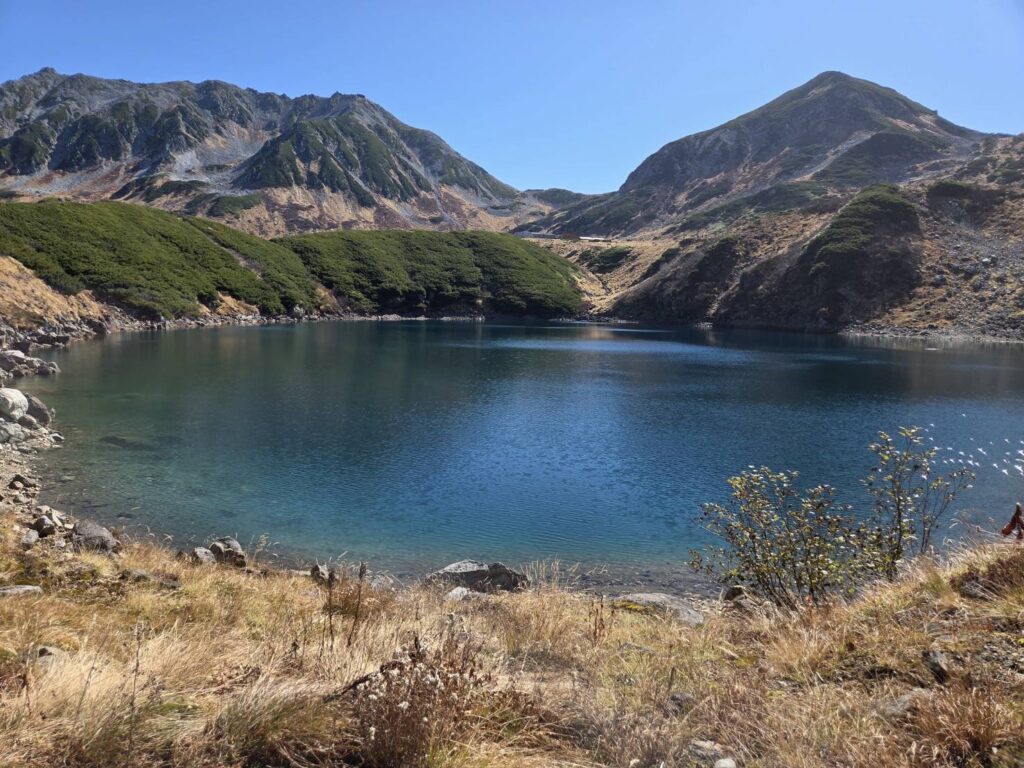
Of all the places we visited during our trip, Murodo was definitely one of my favorites.
Located approximately 2,450 meters above sea level, Murodo is one of the highest points along the Tateyama Kurobe Alpine Route that visitors can easily access using public transportation. The moment we arrived, I was completely amazed by the breathtaking scenery surrounding us.
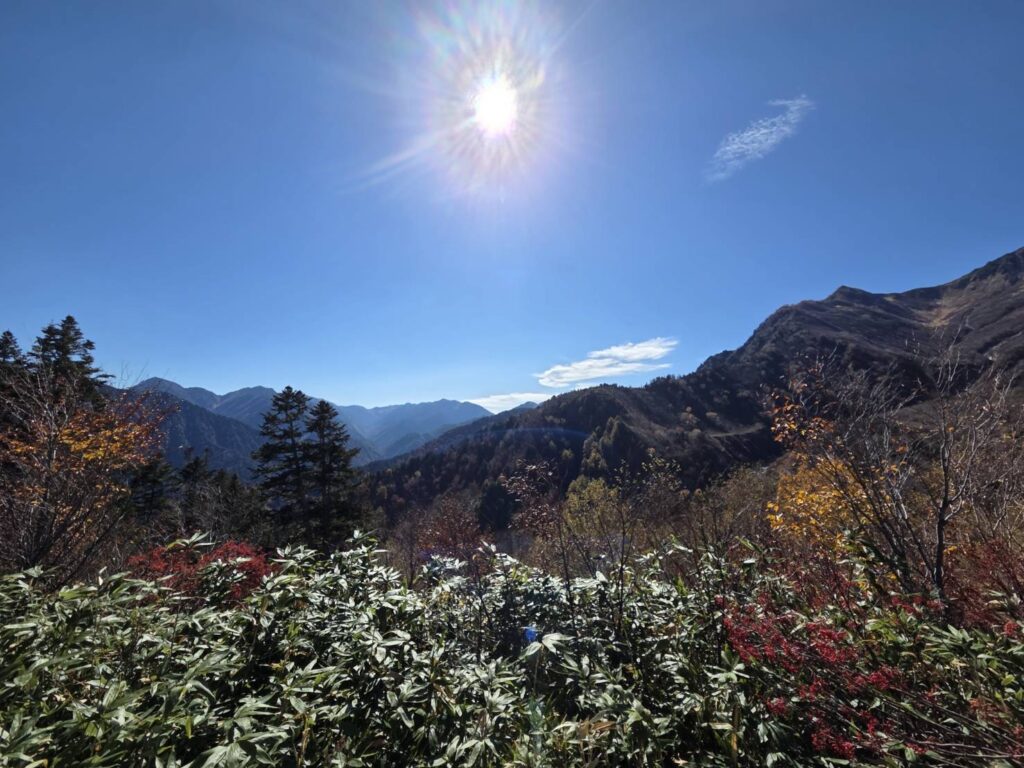
Since we visited during autumn, the mountains were especially beautiful, with different shades of red, orange, yellow, and green covering the landscape. The changing colors of the leaves created such a wonderful contrast against the towering mountains and clear blue sky.
It was one of those places where photographs simply couldn’t capture how beautiful everything looked in person. Everywhere we turned, there was something worth photographing. From the magnificent mountain peaks to the colorful autumn foliage, the scenery was truly spectacular.
We spent approximately three hours exploring Murodo, taking photographs, and simply admiring the beautiful surroundings.
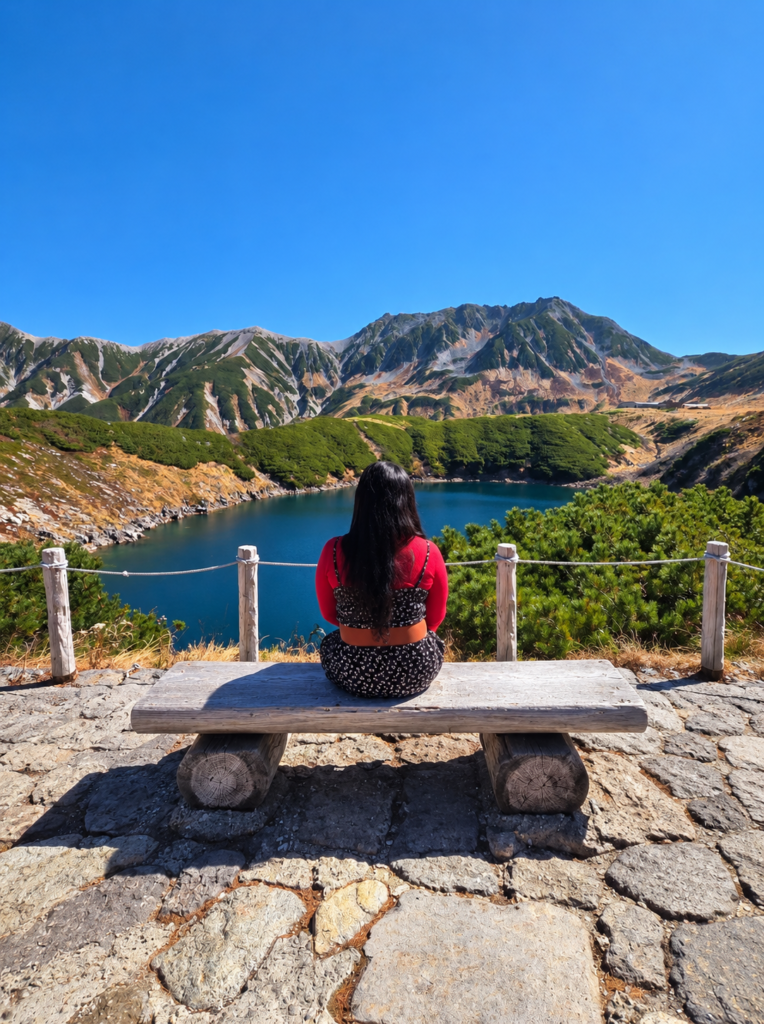
One of the area’s famous attractions is Mikurigaike Pond, a beautiful volcanic pond known for reflecting the surrounding mountains on clear days. Surrounded by the magnificent scenery of the Northern Japan Alps, the pond is one of the most popular photography spots in Murodo.
There are also several hiking trails where visitors can explore the surrounding area at their own pace. Although some trails are relatively easy, exploring the area can still involve quite a bit of walking, so I highly recommend wearing comfortable hiking shoes. Another interesting thing about Murodo is that visitors can enjoy fresh drinking water from designated water fountains in the area. If you have a reusable water bottle, you can refill it and enjoy the refreshing mountain water during your visit. For those who enjoy hot springs, Murodo is also home to Mikurigaike Onsen, a mountain hot spring facility where visitors can relax while enjoying the alpine atmosphere.
Additionally, there are shops where you can purchase souvenirs, snacks, and other refreshments. Although we had several hours to explore, time seemed to pass incredibly quickly. With so many beautiful places to photograph, it was difficult to decide where to spend our time!
At around noon, our group gathered again to continue our journey along the Alpine Route.
Our next destination was Kurobedaira, another scenic spot surrounded by magnificent mountain landscapes.
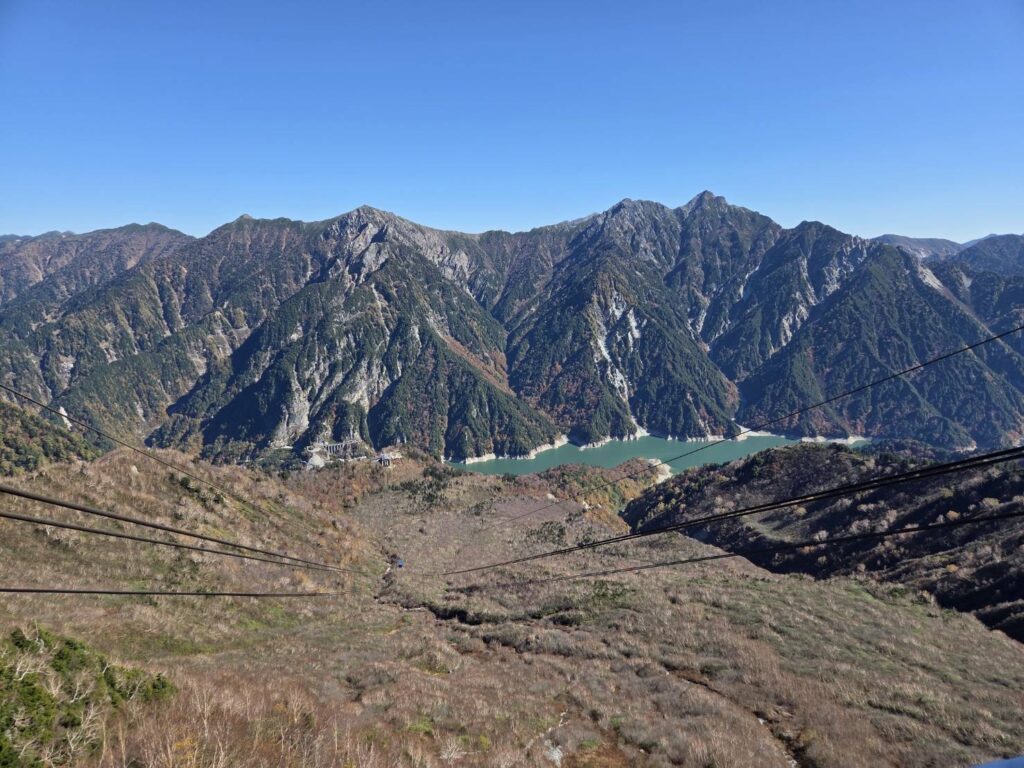
To reach Kurobedaira, we continued through Daikanbo and boarded the Tateyama Ropeway, which offered even more spectacular views of the surrounding mountains. Traveling by ropeway during autumn was an experience in itself. Looking out over the mountains and seeing the colorful foliage spread across the landscape was absolutely incredible. Located at approximately 1,828 meters above sea level, Kurobedaira is known for its observation area and small alpine garden.
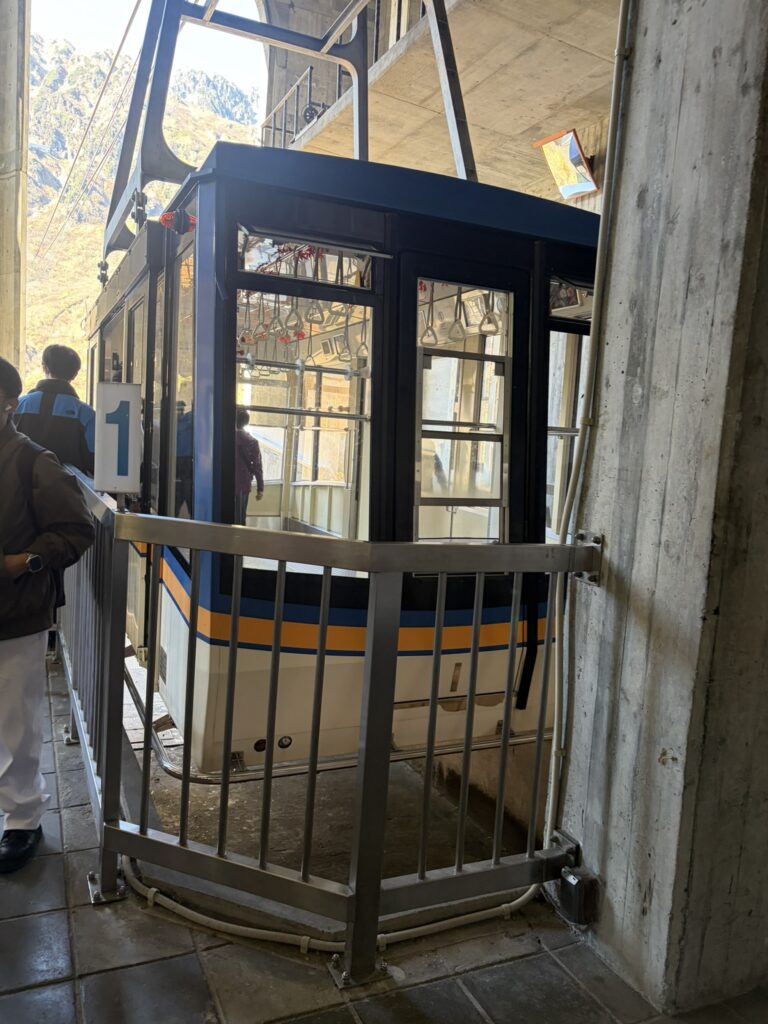
We spent around 30 to 40 minutes here, taking photographs and admiring the surrounding mountains.
Although our stop was relatively short, the views were absolutely beautiful. The autumn colors made the scenery even more impressive, and I couldn’t help but appreciate how different the landscape looked from each viewpoint.
One of the most exciting parts of exploring the Tateyama Kurobe Alpine Route is experiencing its different transportation systems. The journey itself is just as memorable as the destinations!
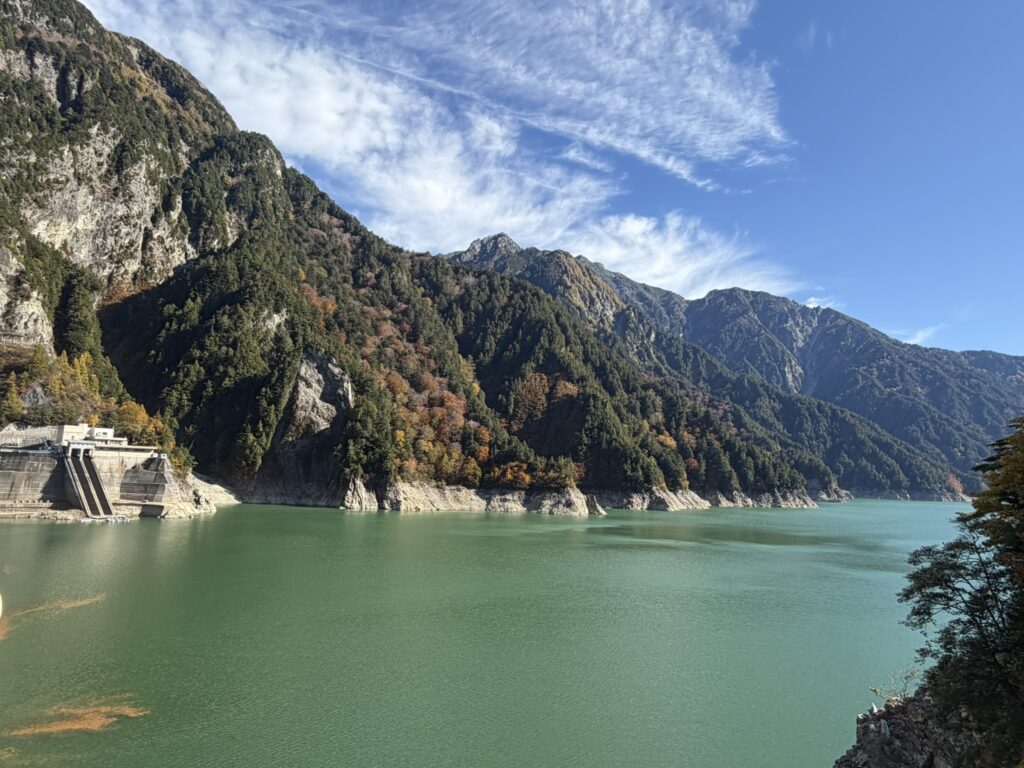
Another highlight of our trip was visiting Kurobe Dam. Standing approximately 186 meters tall, Kurobe Dam is the tallest dam in Japan and one of the country’s most impressive engineering achievements.
Completed in 1963, the dam was constructed as part of a major hydroelectric power project. Today, it is also a popular tourist attraction, drawing visitors who want to admire its enormous structure and the surrounding mountain scenery.
Seeing the dam in person was an incredible experience. The massive concrete structure, surrounded by towering mountains and the beautiful waters of Lake Kurobe, creates a truly spectacular sight.
What made our visit even more special was the beautiful autumn scenery surrounding the area. Visitors can explore the dam area, take photographs, and enjoy panoramic views of the surrounding mountains.
During the warmer months, Kurobe Dam is also known for its impressive water discharge, when enormous amounts of water are released from the dam, creating a dramatic spectacle. It was certainly one of the most memorable stops on our trip.
After exploring Kurobe Dam, we continued toward Ogizawa, where our private transportation was waiting to take us back to Tokyo. The return journey involved another bus ride before we finally boarded our vehicle for the long trip home. We arrived back in Tokyo at approximately 9:00 p.m.
Considering that we had departed Shibuya at midnight, it was an incredibly long day filled with sightseeing, transportation transfers, and plenty of walking. Nevertheless, we were able to visit several spectacular destinations in just one trip, making the experience well worth the time and effort.
If you’re planning to visit the Tateyama Kurobe Alpine Route, here are a few things I would recommend based on our experience.
Although independent travel is possible, an organized tour can make the journey much easier, especially if you’re visiting from Tokyo. With several transportation transfers involved, having your tickets and schedule arranged in advance can save you a lot of time.
One thing that surprised me during our visit was how sunny and warm it felt in Murodo, despite being high up in the mountains. I highly recommend bringing sunglasses and applying sunscreen, especially if you plan to spend several hours walking around and taking photographs.
Before our trip, I initially thought I would need thick winter clothing because we were heading into the mountains. However, during our October visit, the weather was surprisingly comfortable, particularly when the sun was out.
A comfortable outfit with a light jacket worked well for the conditions we experienced. However, mountain weather can change quickly, so it’s important to check the forecast before your visit and bring enough warm clothing for colder conditions.
If you’re traveling later in the season, particularly in November, warmer clothing and appropriate footwear may be necessary as temperatures can drop significantly and snow is possible.
This is something I highly recommend, especially if you plan to explore Murodo. Although the Alpine Route involves several transportation transfers, there is also plenty of walking, particularly around the mountain trails and viewpoints. Some areas have uneven paths, stairs, and rocky surfaces, so wearing comfortable hiking shoes with good grip is important. You definitely don’t want to spend the entire day walking around with sore feet!
Since the trip involves several hours of traveling and sightseeing, it’s a good idea to bring snacks and water. You can also refill your water bottle at designated drinking water facilities in Murodo, which is especially convenient if you’re planning to spend several hours hiking.
I would also recommend bringing any personal medications you might need, including your usual headache medicine, if appropriate for you. Since Murodo is located at a high altitude, some visitors may experience headaches or discomfort. It’s important to take breaks, stay hydrated, and avoid pushing yourself too hard, particularly if you’re not accustomed to higher elevations. If you experience a severe headache or other symptoms of altitude sickness, seek assistance rather than simply taking medication and continuing your hike.
If you’re joining a day trip from Tokyo, expect a very early departure or an overnight journey. Our trip began at midnight and ended at around 9:00 p.m., so getting enough rest beforehand is definitely recommended. Also bring a neck pillow as long distance travel can be very exhausting and uncomfortable.
Although the Tateyama Kurobe Alpine Route is beautiful throughout its operating season, I particularly recommend visiting during autumn. The changing colors of the leaves make the mountain scenery even more spectacular, with shades of red, orange, and yellow covering different parts of the landscape.
Because the Alpine Route covers different elevations, the autumn colors appear at different times depending on the location. Generally, the foliage season begins in the higher areas around September and gradually moves toward lower elevations through October and early November. If you love autumn scenery and photography, this is definitely one of the best times to visit.
One important thing to remember is that the Tateyama Kurobe Alpine Route is not open throughout the year. Due to heavy snowfall during winter, the route usually closes at the end of November and reopens around mid-April. For 2026, the route is scheduled to remain open until November 30, so there’s still time to visit before the winter closure!
Absolutely!
The Tateyama Kurobe Alpine Route is one of those destinations in Japan that offers something different from the usual city sightseeing experience.
From the magnificent mountain landscapes of Murodo to the spectacular views from Kurobedaira and the impressive Kurobe Dam, every stop offers something beautiful to discover.
Visiting during autumn made the experience even more special. Seeing the mountains covered in beautiful autumn colors was truly unforgettable, and I couldn’t help but feel amazed by how beautiful Japan’s natural scenery can be.
What makes the experience even more interesting is the opportunity to travel using different transportation systems while surrounded by the stunning scenery of the Northern Japan Alps.
Although our trip was quite long and tiring, I genuinely enjoyed the experience and would highly recommend it to anyone who loves nature, photography, hiking, and exploring Japan’s beautiful landscapes.
If you’re looking for a memorable mountain adventure outside Tokyo, the Tateyama Kurobe Alpine Route is definitely a destination worth adding to your travel list!
Stay tuned for more exciting content like this! Follow us on our social media platforms and check out our blog regularly to stay updated on the latest news, trends, and insider stories from Japan. Don’t miss out on future updates—sign up for our newsletter for exclusive content delivered straight to your inbox!