Arriving before hotel check-in in Japan? Discover where to store your luggage, from coin lockers and hotels to baggage storage and delivery services.

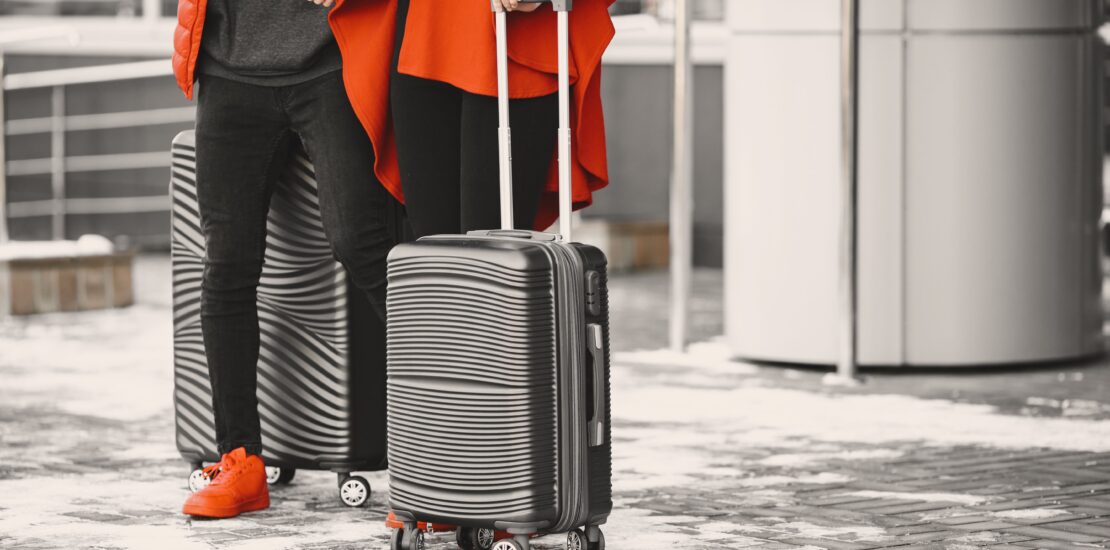
Arriving before hotel check-in in Japan? Discover where to store your luggage, from coin lockers and hotels to baggage storage and delivery services.
You arrive in Tokyo in the morning after a long flight, but your hotel check-in isn’t until 3:00 p.m. Maybe you’ve already checked out of your hotel, but your Shinkansen doesn’t leave until the evening. Either way, you suddenly have several hours to spare and one very inconvenient travel companion: your suitcase.
Japan’s public transportation system makes it relatively easy to travel without a car, but carrying large luggage through crowded stations is another story. Add stairs, transfers and busy trains, and sightseeing with a suitcase can quickly become exhausting.
Fortunately, you don’t have to carry it around all day. From the familiar coin locker to luggage delivery services that can send your suitcase to your next hotel, Japan has several convenient ways to travel a little lighter.
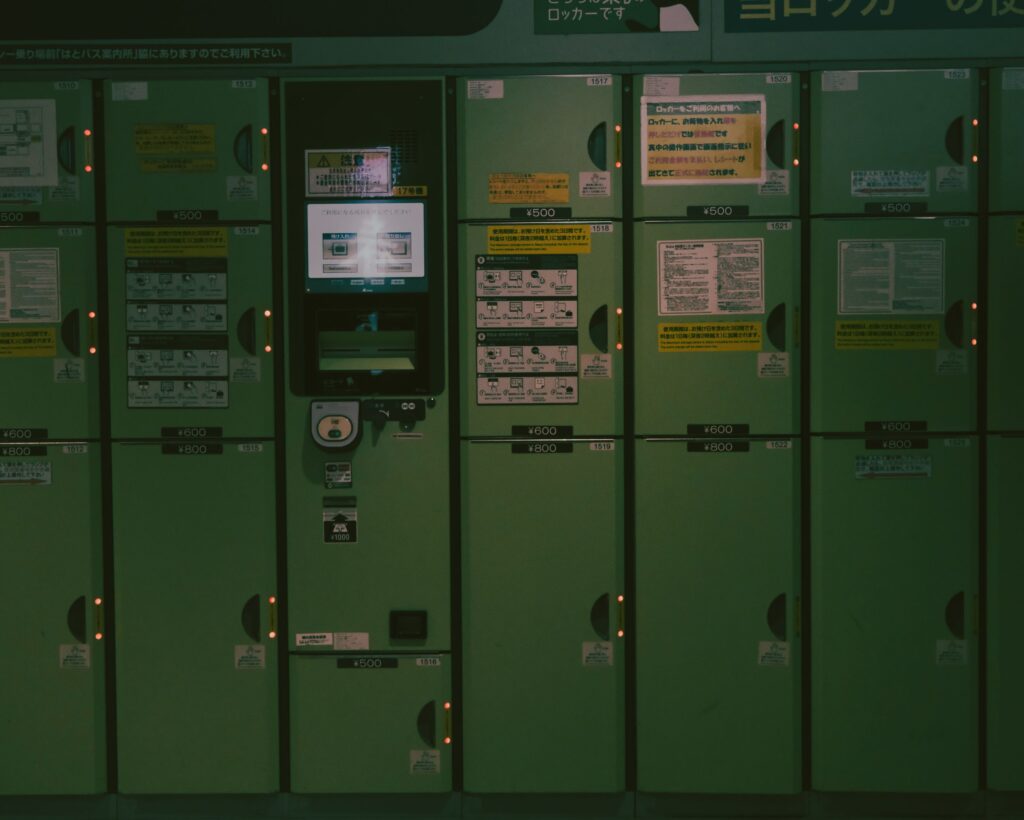
For a few hours of storage, coin lockers are usually the simplest option.
You’ll find them in many train and subway stations, airports, shopping centers and popular sightseeing areas. Large stations such as Tokyo, Shinjuku and Ueno may have several locker areas scattered around the station.
Despite the name, you don’t necessarily need coins anymore. While traditional lockers still accept cash and give you a physical key, many newer lockers accept transportation IC cards such as Suica and PASMO. With these lockers, you can pay with your IC card and use the same card to open the locker when you return.
According to GO TOKYO’s luggage storage guide, typical locker prices in Tokyo are approximately:
A small locker is fine for a backpack or shopping bags, while travelers with suitcases will generally need a large or extra-large locker.
There is one catch: the bigger lockers tend to be the ones everyone wants. During weekends, holidays and busy travel periods, finding an empty suitcase-sized locker at a major station may be harder than expected.
If you’re using a locker in a huge station, take a photo of the locker itself and the signs around it.
Tokyo Station alone has multiple floors, underground passages and numerous exits. Shinjuku Station is even more notorious for confusing visitors. Remembering that your suitcase is “somewhere near the west side” might not be enough when you come back several hours later.
Take a photo of the locker number, nearby exit and any recognizable signs. It takes five seconds and can save you a lot of wandering later.
This is when having a backup plan helps.
Some major stations, airports and tourist facilities have staffed baggage-storage counters where you can leave luggage even if it won’t fit inside a standard locker.
There are also services that allow you to reserve luggage storage online. These can be particularly helpful if you’re traveling during a busy period and don’t want to gamble on finding an empty locker after you arrive.
One option is ecbo cloak, a Japanese luggage-storage service that partners with businesses and facilities with available space.
Instead of being limited to traditional lockers, travelers can search for participating storage locations, make a reservation online and leave their luggage there for a specified period.
At standard locations, current prices are generally:
Some locations have different rates, so check the individual listing before booking.
One useful feature is that participating locations may be able to accept items that would be difficult or impossible to fit into a locker. Depending on the location, this can include things such as strollers, golf bags, guitars, skis and snowboards. Ecbo cloak currently has a 20 kg weight limit per item.
This makes services like ecbo cloak a useful Plan B when every large locker at the station seems to have been claimed before you arrived.
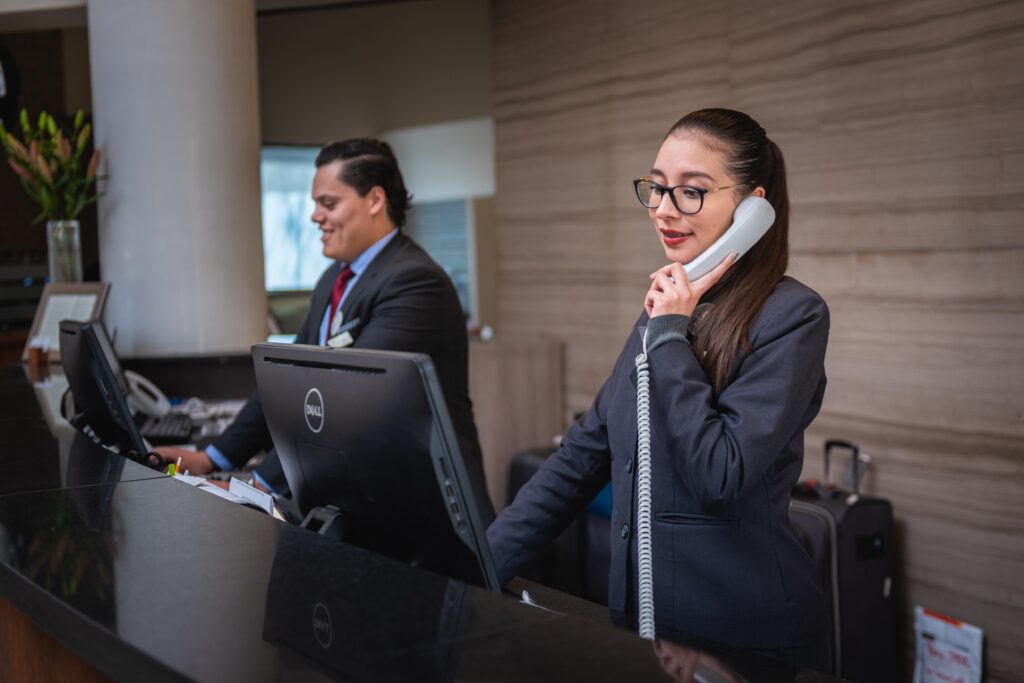
Before paying for storage, however, try the obvious option first: ask your hotel.
Many hotels in Japan will hold luggage for guests before check-in or after check-out. If you’re returning to the hotel later that day anyway, this may be much more convenient than finding a locker and then making a separate trip to retrieve your suitcase.
For example, if you arrive at your hotel at 10:00 a.m. but check-in begins at 3:00 p.m., you may be able to leave your suitcase at reception and immediately head out for lunch or sightseeing.
The same applies after check-out. If you need to leave your room at 10:00 or 11:00 a.m. but aren’t leaving Tokyo until that evening, ask whether the hotel can keep your luggage for a few more hours.
Don’t automatically assume this is available, though. Smaller accommodations, vacation rentals and properties without a staffed front desk may not offer luggage storage. Some hotels may also have restrictions on how long they’ll keep bags.
If you already know you’ll be arriving particularly early, sending the hotel a quick message beforehand can save you some uncertainty.
If you’re traveling between cities, you may have an even better option: don’t take the suitcase with you at all.
Japan has an extensive luggage-delivery system, usually called takkyubin or takuhaibin. Instead of carrying your suitcase onto trains, you can have it delivered to another hotel or destination.
One of the best-known providers is Yamato Transport, whose Hands-Free Travel service is specifically designed to help travelers move around Japan without carrying large luggage.
Luggage can be sent from various service counters, airports and participating locations. Many hotels can also help arrange luggage forwarding.
This is especially convenient if you’re taking a short side trip.
If you’re traveling:
Tokyo → Hakone → Kyoto
Instead of dragging your large suitcase through Hakone for one night, you could send it directly from Tokyo to your Kyoto hotel and pack a smaller overnight bag for Hakone.
The suitcase and you don’t necessarily have to follow the same itinerary.
The important thing to remember is that luggage forwarding isn’t necessarily instant.
Delivery times depend on the origin and destination, and your suitcase may arrive the following day or later. Same-day delivery exists on some routes and through certain services, but you shouldn’t assume your bag will be waiting for you that evening.
Keep anything you’ll need immediately with you, particularly:
Japan’s official tourism information also recommends checking delivery times carefully when using luggage forwarding.
If you’ve just landed, you may not even need to take your suitcase into Tokyo yourself.
Both Narita and Haneda airports have baggage-related services, including temporary storage and luggage delivery. Depending on your arrival time and destination, you may be able to send your suitcase from the airport to your hotel.
This can be particularly useful when your flight lands early.
Instead of traveling from the airport to your hotel simply to ask them to hold your luggage, you could potentially arrange baggage delivery and start exploring.
Airport services, prices, opening hours and same-day delivery availability vary, so check the airport’s current information before your trip.
If you’re taking your suitcase with you rather than forwarding it, remember that luggage rules can vary between Shinkansen routes.
On some trains, luggage storage areas are available inside the carriage. However, very large luggage may be subject to additional rules or require a reservation depending on the route.
For example, JR Central, JR West and JR Kyushu have special rules for oversized baggage on the Tokaido, Sanyo, Kyushu and Nishi Kyushu Shinkansen. Baggage with total dimensions of more than 160 cm but no more than 250 cm generally requires a seat with an oversized baggage area or compartment reservation.
If you’re traveling with a very large suitcase, it’s worth checking the rules for your specific train before arriving at the station.
It really depends on your plans.
If you’re just waiting a few hours for check-in:
Ask your hotel first. Otherwise, a coin locker is probably the easiest choice.
If the large lockers are full:
Look for a staffed baggage counter or a reservable luggage-storage service.
If you’re traveling with unusually large luggage:
A staffed or reservable storage service may be easier than trying to find a locker big enough.
If you’re changing cities:
Consider forwarding your main suitcase and traveling with a smaller bag.
If you’ve just arrived at the airport:
Check airport luggage delivery before carrying everything into the city.
If you’ve already checked out:
Ask whether your hotel can hold your bags until later that day.
Whichever option you choose, check the opening and closing times before leaving.
A locker may physically be inside a station or shopping center that isn’t accessible around the clock. Staffed counters also have specific operating hours, so make sure you’ll be able to retrieve your luggage when you need it.
Check the maximum storage period as well. Some services charge by calendar day rather than by the exact number of hours your luggage is stored.
Finally, don’t leave important valuables behind unless absolutely necessary. Keep your passport, money, medication and other essentials with you.
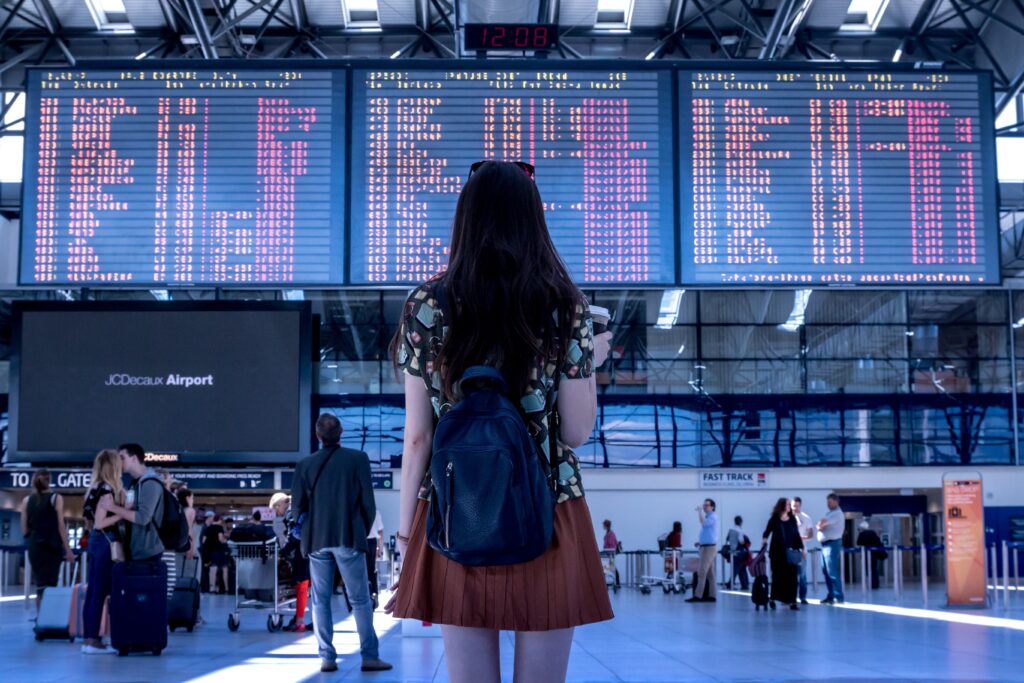
Arriving before check-in doesn’t have to mean spending half the day pulling a suitcase around Tokyo.
For short-term storage, Japan’s ubiquitous coin lockers are usually the easiest solution. When they’re full, staffed counters and reservation-based services offer alternatives. Hotels may store your luggage for free, while luggage-forwarding services can eliminate the need to carry your suitcase between cities altogether.
A little planning can mean the difference between navigating a crowded station with a 20-kilogram suitcase and actually enjoying those extra few hours in Japan.
Stay tuned for more exciting content like this! Follow us on our social media platforms and check out our blog regularly to stay updated on the latest news, trends, and insider stories from Japan. Don’t miss out on future updates—sign up for our newsletter for exclusive content delivered straight to your inbox!