Learn the rules for using fireworks at home in Japan, including local restrictions, permits, noise rules, the SF safety mark, and important precautions.

Learn the rules for using fireworks at home in Japan, including local restrictions, permits, noise rules, the SF safety mark, and important precautions.
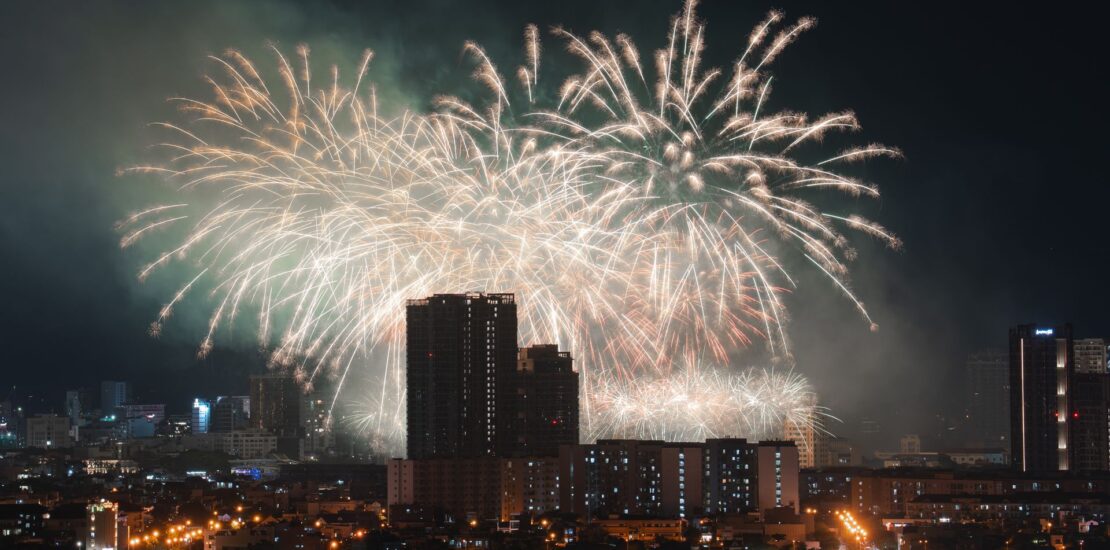
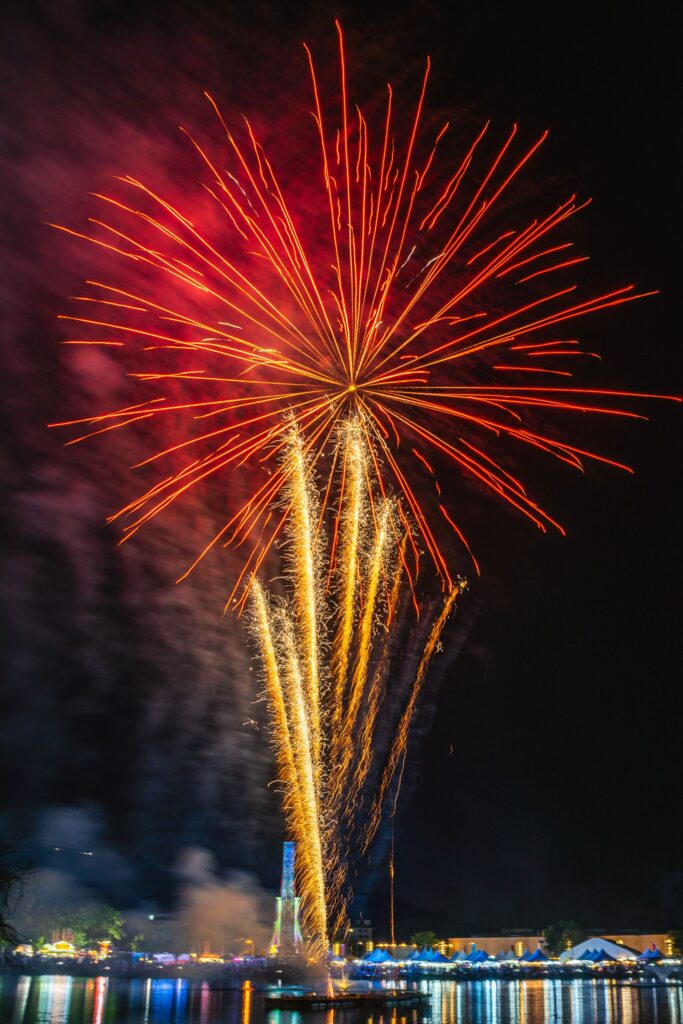
Summer is fireworks time in Japan, and the festivals in Tsuchiura, Sumida, and Edogawa draw hundreds of thousands of spectators. If you do not fancy contending with the crowds, you can shoot fireworks at home. To some extent.
Japanese regulations on fireworks are governed mainly by the Fire Service Act and related municipal fire-prevention ordinances; these laws regulate sale, storage, permitted types, where and when fireworks may be used, and require local ordinances to set detailed restrictions on fireworks use in cities. But usage is also determined by noise level and location.
The Fire Service Act and its implementing regulations set basic safety standards for fire-producing equipment and delegate detailed rules for fire prevention and control to prefectures and municipalities; these national rules provide criteria (e.g., safe separation distances, equipment standards) that municipal ordinances must follow when restricting use of devices that produce sparks, including some types of fireworks.
National guidance and model rules describe how local fire-prevention ordinances should prohibit or restrict use of spark-producing equipment where fire risk is high and require measures for safe structure, location, and management of such equipment.
Typical municipal (wards in Tokyo and Osaka, cities in the rest of Japan) ordinance contents commonly specify prohibited places (parks, riversides, wooden-dense residential areas), banned types (aerial rockets, large display pyrotechnics), time limits (evening/night cutoffs), and handling/storage rules for consumer fireworks; the ordinances are based on the national standards but vary by city.
Simply put: You should not shoot fireworks where they can fall on other people’s houses and gardens, and of course never on cars or trains.
Japanese cities do not have one single nationwide “noise limit” specifically for fireworks; instead, the national Noise Regulation Law empowers local governments to regulate or restrict noisy activities, and many cities add their own fireworks rules in parks, riversides, and residential areas. In practice, the main rule for ordinary consumer fireworks is local: loud fireworks, aerial fireworks, and late-night use are often restricted or banned by city ordinance or park rules.
Kyoto Ward in Tokyo, for instance, explicitly restricts rockets, sky rockets, and firecrackers that produce loud noise, and it also designates areas where fireworks are prohibited altogether. Tokyo-area park rules commonly allow only handheld fireworks, while banning loud fireworks, rocket fireworks, and use after a set evening hour such as 9 p.m. or 10 p.m.. These rules show the pattern most Japanese cities follow: ”quiet, low-risk fireworks may be allowed in limited places and hours, but loud fireworks are usually prohibited”.
If you are using fireworks in a Japanese city, assume you need to check three things: whether the site allows fireworks at all, whether loud or aerial types are banned, and what the time cutoff is. In many places, a fireworks activity that is too noisy can be treated as a nuisance even if the general act of fireworks use is not completely banned.
So the practical answer is that home fireworks in Japan are limited by ”type, size, explosive content, and intended use”, not by one universal measure. Consumer toy fireworks sold with the SF mark are the safest and most appropriate option for private use. Anything that looks like a launch shell, a large cracker system, or a professional setup is generally outside normal home use and falls under stricter legal control.
Ordinances also often include provisions requiring permits for public displays and assign penalties or administrative measures for violations (fines or other enforcement actions) under the local fire-prevention rules.
Regulatory guidance explicitly treats equipment or devices that generate sparks or flame as subject to special structural and management standards (for example, requirements for non-combustible surroundings, ventilation, grounding against static, and routine cleaning) when such devices are used near combustible materials; municipalities adopt parallel restrictions for fireworks in built-up areas to prevent ignition and spread of fire.
This has some very practical consequences for users in Japanese cities.
Many cities permit only small handheld fireworks in designated open areas and prohibit aerial or noisy display fireworks without a permit; large public displays generally require a municipality-approved permit and coordination with the fire authority.
To use fireworks lawfully in a city you must check the city’s fire-prevention ordinance and any park/riverbank rules: these local rules determine permitted types, locations, hours, and permit procedures, and they are enforceable under local fire-prevention law.
There is no single simple “home fireworks can be up to X centimeters” rule that covers all consumer fireworks in one line, because the legal limits depend on the exact type of firework. The government’s regulatory text sets detailed thresholds for specific categories, such as diameter-based limits for display shells and gram-based limits for cracker-type fireworks. For noise, the rules also distinguish items that produce an explosion sound, and the e-Gov regulation text specifically lists very small tube fireworks by external tube diameter and explosive powder limits.
Japanese fireworks law is based on the Fireworks and Explosives Control Act, which regulates manufacture, sale, storage, transport, and use to prevent disasters and protect public safety. For ordinary consumer fireworks, the Japan Fireworks Association says to choose products with the ”SF mark”, which indicates the item passed its safety inspection. The association also runs “toy fireworks classes” and safety campaigns specifically for safe household use.
The SF mark is a consumer-fireworks safety mark, not a “quality” badge in the general sense. It means the product passed the Japan Fireworks Association’s inspection and is intended for safe household use.
You probably already know there is one particular group that cannot vote and has no specific law protecting them, but who should be kept indoors during fireworks: Dogs.
Dogs do not go together with fireworks very well. The loud bangs can trigger fear, panic, escape behavior, or injury.
In short, the difference is not only size but also ”regulation and handling”. Home fireworks are for private enjoyment under consumer safety standards, while professional fireworks are for licensed display work under legal and technical controls. The legal excerpts make clear that the state regulates fireworks to prevent accidents, and the industry’s SF-mark system exists to help consumers choose the right kind for home use. As long as you follow the city fire and noise control regulations. And there are no dogs nearby.
Stay tuned for more exciting content like this! Follow us on our social media platforms and check out our blog regularly to stay updated on the latest news, trends, and insider stories from Japan. Don’t miss out on future updates—sign up for our newsletter for exclusive content delivered straight to your inbox!