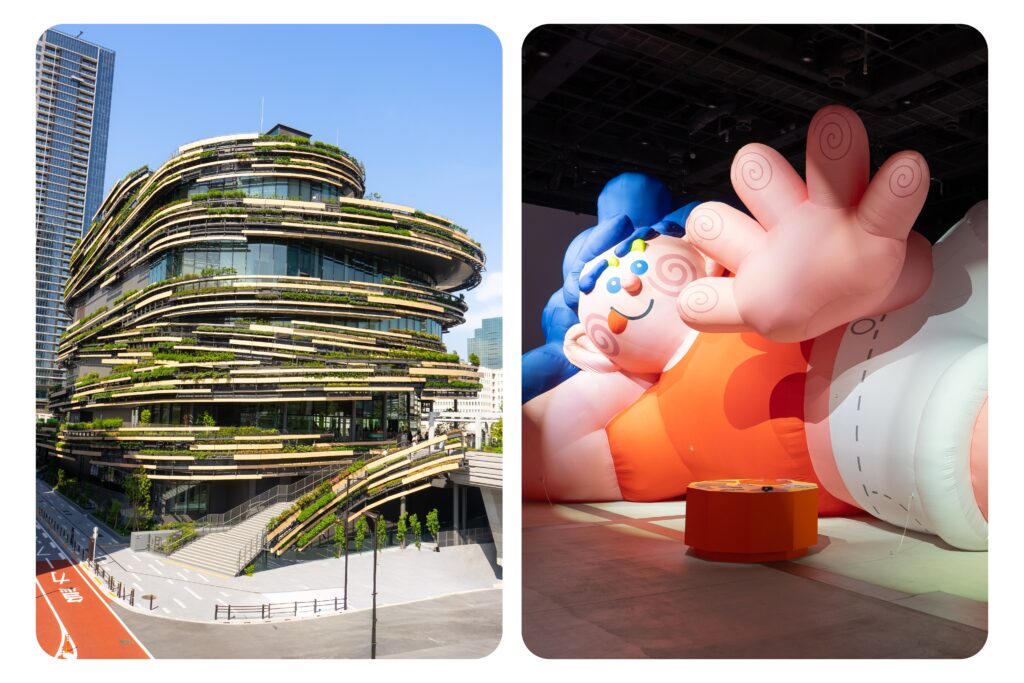
Combining modern architecture with cutting-edge technology, Takanawa Gateway is quickly emerging as one of Tokyo’s newest urban destinations. Find out why this area is more than just a visually impressive cityscape.
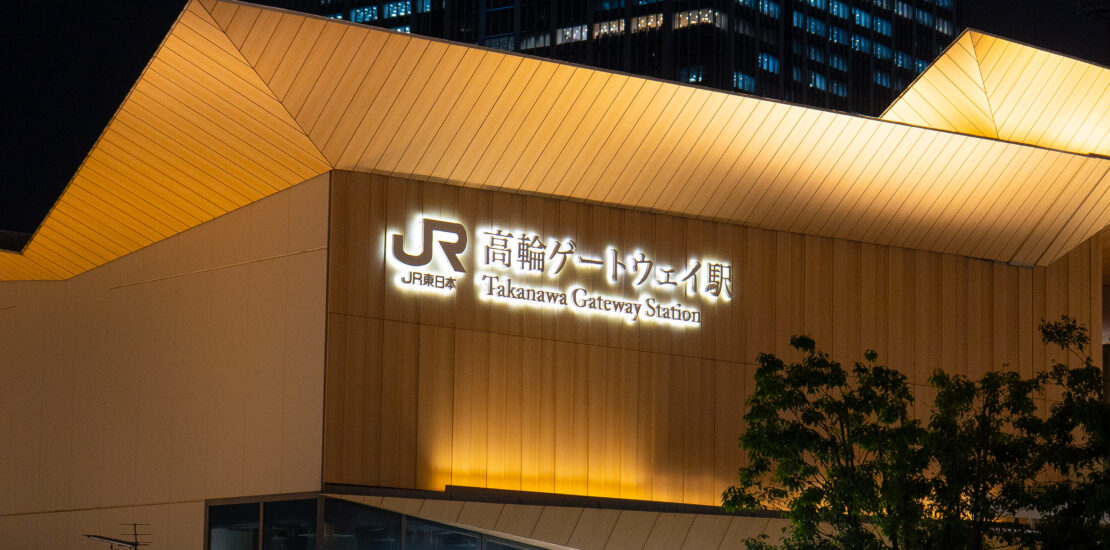
I first heard of Takanawa Gateway undergoing a major transformation a few years ago, and wondered how the completed project would turn out. The area was once the site of Japan’s first railway line connecting Shimbashi and Yokohama. It later became a railway yard used to load, sort, and maintain trains. Then in 2014, JR East announced plans to develop the site. The first major milestone of this plan was achieved in 2020, when Takanawa Gateway Station opened on the Yamanote and Keihin-Tohoku Lines. Construction of the surrounding district began that same year, with the entire complex taking almost six years to complete. Finally, on March 28, 2026, Takanawa Gateway City was officially opened to the public.
Takanawa Gateway: Navigating Tokyo’s Newest Smart City Hub
Curiosity brought me to the new hotspot, and I’ve already returned three times. I guess I kept going back because it’s spacious and pleasantly uncrowded. I found myself thinking, “If someone asked me to recommend a place, I’d definitely suggest Takanawa Gateway.”
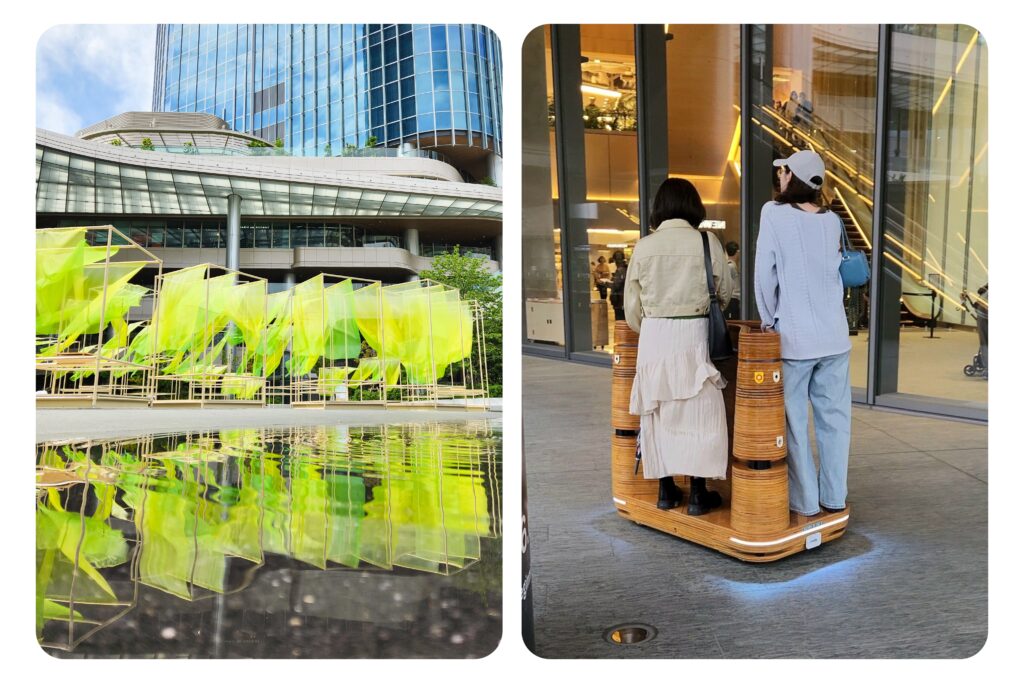
During my second visit, I spent some time at Gateway Park, located just in front of NEWoMan Takanawa. The space was a beauty in itself. There was an art installation composed of wooden structures with thin fabrics hanging like curtains that gracefully fluttered in the breeze. As I walked towards the shopping mall, I saw a couple of automated mobility devices called iino, roaming around. They are driverless, low-speed vehicles that you can hop on to explore the area. The fun part is that the passengers can use the touch controls to slow down or stop the vehicle. In addition to these self-driving pods, delivery and security robots can be spotted throughout the complex.
Alongside its futuristic technology, Takanawa Gateway City is also committed to achieving net-zero carbon emissions. Its clean-energy infrastructure incorporates wind turbines, solar panels, and hydrogen fuel cells.
NEWoMan Takanawa
NEWoMan Takanawa, a commercial facility operated by LUMINE, is one of the key attractions within Takanawa Gateway City. According to their website, it is by far the largest-scale facility in LUMINE’s history. NEWoMan Takanawa is composed of two buildings (THE LINKPILLAR 1 and THE LINKPILLAR 2) andis divided into three conceptual areas: the South and North wings, LUFTBAUM, and MIMURE.
THE LINKPILLAR 1
As the primary shopping area, THE LINKPILLAR 1 houses a mixture of fashion and lifestyle shops, high-end restaurants, and stylish cafes. Familiar names like Hermès, Chanel, Prada, and Jo Malone line the retail floors. For cafe lovers, there are several options to choose from, including the Oakland-based Blue Bottle Coffee, the newcomer specialty roastery Sow Coffee Roasters, and the posh cafe-slash-bar LOOPS.
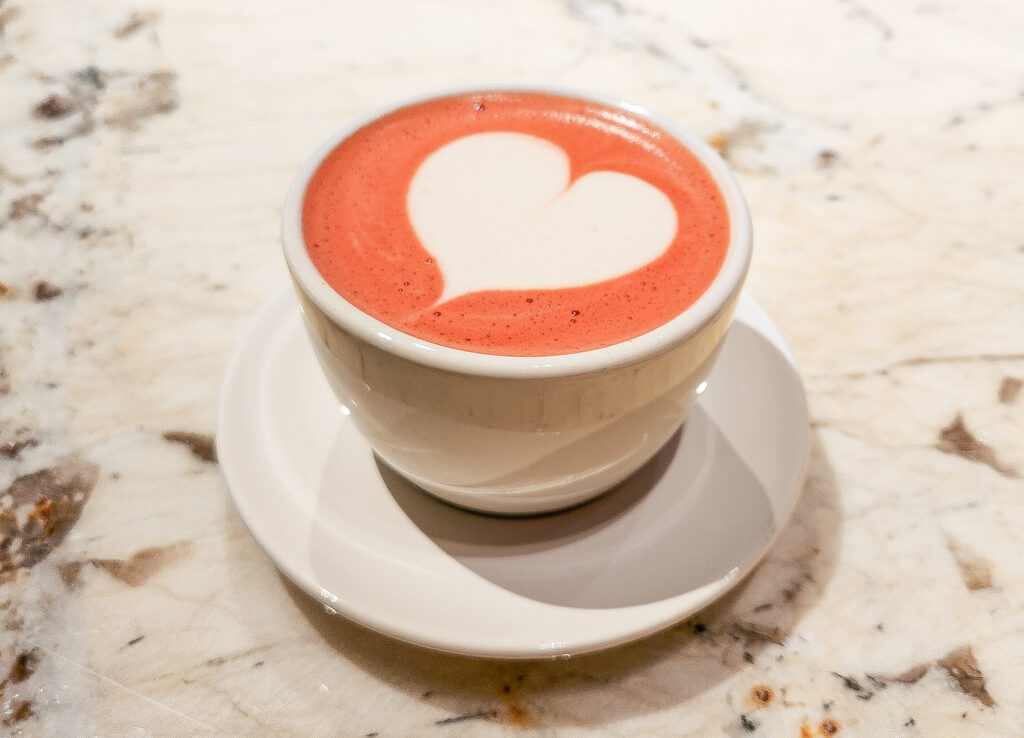
One of Sow Coffee Roasters signature drinks is Red Latte, an espresso latte made with beetroot-infused milk and spices.
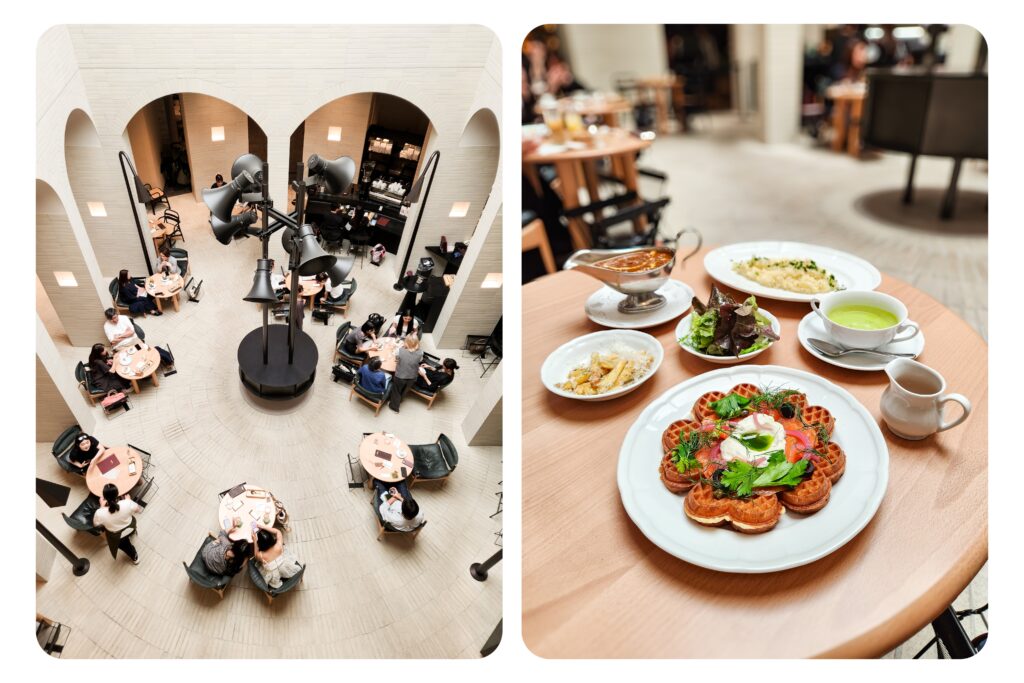
LOOPS has a contemporary black-and-white interior with a large horn speaker as its centerpiece. The dining spot transforms from a cafe during the day to a bar at night. Guests can enjoy a selection of coffee, tea, cocktails, and wine, as well as international comfort foods such as Norwegian waffles and beef stroganoff.
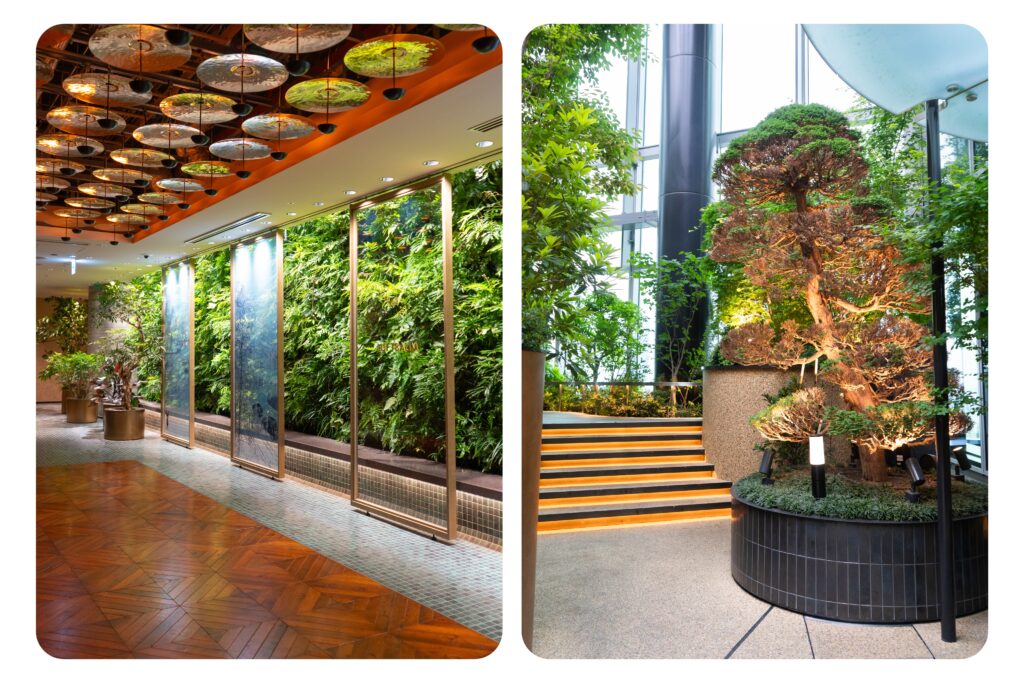
But the true highlight of the complex is LUFTBAUM, a green oasis located on the 28th and 29th floors. Derived from the German words luft (air) and baum (tree), the name was chosen by the developers to capture the exact essence of the space. Located 150 meters above ground, this area is a literal “jungle in the sky.” The green space features an expansive botanical garden teeming with verdant plants and trees. Looking through the glass windows, you are treated to a sweeping, panoramic view of Tokyo, accentuating the contrast between urban skyscrapers and the lush ecosystem high above the city center.
LUFTBAUM
THE LINKPILLAR 2
THE LINKPILLAR 2 is built around the concept of a community village, emphasizing holistic living, authentic food culture, and green spaces. Its 2nd and 3rd floors are occupied by a commercial area called MIMURE, which translates to “three clusters” in Japanese—representing diversity, culinary traditions, and artisanship. The entire 2nd floor is taken up by Ogawa Coffee Laboratory, a long-established coffee roaster company founded in Kyoto. As their largest branch yet, this massive 4,000-square-meter space extends beyond coffee. It has 12 specialized food and beverage production “laboratories,” including a delicatessen, chocolatier, pizzeria, and wine bar.
Meanwhile, if you head up to the 3rd floor, you will find the rest of the MIMURE dining collection, including a high-end Wagyu beef restaurant, tea boutique, oyster bar, and patisserie.
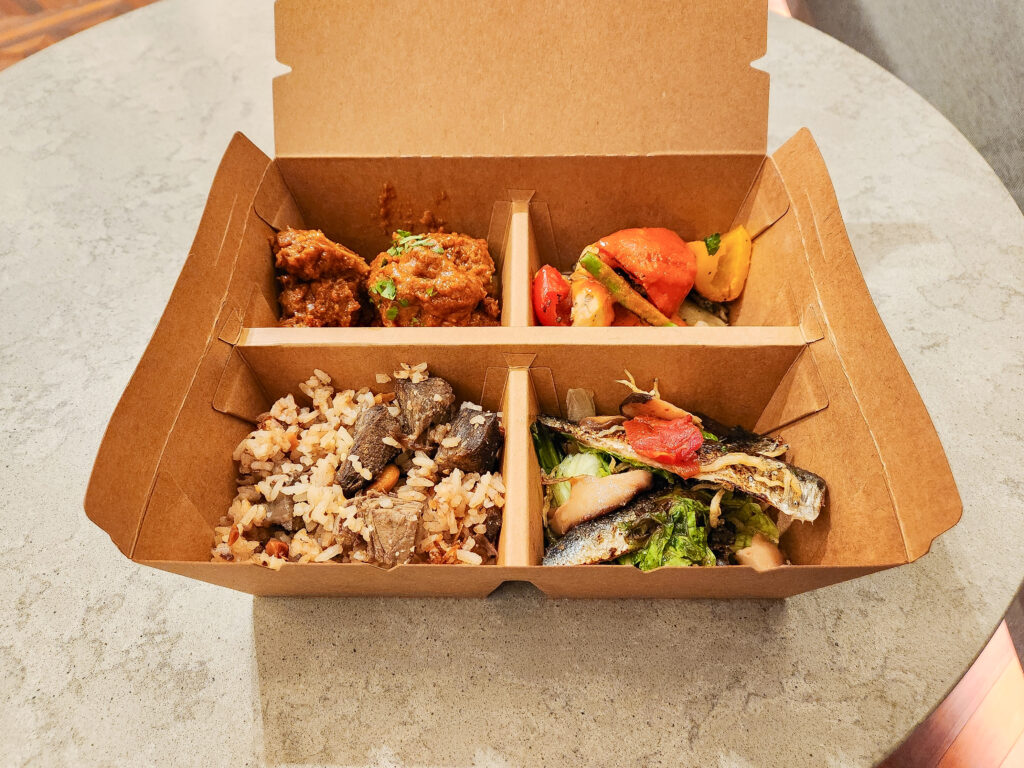
If you’re craving for something savory and healthy, head to The Balancing Lab for a nourishing meal. They offer bento boxes that you can customize by choosing your main dish and side dishes.
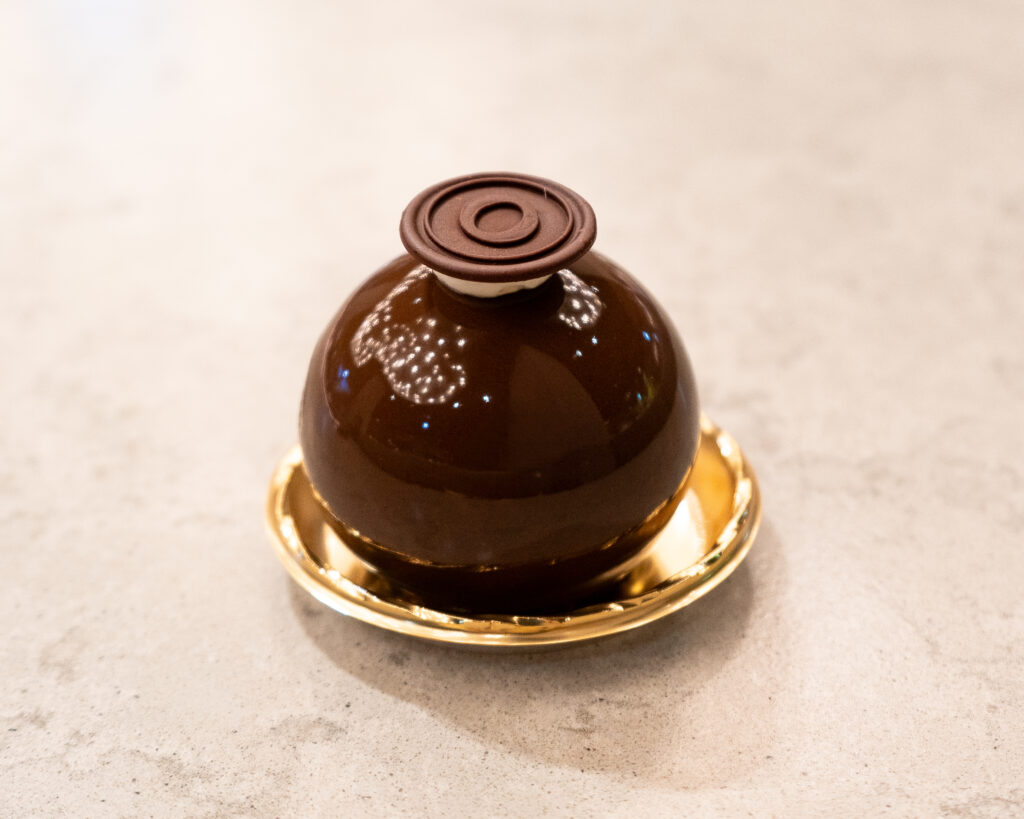
During one of my visits, I tried The Healing Lab’s Haitian Chocolat—a decadent mousse cake made with raspberry confit, milk chocolate cream, and Earl Grey Tea. Its crackly chocolate exterior and velvety mousse created a delightful contrast in textures.
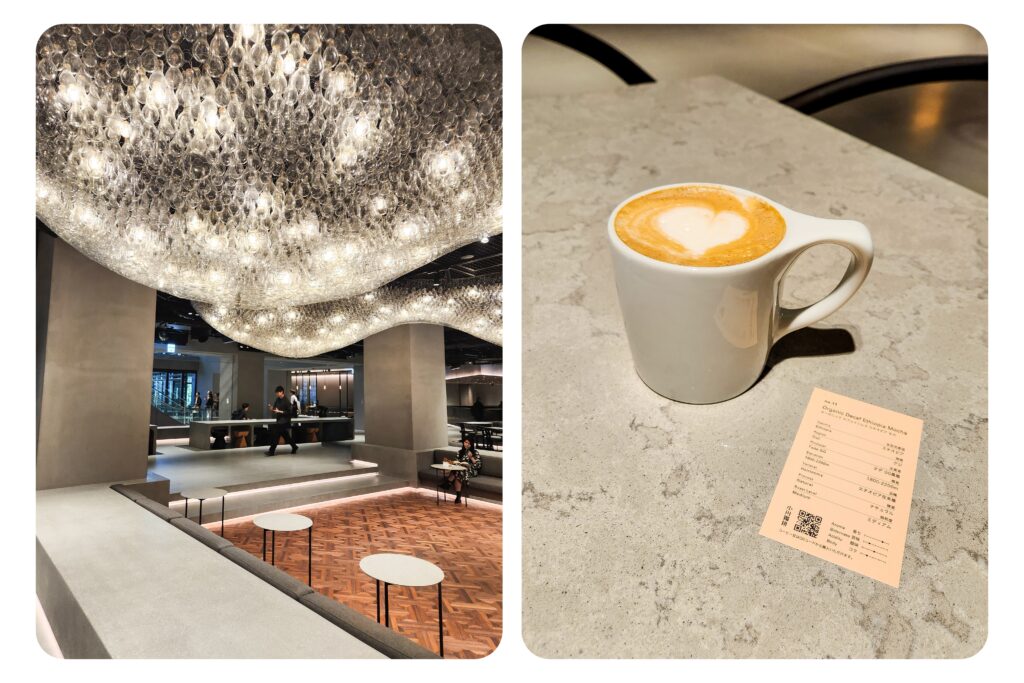
A visit to Ogawa Coffee Laboratory is not complete without getting your caffeine fix. The Extracting Lab has an extensive coffee menu that sources beans from countries in Africa, South America, Central America, and Asia. You can even customize your drink by choosing your preferred brewing method, milk, and syrup.
MoN Takanawa: The Museum of Narratives
For the art enthusiasts, MoN Takanawa is definitely a must-visit. Designed by Kengo Kuma, the visionary behind the Japan National Stadium and Tokorozawa Sakura Town, the museum’s unconventional spiral wooden exterior symbolizes the connection between the earth and the sky—a striking design that mirrors its unique purpose.
As a massive cultural hub, it spans six floors, three basement levels, and a rooftop. Visitors will find plenty to explore across its exhibition halls, theater, and public spaces. For a unique break, you can relax in the dedicated tatami-mat space or visit the foot bath terrace to soak your feet while watching trains snake along the tracks below. Other facilities include a café, restaurant, shrine, library, and souvenir shop.
As of writing, two exhibitions are currently running: Spiral, Spiral: Evolving Human Narratives and Future of Life +. The former explores the idea of spirals across art, science, culture, and everyday life, while the latter offers an immersive look at human coexistence with robotics. For more information, visit their official website at https://montakanawa.jp.
MoN Takanawa: The Museum of Narratives.
Stay tuned for more exciting content like this! Follow us on our social media platforms and check out our blog regularly to stay updated on the latest news, trends, and insider stories from Japan. Don’t miss out on future updates — sign up for our newsletter for exclusive content delivered straight to your inbox!
Gercel Millare
Hi, there! I'm Gercel.
I'm a shutterbug who loves reading, traveling, and visiting cafes. My other interests include music, journaling, and arts. I've been living in Japan since 2016 and I love discovering (and rediscovering) this culturally rich country.