An Autumn Reset for your Apartment?
By September, many people in Japan are emotionally ready for autumn. You see sweet potato snacks in convenience stores, and cafés start pretending it’s sweater weather. Shops bring out brown, beige, and burgundy clothes. Somewhere, someone is already romanticizing fall.
And then you step outside, and it’s still humid; your apartment still smells vaguely like summer while your air conditioner is making a suspicious noise because it’s been fighting for its life since July.
Welcome to September in Japan. It feels like the season should be changing, but your home may still be carrying the damage of summer: sticky floors, tired air conditioner filters, damp closets, sweaty bedding, balcony grime, weird drain smells, bug traps you don’t want to look at, and maybe one towel that never fully recovered from the rainy season.
This is why September is a good reset month. Not a full spring cleaning or a dramatic minimalist transformation, but a practical apartment reset before cooler weather truly arrives. Summer in Japan is hard on homes, especially small apartments. Heat, humidity, rain, sweat, air conditioning, bugs, and typhoon-season wind all leave small problems behind. If you deal with them early, autumn feels cleaner, calmer, and much easier to enjoy.
Here’s how to reset your Japanese apartment after summer:
Start With the Air Conditioner
Your AC is the true goat of summer. In many Japanese apartments, the aircon is not just for comfort. It’s survival equipment. By September, it may have been running daily for weeks on end.
That means the filter needs attention. Open the front panel and check the filters. If they’re dusty, wash them gently, let them dry, and put them back. Don’t reinstall while damp. If you’re not sure how to remove the filters, look up the model number or check the side of the unit. Many Japanese ACs have simple removable mesh filters.
You should also check the airflow. If the room no longer cools properly, if the air smells moldy, or black spots are visible inside the unit, the problem may be deeper than the filter. In that case, professional cleaning may be worth considering, especially if the unit came with the apartment and you have no idea when it was last cleaned.
This is especially important for renters. Before booking any professional cleaning, check your lease or ask the management company if needed. Some landlords have rules about maintenance, repairs, and approved service providers. If they’re good with any, you can find many cleaning services on Kurashi Market (くらしのマーケット).
A clean air conditioner is not just about comfort. It helps with smell, airflow, electricity use, and indoor air quality. Also, autumn doesn’t mean you’re finished with air conditioning. September can still be hot, and many people keep using cooling or dry mode well into the month.
Check for Mold Before It Gets Comfortable
Summer humidity in Japan is rude. It gets into closets, shoes, bedding, tatami, curtains, storage boxes, and the corners behind furniture. You may not notice during peak summer because everyone is too busy surviving the heat. But once September arrives, it’s worth checking the hidden areas.
Start with closets. Pull clothes slightly away from the wall. Check bags, leather items, belts, winter coats, suitcases, and anything stored in the back. If something smells musty, don’t ignore it. Air the items out, wipe the area, and use moisture absorbers.
In Japanese stores, look for 除湿剤 or joshitsuzai, which are dehumidifying products for closets, drawers, and shoe cabinets. They come as tubs, hanging packets, sheets, or small containers. If you already placed them earlier in summer, check whether they’re full of water and need replacing.
Next, check your bedding. If you sleep on a futon, it should be aired regularly. If you use a mattress on the floor, look underneath. Floor mattresses can trap moisture, especially in humid months. A sunoko slatted mat, moisture pad, or regular airing routine can help prevent problems.
Another place to check is behind furniture. Japanese apartments often have furniture pushed tightly against walls because space is limited. Unfortunately, that can block airflow and create mold-friendly corners. If possible, leave a small gap between large furniture and the wall. September is a good time to catch mold early before winter condensation becomes another problem.
Wash the Summer Out of Your Fabrics
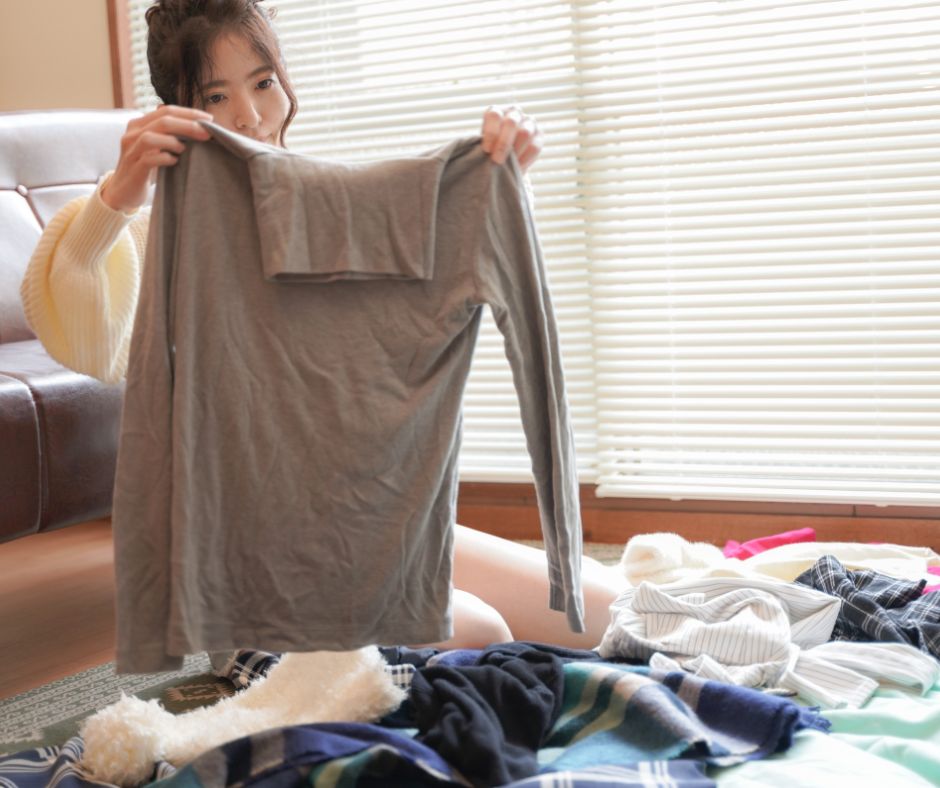
Summer gets trapped in fabric. Bedding, towels, curtains, sofa covers, cushion covers, bath mats, slippers, and even reusable shopping bags can hold humidity, cooking smells, and that strange “Japanese summer apartment” smell that’s hard to describe but very real.
Start with bedding. Wash sheets, pillowcases, blankets, mattress pads, and towel blankets. If you have heavy bedding that doesn’t dry well at home, this is the time to use coin laundry dryers. Japanese coin laundries are extremely useful for this, especially after the rainy season and summer humidity.
Towels deserve special treatment. If your towels smell sour even after washing, they may have developed damp laundry odor. Try washing them properly with enough detergent, avoid overloading the machine, and dry them completely. If the smell remains, it might be time to replace them. Sometimes the towel has simply lost the battle.
Curtains are easy to forget, but they collect dust, humidity, cooking smells, and pollen. If your curtains are washable, September is a good time to clean them. Hang them back while slightly damp only if the room is well-ventilated, and they can dry quickly. Otherwise, dry them well first.
Also check summer slippers or room shoes. If they smell bad, there’s no negotiating. It’s time to replace them.
Reset the Entryway and Shoe Area
Your genkan has been through a lot. Rainy season, sweaty feet, sandals and sneakers, wet umbrellas, festival outings and beach trips, and much more. By September, the entryway can become a quiet source of smell and humidity.
Take out all shoes and wipe the shoe cabinet. Throw away or wash old insoles if needed. It’s important to let shoes air out. Check for mold on leather shoes, bags, and seasonal footwear. Use shoe deodorizers, charcoal packs, silica gel, or shoe cabinet dehumidifiers. These are easy to find in drugstores, home centers, and 100-yen shops.
If you have umbrellas stored inside, it’s time to wash and dry them fully before putting them away. Folding a damp umbrella and leaving it in the genkan is basically an invitation for smell and rust. Also, check if water is sitting at the bottom of umbrella stands, which must be dried out.
Deep Clean the Kitchen Before Autumn Cooking Starts
Japanese summer kitchens can get gross quickly, even in clean homes. Oil gets sticky, food waste smells faster, and drains get slimy. Rice cookers, microwaves and refrigerators work harder. Opened snacks become stale quicker, while flour and dry goods attract pantry bugs faster if not sealed properly.
Before autumn cooking season starts, reset the kitchen. Clean the stove area, range hood surface, and backsplash. Wipe cabinet handles and fridge handles. Check and clean under the sink. Throw away expired items and anything that has been sitting since spring with no clear purpose.
Check dry goods carefully because humid weather can affect their quality faster. Airtight containers are worth it in Japan, especially if your kitchen storage is small or poorly ventilated. Clean the sink drain basket and garbage area. If you use a kitchen drain net, replace it often. If the drain smells, use a drain cleaner suitable for your pipes. Look for 排水口 or haisui-kō products.
Don’t forget to clean the refrigerator. Wipe the shelves and check if anything needs to be thrown out. September is a nice reset point before autumn foods start taking over.
Deal With the Bug Aftermath
Summer bugs in Japan are not just an outdoor problem. By September, you may have mosquito goods near the balcony, cockroach bait under the sink, sticky traps behind appliances, drain fly products in the bathroom, and maybe one mysterious insect item you bought in panic at Don Quijote at 10 PM.
Now is the time to check everything and replace old items/traps. For mosquitoes, check the balcony. Empty standing water from plant saucers, buckets, watering cans, and drains. Even as summer ends, warm weather can continue, and mosquitoes don’t disappear just because it’s September.
Check the Balcony Before Typhoon Season Gets Serious
Many people think of typhoons as a summer problem, but September can still be active typhoon season in Japan. This makes balcony maintenance important. Go outside and check what’s sitting there. Loose plant pots, laundry poles, sandals, storage boxes, decorations, and small furniture can become problems during strong winds. Even if they don’t fly away, they can fall, break, block drains, or damage the balcony floor.
Clear the balcony drain as well. Leaves, dirt, soil, hair, and plastic bits can block water flow. If heavy rain comes and the drain is clogged, water can pool quickly. In apartment buildings, balcony drainage problems may affect downstairs neighbors too, which is not the kind of drama anyone wants.
If you have plants, trim dead leaves and check pots. Move fragile ones to safer spots before storms. If your balcony has a laundry pole, check whether it’s secure. Some buildings ask residents to remove or lower poles before strong winds. September balcony rule: if a typhoon warning would make you panic about the object, deal with it before the warning.
Clean the Bathroom Like You Mean It
Bathrooms in Japan are built for moisture, but that doesn’t mean they are immune to mold. After summer, check the corners, door seals, drain area, shower hose, bath lid, ventilation fan, and any plastic bottles sitting around. Mold loves the tiny areas people don’t look at often.
Clean the drain properly. Remove hair and soap buildup. Wash bath chairs, buckets, and shampoo bottle bottoms. If you use a bath mat, wash and dry it fully. If the bathroom smells damp, run the ventilation fan longer after showers.
Many Japanese bathrooms have a 24-hour ventilation function. If yours does, use it correctly. If you have a bathroom drying function, this is also useful for laundry during rainy or humid periods, but the bathroom itself still needs cleaning.
Don’t forget the washing machine area. Check the drain, detergent drawer, lint filter, and rubber parts if accessible. Washing machines can develop their own smell after a summer of sweaty clothes and towels. Use a washing machine cleaner if needed.
Rotate Clothes and Other Items Gradually
September is tricky because one night may feel cold and then it’s back to summer the next day. You can’t put away all summer clothes and bedding just yet. What you can do is to store items in phases. First, the lightest ones that you no longer use or wear daily. This is also the time to air futons while the weather is dry and sunny.
For clothes, keep breathable items accessible. Add light layers like cardigans and thin long sleeves. Meanwhile, wash and properly dry summer clothes before storing them. You should also check closets while rotating clothes. If you see mold, treat the area before putting fresh clothing inside. Replace dehumidifying packets and leave some breathing room between clothes.
Also check bags. Summer bags, beach bags, gym bags, and backpacks may need cleaning. Empty every pocket of receipts, melted candy, or forgotten hand towels. September is the month to find it before it becomes science.
Check Windows, Screens and Curtains
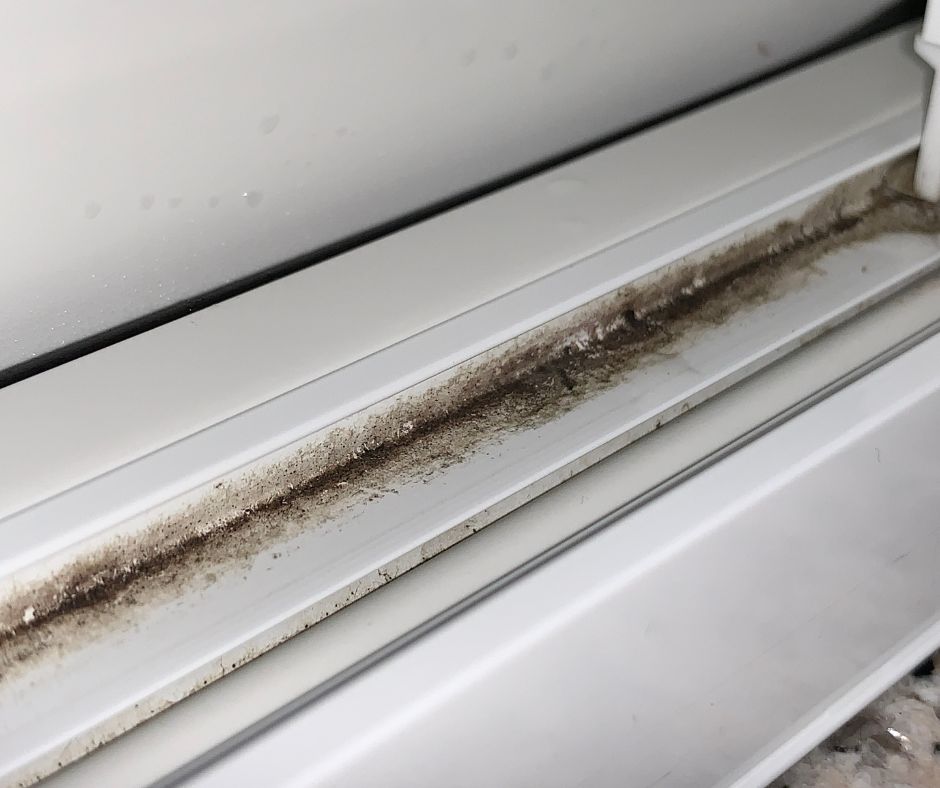
Windows work hard in summer. They deal with condensation, rain, dust, pollen, bugs, and constant opening and closing. By September, window tracks can be dirty, screens may have holes, and curtains may smell like humidity.
Clean window tracks with a vacuum, brush, or cloth. Wipe frames and check for mold around rubber seals. Wash or vacuum screens carefully. If there are holes in the screen, repair tape or replacement mesh may be available at home centers.
Check curtains and blinds. If curtains are washable, clean them. If not, vacuum them or air them out. This small task can make the whole room feel fresher.
Also check whether windows close properly. Before autumn storms and cooler weather arrive, it is useful to know if any window seal is loose or if rain enters during strong wind.
Restock Your Autumn Home Basics
September is also a good time to restock boring household basics before the next seasonal rush. Here’s a list to go through: dehumidifying products, garbage bags, drain nets, laundry detergent, mold cleaner, aircon filter supplies, bug bait and traps, batteries, flashlights, emergency water, basic medicine, cleaning cloths, and toiletries.
Because September can still bring storms, it’s smart to check emergency items too. Make sure flashlights work, and power banks are fully charged. It’s advised to have enough drinking water for at least a short disruption. There’s no need to panic-shop, just a normal, sensible check.
September in Japan is not always the crisp autumn reset people imagine. It can still be hot, humid, rainy, and stormy. But it’s still one of the best months to reset your apartment. Summer leaves traces everywhere, and if ignored, they can turn into mold, smells, pests, and general apartment stress.
A good after-summer reset doesn’t need to be expensive or dramatic. Just break down the tasks into doable batches, and you’re good to go.
Stay tuned for more exciting content like this! Follow us on our social media platforms and check out our blog regularly to stay updated on the latest news, trends, and insider stories from Japan. Don’t miss out on future updates — sign up for our newsletter for exclusive content delivered straight to your inbox!