Moving out of Japan? Learn the best ways to sell, donate, recycle, or dispose of your furniture and belongings before leaving, with tips to make your move stress-free.


Moving out of Japan? Learn the best ways to sell, donate, recycle, or dispose of your furniture and belongings before leaving, with tips to make your move stress-free.
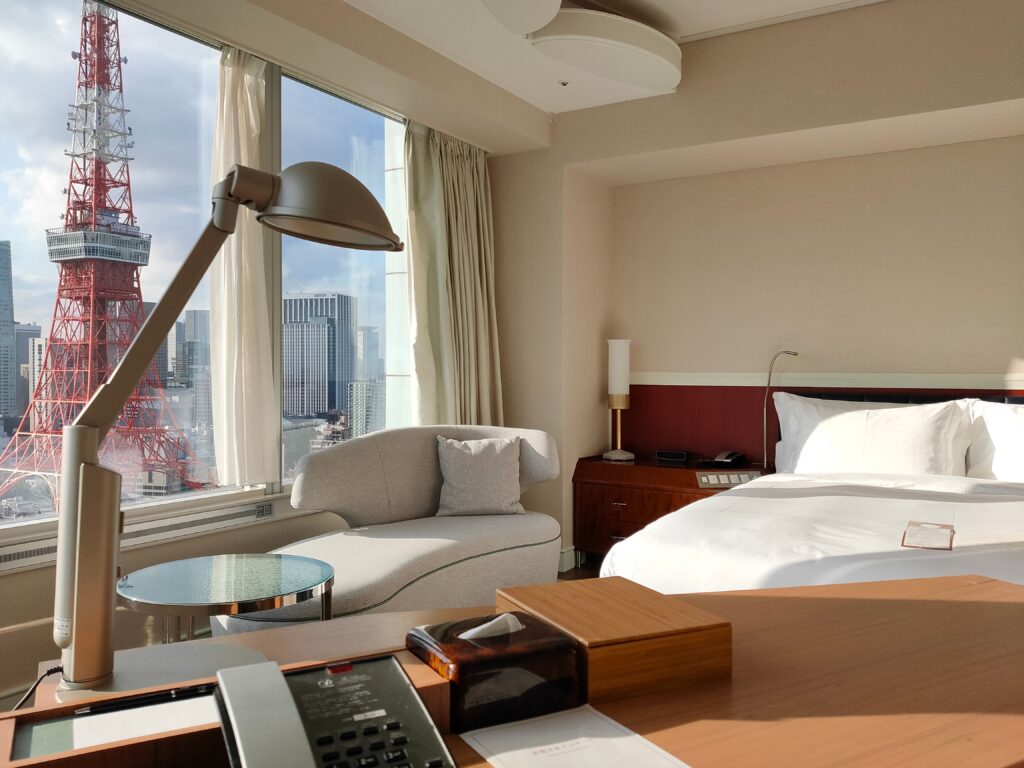
Moving out of Japan is exciting, but it also comes with a long to-do list. Aside from booking flights, canceling utilities, and packing your belongings, you’ll also need to decide what to do with everything you’ve accumulated over the years. Furniture, appliances, kitchenware, decorations, clothes, and all those little purchases can quickly add up, and leaving everything until your final week can make the moving process much more stressful than it needs to be. If you are interested to learn where to buy furniture and other large items upon moving Japan, click here.
The good news is that you don’t have to tackle everything at once. In fact, one of the best things you can do is start preparing several months before your departure. Getting rid of your belongings little by little gives you more time to sell valuable items, donate things you no longer need, and avoid paying unnecessary disposal fees.
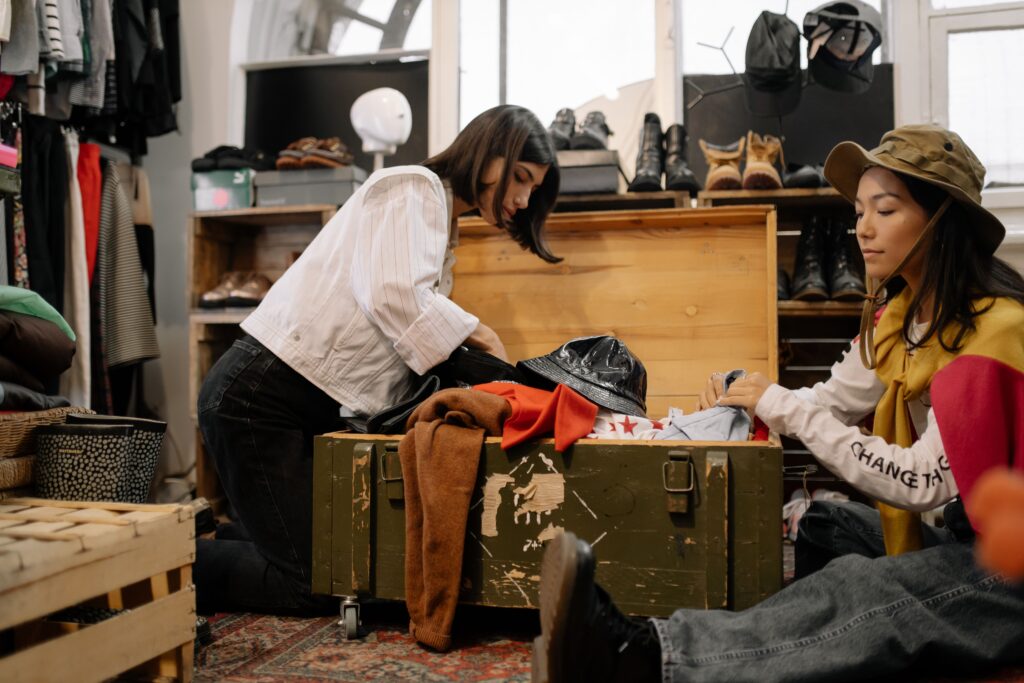
Even if you’re still six months away from moving, you can start with the items you rarely use.
Go through your shelves, closets, and storage boxes and look for things like home decorations, books, extra dishes, seasonal clothing, stationery, storage containers, and those cute little purchases from Daiso that seemed like a good idea at the time.
As you sort through your belongings, ask yourself a few simple questions.
If the answer is no, it’s probably time to let it go.
For smaller items that don’t have much value, dispose of them gradually according to your city’s garbage collection schedule. Japan has strict waste separation rules, so be sure to check which days are for burnable, non-burnable, recyclable, and oversized garbage.
If your items are still in good condition, you can also offer them to friends, coworkers, or neighbors. Sometimes giving something away is much easier than trying to sell it.
Before you start listing everything online, it helps to make a simple plan.
Separate your belongings into four categories:
Doing this early will make the rest of the moving process much smoother and help you avoid making rushed decisions during your final week.
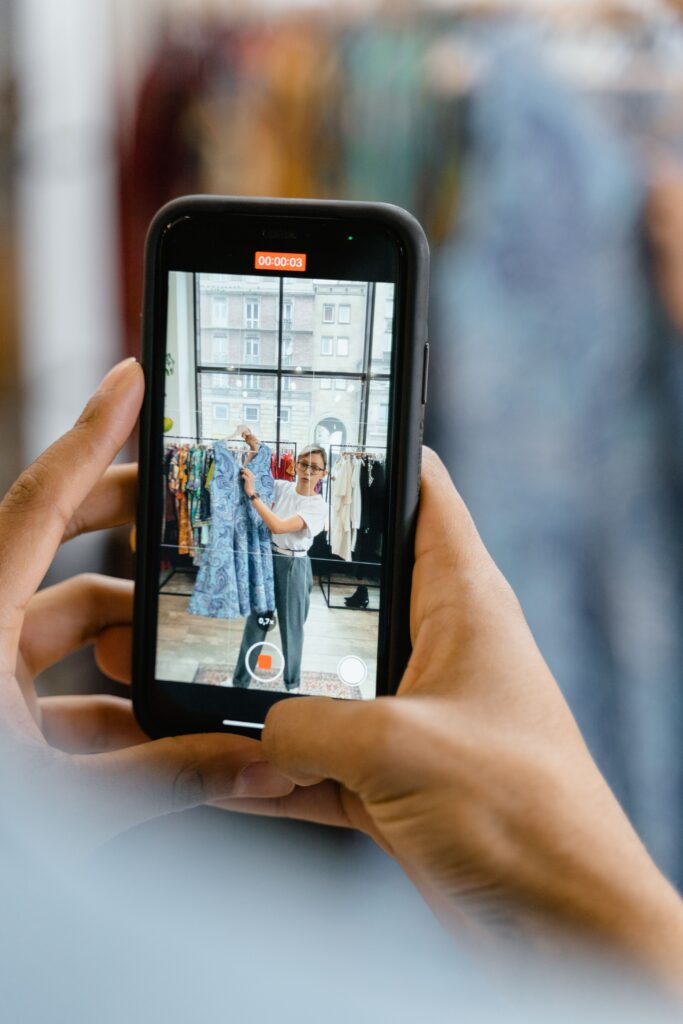
If your furniture and household items are still in good condition, selling them yourself is usually the best way to recover some of the money you spent.
Before listing anything, give it a quick clean, take clear photos in good lighting, and write an honest description. Mention any scratches, stains, or missing parts so buyers know exactly what they’re getting. Pricing your items fairly based on their condition will also help them sell more quickly.
Here are some of the most popular places to sell second-hand items in Japan.
Jimoty is one of Japan’s most popular local classifieds websites and is often compared to Craigslist. It’s especially useful for larger items because buyers usually collect them in person, so there’s no need to worry about shipping bulky furniture. Although the website is mainly in Japanese, many foreigners living in Japan use it successfully with translation tools.
Best for:
Mercari is Japan’s largest marketplace for second-hand goods. Unlike Jimoty, most items are shipped to buyers, making it a great choice for smaller belongings. The app also provides prepaid shipping labels, making the selling process simple and convenient.
Best for:
Facebook Marketplace is another popular option, especially among foreigners living in Japan. Since communication happens through Facebook Messenger, it’s often easier for English speakers to arrange pickups and negotiate prices.
Best for:
Many cities in Japan have dedicated “Sayonara Sale” Facebook groups where foreigners buy and sell second-hand belongings before moving. These groups are usually English-friendly, making them an excellent place to sell furniture, bicycles, kitchen appliances, and other household essentials.
Best for:
Although it’s not as popular as it once was, Craigslist Japan is still worth checking, particularly if you live in a larger city. Since many users are foreigners, communication is generally in English.
Best for:
If you don’t want the hassle of messaging buyers or arranging pickups, recycle shops are another convenient option. While you’ll usually receive less money than selling privately, they’re a great choice if your priority is simply clearing out your apartment.
One of Japan’s largest recycle shop chains, 2nd STREET purchases furniture, home appliances, clothing, bags, and household goods. Some branches also offer home pickup services for larger items.
Best for:
Hard Off specializes in electronics and gadgets. If you’re planning to sell your computer, gaming console, camera, speakers, or other electronics before leaving Japan, this is one of the best places to check.
Best for:
Part of the Hard Off Group, Off House focuses on furniture and household goods rather than electronics. You’ll find everything from kitchenware and home décor to camping equipment and baby products.
Best for:
Book Off is famous for buying second-hand books, manga, CDs, DVDs, and video games. Many larger locations also purchase smartphones, tablets, and other small electronics.
Best for:
Treasure Factory is another well-known recycle shop with locations throughout Japan. They purchase furniture, appliances, clothing, household goods, and even luxury brand items. Some branches also offer pickup services for larger furniture.
Best for:
WonderREX is especially popular in the Kanto region and buys a wide variety of second-hand goods, including furniture, electronics, sports equipment, designer goods, and collectibles.
Best for:
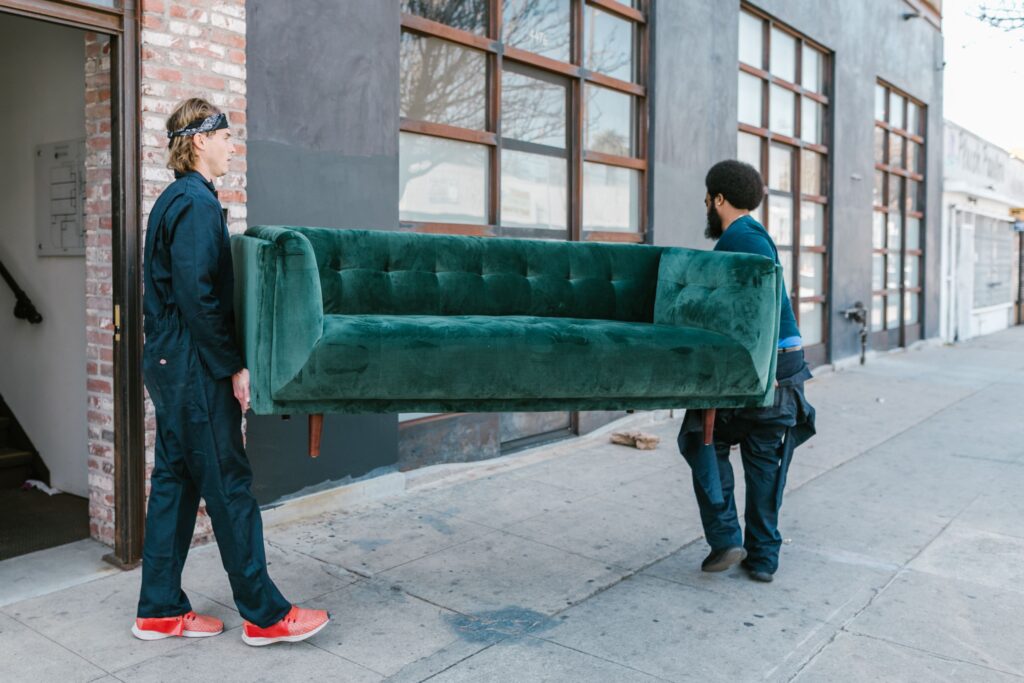
While it’s a good idea to start selling early, some items are simply too important to get rid of right away.
Your refrigerator, washing machine, bed, dining table, or desk may still be things you use every day until you’re ready to leave Japan. Instead of selling these first, focus on the items you no longer need, such as decorations, extra shelves, spare chairs, or unused kitchenware.
Once your moving date gets closer, you can arrange for buyers to collect your larger furniture a day or two before you move out.
For example, you could sell your bed frame a few days before your departure and simply sleep on the mattress for your final night or two. Mattresses can be more difficult to sell because many buyers prefer to purchase a new one for hygiene reasons, so you may need to dispose of it through your municipality’s bulky waste collection instead.
Similarly, your refrigerator and washing machine are usually among the last things to leave your apartment. Try arranging pickup shortly before you hand over your keys so you can continue using them until the end.
Unfortunately, not everything will sell.
For damaged or unwanted furniture, most municipalities offer a bulky waste collection service called Sodai Gomi.
Although the process varies depending on where you live, it generally involves booking a collection date, purchasing a disposal sticker, attaching it to your item, and placing it outside on the scheduled collection day.
Don’t wait until your final week. Collection appointments can fill up quickly, especially during Japan’s busy moving seasons in March and April.
If you’re running out of time or simply don’t want to deal with sorting everything yourself, a junk removal company may be the easiest option.
Companies such as ECO LAND and Kaitori 110 Ban can collect unwanted furniture, appliances, and household goods directly from your apartment. Some companies also purchase reusable items while disposing of everything else, allowing you to clear your home in a single appointment.
Although this is usually the most expensive option, it can save a tremendous amount of time if you’re moving on short notice.
Large appliances require a little extra planning because they fall under Japan’s Home Appliance Recycling Law.
Items such as refrigerators, washing machines, televisions, and air conditioners usually cannot be disposed of through regular bulky waste collection. If you purchased these appliances yourself, check your municipality’s website or ask your local electronics retailer about the proper recycling process.
If you’re renting, it’s also a good idea to confirm whether any appliances belong to your landlord before arranging disposal.

Packing doesn’t have to wait until the week before your flight.
Start collecting cardboard boxes a few weeks in advance. Many supermarkets and grocery stores give away sturdy boxes for free, making them a great way to save money on packing supplies.
As larger furniture begins to sell, consider disassembling desks, bookshelves, or tables ahead of time if possible. This makes collection much easier when buyers arrive and saves you from rushing around looking for tools at the last minute.
Packing a little at a time also helps you see exactly how much you still have left before moving day.
Before your departure, remember these simple tips:
Moving out of Japan doesn’t have to be overwhelming. By starting early and getting rid of your belongings little by little, you’ll have more time to sell valuable items, avoid unnecessary stress, and focus on preparing for your next adventure.
Whether you choose to sell online, visit a recycle shop, arrange a bulky waste pickup, or hire a junk removal company, having a plan will make your move much smoother and help ensure nothing is left until the last minute.