Looking for a part-time job in Japan? Learn the 28-hour work rule, visa requirements

Moving Preparation Checklist in Japan: What to Do Before, During, and After Moving Day
Moving in Japan can be…
•
10月 14, 2026

Looking for a part-time job in Japan? Learn the 28-hour work rule, visa requirements
Finding a part-time job in Japan can be a good way to earn extra income, gain work experience, and become more familiar with daily life in the country. However, if you are staying in Japan on a Student visa, Dependent visa, or another visa with work restrictions, it is very important to understand the rules before you start working. Be aware that a Spouse Visa (married to a Japanese National) is different from a Dependent visa (married to a Foreign resident who holds another visa status/permit) which allows the former to have no limits on whatever jobs or hours they work and the latter having more strict regulations.
Japan has many part-time job options that are readily available online, but not everyone can work freely and can have many limitations. Some visa holders need special permission first, and many are only allowed to work a limited number of hours per week.
If you want to learn more about visa related topics, check this out:

Before applying for any part-time job, the first thing you should check is your residence status.
If you are on a Student visa or Dependent visa, you are usually not automatically allowed to work immediately as soon as you receive your residence card or visa approval. You need to apply for a special permit called “Permission to Engage in Activity Other Than That Permitted Under the Status of Residence Previously Granted” at immigration usually after receiving your visa or you may also apply at the same time.
This permission allows you to do part-time work as long as you follow the rules. For many students and dependents, the basic limit is 28 hours per week and this can be quite strict.
This is not 28 hours per job. It means 28 hours total. For example, if you work 15 hours at a convenience store and 14 hours at an English school in the same week, that would already be 29 hours, which can become a problem.
For international students, there may be different rules during long school holidays, but it is always best to check with your school or immigration office before accepting extra shifts.
The 28-hour rule may seem simple, but it is one of the most important rules to follow.
Going over the allowed work hours can affect your visa renewal, your future applications, and your ability to stay in Japan. Even if your employer says this will not be an issue, you are still responsible for making sure your total hours stay within the legal limit by tracking them every week/month.
This is especially important if you have more than one job. Some people take two small part-time jobs without realizing that immigration looks at the total number of hours, not each job separately. It is important to coordinate with the companies you work at if you have several part time jobs to not exceed that number. Immigration is very specific on the number, but has not given a strict number for how much you can make.
There are many types of part-time jobs available in Japan, depending on your Japanese level, experience, schedule, and location. If you would like to get more help finding jobs, signing up for Hello Work in one of the branches closest to you is highly recommended.
Convenience stores, or konbini, are one of the most common part-time jobs in Japan. Staff usually handle the cash register, stock shelves, clean the store, prepare hot food, and help customers in the duration of their work hours.
This type of job usually requires some Japanese ability of at least N3 because you need to speak with customers. However, it can also be a good way to improve your Japanese quickly because you can interact with locals every day, and you hear and use every day phrases all the time.
Retail work can include clothing stores, drugstores, supermarkets, souvenir shops, or department stores. These jobs often involve customer service, arranging products, checking stock, and using the cash register and may be very similar to konbini jobs.
If you live in a tourist area, some shops may welcome English-speaking staff, especially if they have many foreign customers. However, basic Japanese is still usually helpful. In order to get these jobs, it is good to apply directly to their websites, attend job fairs, or join dispatch/recruiting companies that can place you in the right jobs.
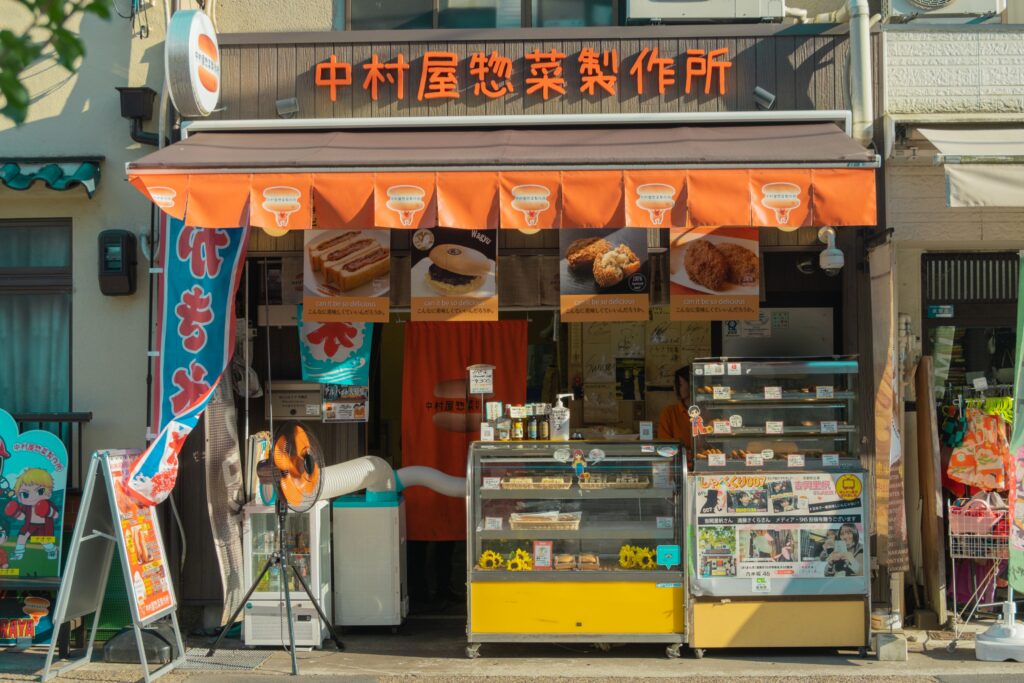
Cafes, restaurants, bakeries, and fast-food shops, izakayas often hire part-time workers. Jobs can include serving customers, washing dishes, preparing drinks, cleaning tables, or helping in the kitchen.
Some restaurants may accept workers with limited Japanese, especially for kitchen or dishwashing roles. Customer-facing positions usually require more Japanese such as bartending, working as baristas or wait staff.

Hotels may hire part-time workers for housekeeping, front desk support, breakfast service, or cleaning. Housekeeping jobs may require less Japanese than front desk roles, but it depends on the hotel. There are a lot of hotels or small inns that have a predominantly foreign workforce that require very little Japanese. In a lot of cases, you have more downtime in between work to rest or even listen to music while cleaning depending on how strict the policy is at each establishment.
Hotels in tourist areas may also appreciate staff who can speak English or other languages. This can be a good option for people who are comfortable working with travelers or those who don’t mind cleaning up rooms that may not be as tidy after checkout.
For English speakers, part-time English teaching can be another option. Some people work at English conversation schools, after-school programs, private lessons, or online teaching platforms.
This type of work is one of the most popular jobs available in Japan and may be easier to enter if you already have teaching experience, a clear speaking style, and a flexible schedule. Some jobs may require a degree, teaching certificate, or previous experience, while others may not.
Factory and warehouse jobs are also common part-time options. These may include packing products, sorting items, food production, checking goods, or working on an assembly line.
Some dispatch companies hire foreign workers for these jobs, and Japanese requirements may be lower than in customer service roles. However, the work can be physically tiring, and shifts may start early or end late, so it is important to check the schedule carefully.
Some people also find short-term modeling, event, or promotional work. This can include photo shoots, extra work, product promotions, or helping at events.
These jobs are not always stable, but they can be a good side option for some people. As always, you still need to make sure the work is allowed under your visa permission and that your total hours stay within the limit.

Remote work may also be possible, depending on your skills. Some people do online teaching, writing, translation, social media support, customer support, data entry, or virtual assistant work.
However, remote work can be tricky because people sometimes think that online work “does not count.” In many cases, paid work still counts, even if the company is outside Japan or the work is done from home. If you are unsure, it is safer to ask immigration or a professional before accepting the job.
While there are jobs in Japan that do not require fluent Japanese, having even basic Japanese can make your options much wider.
For customer service jobs, employers usually want workers who can greet customers, answer simple questions, understand instructions, and respond politely. You do not always need perfect Japanese, but you need enough to work safely and communicate with your team.
If your Japanese is still limited, you may want to look for jobs in kitchens, hotels, factories, warehouses, English schools, or international workplaces. You can also search for job postings that say “no Japanese required” or “basic Japanese OK,” but always read the conditions carefully.
Aside from visa rules, you should also think about income, health insurance, and pension.
If you are a dependent spouse, your income may affect whether you can stay under your spouse’s health insurance and pension coverage. Many people talk about the “income wall” in Japan, but the rules can be confusing because taxes, health insurance, pension, and company rules are not always the same.
In general, if your income becomes too high or your working conditions meet certain requirements, you may need to join your employer’s social insurance and pay your own health insurance and pension contributions.
This is not always a bad thing, but it can affect your take-home pay. Before increasing your hours, it is a good idea to ask your employer, your spouse’s company, or the health insurance provider what will happen.
For students, the situation may be different, so it is best to ask your school, city office, or employer before making assumptions.
Part-time work in Japan can be a great opportunity, especially for students, spouses, and people who want to earn extra income while building experience. There are many options, from convenience stores and cafes to hotels, factories, English teaching, retail, and remote work.
However, the most important thing is to stay within the rules of your visa. Get the proper permission before working, keep track of your hours, and be careful not to exceed the weekly limit.
It is also important to understand how your income may affect your insurance, pension, or dependent status. If you are unsure, do not just guess. Ask your school, employer, city office, immigration office, or a professional.
Japan has many part-time opportunities, but working legally and carefully will protect your stay and help you enjoy your life here with less stress.
Stay tuned for more exciting content like this! Follow us on our social media platforms and check out our blog regularly to stay updated on the latest news, trends, and insider stories from Japan. Don’t miss out on future updates. Sign up for our newsletter for exclusive content delivered straight to your inbox!