Typhoon Preparation in Japan: Guarding Against The Wind From Taiwan
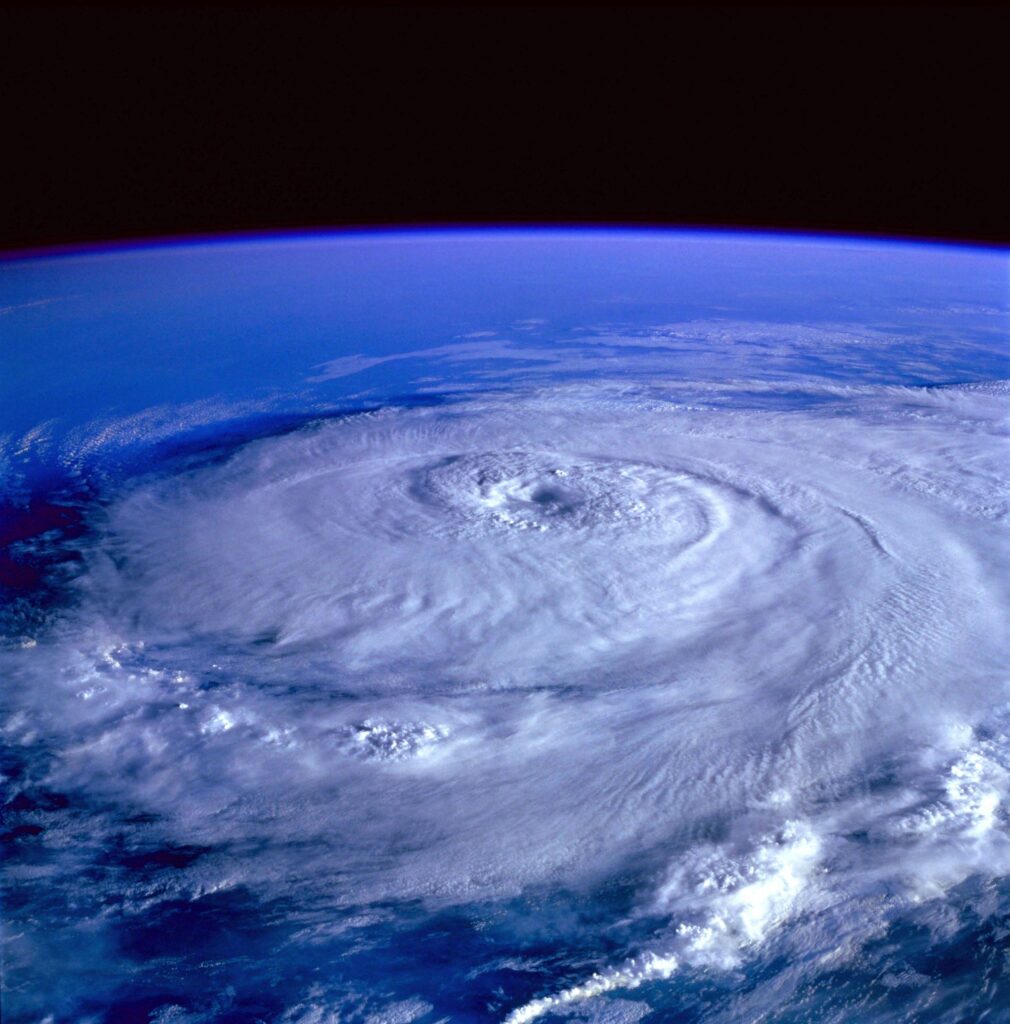
From space, it looks mostly like a pimple. A pimple that is moving faster than a person can run, with winds so strong they can push over a car. Typhoons are about the only thing that can get a Japanese ”salaryman” to leave the office early. Read on to find out why.
It used to be the only thing that could make a Japanese ”salaryman” leave the office early and go home. Putting up storm shutters used to be something all homeowners had to do if they wanted their houses to remain unaffected during the strong winds of a typhoon.
Most typhoons actually miss Tokyo. Even at the height of the season, which usually lasts from the end of June to August, there are rarely more than one typhoon per week. In recent years, typhoons have become both stronger and the season longer.
If you would like to know more about how typhoons are like in Japan, click the link here.
The typhoon is a whirlpool of air, clearly visible from space.
Typhoon: The Calm Eye Of The Storm
The center of the typhoon is actually relatively calm. You may have heard the expression ”eye of the storm” and this is literally true. The winds and rain may affect the city while the typhoon passes far out to sea.
The best tip on what to do in a typhoon is to stay put. While the strong winds (sometimes strong enough to lift a car) do not last more than a day, the rain that usually follows and comes before will make the Tokyo visit much less interesting.
In Tokyo, “staying put” is often safer than trying to move during the peak of a storm, as train lines usually implement “planned cancellations” (”keikaku unyu”). Major lines like JR East often announce service suspensions 24 hours in advance. The subways are less weather sensitive but large parts of their network are outdoors, which also affects operations.
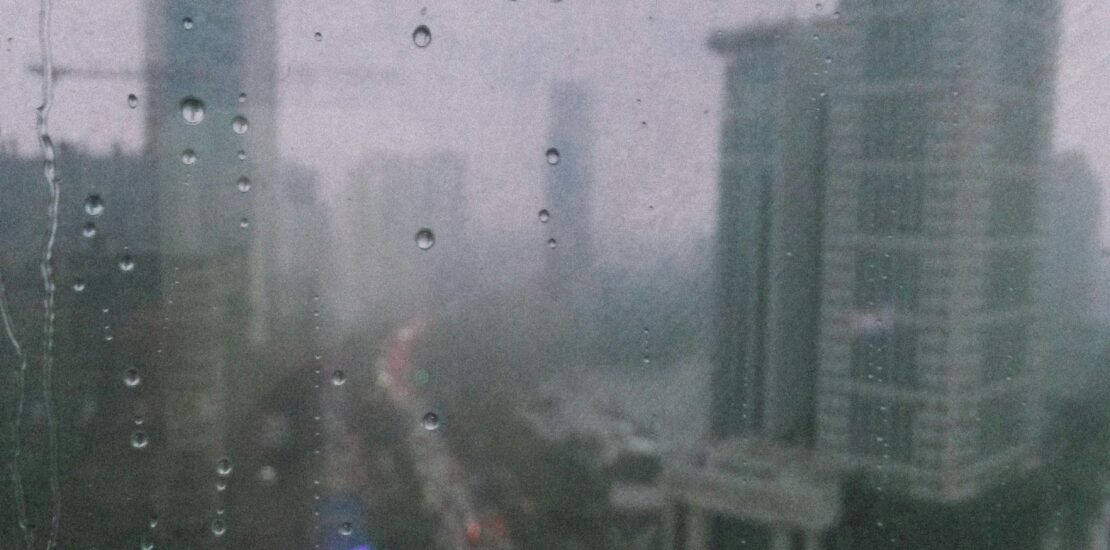
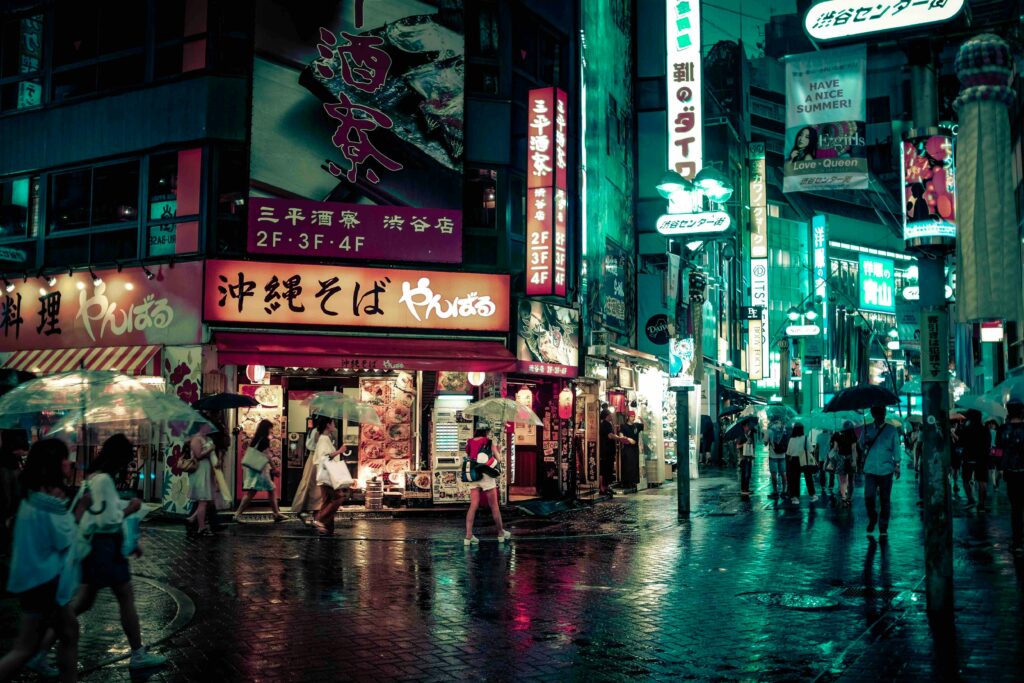
During a typhoon, the rain will make going out difficult.
Trains Will Be Cancelled During A Typhoon
Do not expect to reach the airport or another city once the wind picks up. At the peak of the storm, flights will also be canceled. It is better to relocate to a hotel near the airport, at least if you are flying from Narita. The Shinkansen trains (and other trains) will also be cancelled for the duration of the storm. Change plan accordingly.
If you stay in your room, make sure to learn the evacuation routes (especially when elevators are down) and ask about the evacuation areas for the hotel. Even though modern hotels in Tokyo are built to withstand high winds, you should confirm where the designated “secondary shelter” is if an evacuation is ordered.
In the room, make sure you know where the flashlight is, and other things you may need in an emergency. Do not lock your valuables in the safe, but keep them in a small bag you can easily bring along.
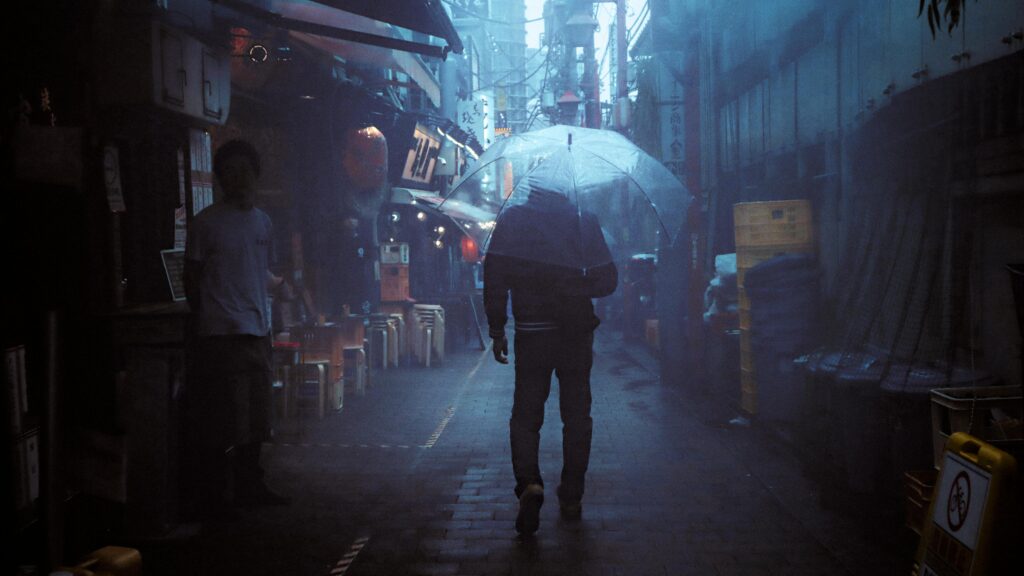
If you try to go out during a typhoon, be prepared for heavy rain.
Typhoon Hack: Raid The Convenience Store
Then, raid the convenience store for water and snacks, and maybe also cup ramen. While drinking water is rarely a problem in Tokyo, it is better to be prepared.
Then, charge all portable devices and power banks. If a hotel loses power, elevators will stop and Wi-Fi may go down (although the mobile network is guaranteed to stay up). And remember, cash works without a connection to a network. While Tokyo is increasingly digital, small shops or vending machines may only accept cash if the network fails during a power outage.
If you are outdoors and the wind becomes so strong that walking is impossible, seek shelter in a sturdy, concrete building (like a convenience store or station) rather than trying to push through to your destination.
But if you want to get out of the hotel, there is an even better tip: Go underground. Most of the big stations in Tokyo are connected to a network of tunnels that contain huge shopping malls and connect to the department stores. It is a perfect place to spend time while the typhoon blows itself out topside.
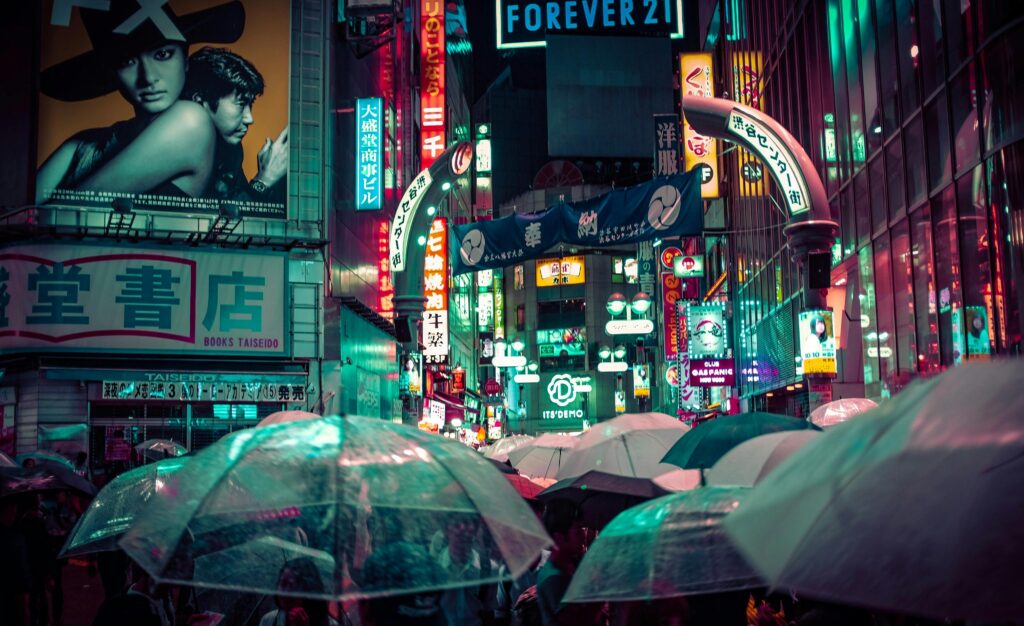
If you try to go out during a typhoon, listen to the English information first.
English Information Available Regarding Typhoons
If you are worried about what is going on, several English-language apps provide useful information. The Japan Tourism Agency Safety Tips app pushes weather warnings and evacuation instructions in multiple languages. NHK World-Japan provides live English broadcasts. During a typhoon, check their “L-Alert” (Local Alert) data. The Tokyo Disaster Prevention Map is an interactive site by the Tokyo Metropolitan government that shows open evacuation shelters and flood risk zones in real-time.
If you do not have the luxury of staying in a hotel, you have a lot more work on your hands. Residents must focus on mitigating damage to their property and long-term utility disruptions.
Remove everything from balconies (plants, laundry poles, sandals). These become lethal projectiles when the high winds howl through Tokyo’s high-rise corridors.
Clear The Drains
Clear leaves from balcony drains and rain gutters to prevent “internal flooding” into your apartment or house. Do not try to do this when the typhoon hits. Use the relative calm during the spring months to prepare.
Close the shutters (”amado”) if you have them. If not, close curtains and use clips to keep them shut; this prevents glass shards from flying inward if a window breaks. You may also use gum tape to tape a cross pattern over the window, which prevents any broken windows from falling apart.
Fill your bathtub with water. If the water supply is cut, this can be used for flushing toilets – not for bathing. Paradoxical as it may sound, water usage during the extremely heavy typhoon rains may be restricted.
The “Rolling Stock” is a 3-day minimum (ideally 7 days) of supplies. This is useful not just for typhoons, but for other disruptions like earthquakes as well.
Stock up on items that don’t require heating (canned fish, calorie bars, instant rice). Things that can be prepared with water from the pot come next. Cup Ramen comes to mind.
Make sure to have a minimum of 3 liters of water per person, per day. Like the food, the water bottles have to be rotated to be kept fresh.
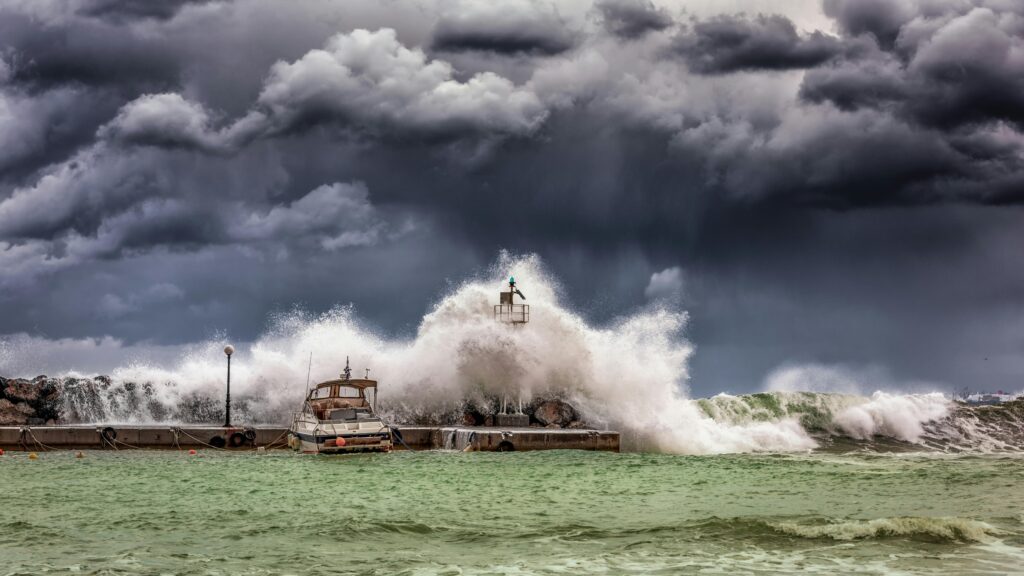
A typhoon not only brings heavy winds but also huge waves.
Bring Out The Emergency Bag
The emergency bags that all Japanese homes have contain a few other useful items. Emergency toilet bags (keidai toire) are essential, as you should not flush toilets during heavy rain to avoid sewage backflow in some older Tokyo wards.
Tokyo’s geography dictates your specific risk:
Large portions of the “Koto Five Wards” (Koto, Edogawa, Katsushika, Sumida, Adachi) are below sea level. If you live here, pay extremely close attention to Level 3 (Elderly Evacuate) and Level 4 (Everyone Evacuate) alerts regarding river flooding (Arakawa/Edo Rivers).
In the Western Suburbs (Tama Area), focus on landslide warnings (doshasaigai) if you are near slopes.
Stay tuned for more exciting content like this! Follow us on our social media platforms and check out our blog regularly to stay updated on the latest news, trends, and insider stories from Japan. Don’t miss out on future updates. Sign up for our newsletter for exclusive content delivered straight to your inbox!
Wisterian Watertree
Wisterian Watertree has been living in Tokyo and other Japanese cities for
the past 20 years, helping visitors get the best of Japan. He is the author of two
books, ”Take Your Toddlers To Tokyo” and ”Driving In Japan”, with more on the
way. You can read more on his website Japan Top 10, https://japan-top-10.com.