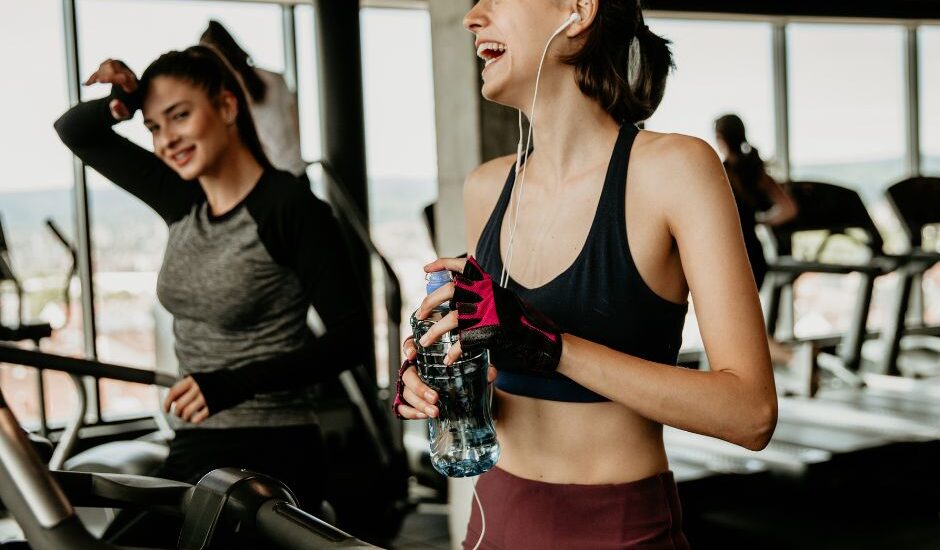
Moving to Japan can change your fitness routine more than expected. In some countries, joining a gym is simple: walk in, pay, and train. In Japan, the options are more varied, but the rules, paperwork, etiquette, operating hours, and pricing systems can feel confusing at first.
The good news is that Japan has a wide fitness ecosystem. You can choose from 24-hour gyms, budget “convenience gyms”, full-service fitness clubs, municipal sports centers, martial arts classes, yoga studios, swimming pools, running clubs, climbing gyms, personal training studios, and even outdoor exercise spaces. The challenge isn’t finding somewhere to work out, but finding the options that match your fitness goals, training style, schedule, budget, Japanese level, and tattoo situation (if applicable).
For expats, the best gym isn’t always the fanciest one; it’s the one you can actually use consistently.
Understanding Japan’s Fitness Culture
Gym culture in Kapan is usually clean, orderly, and rule-focused. People generally wipe down machines, return equipment properly, keep noise levels low, and avoid taking up too much space. Compared with some countries, you may see fewer people filming workouts, dropping weights, grunting loudly, or treating the gym as a social hangout.
This can be a good thing, especially if you prefer a focused and quiet workout session. Gyms often feel calm and well-maintained in Japan. But it also means that newcomers need to pay attention to local expectations.
Many gyms require indoor-only shoes. Some facilities may ask you to bring a towel and wipe down equipment after use. Many have strict rules about tattoos, phone use, machine time, or training barefoot. Public sports centers usually have fewer English signs, while private gyms in central Tokyo or international areas may be easier for non-Japanese speakers.
If you are used to flexible, casual gym environments, Japan may feel strict at first. But once you understand the system, it becomes easier.
Option 1: 24-Hour Gym Chains
For many working adults, the most practical option is a 24-hour gym. These gyms usually focus on weights, machines, cardio equipment, and convenience. They are useful if you work irregular hours, commute long distances, or prefer short workouts before or after work.
Major examples include Anytime Fitness (international subscriptions can be used in Japan), Joyfit, FastGym24, and other local 24-hour chains. Availability depends heavily on your neighborhood. In Tokyo, Osaka, Yokohama, Saitama, Chiba, and other urban areas, these gyms are often located near stations.
Anytime Fitness is one of the most recognizable options for foreigners because of its worldwide presence and many branches in Japan. Its Japan website specifically explains rules for international Anytime Fitness members and notes that visible tattoos should be completely covered before entering the facility; people showing tattoos may be asked to leave.
The appeal of 24-hour gyms is convenience. You can train whenever you want. Many branches are also unmanned during certain hours but accessible with a key fob or app. Equipment at these gyms is usually predictable: treadmills, bikes, cable machines, dumbbells, benches, squat racks, depending on location, and basic stretching areas.
The downside is that 24-hour gyms put a higher price on convenience. Monthly fees commonly vary by location, but many standard gym memberships in Japan fall somewhere around the ¥7,000 to ¥12,000 range, with some clubs higher depending on facilities and location.
A 24-hour gym is best for people who already know how to train and want flexible access. It may not be ideal for complete beginners who need personal coaching, people who prefer classes, or people who need English support.
Option 2: Budget Convenience Fitness Gyms
Japan’s newest budget gym category has grown quickly. The most famous example is chocoZAP, a low-cost, app-based “convenience gym” operated by Rizap Group. It’s designed for short, casual workouts rather than serious bodybuilding or athletic training.
The official chocoZAP price page lists the monthly fee as ¥3,278 with tax. The official site also promotes it as a 24-hour convenience-style gym with many locations nationwide. This kind of gym is appealing for beginners, busy workers, people intimidated by traditional gyms, and residents who just want to move more. Many locations are small and simple. You may find basic machines, cardio equipment, stretching areas, and sometimes additional services depending on the branch.
Some chocoZAP branches offer self-care beauty treatments like radio frequency machines and self-hair removal stations, teeth whitening machines, massage chairs, even karaoke rooms and laundry areas. It definitely goes beyond just working out and aims to complete the health and wellness experience.
For expats, the app-based system can be convenient, but you should check whether registration, payment, cancellation, and facility rules are manageable for your requirements and expectations. Budget gyms are best for casual consistency: 20 minutes before work, 30 minutes after errands, or a quick walk-and-machine session on days when motivation is low.
If your goal is powerlifting, bodybuilding, heavy barbell training, or structured coaching, then this option may not be enough. If your goal is simply to improve your cardio level, then a budget convenience gym is a great starting point.
Option 3: Full-Service Fitness Clubs
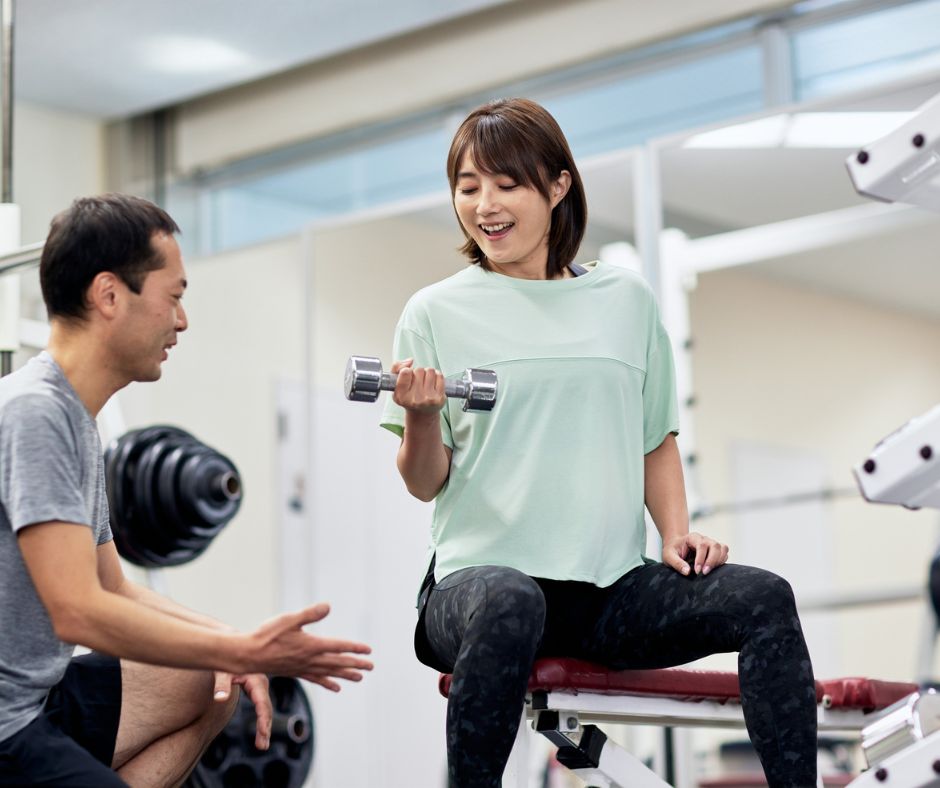
Full-service gyms are closer to traditional health clubs than just a typical gym. Examples include Central Sports, Konami Sports Club, Tipness, Renaissance, Gold’s Gym, and other regional clubs. These facilities may offer weight training areas, cardio zones, studio classes, swimming pools, saunas, baths, lockers, personal training, kids’ programs, and even sports courts.
They are more expensive but more complete when it comes to facilities. Central Fitness Club 24 Meguro, for example, lists several membership plans, including a 24-hour gym plan at ¥7,700 and other plan types depending on usage and services. Prices vary by branch, plan, and access level.
What you get in return is a more tailored plan for your fitness journey. If you like swimming, yoga, dance classes, sauna, stretching classes, or structured programs, a full-service club may be worth the higher fee. They are also useful for families because some clubs offer children’s swimming, gymnastics, dance, or sports classes.
The downside is the paperwork and cost structure. Many clubs have joining fees, registration fees, membership categories, campaign periods, cancellation deadlines, and rules around bank withdrawals or credit card payments. Some require Japanese address information, a phone number, ID, and a Japanese bank account or credit card.
Before signing up, you can ask about their joining fee, cancellation procedures, access to other branches, tattoo policy, studio class offerings, and their amenities. A full-service club is best for people who want comfort, variety, and facilities. It’s less ideal if you only need basic weights and cardio.
Option 4: Municipal Sports Centers
Municipal sports centers are one of Japan’s most underrated fitness options. These are public facilities operated by cities or wards, often called sports centers, gymnasiums, taiikukan or community sports centers.
These are usually cheaper than private gyms. Shibuya City’s official living guide lists sports facility fees of ¥400 for adults and ¥100 for elementary and junior high school students, with eligibility for people who live, work, or study in the city. The price range is often the same across different cities, with reduced fees for seniors, people with disabilities, and high-school students.
These centers often have training rooms, cardio machines, weight machines, pools, courts, martial arts rooms, and fitness classes. Some have surprisingly good equipment for the price. The biggest advantage to this option is flexibility. You often pay per visit instead of a monthly subscription. This is ideal if your schedule is volatile and you’re not sure whether you’ll use the gym enough to justify paying a monthly contract.
The disadvantages are language, equipment limitations, and rules. English support may be minimal. Some facilities require an orientation before using the training room. Free weights might be limited, and non-residents might need to pay a higher fee. You can check your city ward by typing your ward or city name plus any of the following: スポーツセンター, 体育館, トレーニング室, プール, or 個人利用.
Option 5: Personal Training Studios
Personal training in Japan is common, especially in cities. Studios range from luxury body transformation programs to small neighborhood trainers and private strength coaches.
Personal training is the best option if you’re new to exercising, recovering from injury, intimidated by gyms, or trying to learn proper form. It’s also useful if you need accountability. Many people fail at gyms not because they lack motivation, but because they don’t know what to do once they arrive.
Adding a personal touch usually means a higher cost. Personal training is significantly more expensive than a regular gym. Some studios sell two-month transformation packages while others sell tickets or monthly plans. Sessions range from ¥6000 to ¥15,000+, depending on the trainer, location, and package.
For English-speaking expats, Tokyo has trainers who market directly to foreigners. Search items like “English personal trainer near me” or “foreigner-friendly gym Japan” should get you started.
Before buying a package, ask for a trial session so you can gauge the trainer’s qualifications and communication style, confirm the cancellation rules, and ask about nutrition rules. Be cautious of studios that rely too heavily on extreme dieting, rapid weight loss claims, or expensive long-term contracts. A good trainer should explain the plan clearly and adapt it to your body, schedule, and goals.
Option 6: Yoga, Pilates, and Studio Fitness
Yoga and pilates are popular in Japan, especially among young women, office workers, and people looking for posture improvement, flexibility, stress relief, or low-impact training.
You will find large chains, boutique studios, hot yoga studios, reformer Pilates studios, community classes, and international teacher-led sessions available in Japan. Hot yoga is especially common, but it may not be suitable for everyone, especially if you don’t like heat, have high blood pressure concerns, or are sensitive to dehydration.
Studio fitness is useful because it removes the “what should I do today?” problem. You don’t need to create a routine or workout regimen; you simply show up, follow the class, and leave. It’s also less intimidating than a weight room for some beginners.
The drawback is that Japanese-language instruction may be difficult if you’re new. However, yoga and pilates are often visual enough that you can follow along after a few sessions. Some studios in central Tokyo even offer English or bilingual instructors.
It’s important to check cancellation rules carefully here. Some studios might require reservations through an app, and late cancellations may count as used sessions.
Option 7: Swimming Pools
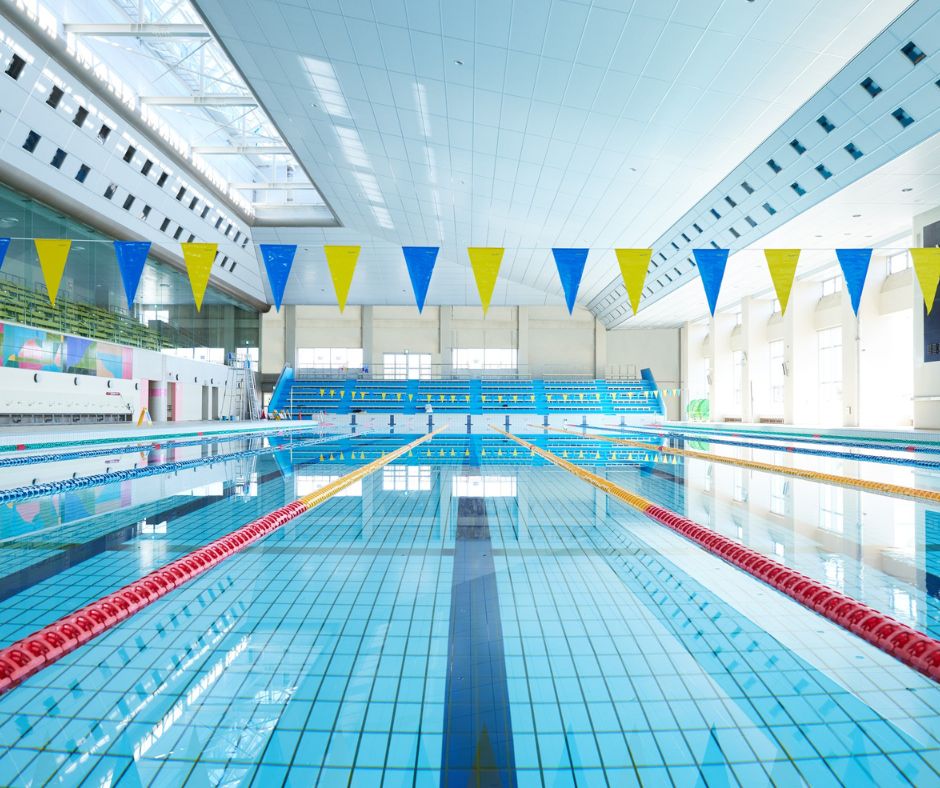
Swimming is one of the best fitness options in Japan because many municipal sports centers have indoor pools. If you dislike gyms, have joint pain, or want full-body cardio, swimming is a practical option.
Public pools are usually affordable, clean, and rule-oriented. Expect swim caps and proper attire to be required. Many pools divide lanes by speed or purpose, such as walking, slow, and fast swimming lanes. Some pools also close off some lanes for scheduled lessons. Watches (except fitness watches if allowed), jewelry, lotions, or certain swimwear may be restricted depending on the facility.
For expats, the main issue might be scheduling a workout. Some pools close for school use in the afternoon until closing time, maintenance, cleaning times, or public holidays. Always check the facility calendar before going.
Swimming is especially good for people who want consistent cardio without the impact of running. It’s also a strong rainy-season and summer option because you’re indoors.
Option 8: Running, Walking, and Outdoor Fitness
Not every fitness routine needs a gym or a paid subscription. Japan is excellent for walking and running if you choose the right routes. Large parks, riverside paths, palace loops, seaside promenades, and neighborhood greenways are popular. In Tokyo, famous running areas include the Imperial Palace loop, Yoyogi Park, Komazawa Olympic Park, and riverside routes along the Sumida, Tama, and Arakawa rivers.
Walking is also one of the easiest ways to build fitness in Japan because daily life already involves a lot of walking and staircases. The limitation of this option is the weather. Summer heat and humidity can be intense. The rainy season can disrupt outdoor routines. Winter mornings can be cold. If you rely only on outdoor exercise, it’s recommended to have backup options such as home workouts, municipal gym visits, or a budget gym membership.
Option 9: Martial Arts and Traditional Sports
Japan offers access to martial arts and traditional disciplines that may be harder to find elsewhere. Options include judo, karate, aikido, kendo, kyudo, jiu-jitsu, kickboxing, boxing, and sumo-related training environments.
Martial arts can be excellent for discipline, confidence, community, and language immersion. However, dojos vary widely. Some are beginner-friendly while others are intense and traditional. Some welcome foreigners easily, while others may expect a higher level of Japanese communication. If you’re interested, it’s best to visit first and watch a class if allowed. You can ask whether they’re open to beginners, what equipment is needed, if they offer trial lessons, and how fees work.
For children, local martial arts classes can also be a good way to integrate into the community. This option is best for people who want skill-based training, not just fitness.
Tattoos, Rules, and Foreigner Concerns in Fitness Centers
Tattoos remain one of the biggest fitness-related concerns for foreigners in Japan. Policies vary by facility, but many gyms, pools, spas, and sports clubs require tattoos to be covered or prohibit visible tattoos. Anytime Fitness Japan’s international member guidance, for example, explicitly asks users to completely cover visible tattoos before entering and notes that people showing tattoos may be asked to leave.
This policy is nothing against foreigners but is connected to Japan’s long-standing association between tattoos and organized crime, though attitudes are slowly changing. Still, rules are rules, and staff may enforce them even if your tattoo is small or decorative. If you have tattoos, don’t assume; ask before joining if covering them would suffice.
What You Usually Need to Sign Up
Requirements vary, but many gyms require a residence card or ID, Japanese address, Japanese phone number, credit card or bank account, emergency contact, initial fees, membership application, app registration and a signed agreement or rules form.
Some gyms are fully app-based while others still require in-person registration. Municipal gyms may only need a ticket and basic registration, but some require proof that you live, work, or study in the area.
Cancellation rules matter. In Japan, some memberships must be cancelled by a specific date of the previous month. For example, if you miss the deadline, you may be charged for another month.
Unique Tips for Expats
Here are a couple of tips when looking for your fitness studio:
- Visit your target gym at the exact time you plan to train. A gym that looks empty at 2 pm may be packed at 7:30 pm.
- Check the dumbbell limit if you lift heavy. Some Japanese gyms have lighter free-weight selections than you may expect.
- Look for gyms near your station, not only near your home. A station-adjacent gym is easier to use after work and gives you fewer chances of cancelling compared to going home first, then working out.
- Ask about indoor shoes before your first visit. Some facilities won’t let you train in outdoor sneakers.
- If your Japanese is limited, take screenshots of important rules and translate them before your first workout.
- For municipal gyms, bring cash. Some older facilities may still rely on ticket machines.
- Don’t assume all branches of a chain have the same rules. Tattoo enforcement, equipment, staff support, and crowding can vary by branch.
- For women, check the changing room setup, late-night safety, and whether the gym is staffed during your preferred hours.
- For parents, check sports centers. Local facilities often have children’s classes, pools, martial arts, gymnastics, and family-friendly programs at lower prices than private clubs.
Fitness in Japan is not a one-size-fits-all. The country offers everything from ¥300 municipal training rooms to premium full-service clubs, from quiet 24-hour gyms to personal training studios and traditional martial arts dojos.
For expats, the most important step is understanding the local system. Rules are stricter, and there might be more paperwork. Tattoo policies may be uncomfortable, and English support may be limited. But once you find the right setup, staying fit in Japan can be very accessible.
Stay tuned for more exciting content like this! Follow us on our social media platforms and check out our blog regularly to stay updated on the latest news, trends, and insider stories from Japan. Don’t miss out on future updates. Sign up for our newsletter for exclusive content delivered straight to your inbox!