After months of hearing about juken, hensachi, and deadlines, families eventually arrive at the biggest
question of all: Which high school should we actually choose?

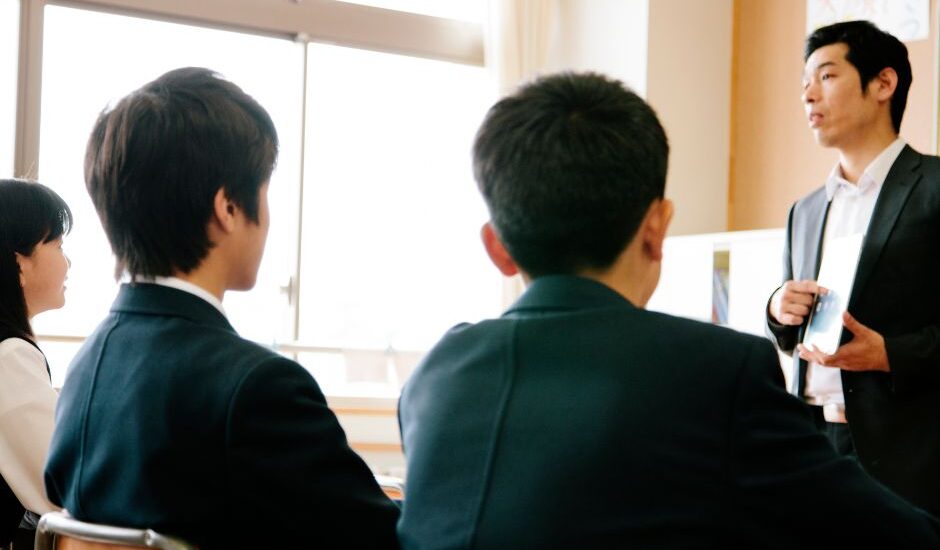
After months of hearing about juken, hensachi, and deadlines, families eventually arrive at the biggest
question of all: Which high school should we actually choose?
After months of hearing about juken, hensachi, and deadlines, families eventually arrive at the biggest question of all: Which high school should we actually choose?
By this point, you’ve probably attended school fairs, sat through information sessions, collected more brochures than you expected, and had at least one intense parent-teacher meeting. The pressure can make it feel like you’re choosing between “success” and “failure.” You’re not. Choosing a high school in Japan is not about picking the highest-ranking option your child can barely get into. It’s about choosing an environment where they can realistically grow for the next three years.
Let’s break down what actually matters.
Before comparing individual schools, you need to decide what kind of system fits your child and family requirements. The choice lies between public and private high schools.
With public high schools, there’s a standardized entrance exam (usually on the same day across the prefecture). It’s heavily academic and test-driven. There’s strong peer competition and fewer admission routes other than the entrance exam and interview. On another note, the tuition is much lower than that of private schools.
Public schools are often seen as the traditional path. They can be excellent – but they are rigid. If your child thrives in structured, exam-oriented environments, this may suit them well.
Meanwhile, private high schools come with higher tuition and other fees, although they offer greater flexibility in evaluation and can offer discounts such as waiving the ¥250,000-¥300,000 admission fee for the recommendation route. Private schools also offer more variation in curriculum and often stronger pastoral or academic support systems.
Private schools are not just “backup options” if a student fails the public school entrance exam. Many offer unique programs – international tracks, advanced English curriculum, specialized science courses, arts-focused programs, or strong university preparation support.
You can start by asking: Is flexibility important? Is budget a major constraint? Does your child need a more supportive or competitive environment? This decision narrows the field immediately.
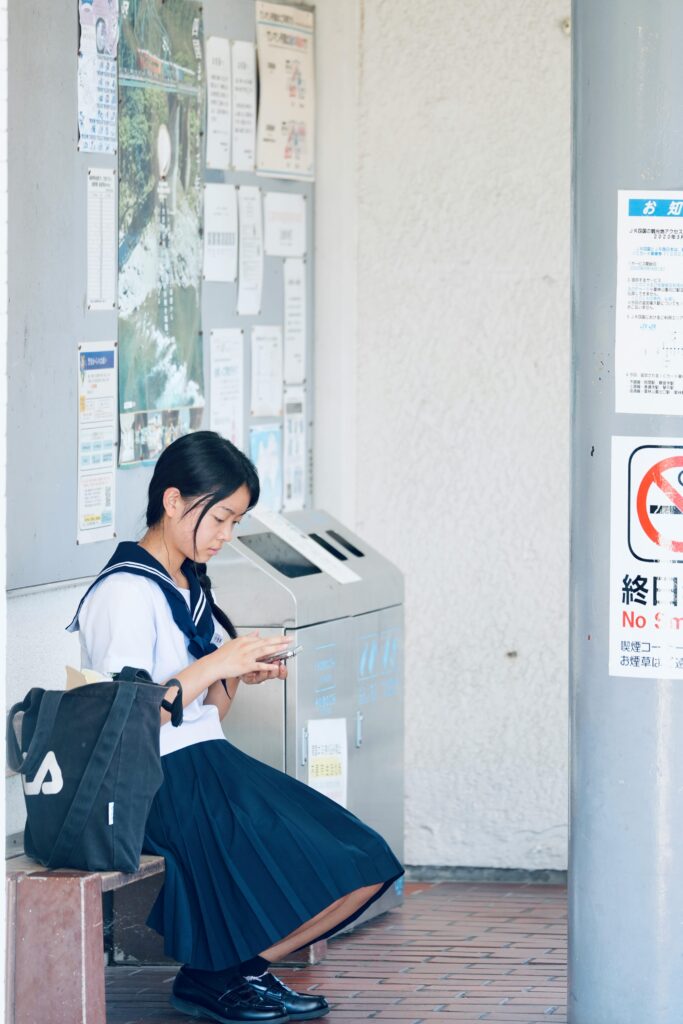 In Japan, commuting is normal. But a long commute during high school is very different from commuting as an adult. We took an incredibly long time mapping out our daughter’s school picks, making sure transfers were minimal, and accounting for the time it takes from the house to the nearest station. Ask yourself: “How long is the total door-to-door commute? Is the route reliable in bad weather? Are there alternate routes in case of train or bus delays? Will your child still have energy for homework, cram school, or clubs, in addition to travel time?”
An extra 40 minutes each way quickly adds up to over six hours per week. Over three years, that’s significant. A slightly lower-ranked school closer to home may lead to a happier, more balanced high school experience.
Not all high schools are built the same. Some are focused on preparing students for tertiary school and are academically intense. Others are balanced academically but with a strong club culture. There are schools that are international or English-focused or are STEM-heavy. Japan also has vocational or skills-oriented high schools.
You can take a look at the required subjects, streaming or tracking options, university admission statistics, and whether the school supports the path your child is considering. If your child already has interests such as medicine, design, overseas study, business, or art, you can check whether the school curriculum aligns with those goals. This is where open campus visits become invaluable because brochures and websites rarely tell the full story.
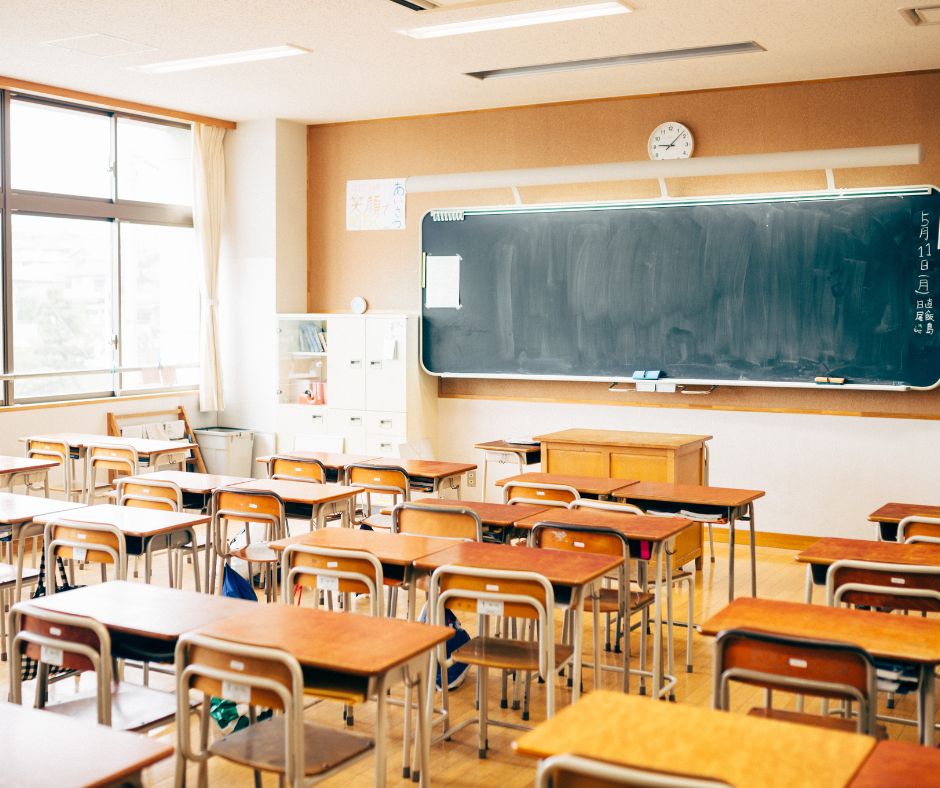 One of the hardest decisions families face during this time is aiming slightly above their child’s hensachi and risk struggle, or going for slightly below and allowing them to excel the next three years. There is no universal answer. But here are realistic considerations. Choosing a school significantly above your child’s academic positioning may mean constant academic pressure, feeling behind peers, studying extra hard for the entrance exam, and increased stress.
Meanwhile, choosing a school slightly below may mean a higher class ranking, stronger confidence, more leadership opportunities, and better university recommendation chances in the long run. Some students thrive under pressure. Others flourish when given space to lead. Knowing your child matters more than chasing prestige.
Two schools with similar hensachi can feel completely different. Pay attention to student behavior during visits, teacher-student interactions, whether students seem tense or relaxed, and how administrators speak about students. It might seem superficial, but each school has an aura and environment that will click with your child. Can they see themselves in those hallways and classrooms the next three years? Sometimes their instinct tells you more than rankings do.
Private high schools will cost significantly more than public ones. For example: ¥25,000 (entrance exam fee), ¥250,000 (admission fee), ¥150,000 (facility equipment fee), ¥33,000 (monthly tuition fee), ¥15,000 (monthly lunch fee), ¥90,000 (teaching material cost), ¥190,000 (uniform, sports clothes, etc), ¥80,000 (Chromebook), and school trips which can reach up to ¥600,000 if abroad. Some of these are annual, while others are monthly or installments like tuition. Meanwhile, public school admission fees range from a few thousand to over ¥10,000 which is significantly lower than private schools. Tuition is also heavily subsidized by the government. The average annual total fees are around ¥500,000.
However, you can still consider the following, which are available options via the private high school route: government tuition assistance programs, scholarships (some private high schools waive the admission and facility fee through the recommendation route), and commute savings if the school is closer or more accessible. The cheapest option may not always be the least expensive in the long term. Nor is the most expensive automatically the best.
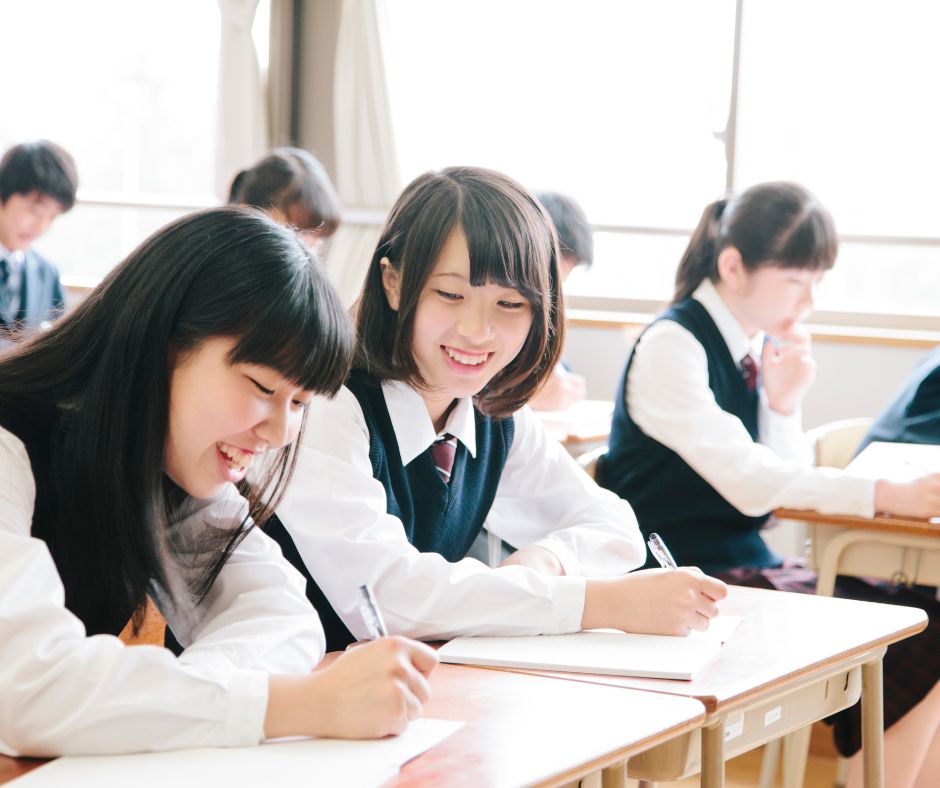
It’s tempting to take full control “for their own good.” But high school is their next chapter, not their parents’. Instead, you can present options clearly, discuss pros and cons together, be honest about financial and academic realities, and get them involved in the decision-making process, which will provide priceless experience for them. You don’t need to hand over the steering wheel completely, but they should feel like a passenger with a voice, not cargo.
There is no perfect school. There is only the school that fits best right now. In three years, your child will be stronger, more independent, and more aware of who they are. The goal is not to choose a school that defines them – it’s to choose a school that will support their growth. The juken process makes everything feel urgent and permanent. It isn’t. This is why we had to make sure our daughter wasn’t affected when her teacher said, “Those who go to private schools are lazy and choose the easy way out.” Those comments are baseless and could do more harm than good to students.
And if you’re in this stage now, collecting brochures, comparing hensachi ranges, pinning distance on Google Maps, checking train schedules, running tuition calculations, you’re doing exactly what’s supposed to be done.
Stay tuned for more exciting content like this! Follow us on our social media platforms and check out our blog regularly to stay updated on the latest news, trends, and insider stories from Japan. Don’t miss out on future updates — sign up for our newsletter for exclusive content delivered straight to your inbox!