Discover Shinjuku beyond its famous station, from historic trading routes and skyscrapers to art museums, observation decks, Kabukicho, Shin-Okubo, and hidden cultural landmarks.

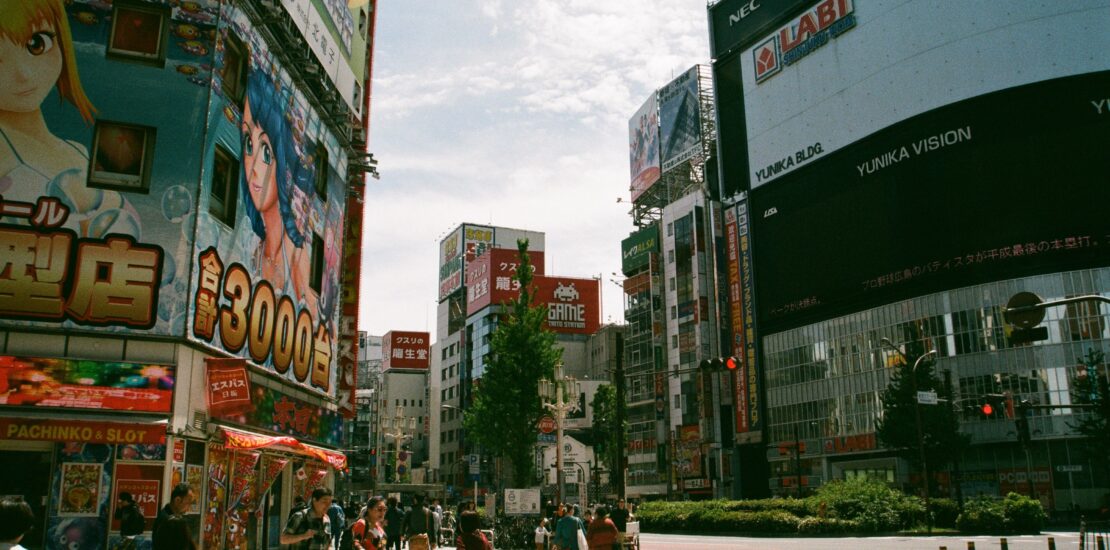
Discover Shinjuku beyond its famous station, from historic trading routes and skyscrapers to art museums, observation decks, Kabukicho, Shin-Okubo, and hidden cultural landmarks.
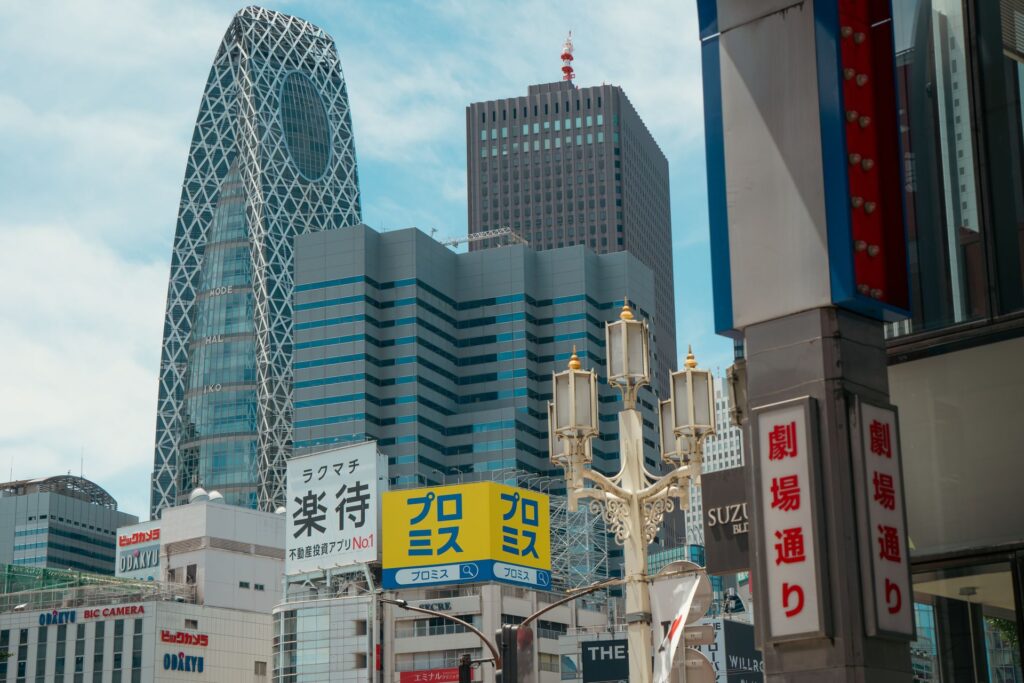
But Shinjuku-ku (or Shinjuku City) is much more than the station — even if it shapes its surroundings almost as much as the nearby skyscraper district. Shinjuku sits almost halfway between Tokyo Station on the Yamanote line, but the fastest way between them is the Chuo line, which bisects the Yamanote line and cuts travel time down to 13 minutes. The trains leaving Shinjuku Station are mainly bound south and west, taking them towards Yamanashi and Yokohama.
Shinjuku-ku itself surrounds the Westernmost part of the Yamanote line, the iron band that binds central Tokyo together. It stretches from Taladanobaba in the north (you can almost see Ikebukuro from there) to Yoyogi in the south, at the edge of Shibuya. Shinjuku borders the even more urban wards of Chiyoda to the east, Minato and Shibuya to the south, Bunkyo to the north; and the more rural and residential Nakano and Toshima to the west and north.
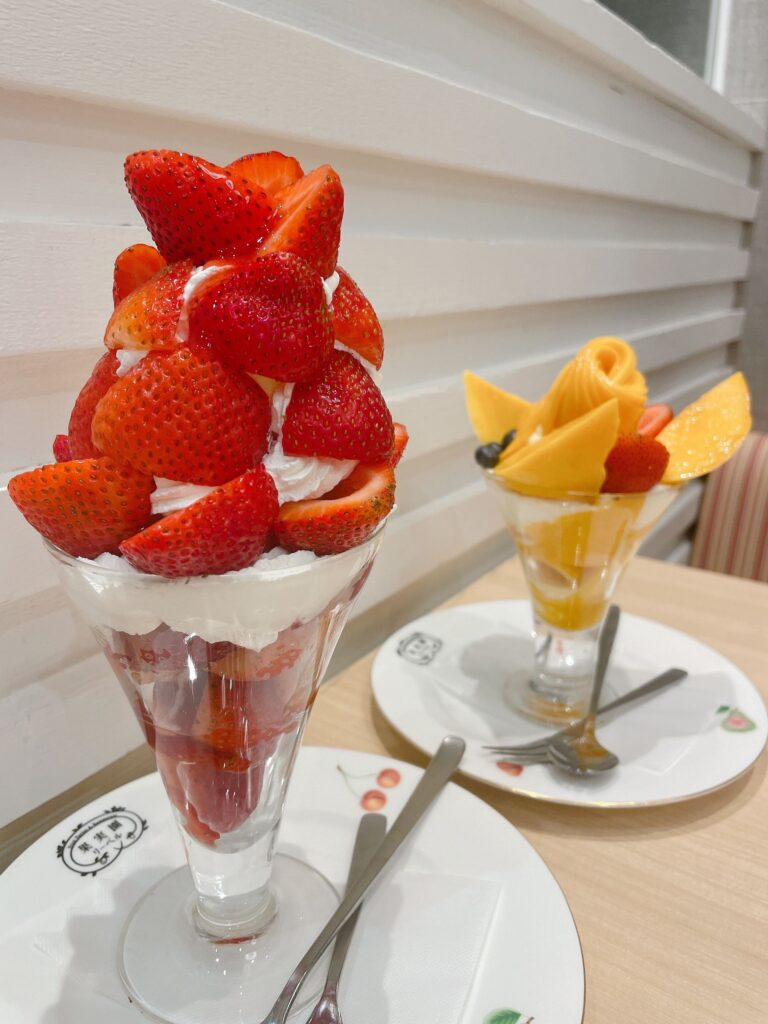
When the railroads were built in Japan during the early 20th century, Shinjuku was already a long-established way station for travelers and goods to and from the Yamanashi region, today famous for its wines, but more famous for its grapes during the Edo era. Fruit was a highly priced (literally) delicacy in the palaces of the daimyo, the feudal lords who were forced to keep their families as hostages in Edo. This is why you will still find fruit stores with three hundred-year histories in the area surrounding Shinjuku Station.
Shinjuku remains a major shopping destination, with several shopping centers around Shinjuku Station and the venerable Takashimaya department store at the south exit. A bit further to the east is Isetan, once the apex of style and class in Tokyo, and still hard to beat in terms of quality. If you are curious about Japanese sweets (both modern and traditional) and modern Japanese cuisine, try the cavernous Isetan basement. Many stores still offer free samples, to an extent that it will last you through a morning snack.
The Shinjuku area was established as ”Naito-Shinjuku” (the new Naito rest area) in 1698, and was during the Edo era a not very remarkable area encompassing the western part if the green ring around Edo Castle. But that changed in 1923.
The Great Kanto Earthquake made a mess of the center of Tokyo. But the Shinjuku area, then at the edge of the center, had much harder soil and largely withstood the damage. As this coincided with the train lines being built out throughout Tokyo, Shinjuku became first a transport hub and then, as the highrises started going up after the devastation of WWII, the center of the salaryman culture.
Van Gogh in a Skyscraper
Today, the office highrises are still there, as are the hidden treasures inside them — starting with the world-famous Van Gogh painting ”Sunflowers” in the Sompo museum, which also features original paintings by Gauguin and Cezanne. But many offices have moved out, and there are temporary and permanent art exhibitions all around the district.
For instance, in the Bentencho area, near Waseda University, there is a museum dedicated to popular artist Yaoyi Kusama, famous for her polka dotted objects. The museum is highly personal and almost guaranteed to show you a different angle on the artists work.
But this is not the only personal museum in Shinjuku. The area has several preserved studios from the 19th and 20th century where it is possible to see how Japanese art and literature developed during this exciting period. In Bentencho, the home of author Natsume Soseki has been turned into a memorial museum, with the nearby cafe featuring the Kuya Monaka from the novels of the author; and north of the center of Shinjuku, almost in Ikebukuro, is the preserved atelier of artist Nakamura Tsune. His paintings show the intetsectipn between old and modern Japan, while the studio itself preserves a Tokyo that is even hard to imagine today.
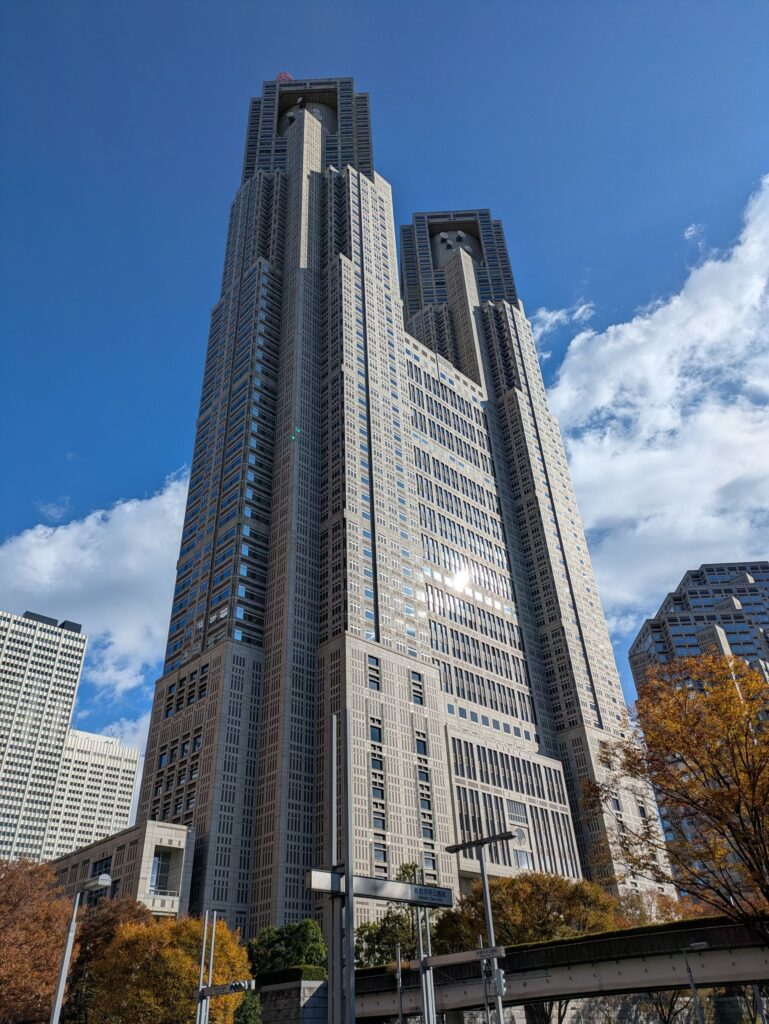
You might think the view of Tokyo would be the best from the highrises, and some of them actually have restaurants offering romantic dinners on the top floors, while the rest are occupied by more mundane businesses and surrounded by hotels. But none can beat the view from the twin towers of the fururistic Tokyo city office, which has one additional great advantage: It is free.
The sights in Shinjuku includes the location for what is probably still the best movie about the Western encounter with Japan, ”Lost in Translation”. Most of the film was shot in Shinjuku and you can recognize the places as you walk around the streets, especially at night.
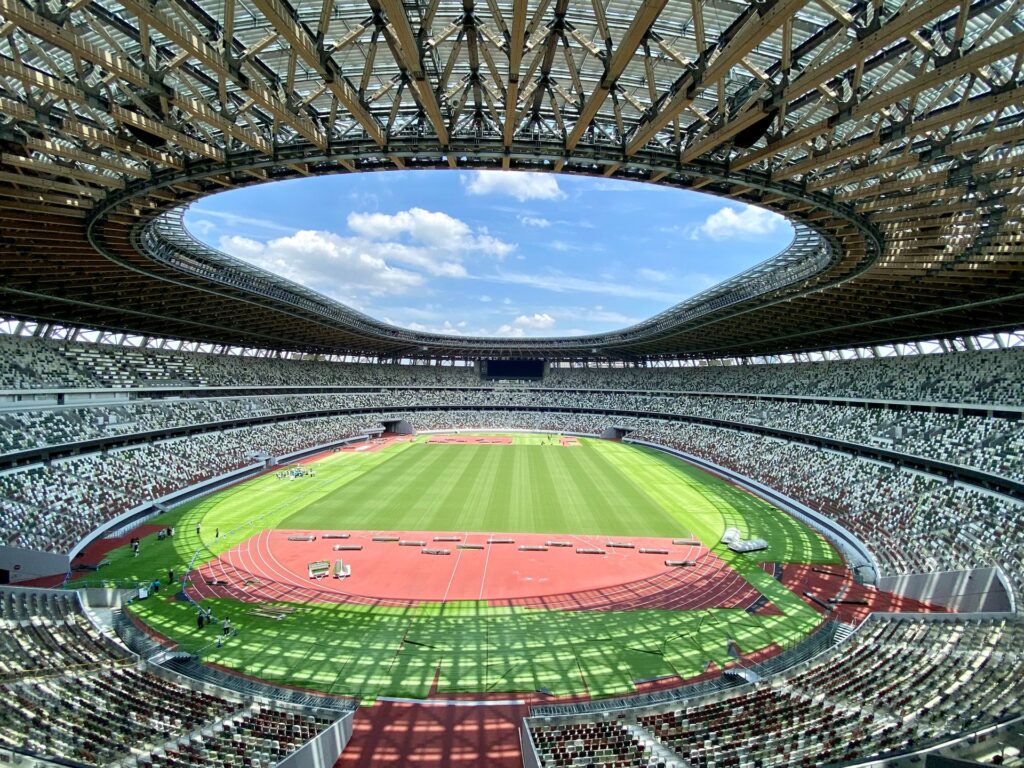
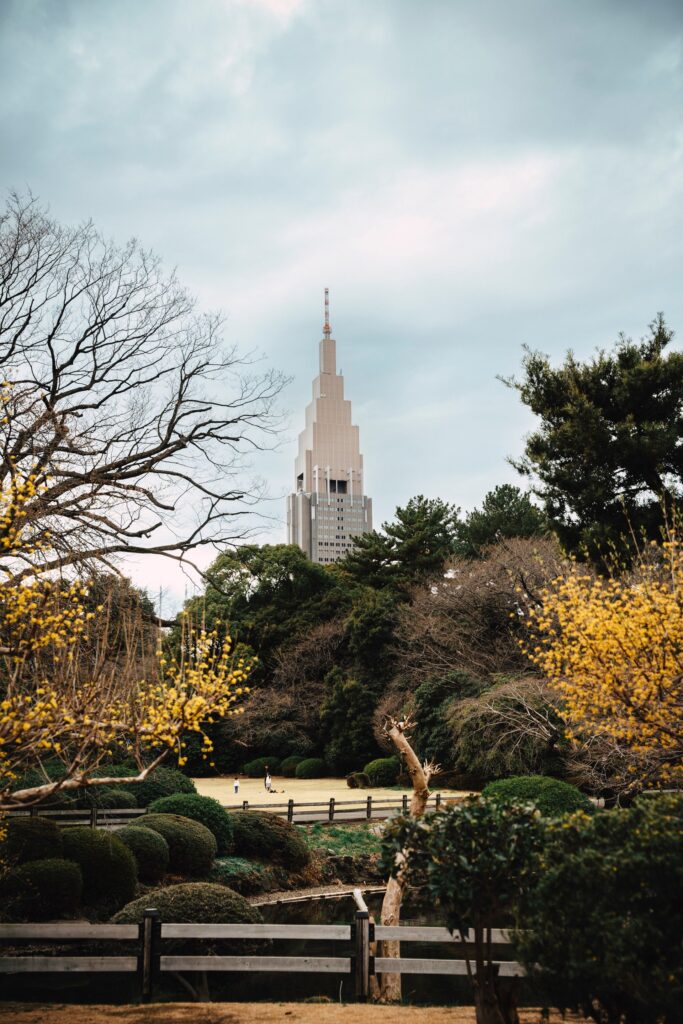
The city office is not the only majestic building in this part of Tokyo. While the architecturally famous buildings are in Shibuya, the National Stadium, constructed for the 2020 Olympic Games in 2021, is located in the southern part of Tokyo, together with several buildings originally constructed for the 1964 Olympic Games, but renovated and re-used in 2021; they are located in the Meiji Jingu Gaien area where the city still maintains a number of sports complexes. And bordering on Shibuya sits the NTT Docomo headquarters, where the largest monile operator of Japan resides, making for an arresting needle silhouette piercing the sky.
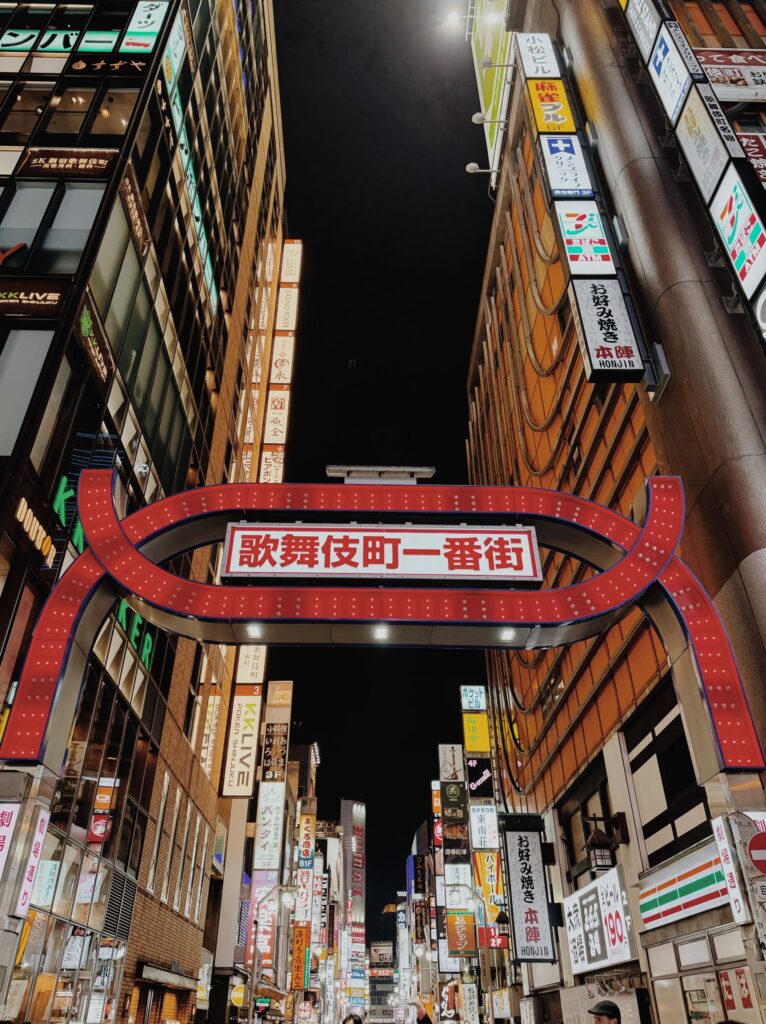
Art and views is not the only entertainment Shinjuku has to offer. The Kabukicho area is now both safe and a developing zone for e-sports and escape rooms, anchored around the Godzilla statue and the new Kabukicho tower – although it is surrounded by the seedy clubs and love hotels of a bygone era. It borders, though, on the fastest booming enclave of Tokyo, Koreantown in Shin-Okubo, where Japanese go to get a (literal) taste of Korea. Skip the chicken and try the Sundae, but do not get put off by its looks – it is a blood sausage, after all.
But while Korean culture has become an integral part of Japanese entertainment (especially the boy bands – there are several which originate in Shin-Okubo), more traditional high culture is also heavily featured in Shinjuku. Or low culture. The museums in this part of the city include the toy museum (with probably the worlds finest collection of antique Japanese toys), and the fire museum, celebrating the Tokyo fire brigade and its forebears, going back to the founding of the city.
Stay tuned for more exciting content like this! Follow us on our social media platforms and check out our blog regularly to stay updated on the latest news, trends, and insider stories from Japan. Don’t miss out on future updates — sign up for our newsletter for exclusive content delivered straight to your inbox!