Your Mental State

I’ve said it before and I’ll say it again: my background is in psychology, and I genuinely care about advocating for mental health awareness. I’m especially passionate about supporting people who are trying to take care of their mental health while living in Japan, because it’s not always easy—and it’s not talked about enough.
First and foremost, if you’re reading this, please know this: you are not alone.
So many foreigners in Japan—and many Japanese people as well—struggle with mental health challenges. Culture shock, language barriers, work pressure, loneliness, seasonal changes, and being far from home can all quietly add up. If you’ve ever doubted this, just take a quick look at Reddit or online expat communities, and you’ll see how common these feelings really are.
Being overwhelmed or confused or at a loss is okay. You’re human.
Mental Wellness in Japan
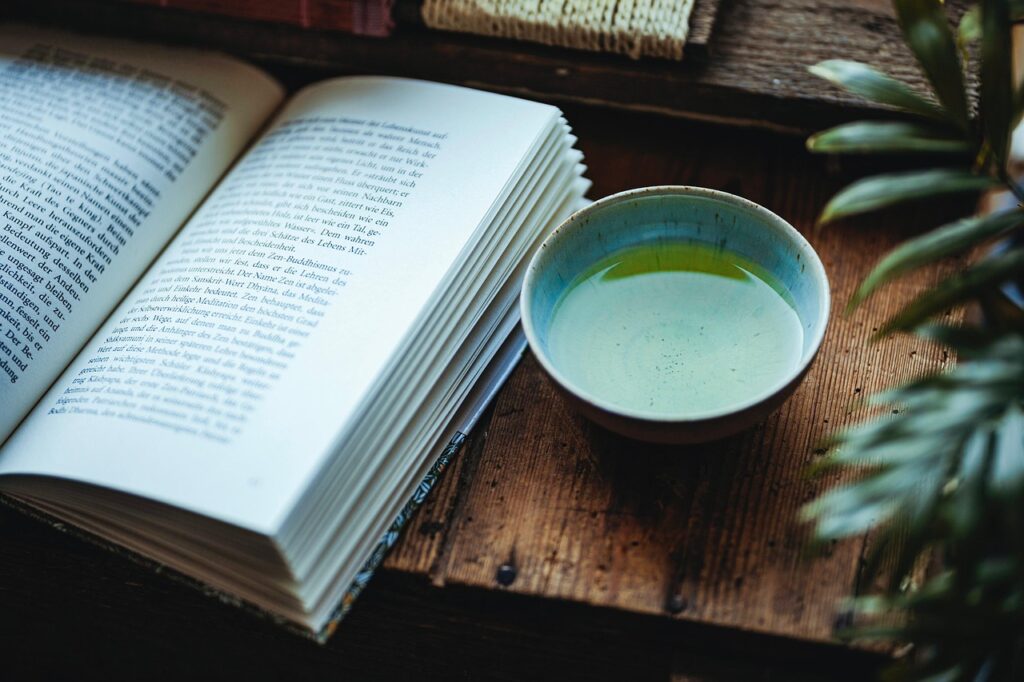
Despite its challenges, Japan also offers countless opportunities to support your mental health and emotional well-being. From nature-based healing practices to mindfulness traditions, Japan has a long history of gentle, restorative self-care.
My goal with this article is to share mental health activities for living in Japan that feel realistic and culturally relevant—things you can actually do, whether you live in a tiny Japanese apartment or a busy city like Osaka, Tokyo, or Kyoto.
As you read through these suggestions, I want you to keep one important thing in mind:
Humans need to nourish the chemicals that help us feel good.
Those three key chemicals are serotonin, oxytocin, and dopamine.
When you start thinking about how to support these daily—even in small ways—you naturally begin to build a healthier, happier lifestyle. Not just in Japan, but anywhere in the world.
It’s Okay To Not Be Okay
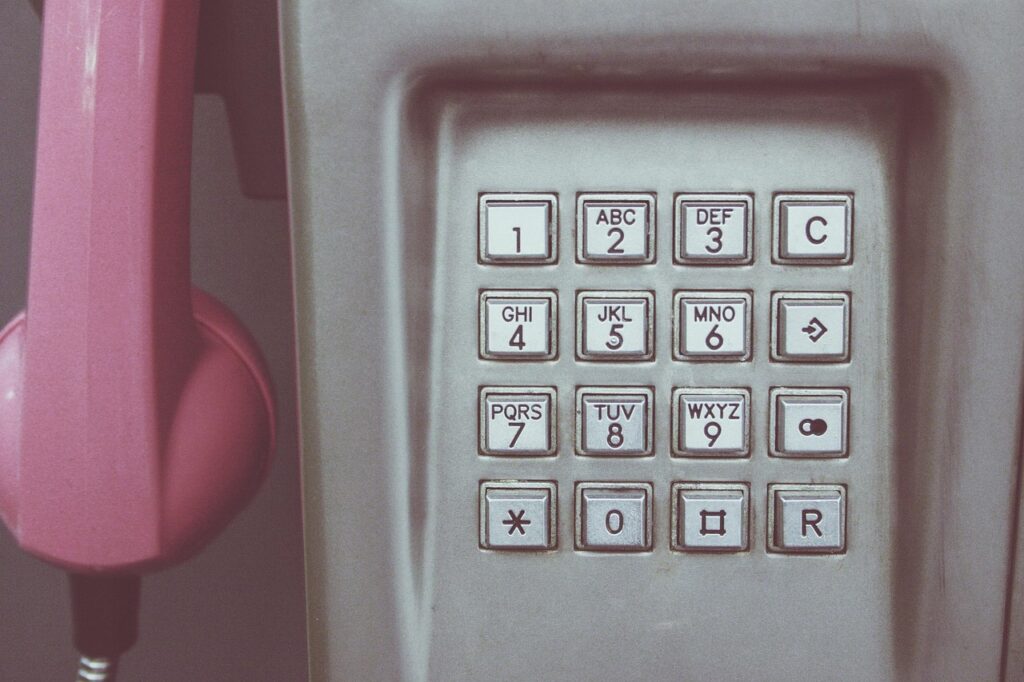
Before going any further, I want to pause here and share some important mental health resources in Japan. While self-care practices can be incredibly helpful, there are times when extra support is needed—and that’s okay.
If you or someone you know is experiencing a mental health crisis, please reach out to one of the resources below, especially in emergency or dangerous situations.
Consultation Websites/ Emergency Hotlines/ Crisis Support
- Yorisoi Hotline (よりそいホットライン)
📞 0120-279-338
(Available in multiple languages)
Support for issues related to visas, nationality, work stress, family problems, discrimination, domestic violence, isolation, and more.
- TELL Japan
📞 03-5774-0992
One of the most well-known mental health support services for foreigners in Japan.
- Counseling in Kyoto
Offers professional counseling services in English.
Please don’t hesitate to reach out.
5 Mental Health Tips for Living in Japan
-
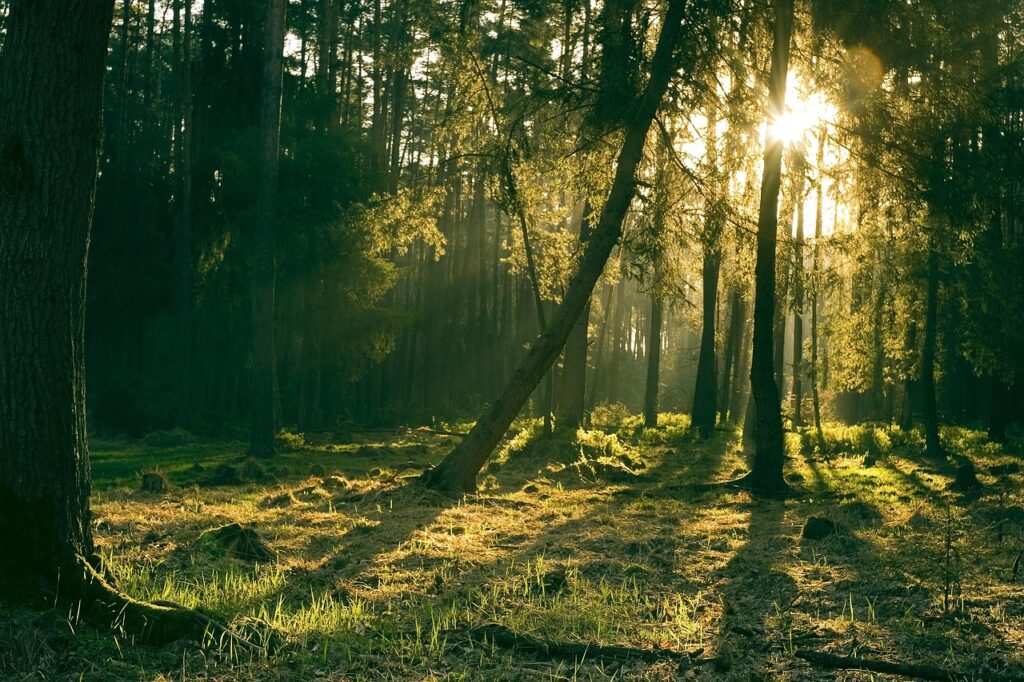
Shinrinyoku Forest Bathing
Japan is truly one of the best places in the world to experience forest bathing. Shinrin-yoku isn’t about hiking or exercise—it’s about slowing down, breathing deeply, and allowing your nervous system to reset.
Even if you don’t live near a forest, visiting a shrine, temple, park, or quiet outdoor space can have similar benefits. Being surrounded by nature helps lower stress hormones, improve mood, and support mental clarity.
This is one of the simplest and most effective mental health practices in Japan, and it costs absolutely nothing.
This might sound a little unconventional, but hear me out lol.
One of my favorite forms of self-care in Japan is what I like to call train therapy. Just get on a train—no destination, no pressure. Sit by the window, put on your favorite music or podcast, and ride until the last stop.
Japan’s train system is affordable, safe, and incredibly accessible. If you don’t feel like being at home but don’t know where to go, this is the perfect middle ground. You get movement, novelty, and space to think.
It’s also a wonderful way to practice mindfulness, people-watch, or even journal as you go.
If you know anything about Marie Kondo, then you already understand the connection between a tidy space and a calm mind. Decluttering your home often leads to decluttering your thoughts—and I can personally vouch for that.
There have been plenty of times when my room was a mess, and honestly, it made me feel like a mess too :,). Slowly cleaning and organizing helped me feel more grounded and emotionally lighter.
Marie Kondo’s book, The Life-Changing Magic of Tidying Up, is rooted in the philosophy of danshari—letting go of what no longer serves you.
If something doesn’t bring you joy or fit your current lifestyle, it’s okay to let it go.
Incense making is another beautiful way to practice mindfulness in Japan. You can attend workshops or even try it at home in your Japanese apartment.
I love the idea that incense smoke carries wishes upward, slowly rising and dissolving into the air. (And as I recently learned, they’re actually carrying those wishes up to your ancestors!) There’s something deeply calming about that imagery.
Scents like hinoki (Japanese cypress), green tea, sandalwood, and lavender are especially soothing and known to help calm the mind. Breathing deeply while engaging your senses can be incredibly grounding.
<< I recently made incense with the scent of ‘hinoki tree (Cypress)’ and I’m so excited to use it.>>
I’ve talked about this before, but it deserves repeating—onsens and sentos are amazing for mental health.
Hot water improves circulation, relaxes muscles, and helps reduce stress. Even something as simple as drinking hot water or taking a warm bath can have a positive effect on your body and mood.
<<I highly recommend carbonated baths or the onsens that are outside, where you can sit out under the stars. It’s the perfect contrast between hot water and cold weather, given that the weather is cold now>>
BONUS Activities
-Zen Meditation
-Temple Stay
-Head Spa Treatment
-Karaoke All Night (My go-to activity, both alone or with friends haha)
-Bamboo forest walk through (They’re everywhere in Japan! I love going to Arashiyama’s Bamboo forest)
You and Japan
If you’re ever feeling lost, please remember the idea of Kintsugi (repairing broken pottery with golden liqueur to fix it).
What feels broken right now is not beyond repair. Healing doesn’t mean going back to how things were—it means becoming something new, stronger, and more meaningful.
Living in Japan can be challenging, but it can also be incredibly transformative.
Happy Self-Caring in Japan!

As we close out the year and prepare for a new one, I’m wishing you gentleness, patience, and hope. Take things one day at a time. Brighter days are ahead—it’s okay if you can’t see them clearly yet.
You can check out my previous article on self-care in Osaka at this link here:
Six Fall Self-Care Activities to Do in Osaka, Japan
I hope this article helped you feel a little more supported and inspired. Until the next one, stay happy, mentally healthy, and safe.
Stay tuned for more exciting content like this! Follow us on our social media platforms and check out our blog regularly to stay updated on the latest news, trends, and insider stories from Japan. Don’t miss out on future updates — sign up for our newsletter for exclusive content delivered straight to your inbox!