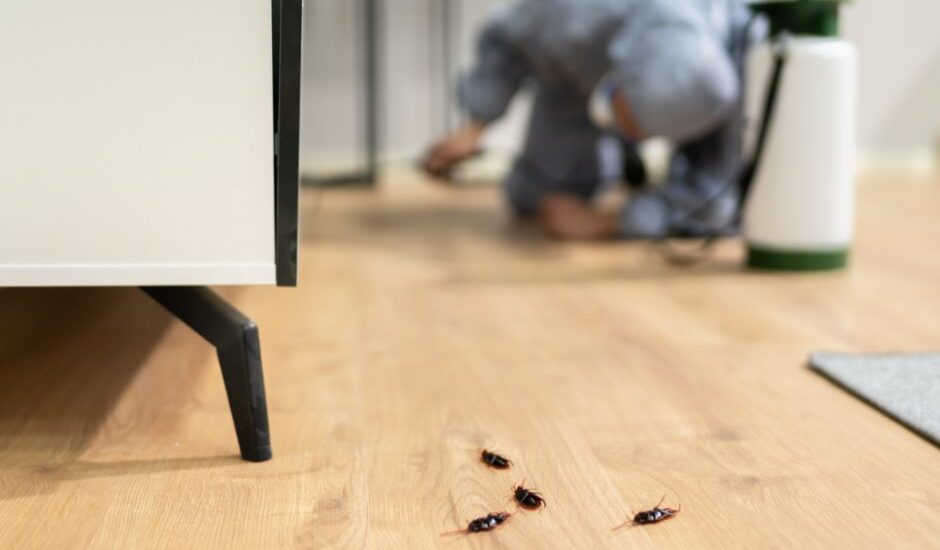
Nobody really warns you properly about Japanese summer bugs. People warn you about the humidity, they warn you about typhoons and how hot train platforms get in July. But somehow, the bug situation is treated like a small side note until you’re standing in your kitchen at 11 pm, frozen in place, making direct eye contact with a cockroach the size of your emotional stability.
Welcome to summer in Japan.
The bugs are not everywhere all the time, and most of them aren’t dangerous. But they are part of daily life, especially from June to September. The rainy season brings dampness while summer brings heat. Together, they create the perfect conditions for mosquitoes, cockroaches, cicadas, ants, drain flies, spiders, and other tiny creatures that suddenly make your apartment their home too.
For foreign residents, the shock isn’t only the insects themselves. It’s how quickly they move in and how specific Japanese bug products are, and how much prevention matters. You can’t always “deep clean once and hope for the best.” Japanese summer requires a practical small bug strategy.
Why Are There So Many Bugs in Japanese Summer?
Japanese summers are hot, humid, and often wet. That combination is excellent for insects and slightly offensive to humans. The rainy season leaves damp corners, balcony drains, wet soil and standing water. Then July and August heat things up. Garbage smells faster, food spoils faster, drains get funky, cardboard gets humid and balcony plants become tiny ecosystems. Even a clean apartment can attract bugs if the environment is right.
This is especially true in older buildings, ground-floor apartments, houses, sharehouses, and places near rivers, parks, fields, schools, gardens, or restaurants. But even high-rise apartments are not immune. Bugs are dramatic, but they are also determined.
The good news is that most summer bug problems can be reduced with prevention. The bad news is that prevention is boring and must be done before the crisis. Once a cockroach has already sprinted under your fridge, you’re no longer calmly managing the situation. You’re at war.
Mosquitoes: The Everyday Enemy
Mosquitoes in Japan can be surprisingly aggressive. They’re especially common near parks, rivers, cemeteries, gardens, drains, and any place with standing water. You may also notice them around balconies with plant pots, watering cans, clogged drains or any container that collects rain. The main rule is simple: remove standing water.
Since mosquito larvae grow in water, prevention means eliminating breeding spots. Check plant saucers, balcony corners, outdoor buckets, drains, and anything that can collect rainwater; even small amounts matter.
For personal protection, Japanese drugstores sell many options: skin sprays, hanging repellents, plug-in devices, mosquito coils, room sprays, patches and wristbands. Some work better than others and not every product is meant for every situation. Read the label, especially around babies, pets and small rooms.
For daily life, the most useful habits are:
- Keep balcony drains clear
- Don’t leave water sitting in plant saucers
- Use screens properly
- Close doors quickly
- Use repellent when going to parks, rivers, or fireworks events
- Keep a small anti-itch cream at home
Mosquitoes are not usually a huge danger in daily urban life, but they are annoying enough to ruin sleep, picnics, and any attempt to enjoy outdoor sessions during this season.
Cockroaches: The One Everyone Fears
Let’s be honest. This is the section most people care about. In Japanese, cockroach is gokiburi, often shortened to goki. They become more active in warm months, and they love food crumbs, grease, garbage, cardboard, drains, dark gaps, and humid places.
The worst part is that seeing one doesn’t always mean your home is dirty. Cockroaches can enter from the outside, neighboring units, drains, delivery boxes, or shared areas. But a messy kitchen definitely makes your place more attractive to them, so prevention still matters.
The most common Japanese cockroach products are:
- Gokiburi Hoihoi — sticky trap houses
- Black Cap — bait stations
- Gokijet — cockroach spray
- Mamoru-type barrier sprays — perimeter prevention sprays
- Drain and gap products — for blocking entry points
For prevention, bait stations are often more useful than only keeping spray. Spray is for the horror movie moment when you see one (and hope it doesn’t fly). Bait stations are for reducing the chance of seeing one in the first place.
Here’s a practical checklist to minimize cockroaches:
- Do not leave dirty dishes overnight.
- Wipe grease around the stove.
- Close food packages tightly.
- Take out burnable garbage regularly.
- Do not keep piles of cardboard.
- Clean under appliances when possible.
- Seal gaps around pipes if there are obvious openings.
- Keep drains clean.
- Do not leave pet food out all night.
Cardboard deserves its own warning. Many people in Japan order things online, then keep delivery boxes “just in case.” Summer isn’t the season for a cardboard museum. It can hold moisture and attract pests. Better to break it down and recycle. If you see one cockroach, don’t assume your cleaning efforts are in vain. Handle it, clean, set bait, check entry points, and monitor. If you keep seeing them, especially babies, it may be time to contact building management or pest control.
Cicadas: Loud, Harmless and Too Dramatic
Cicadas are the soundtrack of Japanese summer. They are loud. Very loud. Depending on where you live, they may start screaming from trees early in the morning, especially in July and August. For many Japanese, cicadas are nostalgic and symbolic of summer. For newcomers, the first reaction is often, “What’s that noise and is it legal?”
Cicadas are mostly harmless. They don’t want to hurt you, nor are they interested in your apartment. They simply exist loudly. The problem is their dramatic behavior. Sometimes they lie on the ground looking dead. You walk past them carefully, thinking the situation is over. Then they suddenly explode into movement like a haunted toy and everyone loses dignity.
This is common enough that people joke about “semi final,” because semi means cicada in Japanese, and the bug may or may not be in its final state. If its legs are open, it may still be alive. If the legs are curled inward, it’s more likely dead. This is not scientific life philosophy, but it helps. If one lands on your balcony or hallway, you can usually leave it alone. If it’s blocking your door and you’re emotionally unprepared, use a broom or dustpan from a safe distance.
Ants, Gnats, and Tiny Kitchen Pests
Not every summer bug is dramatic. Some are tiny and annoying. Ants may appear around sugar, crumbs, pet food, or balcony plants. Gnats may gather near fruit, food waste, houseplants, or drains. Pantry bugs can show up in flour, rice, pasta, cereal, or opened dry goods, especially in humid kitchens.
The fix is usually storage and cleaning. Use airtight containers. Close rice bags properly and don’t leave fruit too long in the open. Clean food waste bins frequently and wash recyclables before storing them. Best to keep the sink area dry when possible and check old flour, pancake mix, cereal, sees, nuts and pet food.
For gnats and drain flies, clean drains and remove organic buildup. Kitchen drain baskets can get gross quickly in summer. If your garbage area smells even slightly bad to you, it probably smells like a luxury hotel to bugs.
In Japan, summer trash management matters. Burnable garbage that sits too long can attract pests, especially if it contains meat, fish, fruit peels, or wet food waste. If your area only collects burnable garbage twice a week, freeze smelly food scraps in a small bag until garbage day, or don’t clean out the fridge/freezer until trash day. It sounds weird until you try it. Then it makes sense.
Drain Flies: Small but Deeply Annoying
Drain flies are those tiny moth-like flies that appear around sinks, bathrooms, washing machine drains, and shower areas. They aren’t as scary as cockroaches, but they make your home feel dirty even when you just cleaned.
They often breed in slimy organic inside drains. Pouring water randomly isn’t enough. You need to clean the drain basket, remove hair and grime, and use a drain cleaner or pipe-safe product when needed.
In Japanese stores, look for products for 排水口 or haisui-kō, meaning drain opening. Bathroom and kitchen drain cleaning products are easy to find at drugstores, supermarkets, home centers, and 100-yen shops.
For prevention:
- Clean drain baskets often.
- Remove hair from bathroom drains.
- Do not let food scraps sit in the sink.
- Use a proper drain cleaner periodically.
- Keep bathroom ventilation running after showers.
This isn’t glamorous, but neither are tiny flies hovering near your toothbrush.
Spiders: Scary-Looking but Often Useful
Many spiders in Japan look more alarming than they actually are. Small house spiders often help by eating other insects. If you can emotionally tolerate them, some are better left alone, especially in corners or entryways.
That said, not every spider should be handled casually. In some areas, redback spiders have been reported, including in parts of Tokyo. They are not usually aggressive, but females are venomous and should not be touched barehanded. If you see a spider you suspect is a redback, do not pick it up. Use caution, check local guidance, and seek medical care if bitten.
For normal house spiders, your options are simple: leave them, relocate them, or remove them. If you live near greenery, you may see more. Keeping windows screened and reducing other bugs also reduces spider food sources.
The most practical mindset is: spider in the corner, maybe employee of the month. Spider in the bed, absolutely not.
Mukade: The Centipede You Should Actually Respect
Mukade are Japanese centipedes, and they are one of the bugs you should take more seriously. They are more common in houses, rural areas, older buildings, ground-floor units, and places near forests, fields, or damp stone walls.
Unlike cicadas or regular house spiders, mukade can bite. Their bite can be painful and may cause swelling. If you are allergic or symptoms are severe, you should seek medical attention.
Mukade like dark, damp places. They may appear in bathrooms, entryways, closets, bedding, or around outdoor shoes. This is one reason people in countryside homes are careful about shaking out shoes, futons, and towels.
To reduce risk:
- Keep floors clear.
- Avoid leaving damp towels on the floor.
- Check shoes if you live near nature.
- Seal obvious gaps around doors and windows.
- Use insect barrier products around entry points if needed.
- Avoid touching them directly.
If you find one, do not try to pick it up with tissue like an optimistic fool. Use proper insect spray or call someone who is less emotionally attached to survival.
Suzumebachi: Hornets Are Not a Joke
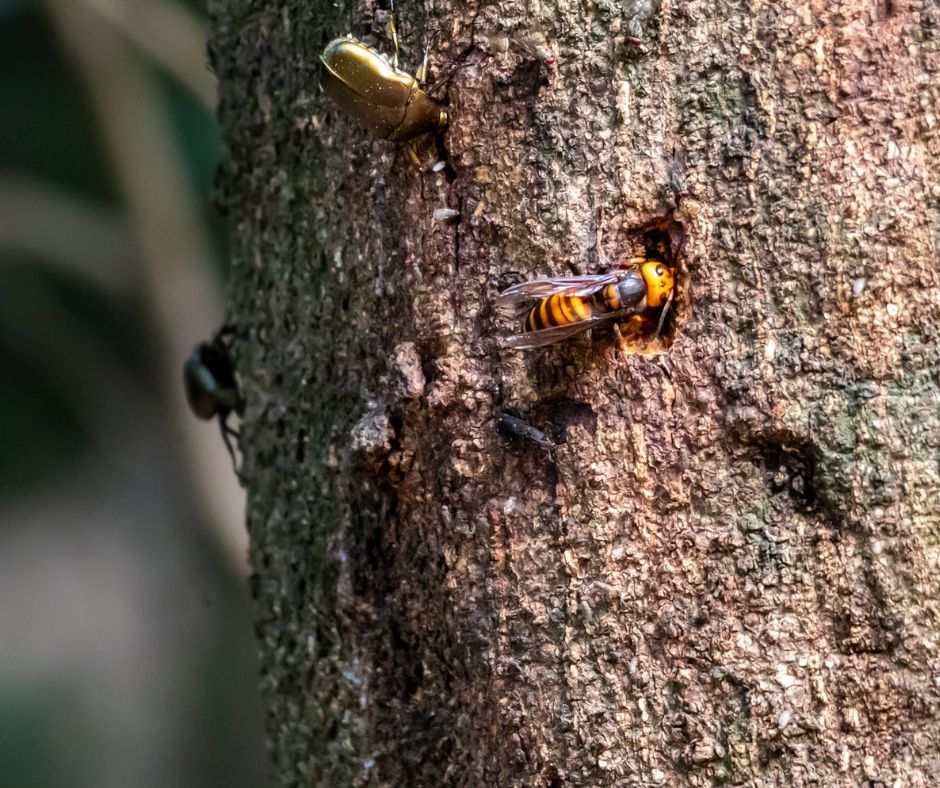
Japan’s hornets, especially suzumebachi, can be dangerous. You are more likely to worry about them in rural areas, mountains, parks, hiking trails, gardens, or near nests. City residents may rarely encounter them, but people who hike, camp, garden, or live near wooded areas should be aware. The key rule is: do not disturb a nest.
If you see hornets repeatedly in one area, especially near your home, contact building management, your landlord, or your local city office. Do not try to remove a nest yourself unless you actually know what you are doing, and most people do not.
When outdoors, avoid swatting aggressively at hornets. Move away calmly. Be extra careful in late summer and autumn, when hornet activity can become more intense. If you are stung and have symptoms such as difficulty breathing, dizziness, widespread hives, or swelling of the face or throat, seek emergency medical help.
Most people living normal city life will not have daily hornet problems. But this is one bug category where “I’ll just deal with it myself” can be a bad plan.

Japanese Bug Products That Are Actually Useful
One thing Japan does well is highly specific household products. Bug season is no exception. At drugstores, supermarkets, Don Quijote, home centers, and sometimes convenience stores, you will find entire shelves of summer insect goods. Some are self-explanatory. Others look like science experiments.
Useful categories include:
- Mosquito spray for skin and clothes
- Plug-in mosquito repellents
- Mosquito coils for outdoor use
- Hanging balcony repellents
- Cockroach bait stations
- Cockroach sprays
- Sticky traps
- Drain cleaners
- Ant bait
- Insect barrier sprays for windows and doors
- Anti-itch creams for bites
- Cooling or soothing patches
If you’re not ready to have a complete arsenal of anti-bug weapons, here’s a useful starter kit for apartments:
- One mosquito repellent
- One anti-itch cream
- Cockroach bait stations
- One cockroach spray
- Drain cleaner
- Trash bags that seal well
- Airtight food containers
If you have pets or small children, read labels carefully because not every spray or bait is safe for every household. Keep in mind to place bait stations where pets can’t reach them.
Apartment Prevention Tips That Really Matter
The best bug strategy is making your home boring to bugs.
Start with the kitchen. Food is the main attraction. Wipe surfaces, close packages, clean under the rice cooker, and do not let garbage sit open. Japanese kitchens are often small, so even one messy corner can become a problem quickly.
Then check the water. Mosquitoes need standing water. Drain flies like dirty drains. Cockroaches like damp areas. Keep sinks, bathrooms, and balcony drains under control.
Next, reduce hiding places. Piles of cardboard, paper bags, unused boxes, cluttered closets, and crowded under-sink areas create perfect bug zones. Summer is the time to declutter, not the time to keep every Amazon box “just in case.”
Also check entry points. Window screens should close properly. Door gaps can be blocked with weather stripping. Pipe openings can sometimes be sealed with safe gap filler. If you rent, avoid making permanent changes without permission.
Finally, communicate with building management if the problem seems bigger than your unit. If pests are coming from garbage areas, shared drains, or neighboring units, you may not be able to solve everything alone.
Japanese summer bugs aren’t fun, but they are manageable. The mistake many newcomers make is waiting until something appears then panicking. A better approach is prevention: remove standing water, control garbage, clean drains, store food properly, get rid of cardboard, and set up basic bug products before July becomes unbearable.
The good news is that most summer bugs in Japan are more annoying than dangerous. Mosquitoes will attach your ankles while cicadas will scream like broken machinery. Cockroaches will test your soul. But with the right habits, your home does not have to become a seasonal insect hostel.
Summer in Japan already comes with enough challenges: heat, humidity, sweat, laundry, and the emotional damage of walking outside for five minutes and needing another shower. Don’t let the bugs win too.
Stay tuned for more exciting content like this! Follow us on our social media platforms and check out our blog regularly to stay updated on the latest news, trends, and insider stories from Japan. Don’t miss out on future updates. Sign up for our newsletter for exclusive content delivered straight to your inbox!