Hay Fever Can Be Brutal in Spring
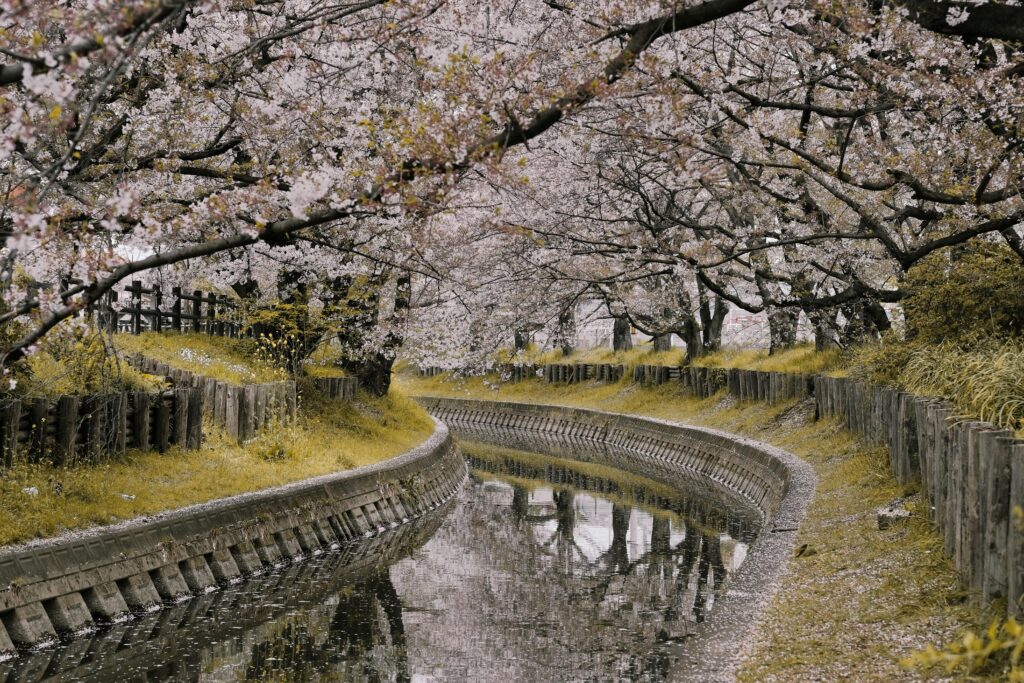
If you are anything like me, spring in Japan can feel a little difficult if you have existing allergies. On one hand, it is one of the prettiest times of the year. The sakura are out, the weather starts warming up, and everything feels lighter after winter. On the other hand, if you have hay fever, it can also be one of the worst seasons to get through.
In Japan, hay fever is a huge problem, and one of the biggest causes is cedar pollen. Cypress pollen is also a major trigger, so for many people, the suffering does not end quickly once spring starts. The Japan Weather Association says cedar pollen usually begins spreading from early to mid-February in many parts of Japan, while cypress pollen follows after that.
Cedar Pollen Is One of the Biggest Causes of Hay Fever
A lot of people in Japan already know this, but if you are new here, cedar pollen is one of the main reasons spring can be so miserable. Even if the weather looks perfect outside, the pollen count can be high enough to leave you sneezing, congested, and exhausted for days.
That is why it helps to know what season affects you most. For many people, it starts with cedar and then continues with cypress, which can make allergy season feel much longer than expected.
Start Taking Allergy Medicine Before It Gets Bad
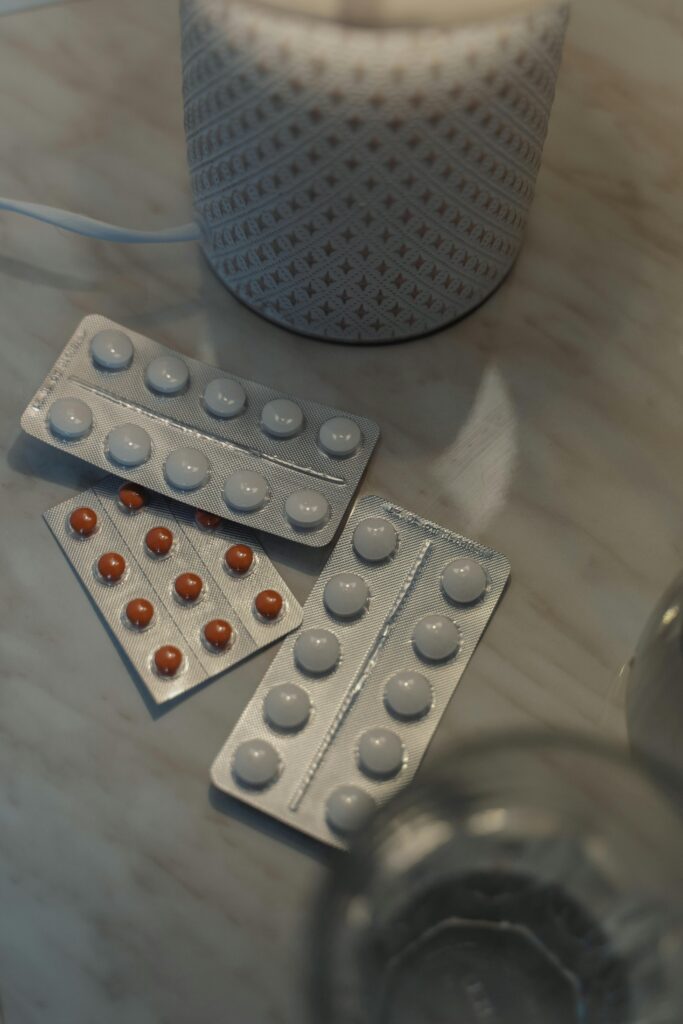
If you already know you are prone to seasonal allergies, one of the best things you can do is start preparing early. Doctors and allergy guidance often recommend beginning treatment before symptoms get bad, rather than waiting until you are already miserable.
Japan’s allergic rhinitis guidelines describe “initial treatment” before or around the start of pollen dispersal, and general hay fever guidance also commonly recommends starting medication one to two weeks before your usual season begins.
For mild symptoms, over-the-counter allergy medicine may be enough. Antihistamines, eye drops, and nasal sprays can all help, depending on what symptoms you get most. If your allergies are more severe, though, it is worth going to a clinic. A doctor can prescribe stronger medicine and help you figure out whether you need a more specific treatment plan. In some cases, they may even recommend allergy testing or longer-term options such as immunotherapy.
Take Precautions Against Hay Fever When Going Outside

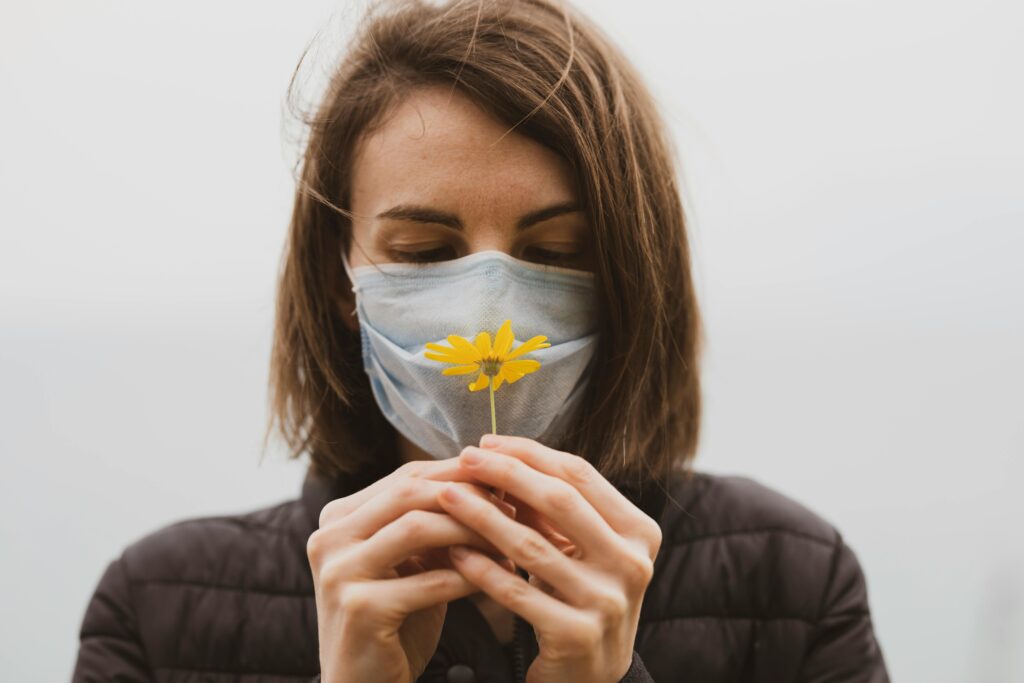
Daily habits make a difference during hay fever season. If you can stay home on especially bad pollen days, that helps. If you cannot, then wearing a mask can reduce exposure, and some people also use protective allergy glasses to help with itchy eyes.
It may not be the most stylish look, but during peak season, a lot of people in Japan are just trying to survive. Keeping an eye on the daily pollen forecast is also useful, especially because pollen levels can spike on warmer or windier days.
Keep Your Home as Clean as Possible
Once you get home, it helps to wash your face and hands, change your clothes, and if possible, shower before relaxing too much indoors. Pollen sticks to hair, skin, and clothing more than people realize.
It is also a good idea to keep your home clean during allergy season. Vacuuming regularly, wiping surfaces, and paying extra attention to your bedroom can make sleeping a little easier when your nose is blocked and your eyes are irritated. General hay fever guidance also recommends keeping windows closed when pollen counts are high, especially on windy days, since opening them can let allergens straight into your home.
You Can Still Enjoy Spring, Just Be Careful of Hay Fever
Avoiding pollen completely in Japan during spring is not always realistic. You still have to commute, go to work, and live your life. And honestly, if you want to go to hanami, that is understandable. Spring is still spring.
You do not have to lock yourself indoors and miss everything. It just means being more careful, planning around high-pollen days, and making sure you have the medicine and supplies you need before things get really bad.
Hay fever in Japan is not a small inconvenience for a lot of people. It can affect your sleep, your work, your mood, and even simple things like taking a walk or enjoying the cherry blossoms. But if you know your triggers, start treatment early, and make a few practical changes at home and outside, allergy season can become a little more manageable.
Stay tuned for more exciting content like this! Follow us on our social media platforms and check out our blog regularly to stay updated on the latest news, trends, and insider stories from Japan. Don’t miss out on future updates — sign up for our newsletter for exclusive content delivered straight to your inbox!