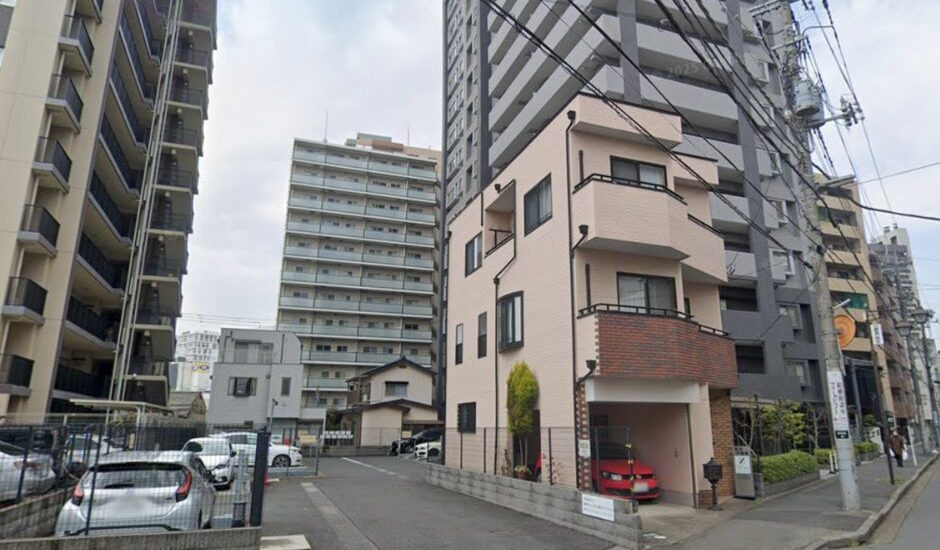
Apartment Living Rules?
Moving into an apartment in Japan can feel deceptively simple. The contract is signed, the keys are handed over, and everything looks clean, efficient, and ready. But once you actually start living there, you begin to notice something else – there are rules. Not the ones written in your lease, but the ones everyone seems to follow without being told.
These unwritten rules shape daily life in Japanese apartments. They influence how you handle noise, garbage, deliveries, shared spaces and even how you interact with neighbors. Breaking them won’t usually get you fined, but it can create subtle friction that makes living less comfortable.
Understanding these expectations early helps you settle in faster, avoid unnecessary stress, and live more smoothly in your new environment.
1. Noise Is Not Just About Volume – It’s About Timing
One of the biggest adjustments for many residents is how seriously noise is taken in Japan. It’s not just about being loud – it’s about when you are loud. It doesn’t help that most apartments in Japan seem to have paper-thin walls, floors and ceilings.
Even normal daily sounds can be considered disruptive if they happen at the wrong time. These include vacuuming late at night, doing laundry early in the morning, dropping objects on the floor, or playing loud music/videos/television.
There is an unspoken quiet window early in the morning, before 8 AM and late at night after 9 or 10 PM. During these times, residents are expected to minimize noise as much as possible.
Managing noise levels can be achieved by scheduling cleaning tasks and loud activities from 8 AM to 9 PM, and also using soft-soled slippers, installing rugs, and being mindful of movement. These make a noticeable difference – especially if you live on an upper floor.
2. Footsteps Matter More Than You Think
In many Japanese apartments, the most common source of complaints isn’t music or parties – it’s footsteps. Heavy walking, especially heel-first steps, can create a “thudding” sound that travels to the unit below. This is particularly noticeable in wood or laminate flooring.
Unlike some buildings in other countries, many Japanese apartments prioritize space efficiency over heavy sound insulation. Furthermore, apartment walls and floors in Japan are often thin due to a prioritization of lightweight, flexible materials like wood to enhance earthquake safety, which allows buildings to absorb rather than resist seismic energy.
It’s recommended to walk softly, especially at night, and to avoid indoor jumping or running during early-morning and late-night windows. It may feel overly cautious at first, but it quickly becomes second nature.
3. Garbage Rules Are Precise – And Taken Seriously
Garbage disposal in Japan is highly organized, but it’s also one of the most common sources of confusion for new residents because each municipality has its own rules and schedules. Most require sorting garbage into categories (burnable, non-burnable, recyclables like paper, plastic, cans, and glass, as well as clothes and bulky items). You also need to use designated bags or prepare certain categories in a specific way, such as tying paper and folded cartons with twine. If garbage is sorted incorrectly, it will be left behind with a sticker indicating the issue. It’s advised to check your apartment’s designated trash disposal area for the trash collection schedule and other information.
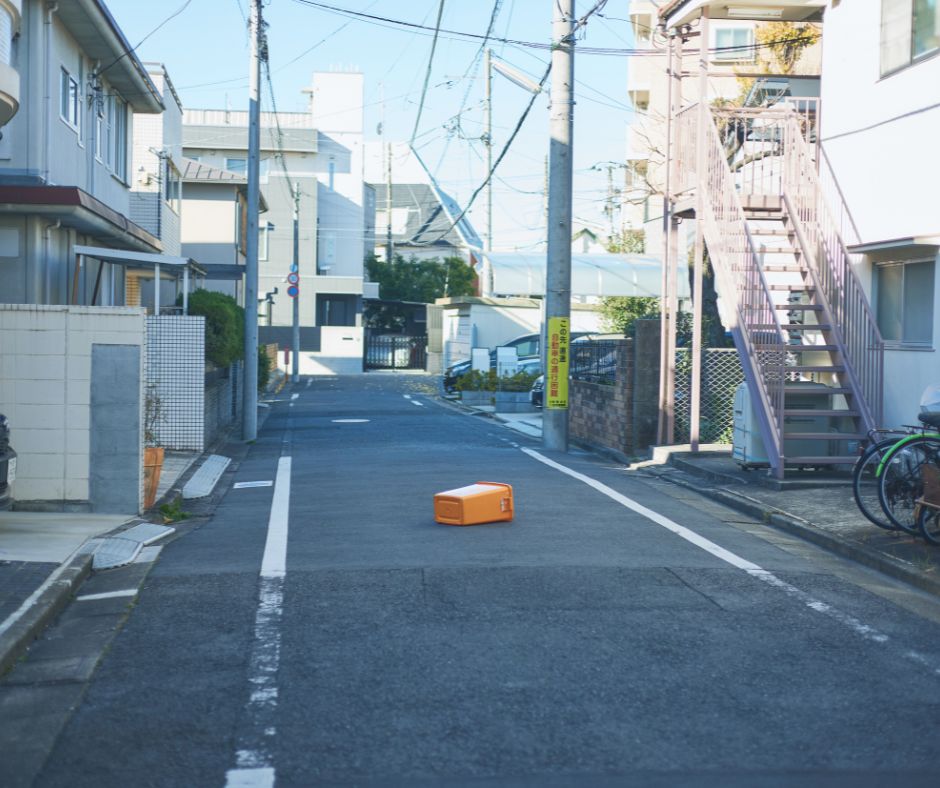
4. Shared Spaces Are Quietly Maintained by Everyone
Apartments in Japan often have shared areas such as entryways, hallways, staircases and emergency exits, garbage collection points and bicycle parking areas. At first glance, these spaces may seem loosely managed. There are often no visible staff monitoring them and rules may not always be clearly posted. However, these areas are actually more regulated than they appear, both legally and through binding policies.
One of the main reasons shared spaces are kept empty is fire safety regulations. Under Japan’s Fire Service Act (消防法 / Shōbōhō), emergency evacuation routes must remain unobstructed and hallways, staircases and exits must be clear at all times. This means leaving personal belongings such as bikes, furniture or boxes in hallways is technically not allowed. Items placed outside your door, even temporarily, can be flagged.
In many buildings, management companies enforce this by issuing warnings, removing items or posting notices in common areas. Even if enforcement seems inconsistent, the rule itself is not optional – it’s tied to safety compliance.
Apart from safety regulations, you also have building management rules, which are especially true for mansions. These are set by property management companies and the owners’ associations. The rules typically prohibit leaving personal items in common areas, modifying shared spaces and blocking walkways and entrances. Even in smaller rental apartments where rules are not explicitly handed to tenants, these expectations still apply.
Then you have cultural expectations, wherein shared spaces should look neutral, clean and unused. This means no shoes outside your door, no umbrellas, strollers, or storage boxes in hallways and no decorations spilling into shared areas (unless there’s an event). In some countries, placing items outside your door signals personality or convenience. In Japan, it can be seen as untidy, inconsiderate and a violation of shared space boundaries.
Another reason why such items aren’t allowed in hallways or shared spaces is that they have their designated areas, such as bicycle parking zones (駐輪場 / chūrinjō), garbage collection points, and so on. Keeping shared spaces clear, neutral and unobstructed is one of the easiest ways to avoid friction in apartment living.
5. Deliveries: You Are Responsible Even When You’re Not Home
Online shopping and deliveries are extremely common in Japan. However, there are expectations around how packages are handled. If you miss a delivery, a notice will be left in your mailbox. You are expected to reschedule promptly. Repeated missed deliveries without action can be seen as inconvenient for delivery staff. Tip: Use delivery boxes if your building has them, or schedule deliveries during time slots when you’re home.
6. Balcony Etiquette is Real
Balconies in Japan are primarily functional, not recreational. They are commonly used for drying laundry, airing out bedding, and storing small items. However, there are quite a few rules about how they should be used. General expectations include not hanging items that may fall or drip onto neighbors below, avoiding strong smells like heavy cooking or smoking, and keeping the area tidy and minimal. Some buildings explicitly prohibit barbeques, loud gatherings, or hanging large/visible items on balconies.
7. Neighbors Are Quiet – but Awareness Matters
One of the most noticeable differences in Japan is how little direct interaction there is between neighbors. You may rarely see the same people, not know who lives next door or have minimal verbal interaction. However, this does not mean people are unaware. Quite the opposite—residents are highly observant of their surroundings. The unwritten rule is to be considerate without being intrusive, such as giving a simple greeting without the need for forced social interaction. This shows respect for personal space while being friendly.
8. Maintenance Requests Should Be Thoughtful
If something in your apartment needs repair, you can contact your landlord or management company. However, there is an expectation that requests are reasonable, clearly explained and not excessive. Minor issues that do not affect safety or functionality may not be addressed immediately. When reporting issues, it’s best to be specific, provide photos if possible and keep communication polite and concise.
9. Seasonal Living Adjustments Are Expected
Apartment living in Japan changes with the seasons more than many people expect. For example, in summer, when humidity increases, mold can develop quickly and ventilation becomes crucial. In winter, heating is localized, and condensation may build up. Residents are expected to manage their own environment proactively, such as airing out rooms, using dehumidifiers or ACs, and preventing mold before it becomes a problem.
Many of these unwritten rules come from a shared cultural emphasis on consideration for others, minimizing disruption and maintaining harmony in shared spaces. In high-density living environments, small actions have a larger impact. These expectations help ensure that many people can live comfortably in close proximity.
Apartment living in Japan is not difficult—but it does require awareness. The rules are not always written, but they are consistently practiced.
Once you understand the patterns, daily life becomes smoother and more predictable. What may feel restrictive at first often becomes a source of comfort over time.
Stay tuned for more exciting content like this! Follow us on our social media platforms and check out our blog regularly to stay updated on the latest news, trends, and insider stories from Japan. Don’t miss out on future updates. Sign up for our newsletter for exclusive content delivered straight to your inbox!