
Looking for an artsy way to kick off the year? Why not try a hands-on activity like pottery? In this article, I’ll share my first-ever pottery experience, from preparing the clay to shaping my first piece.

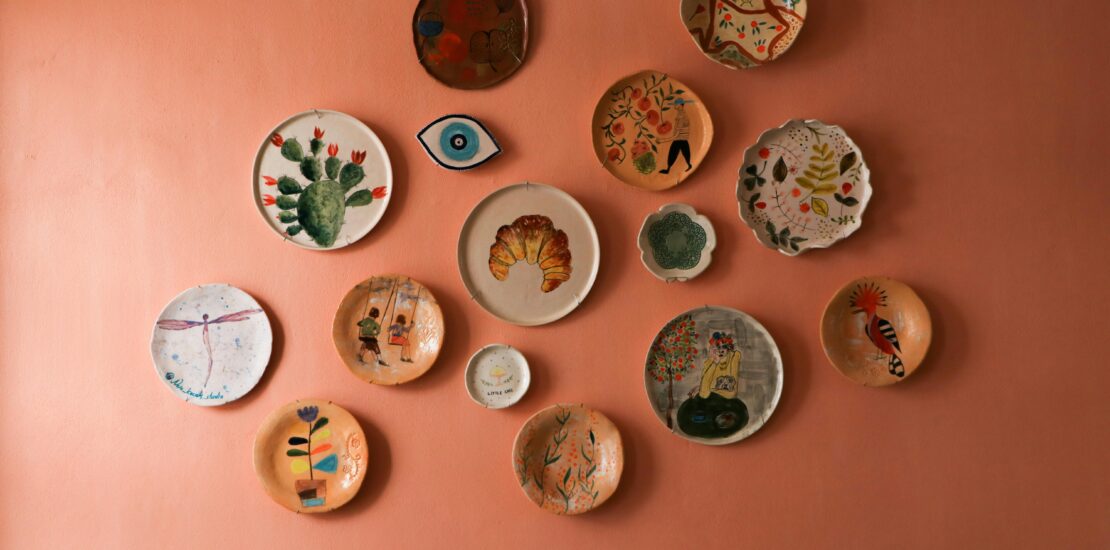
Looking for an artsy way to kick off the year? Why not try a hands-on activity like pottery? In this article, I’ll share my first-ever pottery experience, from preparing the clay to shaping my first piece.
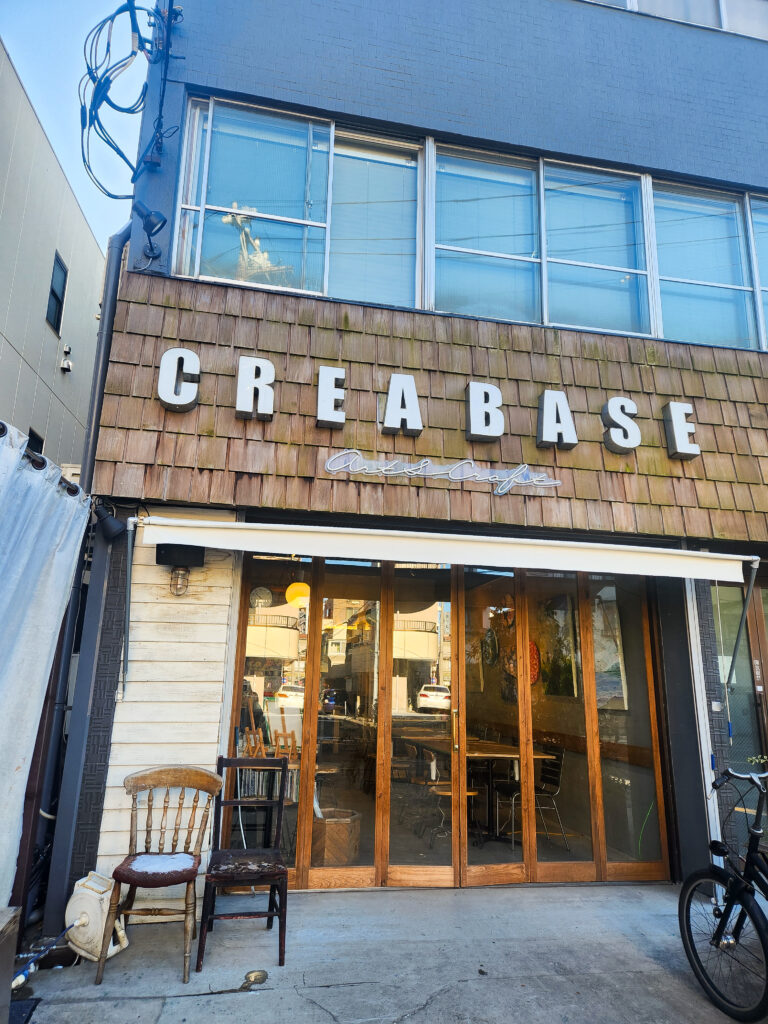
CREABASE was founded by CREA WORKS, a multi-faceted firm involved in architecture and construction. It currently has three branches located in Oshiage, Shinjuku, and Shimokitazawa—each offering a variety of immersive, well-structured workshops.
CREABASE’s main focus is to provide a welcoming, café-style space where people can engage in art and crafting. Participants can create unique, personalized items such as plates, paintings, and decorative items. The courses are beginner-friendly with staff providing detailed and easy-to-follow directions.
To join any of their courses, advance reservations can be made through their website at https://creabase.jp. Please note that payment is accepted by credit card only.
To start the year on a creative note, my friend and I decided to try something new—a pottery workshop. While searching online, I came across CREABASE Art & Craft Café and ended up watching several reels related to their courses. The beautiful pieces featured online were enough to convince us to book a slot. We made a reservation through their website and paid 5,900 yen upfront. Shortly after, we received a confirmation email reminding us to arrive 10 minutes before the class.
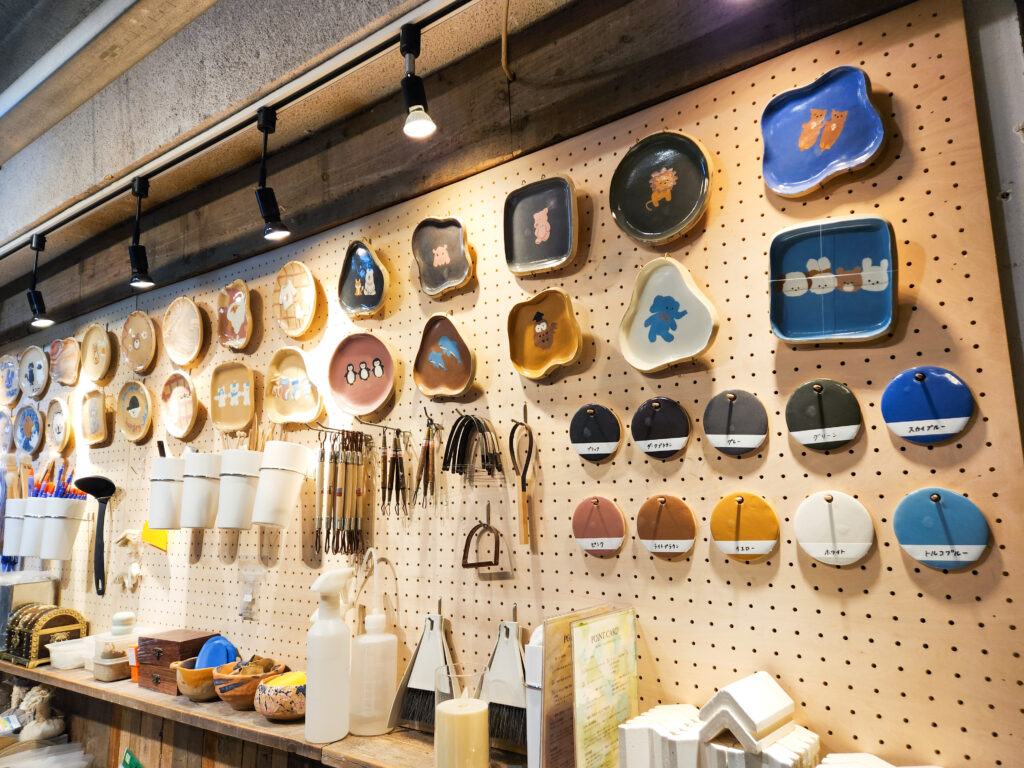
We attended the workshop on Sunday, January 4th, and surprisingly, the class was quite small—only seven students in total. As soon as we stepped into the art studio, my eyes were drawn to the shelves on the right. Piles of plates in different sizes and shapes were being dried. On the left, pastel-colored plates with cute patterns hung on the wall. Holding a cup of warm tea, I walked towards our worktable and saw the tools we would be using for the project. While waiting for the workshop to start, I found myself staring at the adjacent room filled with vibrant paintings on display.
Then at 11:00, we began. The instructor gave us a brief overview of the plate-making process, explaining that air-drying, firing, and glazing would take several weeks. Meaning, it would be about a month before we received our final pieces. After that, she asked us to take a chunk of clay and wedge it to remove the air bubbles and even out the moisture. We then placed the rolling sticks (tools used to achieve an even thickness) on both sides of the clay and used a rolling pin to flatten it into a slab. To finish this step, we smoothed both sides of the slab using a pottery rib and set it aside covered with a damp towel to prevent it from drying out quickly.
Now for the designing stage—the part I was most excited about. Our instructor began by demonstrating how to create a marbled pattern. She rolled three different colored clays into long, rope-like strands and twisted them together, then shaped the clay into a ball and pressed it flat to match the width of the slab she had prepared. She emphasized the importance of centering our designs carefully, as any off-center details could be cut off during the trimming process. She also reminded us to be mindful of the scale: once the clay is rolled out, the pattern spreads and enlarges, which can cause the designs to look distorted or uneven.
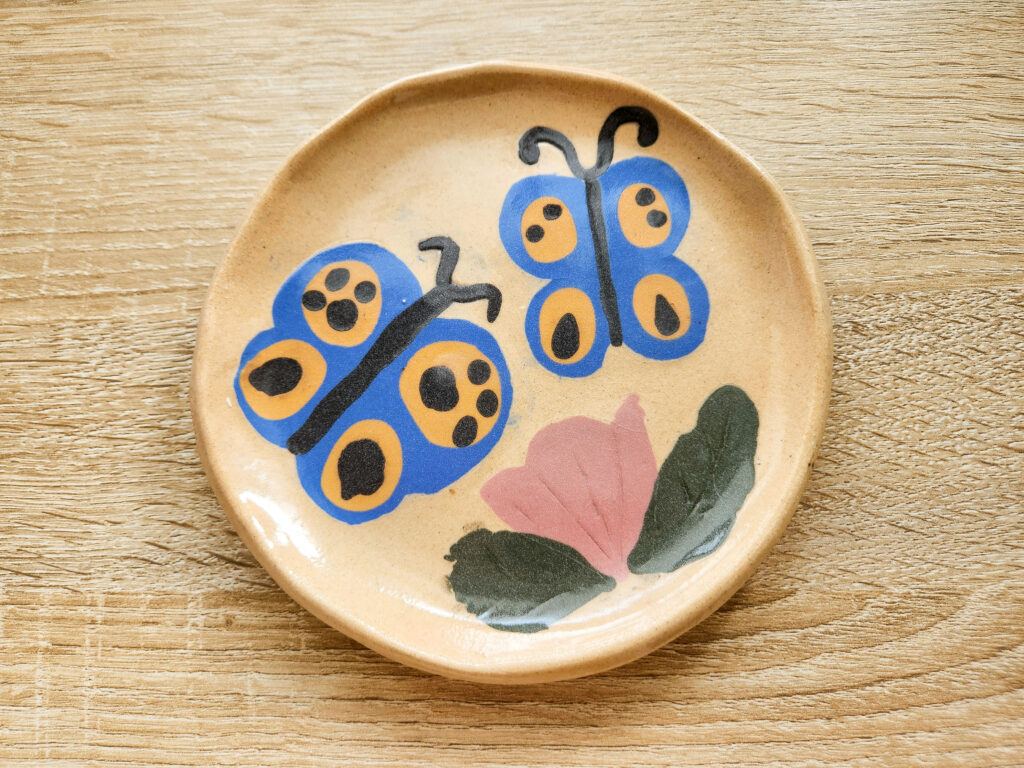
She then demonstrated how to make a cat pattern using a clay cutter. I was amazed at how effortlessly she made it. Around the table, sample plates were displayed for inspiration. Many featured food-themed designs such as hamburger and sushi. Before the workshop, I had been torn between creating a sandwich or a butterfly design, but I ultimately went with the latter because I’m too afraid of messing up. My friend, however, took a bolder approach and opted for a nabe design. We were given an hour to complete our patterns and press them onto the clay slabs, but time passed quickly. I found myself rushing toward the end, adding a flower detail on a whim.
Once the designs were finished, we moved on to shaping the plates. Each of us was given a mold, which we pressed onto the clay to form the shape of our choice (I went with the classic round plate). We then placed it upside down on a banding wheel (a small, hand-operated turntable) and pounded it gently with a sandbag to refine its form. After trimming the edges with a short wooden stick, we removed the clay from the mold and smoothed the rim with our fingers. As a final touch, we used letter and number stamps to engrave our names, dates, or personal messages on the back of our plates. And just like that, the session was over!
One final note: although the workshop was conducted in Japanese, it was easy to follow. The instructor demonstrated the steps clearly and provided printed English instructions for those who don’t speak the language.
Overall, the experience was both calming and enriching. The simple act of handling the clay and watching it take form felt deeply meditative. Beyond sparking creativity, the process helped build patience and focus. Most importantly, it offered a chance to explore a new skill and enjoy each step rather than fixating on the outcome. For anyone looking to try something new, a pottery workshop is an experience worth adding to your list.
Stay tuned for more exciting content like this! Follow us on our social media platforms and check out our blog regularly to stay updated on the latest news, trends, and insider stories from Japan. Don’t miss out on future updates — sign up for our newsletter for exclusive content delivered straight to your inbox!