Learn when to replace a water heater in Japan, warning signs to watch for, and whether tenants or landlords are responsible for repair costs.

Learn when to replace a water heater in Japan, warning signs to watch for, and whether tenants or landlords are responsible for repair costs.
In a country like Japan with prolific hot springs, do you need to heat the bath water? And what happens when the heater breaks down? Who is responsible — the tenant or the landlord? And why can’t you just use hot spring water when you shower?
Hot springs in Japan are not everywhere, and while many hot spring towns deliver hot water to residents, most places in Japan have only normally tempered tap water. Tokyo, for one, sits on an alluvial plain, which means hot springs will be buried under several hundred meters of mud.
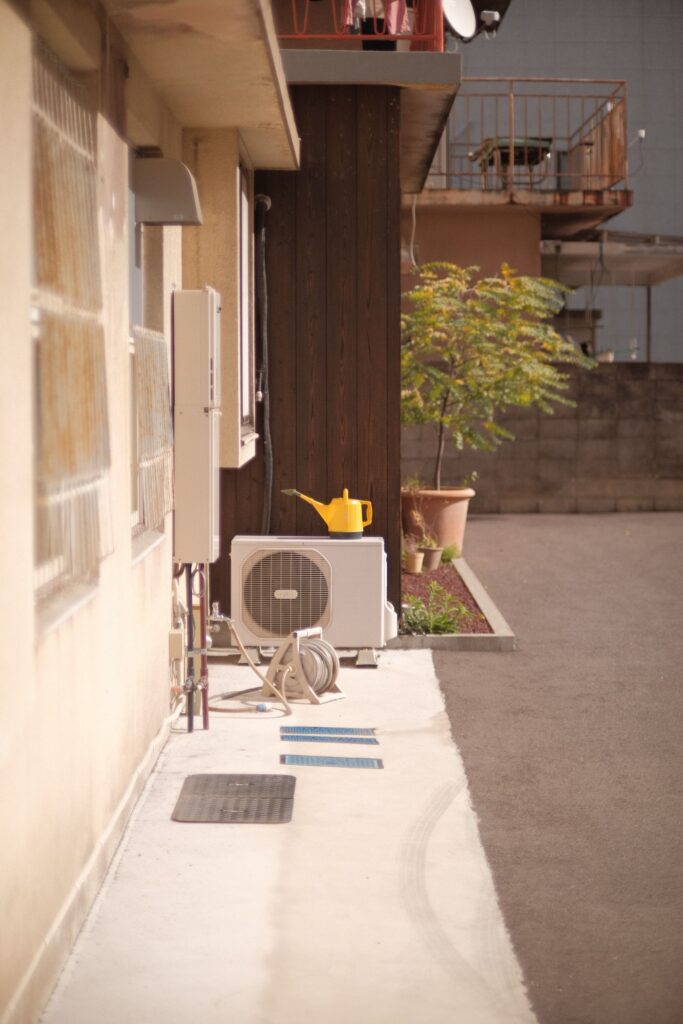
Japanese apartments typically do not have huge boilers that retain hot water. Instead, water is heated when it is used, and the gas heater on the balcony outside the apartment does the heating on demand.
Even when building new apartments, even if the kitchen is fully electric using induction heating instead of burning gas, the construction companies typically install a gas-powered water heater — which not only has to be connected to the gas and water mains, but also to electricity (since the fire in the burner starts with a spark, and since something needs to power the sensors). The water is heated as it flows through the heater, past the gas flame, and into the hot water pipes of the unit.
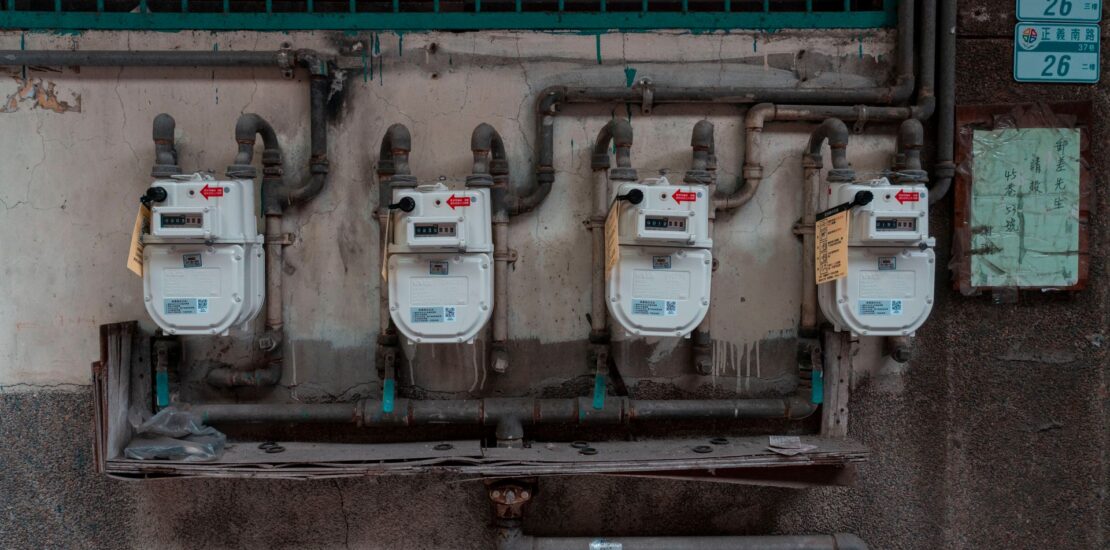
As a tenant, you not only have to sign up with the water utility and electricity company, but also the gas company. Gas is delivered throughout Tokyo and other large Japanese cities like Osaka, Nagoya and Sendai through a network of underground pipes, which terminate in the gas meter in front of the building. Inspectors from Tokyo Gas, the company that delivers the gas, go around the neighborhoods and check the meters every month, providing input for subscribers’ bills. The meter also has one other important function, and that is that, in case of a large earthquake, it automatically shuts off the flow of gas. The customer has to press the orange button on top to start the flow of gas again.
A gas water heater in a Japanese apartment may need replacement because the unit is old, starting to fail, or becoming unsafe to use. Heaters have a typical service life of around 10 years. This means that after ten years of use, parts become unavailable; there is a risk of incomplete combustion, exhaust or vent problems, rust and leaks, and recurring temperature or ignition problems.
In a Japanese rental apartment, the default rule is that the landlord bears the cost of repairing or replacing a built-in water heater, because it is part of the rented property and is needed for ordinary use of the home. The tenant is generally responsible for using it properly and for damage caused by misuse, neglect, or actions that go beyond normal wear and tear.
As a tenant, you need to notice any problems early, stop using the heater if there are safety concerns, and report the issue to the landlord or management company right away. If the breakdown was caused by misuse, such as improper operation or failure to follow the instructions, the tenant may be asked to cover the cost. The tenant is also expected to keep records, such as error codes or photos, so the cause can be checked properly. Japanese landlords will try to find the slightest excuse not to pay, so make sure to keep good records.
As a tenant in a Japanese apartment, you will want to keep track of the age of the building and when the heater was replaced last. If it is coming up on ten years or more, it is likely to need replacement. Even if you do not have to cover the cost, there will be some inconvenience while you are waiting for it to be replaced.
The landlord is normally responsible for maintaining and repairing the water heater because it is part of the rental conditions and must remain usable for everyday living. If the heater fails because of age, ordinary wear, or a defect in the equipment itself, the landlord usually pays for repair or replacement. In practice, heaters installed less than 10 years ago rarely break, but they might do so anytime after 10 years. When the water heater gets that old, spare parts will no longer be available.
Tenants do not have to pay
The management company is the ones who receive the report, confirms the situation, contacts the landlord, arranges access, and coordinates the repair process. If the heater is in a common or building-managed system, the management company may also coordinate with the building owner or condominium management side, but the financial responsibility still typically depends on who owns the equipment. Tenants do not have to pay. Except in rare cases when the contract stipulates that the tenant is responsible for maintenance costs.
Typically, the main reason to replace the heater is simple age and wear. Keeping a hot flame in a small enclosed space for 10 years affects the quality of the metal, and internal parts deteriorate, and repairs become less practical as the unit gets older.
As long as your appliances are new, there is no need to replace the heater.
As the water heater gets older, the safety risk from incomplete combustion also increases. There is a risk that if the oxygen supply becomes insufficient (for instance, by the air vents becoming clogged) or the combustion system deteriorates (as it will), carbon monoxide can be produced and, in certain conditions, enter the unit.
When it functions normally, a Japanese water heater produces carbon dioxide (CO2). While it is a potent greenhouse gas, it is not harmful to humans in normal concentrations. But if there is not enough oxygen entering the combustion chamber, for instance because vents, exhaust pipes, or air openings are blocked, displaced, or poorly maintained, the heater may burn improperly and create carbon monoxide, CO. This is lethal to humans even in relatively small concentrations.
Rust means repair
If the water heater is showing problems such as rust, water leaks, holes, abnormal smells, loud noise, or unstable operation (i.e., water temperature becoming uneven), those are all signs that inspection or replacement may be needed.
With gas prices exploding due to the war in Ukraine and the conflict in the Strait of Hormuz, you might expect landlords to try to replace gas heaters with something more economical.
If gas prices rise, an old or inefficient heater becomes more expensive to operate, so replacement can look more attractive compared with continuing to pay higher monthly bills. But since the tenant is stuck paying the gas bill, the motivation for the landlord to replace the heater is not very high. Even though there are more economical alternatives, like heat pump-driven water heaters, those will require extra space, and the weight may be too much for the balcony.
If the heater is over 10 years old, repeatedly fails, heats water more slowly, shows error codes, leaks, rusts, or has any ventilation or exhaust issue, replacement is often safer and more realistic than repair. A simple rule in Japanese safety guidance is: if combustion, exhaust, or ventilation looks abnormal, stop using it and call the management company to have it inspected immediately.
Stay tuned for more exciting content like this! Follow us on our social media platforms and check out our blog regularly to stay updated on the latest news, trends, and insider stories from Japan. Don’t miss out on future updates—sign up for our newsletter for exclusive content delivered straight to your inbox!