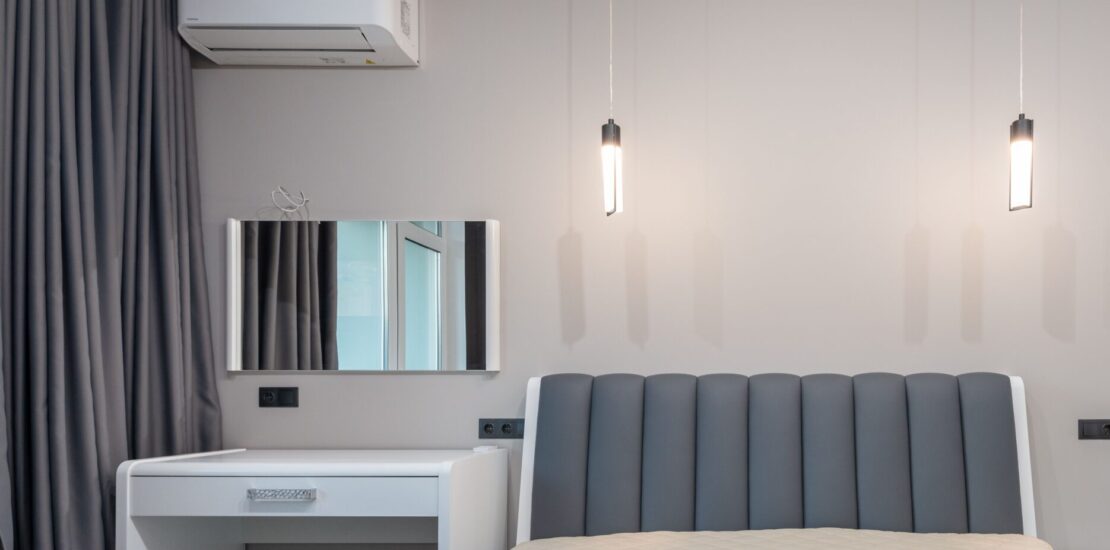
AC Use While You Sleep?
Japan’s summers seem to get hotter every year, and recently, the country has experienced record-breaking heat waves, with temperatures reaching close to 40°C in some areas. Even after the sun goes down, the heat often lingers well into the night, making it difficult to sleep without air conditioning.
As a result, many people choose to leave their AC running overnight. However, some worry whether it’s safe to do so or if it will significantly increase their electricity bill.
The good news is that modern air conditioners are designed to operate safely for extended periods, including overnight. As long as your unit is properly maintained and used correctly, sleeping with the AC on is generally safe. Here are some practical tips to help you stay cool, comfortable, and safe throughout Japan’s increasingly hot summers.
If you’d like more tips for surviving Japan’s hot and humid summers, be sure to check out our other helpful guides:
1. Set a Comfortable Temperature
One of the biggest mistakes people make is setting the temperature too low. While it may feel refreshing at first, it can become too cold during the night and increase your electricity usage.
A temperature between 25°C and 28°C is generally recommended for sleeping. If your air conditioner has a Sleep Mode, use it to gradually adjust the temperature while you sleep, helping you stay comfortable while using less energy.
2. Use Sleep Mode or a Timer
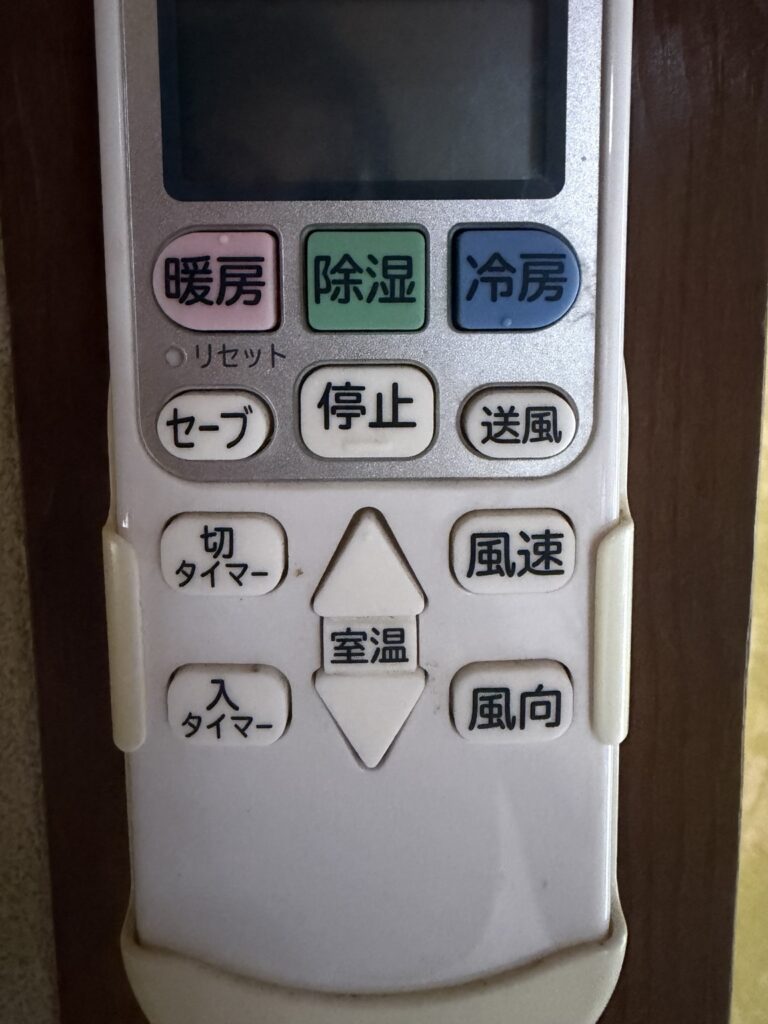
Sleep Mode automatically adjusts the temperature as your body cools during the night, making it one of the most energy-efficient settings.
If your AC doesn’t have Sleep Mode, consider using the timer function instead. Since the hottest part of the evening usually lasts until around 9:00 or 10:00 p.m., you may want to set the timer to turn the unit off around 1:00 a.m. or 2:00 a.m., provided your room stays comfortable afterward.
On particularly hot or humid nights, however, it’s perfectly fine to leave the AC running until morning if needed. Staying cool is more important than trying to save a small amount of electricity during a heat wave.
Here is a table with English translations that you will typically find in Japanese AC remote control
| Kanji / Japanese |
Reading (Romaji) |
English |
| 暖房 |
Danbō |
Heating / Heat Mode |
| 除湿 |
Joshitsu |
Dry Mode / Dehumidifier |
| 冷房 |
Reibō |
Cooling / Cool Mode |
| セーブ |
Sēbu |
Save / Energy Saving Mode |
| 停止 |
Teishi |
Stop / Power Off |
| 送風 |
Sōfū |
Fan Only Mode |
| 切タイマー |
Kiri Taimā |
Off Timer (turns the AC off automatically) |
| 入タイマー |
Iri Taimā |
On Timer (turns the AC on automatically) |
| 室温 |
Shitsuon |
Room Temperature (used with the ▲▼ buttons to adjust the set temperature) |
| 風速 |
Fūsoku |
Fan Speed |
| 風向 |
Fūkō |
Airflow Direction / Swing |
3. Keep Your Air Filters Clean
Dirty filters reduce airflow, make your air conditioner work harder, and lower its efficiency.
During the summer, clean the filters every 2 to 4 weeks, especially if you’re using the AC every day. If the filters are old or damaged, replace them with new ones. Replacement filters and AC cleaning supplies are available from Amazon Japan, electronics stores, and most home improvement centers.
4. Schedule Regular Maintenance
Besides cleaning the filters yourself, it’s also a good idea to have your air conditioner professionally serviced every few years.
A technician can inspect the refrigerant level, electrical components, coils, and drainage system to ensure everything is working safely and efficiently. Regular maintenance can also extend the lifespan of your air conditioner and help prevent costly repairs.
5. Don’t Block the Airflow
For your air conditioner to cool efficiently, both the indoor and outdoor units need proper airflow.
Avoid placing furniture, curtains, storage boxes, bicycles, or other objects directly in front of the indoor vents or around the outdoor condenser. Blocked airflow forces the system to work harder and can increase electricity consumption.
6. Use a Fan Together with Your AC
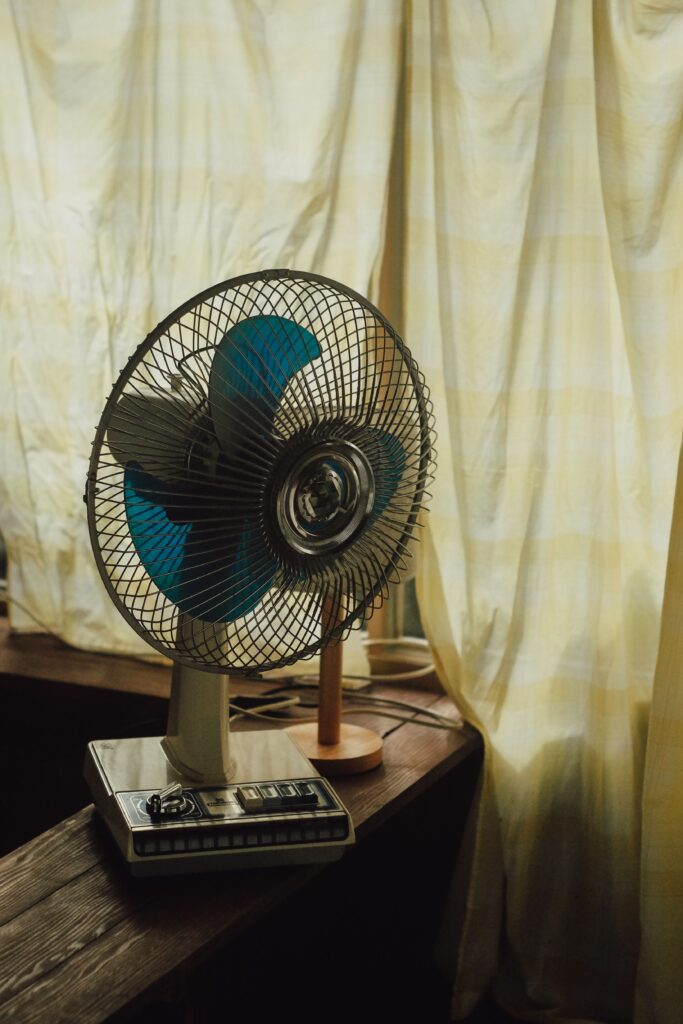
Using a ceiling fan or standing fan alongside your air conditioner helps distribute cool air more evenly around the room.
Because the cool air circulates better, you may be able to set your AC a degree or two warmer while still feeling comfortable. Better airflow can also help keep the room cool for longer if you decide to switch the AC off later in the night.
7. Avoid Constantly Turning the AC On and Off
Many people think repeatedly turning their air conditioner on and off saves electricity, but that’s not always true.
Modern inverter air conditioners are designed to maintain a steady temperature efficiently. Frequently restarting the unit can actually use more electricity and place additional strain on the compressor over time.
Instead, allow your air conditioner to maintain a consistent temperature whenever possible.
8. Give the Outdoor Unit Enough Space
The outdoor condenser releases heat from your home and needs good ventilation to operate properly.
Keep leaves, weeds, and other objects away from the unit. If it’s exposed to direct sunlight for much of the day, installing a shade above it may help reduce heat exposure. However, never completely cover the outdoor unit while it’s operating, as blocking airflow can reduce efficiency and potentially damage the system.
9. AC Window Units Require Extra Care
If you’re using a window-mounted air conditioner, make sure it’s securely installed and that the vents remain unobstructed.
Window units generally consume more electricity than modern wall-mounted split systems, so keeping them clean and properly maintained is especially important for both safety and efficiency.
If you’re considering replacing an older unit, upgrading to an inverter split-type air conditioner can help reduce electricity costs over time.
10. Keep the Cool Air Inside
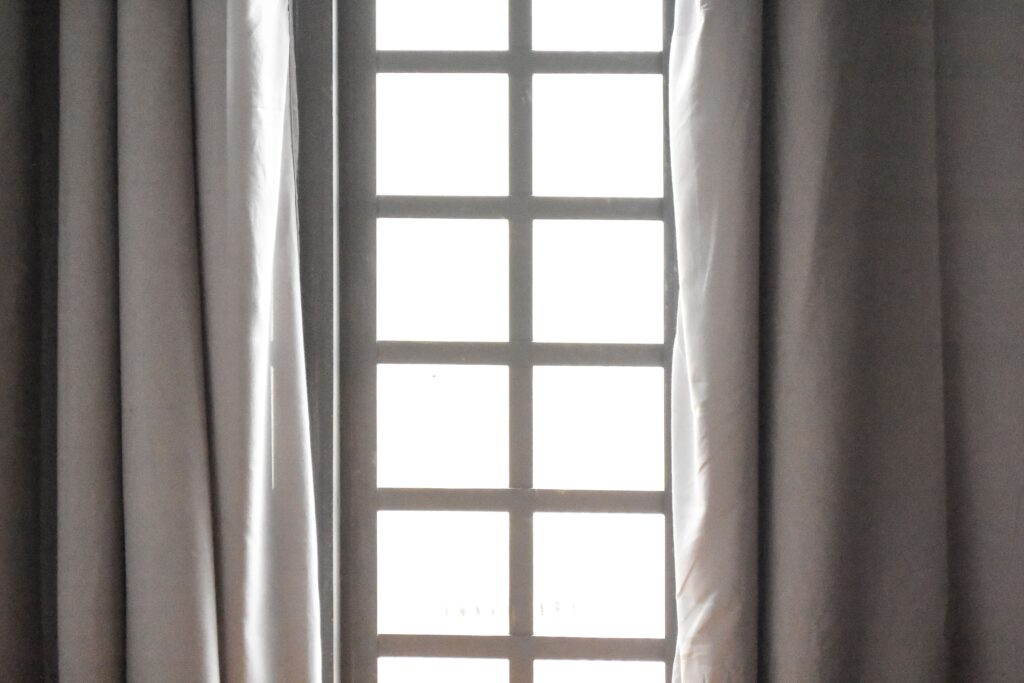
Closing your doors and windows while the AC is running helps prevent cool air from escaping.
If your home receives a lot of sunlight, consider installing blackout curtains, thermal curtains, or window insulation sheets. These help block heat from entering your home, making it easier for your air conditioner to maintain a comfortable temperature while reducing energy usage.
11. Stay Hydrated
Even while you’re sleeping, your body continues to lose water, especially during hot and humid weather.
Drink enough water throughout the day and keep a glass of water nearby if you tend to wake up thirsty. Staying hydrated can also help reduce the risk of heat-related illnesses.
12. Check the AC for Electrical Safety
If your air conditioner is older or hasn’t been serviced in several years, inspect it before relying on it overnight.
Stop using the unit and contact a qualified technician if you notice:
- Burning smells
- Buzzing or unusual noises
- Flickering lights when the AC starts
- Damaged power cords or plugs
- Circuit breakers frequently tripping
Never overload electrical outlets or use damaged extension cords with an air conditioner.
13. Watch for Signs of Heatstroke
Japan’s summer nights can remain dangerously warm, especially during heat waves.
If you wake up sweating excessively, feeling dizzy, nauseous, or with a headache, your room may still be too hot. Don’t hesitate to lower the temperature slightly or leave the AC running for longer if necessary. This is especially important for young children, older adults, and pets, who are more vulnerable to heat-related illnesses.
Is it recommended to sleep with the AC on overnight?
Yes. Modern air conditioners are designed to operate safely overnight. As long as your unit is properly maintained, installed correctly, and free from electrical problems, sleeping with the AC on is generally considered safe. During periods of extreme heat, keeping your bedroom cool can actually reduce the risk of heat exhaustion and improve sleep quality.
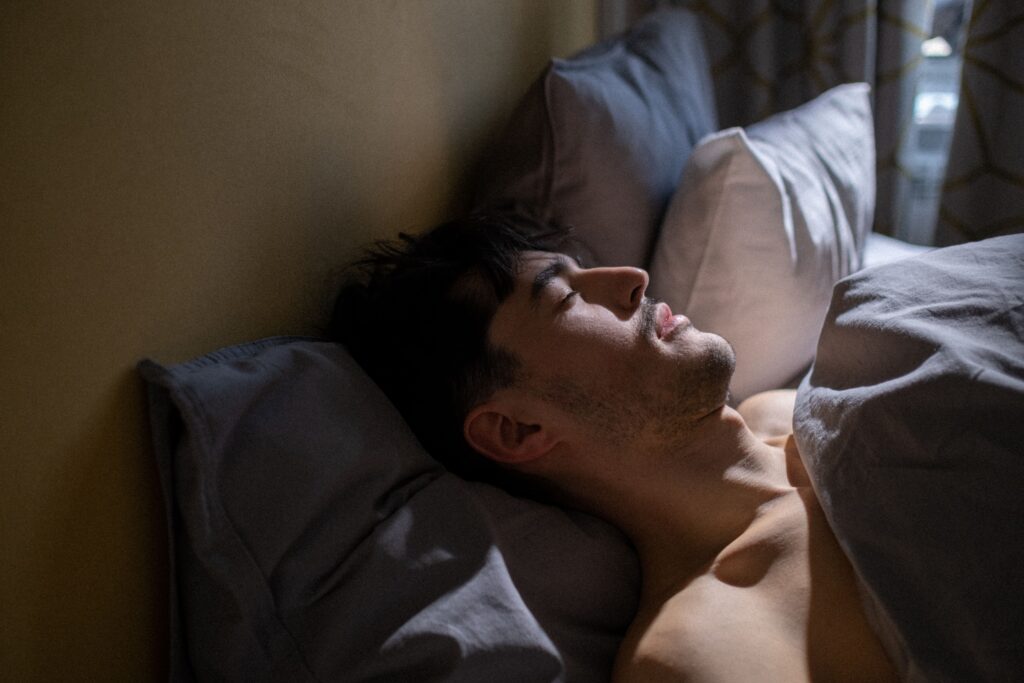
With Japan experiencing increasingly intense summers, air conditioning has become more than just a luxury—it’s an important way to stay safe and comfortable during extreme heat.
By setting a comfortable temperature, using Sleep Mode or a timer, cleaning your filters regularly, improving airflow with a fan, and maintaining your air conditioner properly, you can enjoy a cooler night’s sleep while keeping your electricity costs under control.
Most importantly, don’t be afraid to use your air conditioner when temperatures remain dangerously high overnight. A good night’s sleep and protection from heat-related illnesses are well worth it.
Whether you’re new to Japan or have lived here for years, these guides can help you stay comfortable throughout the hottest months of the year.
Stay tuned for more exciting content like this! Follow us on our social media platforms and check out our blog regularly to stay updated on the latest news, trends, and insider stories from Japan. Don’t miss out on future updates — sign up for our newsletter for exclusive content delivered straight to your inbox!