
Are you planning to move to Japan anytime soon? Here is a realistic first-month budget guide for couples moving to Tokyo, covering rent, food, utilities, and essential expenses to prepare for life in Japan.

Are you planning to move to Japan anytime soon? Here is a realistic first-month budget guide for couples moving to Tokyo, covering rent, food, utilities, and essential expenses to prepare for life in Japan.
Moving to Japan sounds exciting until the first-month costs start adding up.
Before newcomers even get to enjoy their new neighborhood, try local restaurants, or decorate their apartment, there are already many things to pay for. Rent, move-in fees, furniture, groceries, train fare, daily necessities, phone bills, and the waiting period before the first salary comes in can all happen at once.
This is one of the things people do not always talk about enough. The first month in Japan can be expensive, especially for couples renting their own apartment in Tokyo. It is not just about being able to afford the monthly rent. Couples also need enough money to survive the weeks before the first paycheck.
For those planning to move to Tokyo as a couple, here is a simple first-month budget planner to help prepare.
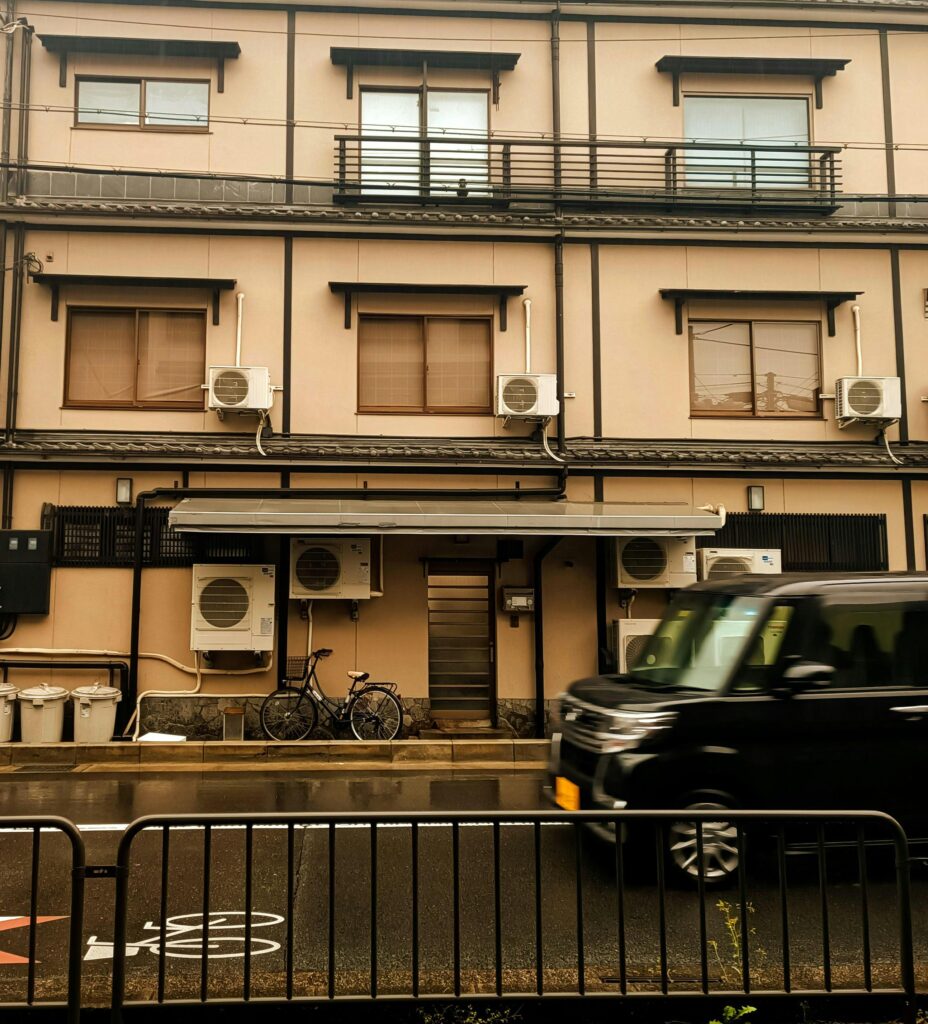
The biggest expense will most likely be the apartment.
For couples renting an apartment in Tokyo, it is safer to set aside at least ¥500,000 just for housing-related costs. This may sound like a lot, but apartment move-in fees in Japan can be surprisingly high.
New tenants are not only paying the rent. Depending on the apartment, they may also need to pay for:
This is why the first payment can feel so overwhelming. Even if the monthly rent looks manageable, the upfront cost can still be several times higher than the rent itself.
For couples in Tokyo, many apartments can be around ¥150,000 per month, especially for a comfortable space like a 1LDK. Apartments in central Tokyo or near popular stations can be even higher. Outside central Tokyo, or in nearby areas like Chiba, Saitama, or Kanagawa, some places may be around ¥60,000 to ¥80,000, depending on the location, building age, size, and distance from the station.
For those still looking for a place, Tokyo Room Finder has apartments, share houses, and other housing options in Tokyo and nearby areas.
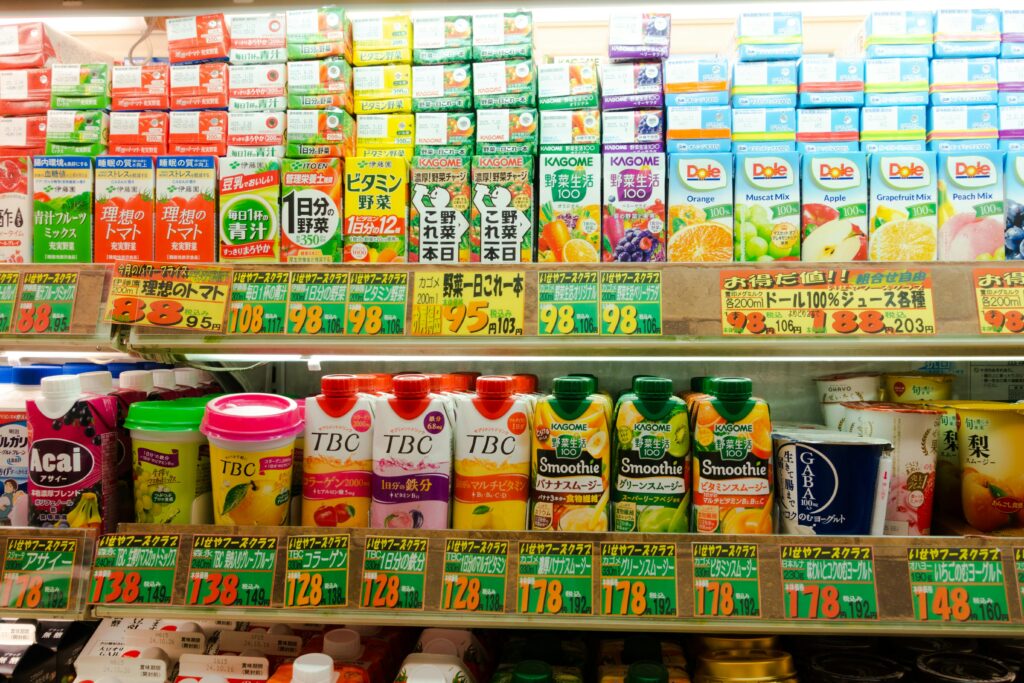
Food is another important part of the first-month budget.
This sounds obvious, but it is easy to underestimate. In Japan, many companies pay salaries once a month, often around the 25th of the following month. This means that even if someone starts working right away, they might not receive their salary for several weeks.
During the first month, many newcomers may be living completely off their savings.
For a couple, a safer food budget is around ¥50,000 to ¥80,000 for the first month. Some couples may spend less or more depending on their lifestyle, but this is a reasonable range while adjusting and figuring out where to shop.
Cooking at home can save a lot. Groceries in Japan can be manageable with simple ingredients like rice, eggs, vegetables, tofu, chicken, fish, pasta, and frozen food. Supermarkets also usually have discounted items in the evening, which can help stretch the budget.
Convenience stores are tempting because they are everywhere, and they are genuinely useful on busy days. However, buying meals from convenience stores every day can become expensive quickly. Eating out often will also make the budget disappear faster than expected.
For the first month, it is better to keep food spending simple: cook at home when possible, eat out occasionally, and save convenience store meals for busy or stressful days.
Transportation is another cost that can sneak up on people.
For those working outside the home, a commuter pass may be necessary. Depending on where someone lives and works, this could cost around ¥10,000 to ¥30,000 per person.
For a couple, that could mean around ¥20,000 to ¥60,000 just for commuting.
Even those working from home should still budget for transportation during the first month. New residents may need to go to the ward office, immigration office, bank, phone shop, apartment viewings, furniture stores, or their workplace for training.
When someone is new to Japan, there are usually many little errands to do. A person may think they will not go out much, but then suddenly need to take the train several times in one day just to finish paperwork or buy something important.
This is why it is still useful to set aside transportation money, even without a daily commute.
Furniture and appliances can become expensive very quickly.
Some apartments in Japan are unfurnished, which means new tenants may need to buy almost everything themselves. This can include a bed or futon, curtains, table, chairs, shelves, rice cooker, microwave, refrigerator, washing machine, hangers, trash bins, cleaning supplies, and all the small items that make a place livable.
For an empty apartment, it is good to prepare around ¥100,000 to ¥200,000 for furniture and appliances.
Not everything has to be brand new. Secondhand shops can be very helpful in Japan. Newcomers can check places like Treasure Factory, Second Street, Book Off Bazaar, Hard Off, or local recycle shops. Sometimes, good furniture, appliances, and household items can be found for much cheaper than buying new.
For new items, Amazon, Rakuten, Nitori, and IKEA are also useful. Amazon is especially convenient for people who need items delivered quickly and do not have a car.
It is usually better to buy only the essentials first. A new apartment does not need to be fully decorated in the first week. Start with what is truly needed: something to sleep on, curtains, basic kitchen items, laundry items, and cleaning supplies. The apartment can slowly become more comfortable once the budget settles.
Daily necessities are the small things people often forget to budget for.
Individually, they do not seem too expensive. But when starting from zero, everything may need to be bought at once.
This can include:
For daily necessities, prepare around ¥20,000 to ¥50,000.
The good thing is that Japan has many affordable shops for household basics. Daiso, Seria, Can Do, drugstores, supermarkets, Don Quijote, and home centers can all help with first-month living. For many small items, 100 yen shops can save a lot.
Phone, internet, electricity, gas, and water should also be included in the first-month budget.
For these expenses, prepare around ¥30,000 to ¥60,000. The actual cost depends on the apartment and what services need to be set up.
Some apartments already include internet, while others do not. Some phone plans may also have setup fees or first-month charges. Utilities may not all be billed immediately, but the bills will come eventually.
For couples, utilities can be manageable, but it is still better to budget for them early.
Emergency money should not be skipped.
Even with careful planning, unexpected costs can happen. Someone may need to go to the clinic, take extra trains, replace a missing item, buy something urgent, or pay for something they did not know the apartment required.
For a couple, try to keep at least ¥100,000 to ¥200,000 as emergency money. If possible, it is also helpful to set aside money from future paychecks for residence taxes and other unexpected expenses.
This should not be included in the normal spending budget. It should simply be kept aside in case something comes up. Moving to a new country is already stressful, and extra savings can give newcomers more breathing room when things do not go exactly as planned.
| Expense | Estimated Cost |
|---|---|
| Apartment move-in costs | ¥500,000 |
| Food and groceries | ¥50,000 to ¥80,000 |
| Transportation | ¥20,000 to ¥60,000 |
| Furniture and appliances | ¥100,000 to ¥200,000 |
| Daily necessities | ¥20,000 to ¥50,000 |
| Phone, internet, and utilities | ¥30,000 to ¥60,000 |
| Emergency money | ¥100,000 to ¥200,000 |
Around: ¥820,000 to ¥1,150,000
This does not mean every couple will spend this much. If a company helps with housing, if the apartment is furnished, or if the couple lives outside central Tokyo, the first-month costs can be much lower.
However, for couples moving to Tokyo independently and starting from zero, this is a safer amount to prepare.
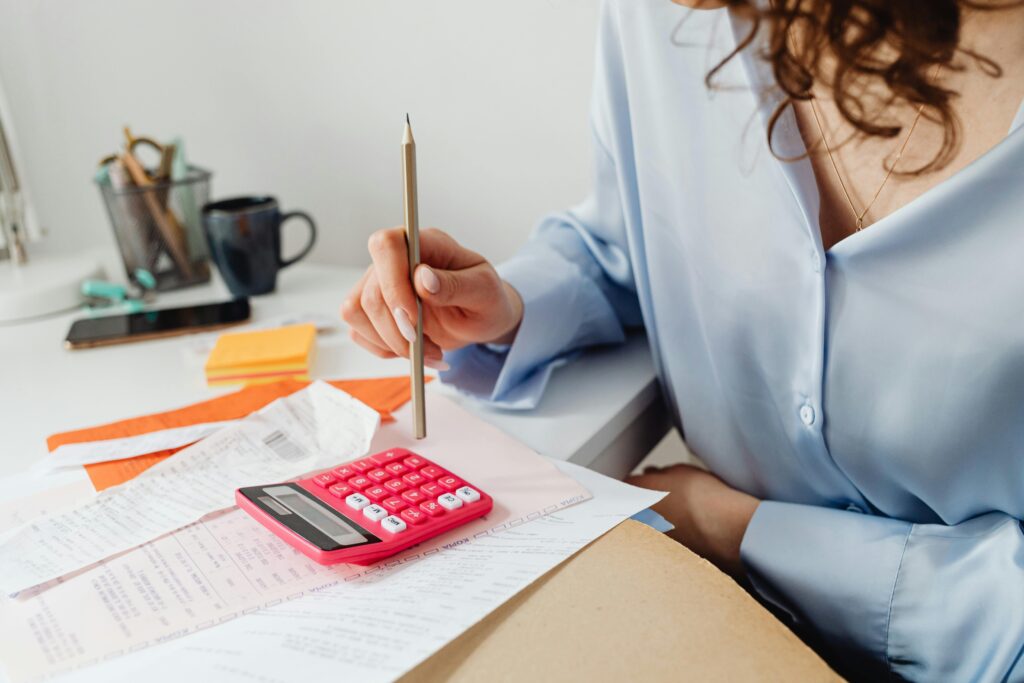
If the budget is tight, there are still ways to make the first month easier.
Look for apartments with lower initial costs, no key money, or furnished options. Consider living outside central Tokyo if the commute is still reasonable. Buy secondhand furniture instead of brand new items. Cook at home as much as possible and use 100 yen shops for basic household items. Avoid buying too many decorations or non-essential things right away when moving in.
It can be tempting to make an apartment look perfect immediately, especially after moving to a new country. However, the first month is more about survival and adjustment. The apartment can always become nicer and more comfortable over time.
The first month in Tokyo can be expensive, especially for couples. It is not only the rent that matters. Couples also need to think about apartment move-in fees, groceries, transportation, furniture, daily necessities, phone bills, utilities, and the time they may need to wait before the first salary comes in.
For couples moving to Tokyo, preparing around ¥800,000 to ¥1,000,000 is a safer target if possible. Not everyone will use the full amount, especially if they find a cheaper apartment or already have support, but having extra savings can make the move much less stressful.
Japan is a wonderful place to live, but the beginning can be overwhelming without financial preparation. A realistic budget can help couples start their new life with more confidence, fewer surprises, and a little more peace of mind.
Stay tuned for more exciting content like this! Follow us on our social media platforms and check out our blog regularly to stay updated on the latest news, trends, and insider stories from Japan. Don’t miss out on future updates. Sign up for our newsletter for exclusive content delivered straight to your inbox!

Be the first to hear about our new apartments!