The event runs the gamut when it comes to all things photography. Here’s what to expect at this yearly trade fair.

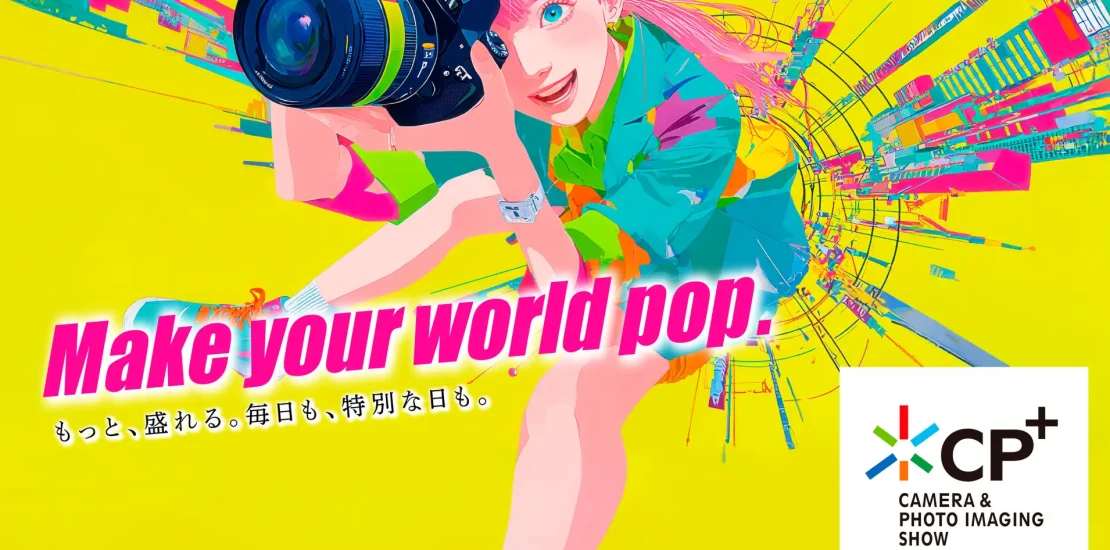
The event runs the gamut when it comes to all things photography. Here’s what to expect at this yearly trade fair.
The CP+ Camera and Photo Imaging Show, which began in 2010, is an event that brings together companies to display, sell, and promote their products. It is one of the world’s largest trade shows for cameras and photo imaging equipment, featuring a variety of programs including new product releases, talk sessions, workshops, and photo exhibitions. This year, it was held at Pacifico Yokohama from Thursday, February 26 to Sunday, March 1. Admission was free, but prior registration was required.
Yokohama has historical ties to early photography in Japan. In the late 19th century, after the country opened to the West, the city became one of the first places where photography began to flourish. Foreign photographers set up studios and played a key role in introducing modern photographic techniques to the locals.
From cameras and lenses to gear bags and content creation tools, the event had everything you need especially if you’re into photography and videography. Beginners could also take advantage of the workshops and talk sessions held throughout the trade show. Participants had the opportunity to learn about basic camera operation, wildlife and landscape photography, video shooting techniques, and more.
With many of the major camera and imaging companies gathered in one place, the event is a must-visit for photography lovers, content creators, and filmmakers alike.
Each booth offered something unique. Below is a closer look at some of the companies and what they showcased:
If companies were to receive awards, Fujifilm would probably win the “Most Fun Booth”. The company is popular for its Polaroid-inspired Instax series as well as its more advanced mirrorless cameras, both of which were brilliantly showcased during the event.
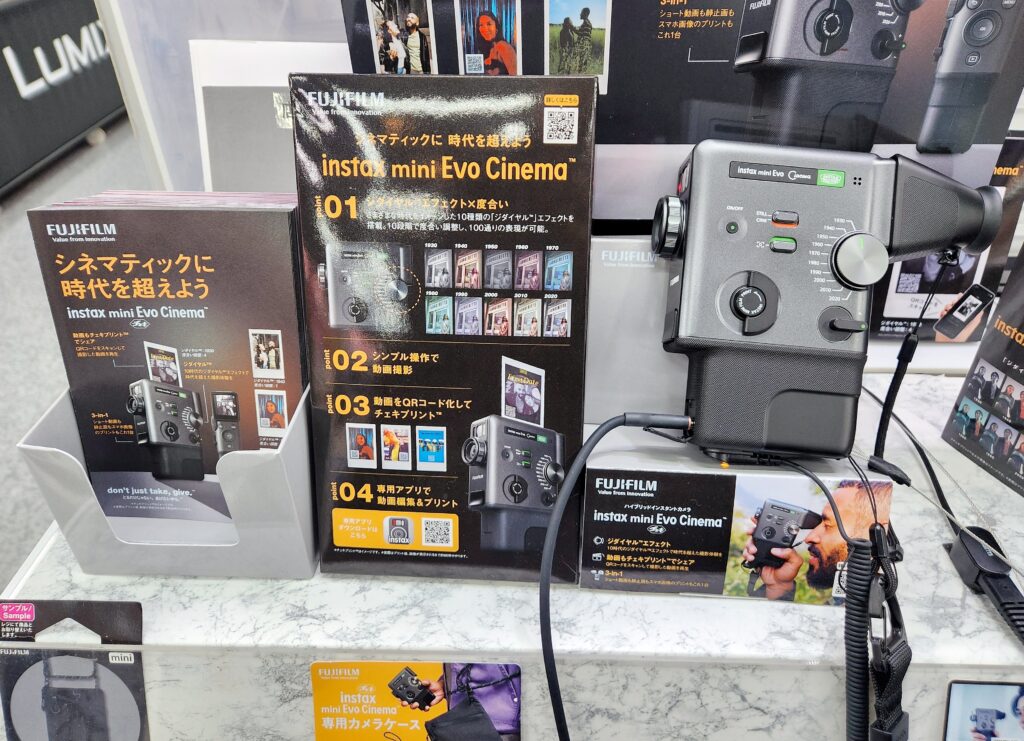
At the Instax corner, they promoted the Instax Mini Evo Cinema, a hybrid of instant and digital camera that has the usual Instax photo functions but with the added capability of recording short videos. For a dash of nostalgia, you can choose from 10 different decade-inspired filters (1920s-2020s) to create artistic photos and clips. All of these functions could be experienced at the booth, where guests had a chance to test the camera and print photos by downloading the app.
Additionally, guests could win prizes after completing the “Fujimikke Challenge”, which involved visiting the booths, answering a quiz, and spinning a gacha machine.
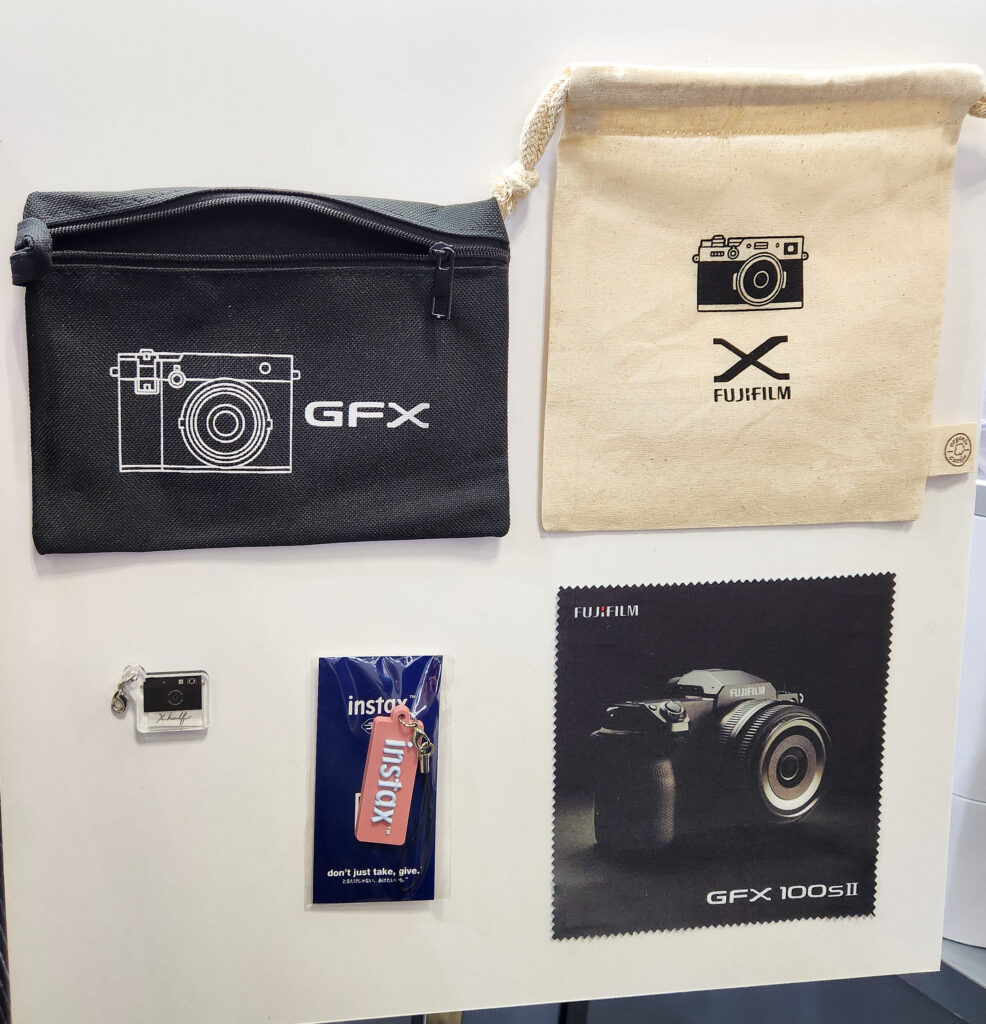
Another fun activity was the portrait shooting stage, where you could test Fujifilm’s GFX and X cameras by taking photos of models ready to give their best poses. Like many major companies at the event, they had a photo exhibit that really showed the key capabilities of a Fujifilm camera (particularly its high resolution sensors and strong color reproduction). The sharp, striking images were simply stunning to stare at. They seemed clearer than what eyes could see.
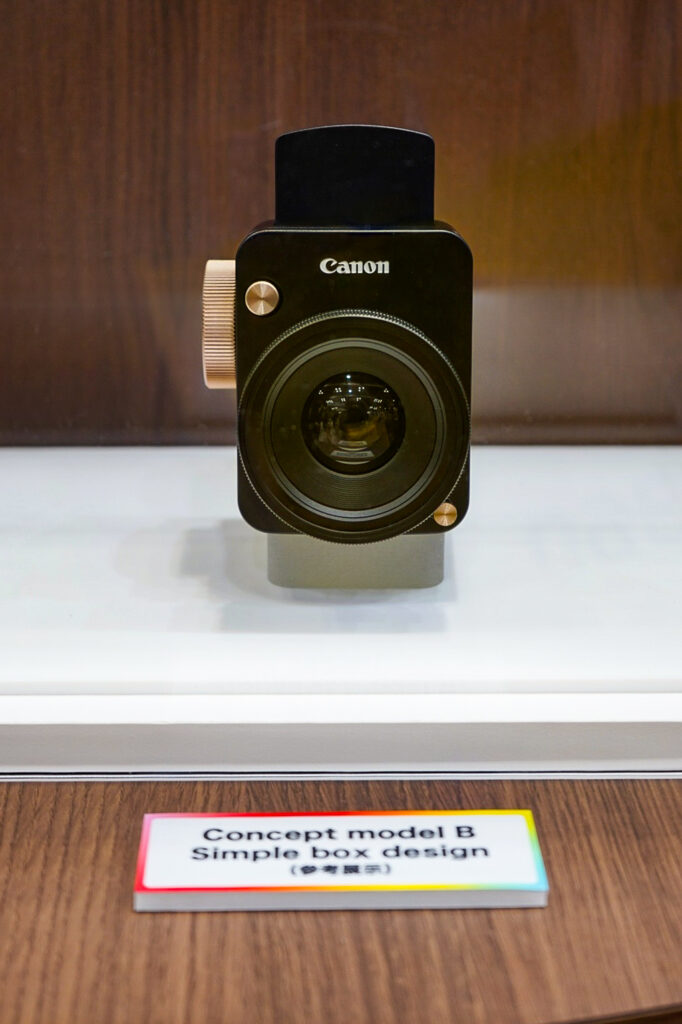
Alongside showcasing its R and RF series, Canon presented a rather surprising potential product. The company unveiled a retro-inspired camera with a modern twist. It has a waist-level viewfinder and a sleek design that was quite impressive.
Another unique thing was the VR glasses that they were promoting, something unusual coming from a company known for producing photography gear. It seems that Canon hinted its growing interest in immersive imaging technologies. As of writing, Canon has launched at least six primary hardware products specifically for VR and Mixed Reality (MR). These include VR/MR Headsets and Dual Fisheye Lenses. What’s cool was eventgoers could try these devices during the event.
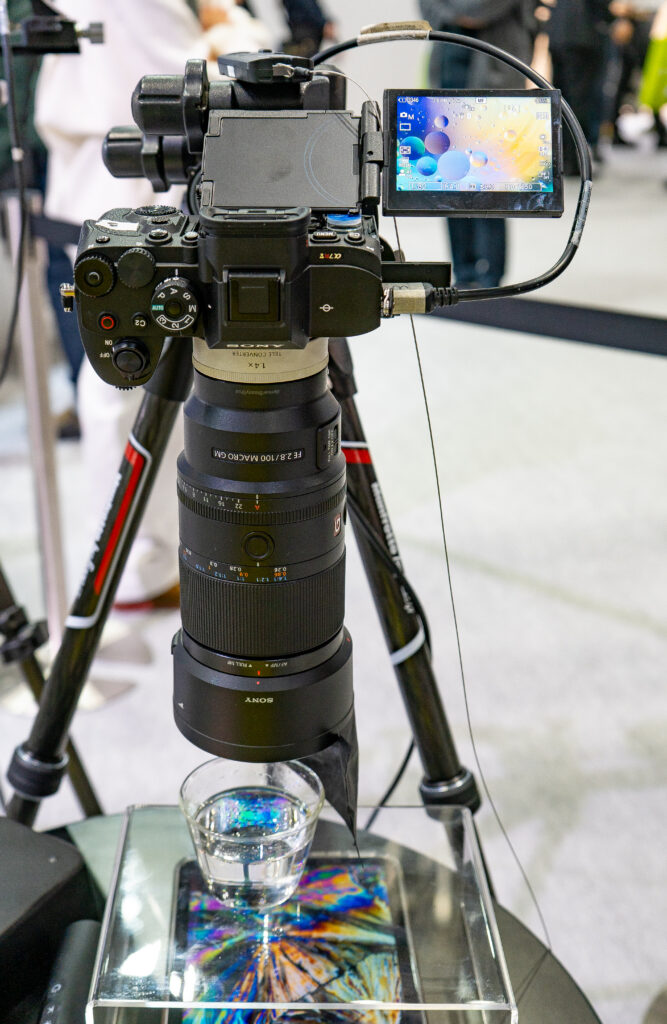
The Sony booth was one of the largest and busiest areas on the exhibition floor, featuring the company’s full imaging ecosystem and interactive experiences. The main highlights included hands-on experience with the Sony Alpha mirrorless lineup, telephoto and macro photography demo areas, and seminars led by photographers and filmmakers. At the portrait shooting stage, visitors could photograph models using Sony cameras and G Master lenses. Some of the models were dancing or making fast movements, so you could test the shutter speed and autofocus tracking in real time. And the best part is, you could insert your own SD card into the demo units to keep your shots. One of the most impressive demonstrations was the macro lenses which seemed to mimic a microscope. These lenses are capable of 1:1 magnification, allowing photographers to capture extremely fine details at very close range. During the demo, soap bubbles were used to reveal what these lenses could do. The camera’s LCD screen showed the beautiful colors and intricate textures that are normally invisible to the naked eye.
The OM System (formerly known as Olympus) offered a nature-themed experience that highlighted the brand’s strong focus on outdoor and wildlife photography. One section of the booth featured a small forest-like setup with artificial trees and birds that allowed visitors to test the zoom capabilities and autofocus performance of the OM cameras. Attendees could handle models such as the OM-series mirrorless cameras and various M.Zuiko lenses. The company also hosted workshops delivered by professional photographers. The sessions covered topics such as landscape photography and bird photography.
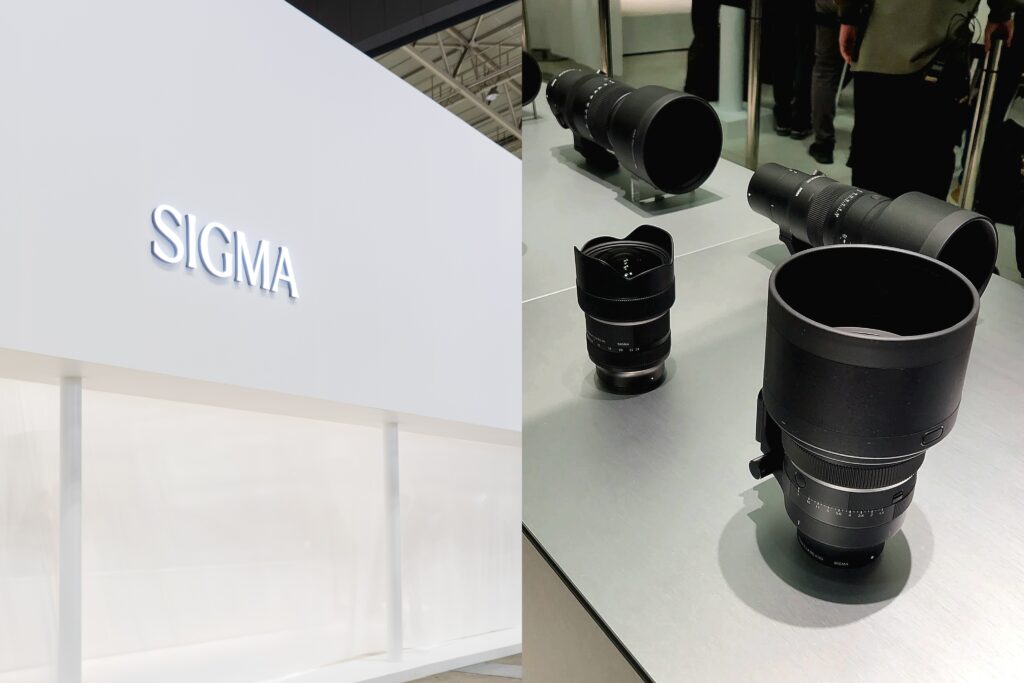
Sigma is a premium lens maker headquartered in Kawasaki. The company has built a strong reputation for high-quality optics, particularly with its Art line, which are regarded as professional-grade alternatives to native lenses. Sigma takes pride in their products, all of which are produced at its factory in Aizu, Fukushima—its sole manufacturing site. Sigma lenses are widely recognized for producing images with exceptional sharpness and beautiful bokeh.
During the event, Sigma’s booth proved to be a showstopper. Its white façade gave it an immaculate look. They displayed their best lenses and prepared demo units for visitors to explore. There was also a space for workshops and a corner for photo books that guests can peruse for inspiration.
The biggest attraction at Tamron’s booth was the recreation of Hill Valley’s clock-tower square plus a replica of the DeLorean time machine from the “Back to the Future” movie. Visitors could take photos and test lenses in this themed environment.
Relatively new to the scene, TTArtisan was established in 2019 in Shenzhen, the electronics capital of China. In just a few years, the company has gained attention for producing affordable yet capable lenses designed for mirrorless cameras. Positioned in the ultra-budget category, TTArtisan lenses are significantly cheaper than those from Tamron and Samyang, third-party brands known for offering wallet-friendly alternatives to native lenses from Sony, Canon, and the like.
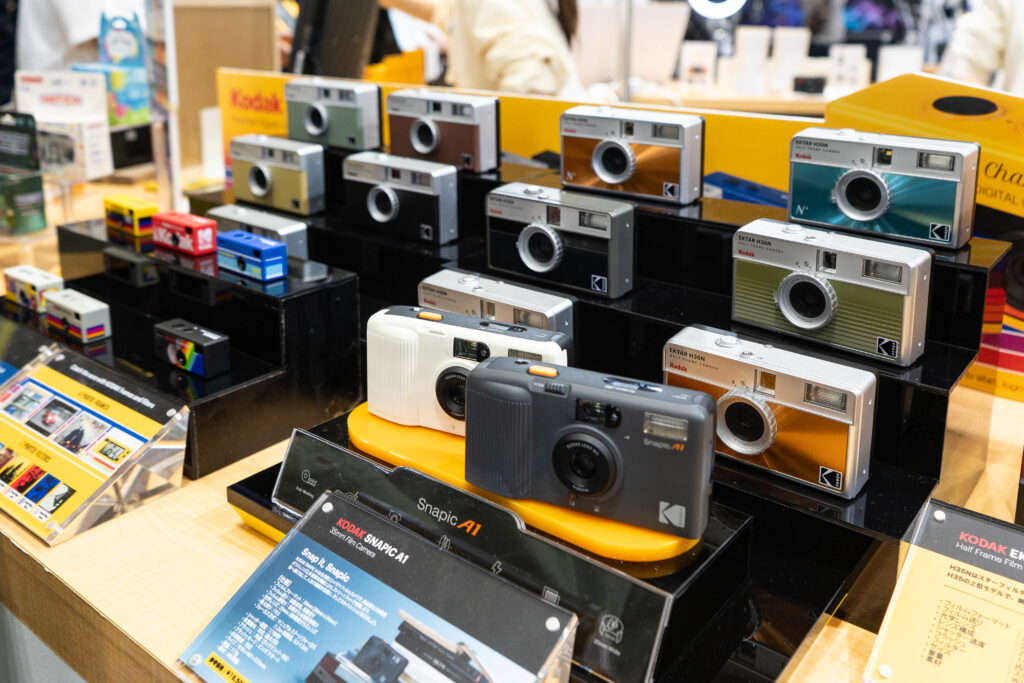
SAEDA had a variety of retro and toy film cameras from Holga, Kodak, and Becks. Their display evoked a sense of nostalgia for those who experienced the analog photography era. It was great to see that these kinds of cameras are still thriving (and even gaining attention from the younger generation) amid today’s many high-tech options.
For content creators and influencers, the Insta360 booth was a great pit stop. It focused heavily on 360-degree imaging and AI-powered creativity, promoting a 360-degree camera drone concept that demonstrated how creators could capture footage from both ground and aerial perspectives. Eventgoers could also try their most recent camera models like the Insta360 X5, Ace Pro 2, and GO Ultra.
Stay tuned for more exciting content like this! Follow us on our social media platforms and check out our blog regularly to stay updated on the latest news, trends, and insider stories from Japan. Don’t miss out on future updates — sign up for our newsletter for exclusive content delivered straight to your inbox!