Discover why Mt. Tsukuba is one of the easiest nature escapes from Tokyo. From sacred twin peaks to scenic trails, ropeways, soba, and seasonal views, this Ibaraki destination is perfect for a half-day or weekend trip.
Discover why Mt. Tsukuba is one of the easiest nature escapes from Tokyo. From sacred twin peaks to scenic trails, ropeways, soba, and seasonal views, this Ibaraki destination is perfect for a half-day or weekend trip.
Tokyo has a way of convincing you that escape requires commitment—bullet trains, hotel bookings, luggage logistics. Mt. Tsukuba quietly disagrees. Sitting in southern Ibaraki Prefecture, roughly 60 kilometers northeast of central Tokyo, Tsukuba-san has been offering city residents a reset button for more than a thousand years. You don’t need hiking boots or a long weekend. You just need half a day, train and bus tickets, and the willingness to trade concrete for contour lines.
What makes Mt. Tsukuba special is not raw scale. At 877 meters, it is modest by Japanese mountain standards. But different from other mountains, it sits on a plain. Japanese sources often describe Tsukuba as Oyama, a mountain that belongs to everyday life rather than heroic conquest.
Mt. Tsukuba is not quite as visible as the many times taller mt Fuji, but from the area around northeastern Tokyo, you immediately notice it. Mt Tsukuba is instantly recognizable by its twin summits: Nyotai-san (877 m) and Nantai-san (871 m). This paired form is not just geological trivia; it underpins the mountain’s religious identity. Tsukuba Shrine (筑波山神社), located at the mountain’s base, enshrines the deities Izanagi and Izanami — male and female creator gods in Shinto cosmology. Japanese historical references emphasize that this duality is reflected physically in the mountain’s shape, making Tsukuba a site of worship since at least the 9th century.

Unlike Mt. Fuji, which is distant and monumental, Tsukuba’s sacredness feels intimate. Pilgrims historically climbed it not to test themselves but to participate in seasonal rituals, poetry gatherings, and social excursions. Edo-period travel writings frequently mention Tsukuba as a fashionable destination for townspeople, a tradition that feels surprisingly intact today.
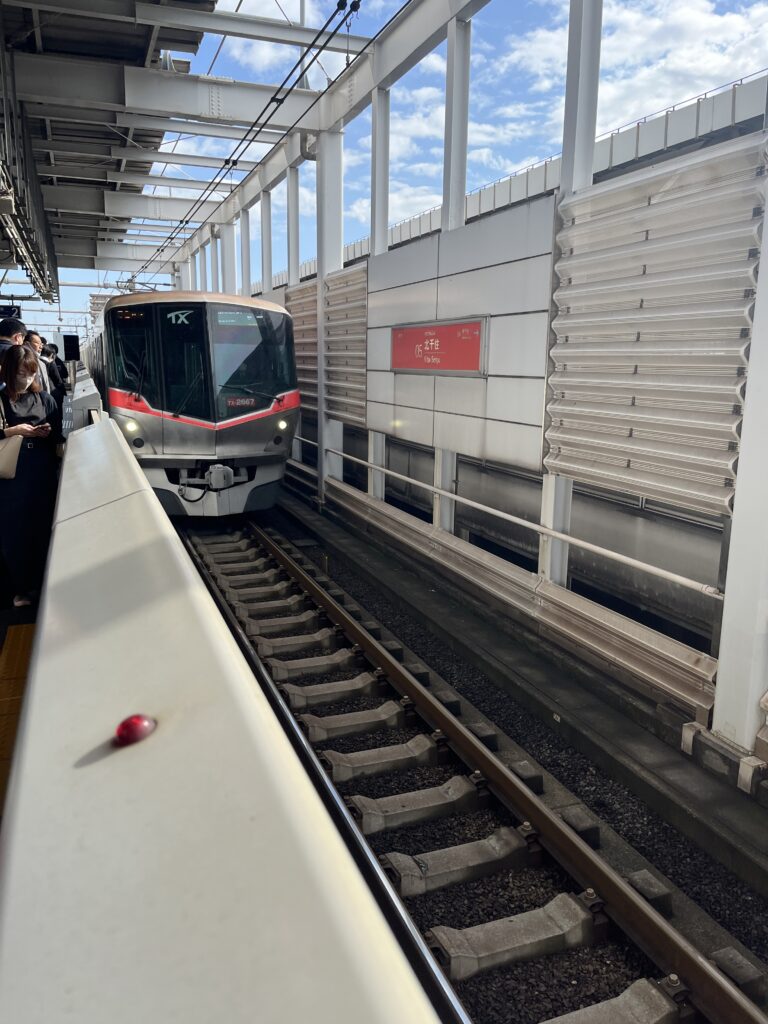
One of Mt. Tsukuba’s greatest strengths is how easily it fits into a Tokyo routine. From Akihabara Station, the Tsukuba Express (TX) runs directly to Tsukuba Station in about 45 minutes. From Tsukuba Station, buses connect directly to Tsukubasan Shrine and the Tsukubasan Ropeway area in roughly 40 minutes, depending on traffic. Tsukuba itself is a university city, the economic and cultural center of southern Ibaraki, and the location of the JAXA museum displaying much of Japan’s space effort.
Mt. Tsukuba is refreshingly flexible. You can hike, ride, or combine both without any sense of cheating. There are several main routes, the most popular being the Miyukigahara Course and the Shirakumobashi Course. Both are well-maintained, clearly marked, and busy enough to feel safe without becoming crowded in the way Fuji’s trails do during peak season. Although at the beginning and end of the school year, you have to look out for local children doing the climb as a school activity.
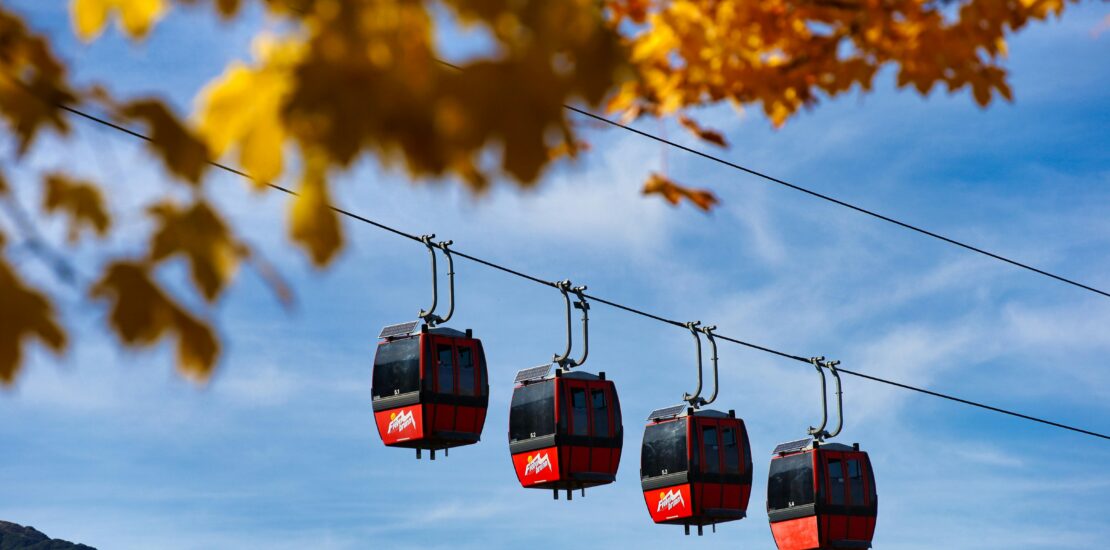
For those less inclined to climb, the Tsukubasan Cable Car (from near the shrine) and the Ropeway (on the opposite side) offer mechanical assistance. They have existed in various forms since the early 20th century, reinforcing Tsukuba’s role as a leisure mountain rather than a wilderness challenge.
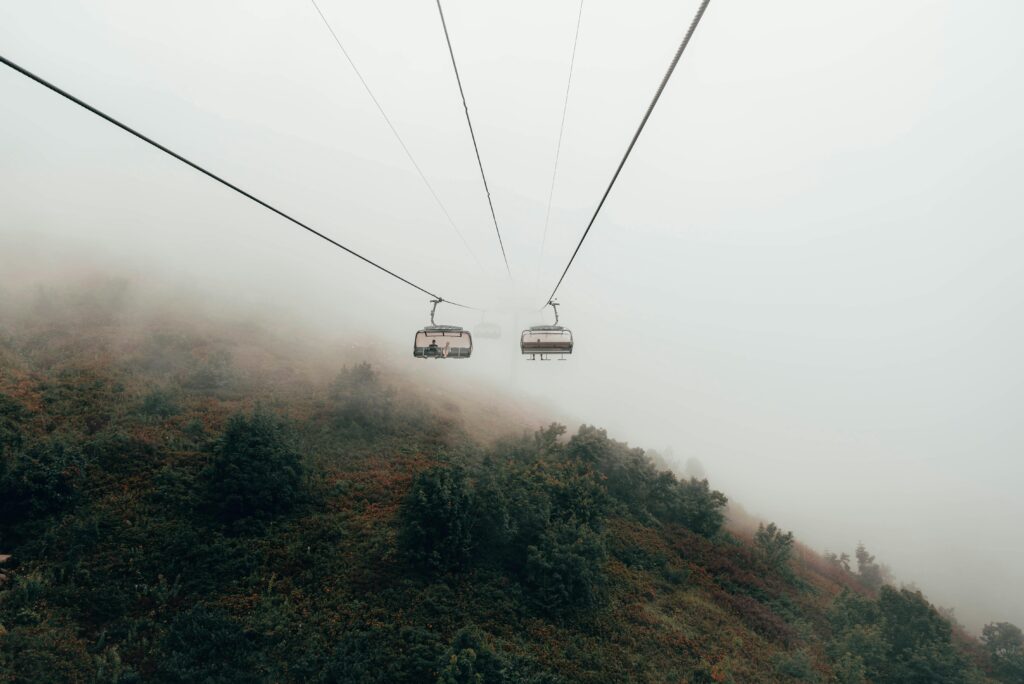
The walk from the cable car to the ropeway is also very scenic, although going up with one and down with the other risks leaving you with a half-hour walk if you want to go back.
What’s striking is how mixed the crowd visiting mt Tsukuba is. You’ll see retirees in city sneakers, families with children, solo hikers, and office workers who look like they came straight from a weekday schedule. Mt Tsukuba does not demand a uniform identity from its visitors. You can climb in sneakers and shorts — in season.
Despite its height, Mt. Tsukuba offers one of the widest views in the Kanto region. On clear days, Japanese observation guides note that you can see Mt. Fuji to the southwest and the Pacific Ocean to the east. At night, the mountain is equally valued for its “nightscape,” with the Kanto Plain spreading out like a circuit board below.
This visibility is why Tsukuba has long been praised in poetry and travel writing. Rather than isolating you above the world, it lets you see how everything connects. Tokyo doesn’t disappear; it becomes comprehensible.
Tsukuba is not a one-season destination. Japanese tourism calendars emphasize its year-round appeal, and each season genuinely changes the experience.
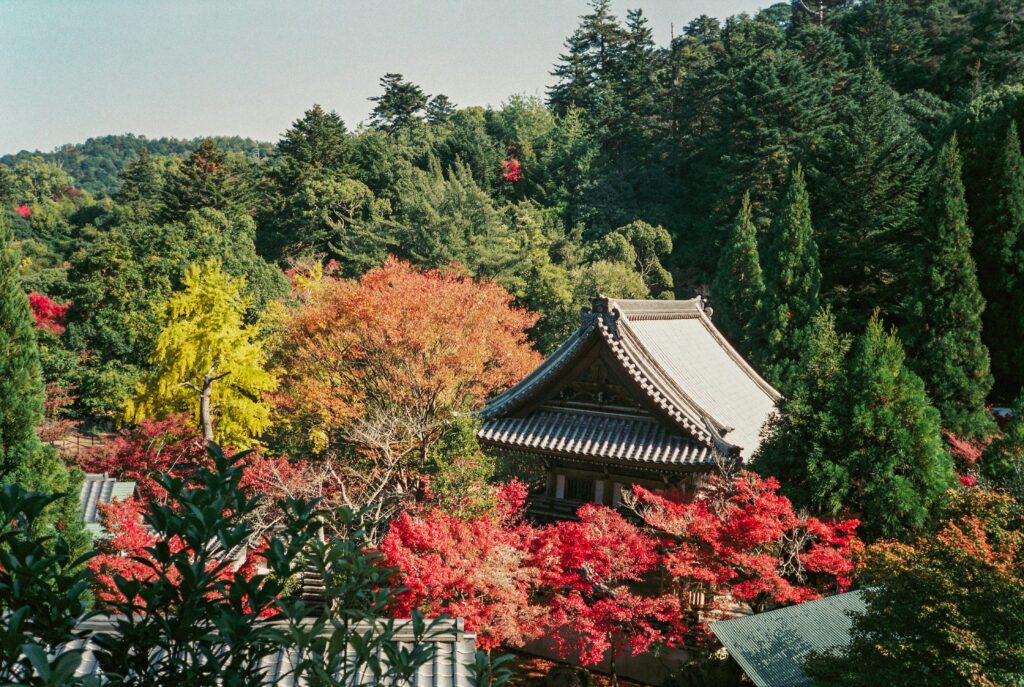
Spring brings plum and cherry blossoms around the shrine approach. Summer offers deep green shade and cooler temperatures than central Tokyo. Autumn is arguably Tsukuba’s peak, with maple leaves turning the hiking trails into corridors of red and gold—less famous than Kyoto, but far less crowded. Winter, meanwhile, is quiet and crisp. Snow is rare but possible, and clear winter air produces some of the best long-distance views.
This seasonality reinforces Tsukuba’s role as a repeat destination rather than a once-and-done trip.
Unlike remote mountain areas, Tsukuba is surrounded by infrastructure that feels human-scaled. Near the shrine and cable car stations, you’ll find traditional soba shops, simple restaurants, and souvenir stands selling local specialties. Japanese food guides often highlight Tsukuba’s soba culture, tied to Ibaraki’s buckwheat production.
There are also onsen facilities and small inns on the mountain’s lower slopes, making an overnight stay possible without turning the trip into a full vacation. This flexibility is key: Tsukuba adapts to your time constraints rather than demanding you adapt to it.
Mt. Tsukuba has never tried to compete with Mt. Fuji, and that may be why it has aged so well. Japanese references frequently describe it as shitashimi no aru yama—a mountain you feel close to. It is woven into daily life, school trips, casual dates, and spontaneous weekend decisions.
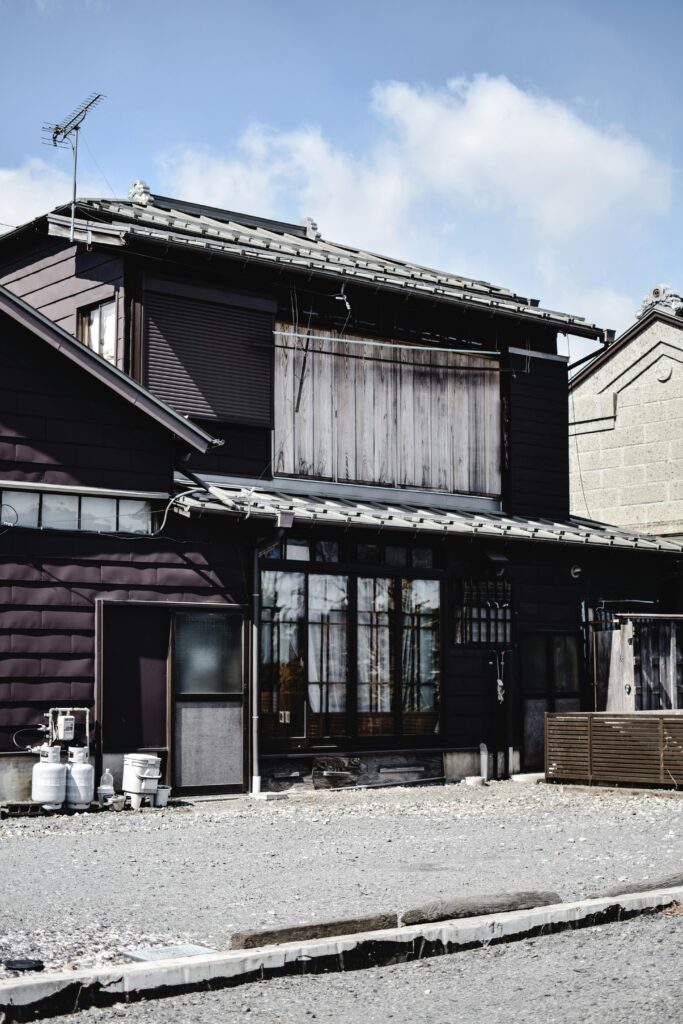
For Tokyo residents and visitors alike, Tsukuba offers something rare: relief without rupture. You can leave the city, recalibrate your senses, and return home the same day with dirt on your shoes and clarity in your head. In a metropolis that often feels relentless, Mt. Tsukuba is a reminder that distance is not measured only in kilometers, but in how quickly the mind can let go.
And sometimes, all it takes is a small mountain with two peaks, waiting patiently at the edge of the plain.
Stay tuned for more exciting content like this! Follow us on our social media platforms and check out our blog regularly to stay updated on the latest news, trends, and insider stories from Japan. Don’t miss out on future updates — sign up for our newsletter for exclusive content delivered straight to your inbox!