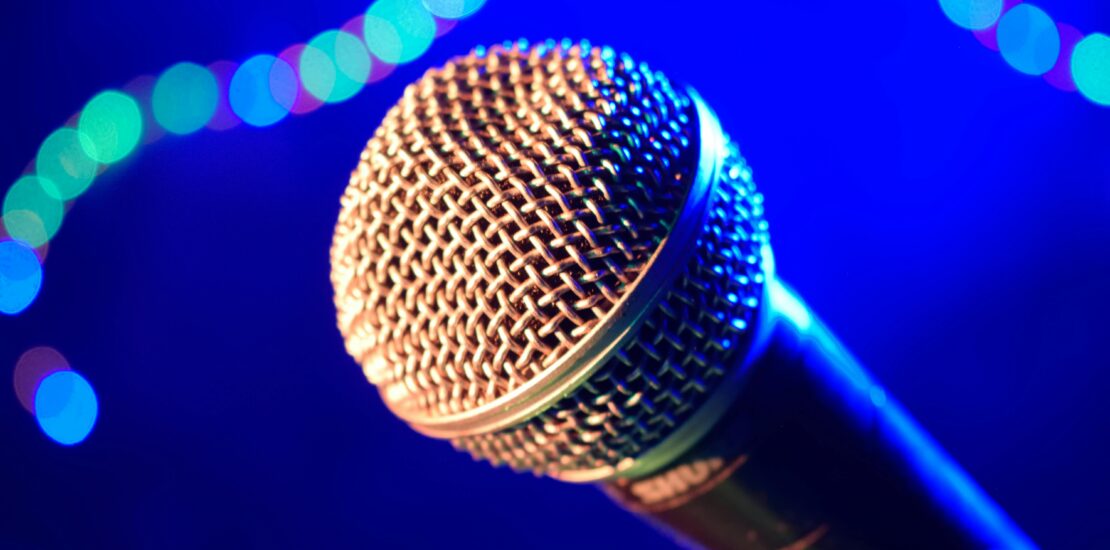
Karaoke in Japan is not a once-a-year party activity. It is built into daily life. Students go after school. Coworkers go after nomikai. Friends go when they do not want to commit to a full dinner but still want somewhere private to talk and stay out late.
If you have never tried it in Japan, the system can feel confusing at first. There are multiple chains, different price structures, membership discounts, drink rules, and even different karaoke machine brands inside the rooms.
This guide breaks it down clearly and practically.
How Karaoke Pricing Works in Japan
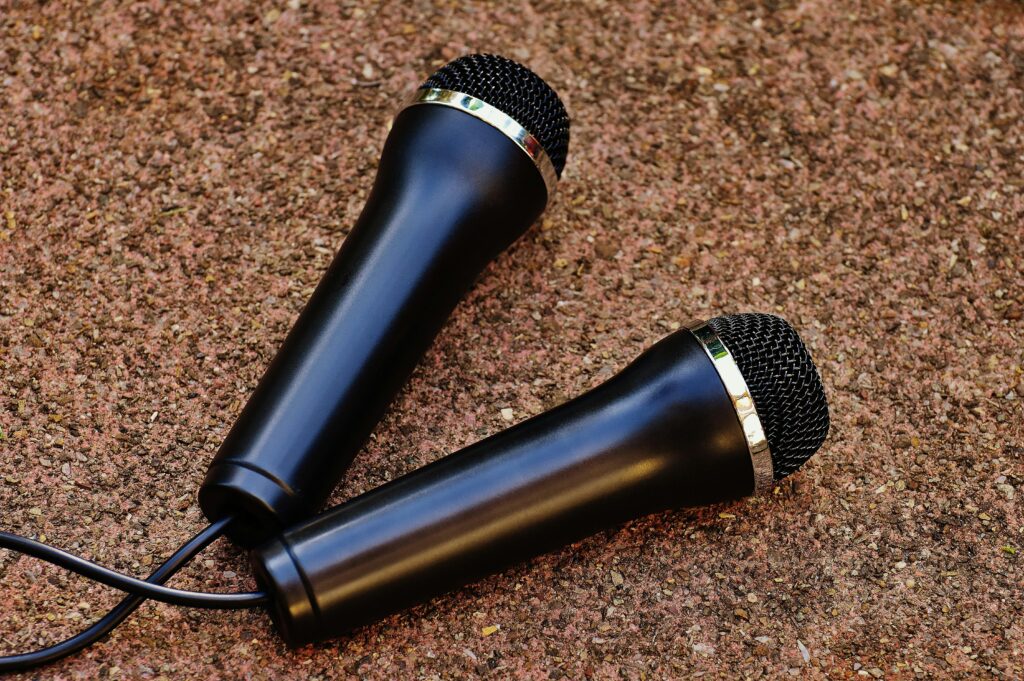
The first thing to understand is that karaoke chains in Japan do not have one fixed nationwide price. Even the companies themselves state that prices vary by branch and may change depending on season or campaign. For example, Big Echo explicitly notes that fees differ by store and can change.
So instead of listing one exact number, it is more accurate to explain the structure.
The Basic Karaoke Structure
Most major chains charge:
Prices usually change depending on:
-
Weekday vs weekend
-
Daytime vs nighttime
-
Member vs non-member
As a rough guide based on typical branch rate tables:
-
Weekday daytime (per 30 minutes): often around ¥160 to ¥200 for members
-
Weekend daytime (per 30 minutes): often around ¥240 to ¥300
-
Weekday daytime free time: commonly around ¥800 to ¥1,100
-
Weekend free time: often around ¥1,400 to ¥1,900
-
Night free time: typically ¥2,000 to ¥2,500 or more
These are general examples, not fixed prices. Always check the branch page before going.
The Food and Drink Rule (Why the Total Feels Higher)
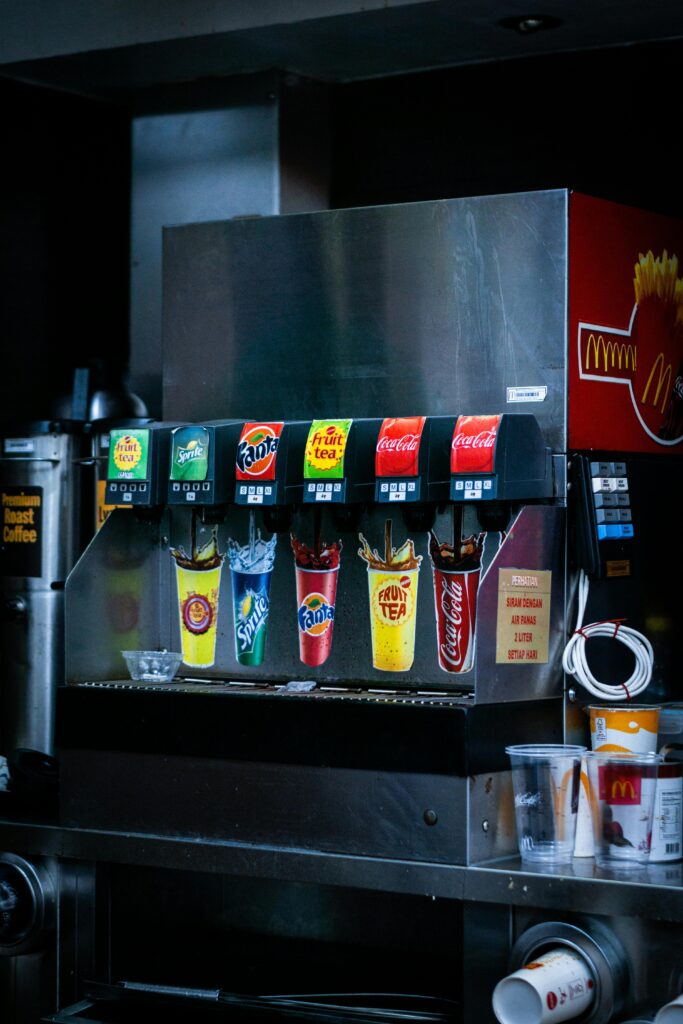
Many people are surprised when the final bill is higher than expected. That is usually because of the drink system.
Most chains require either:
For example, Manekineko explains on its store pages that the one-drink system means ordering a drink priced at 420 yen or more, separate from the room fee.
So even if the room rate looks inexpensive, you should factor in at least one drink per person.
The Major Karaoke Chains (And Their Differences)
You will see several major names repeatedly across Japan:
-
Big Echo
-
Karaoke BanBan
-
Manekineko
-
Karaoke Kan
All of them offer private rooms. The differences are mostly in pricing style, atmosphere, and room variety.
Big Echo
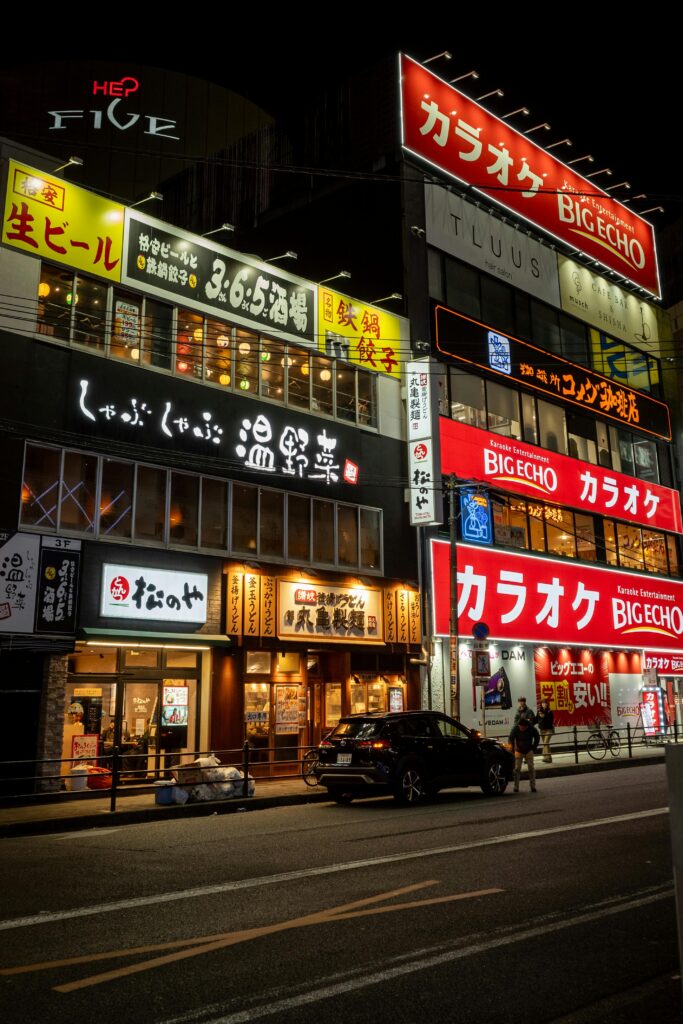
Big Echo is often considered a reliable, mid-range option. Many branches are modern and well-maintained. It is commonly chosen for small group outings or casual dates.
What to know:
-
Pricing varies by branch, as officially stated on their FAQ.
-
Daytime is significantly cheaper than nighttime.
-
Some branches have very small rooms for one or two people, while others have larger party rooms.
It feels consistent and polished across locations.
Karaoke BanBan
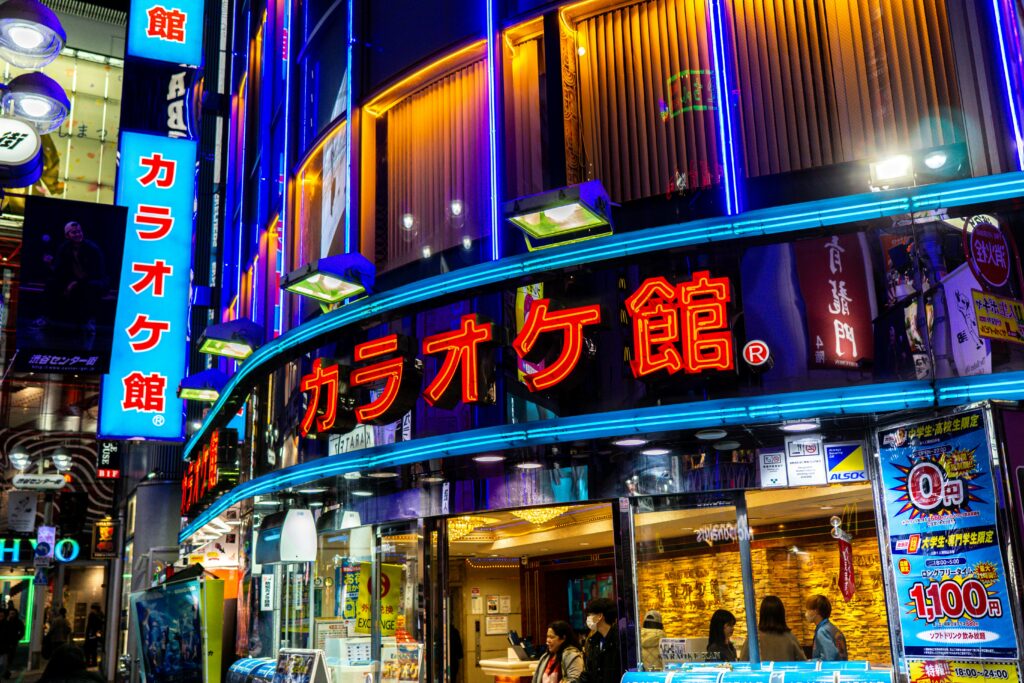
BanBan is frequently described as budget-friendly. It is popular with students and groups looking for lower daytime rates.
What to know:
-
Pricing is clearly shown per branch on their shop list site.
-
Weekend and evening rates rise noticeably.
-
Interiors may be simpler compared to more polished chains.
BanBan is often the practical choice when cost is the main concern.
Manekineko
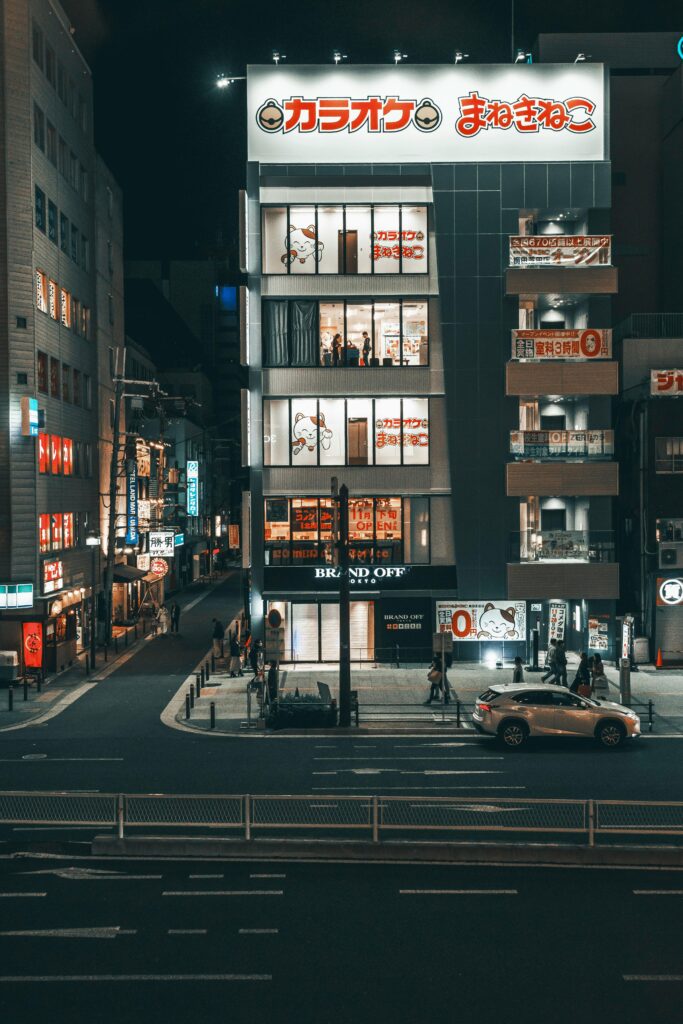
Manekineko is widely used and often associated with flexible pricing.
What stands out:
-
Clear one-drink rule explanations on store pages.
-
Often competitive daytime free time plans.
-
Some branches allow outside food and drinks, which can significantly reduce total cost.
It is a common choice for longer sessions.
Karaoke Kan
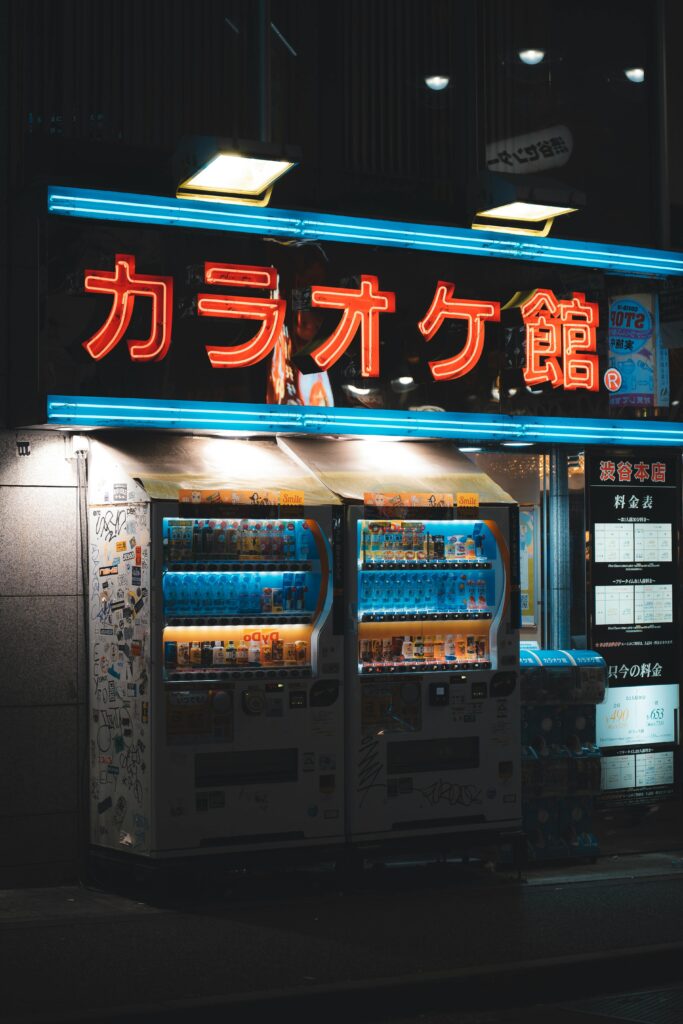
Karaoke Kan is especially visible near major stations and nightlife districts. Some branches offer larger rooms that work well for events or birthday gatherings.
A practical detail:
Some branches list both karaoke systems available in-store. For example, certain locations show both JOYSOUND and DAM machines under their equipment listings. This means you can sometimes request a room based on the system you prefer, depending on availability.
DAM vs JOYSOUND: The Machine Systems Explained
DAM and JOYSOUND are not karaoke chains. They are the karaoke machine systems inside the rooms.
Most chains use one or both, depending on the branch.
JOYSOUND
JOYSOUND is often associated with:
-
Large international song catalogs
-
Anime songs
-
Strong English, Korean, and other foreign-language availability
If you care about finding a specific English or Southeast Asian track, JOYSOUND can sometimes be the easier system.
DAM
DAM is frequently associated with:
Some regular karaoke users prefer DAM for its scoring features and sound balance.
Karaoke Room Sizes
Private-room karaoke in Japan ranges from:
-
Very small “hitokara” rooms for one person
-
Small rooms for two to four people
-
Standard rooms for six to eight people
-
Larger party rooms in certain branches
Inside most rooms you will find:
Food menus usually include fries, fried chicken, pasta, desserts, and drinks.
Private Rooms vs Karaoke Bars
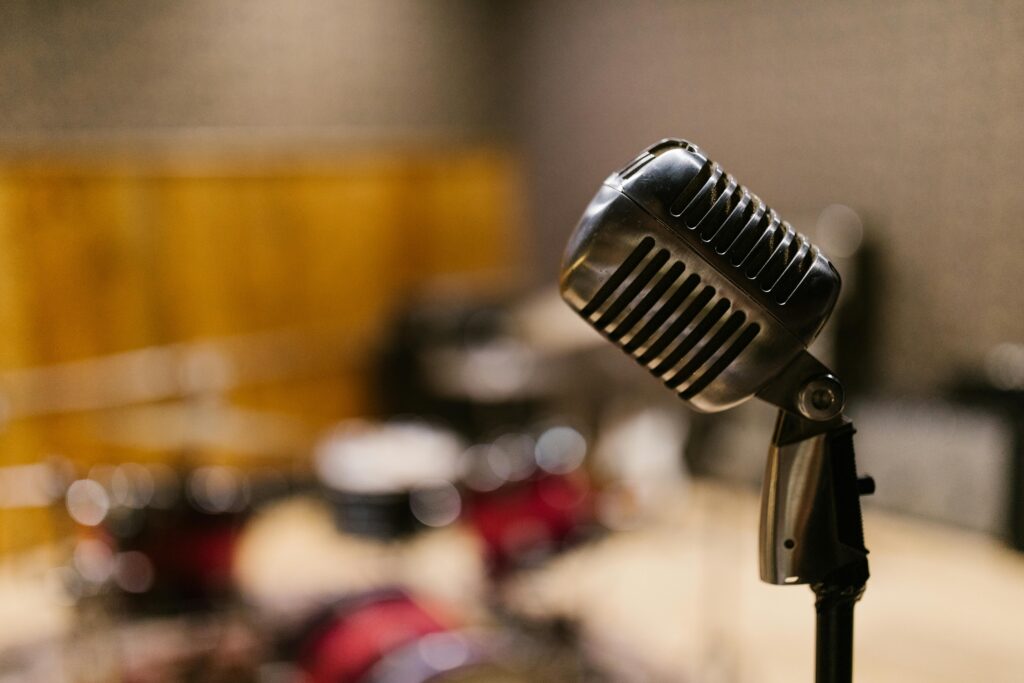
Everything described above refers to private-room karaoke, which is the most common format in Japan.
There is also bar-style karaoke, where you sing in front of other customers. This is more social and more public. It is common in smaller neighborhood bars and drinking districts.
Private-room karaoke is generally more comfortable for beginners.
Practical Tips Before You Go
-
Check the branch’s official price table online.
-
Confirm whether your plan requires one drink or a drink bar.
-
Make a reservation for weekend evenings.
-
Ask if they have DAM or JOYSOUND if you have a preference.
-
Join membership programs if you plan to go more than once.
Once you understand the structure, karaoke in Japan becomes straightforward. It is a flexible, affordable way to spend a few hours, whether you are singing seriously, practicing Japanese songs, or just enjoying time with friends behind a closed door.
Stay tuned for more exciting content like this! Follow us on our social media platforms and check out our blog regularly to stay updated on the latest news, trends, and insider stories from Japan. Don’t miss out on future updates — sign up for our newsletter for exclusive content delivered straight to your inbox!