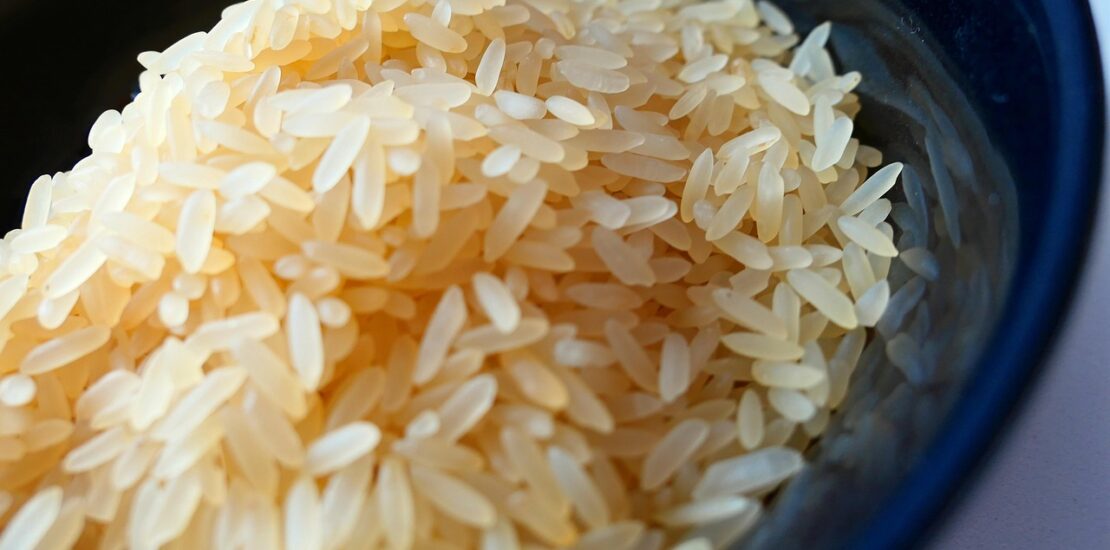
Beauty in Japan
If you’ve read any of my previous articles, then you already know that beauty and self-care are what I’m all about. I’m always trying new skincare routines, researching ingredients, and figuring out what actually works, ESPECIALLY here in Japan, where skincare is taken very seriously.
Lately, I’ve been obsessing over something that’s been around forever…Let’s talk about this yummy food item that you probably eat all the time… but maybe never thought about using in your skincare products.
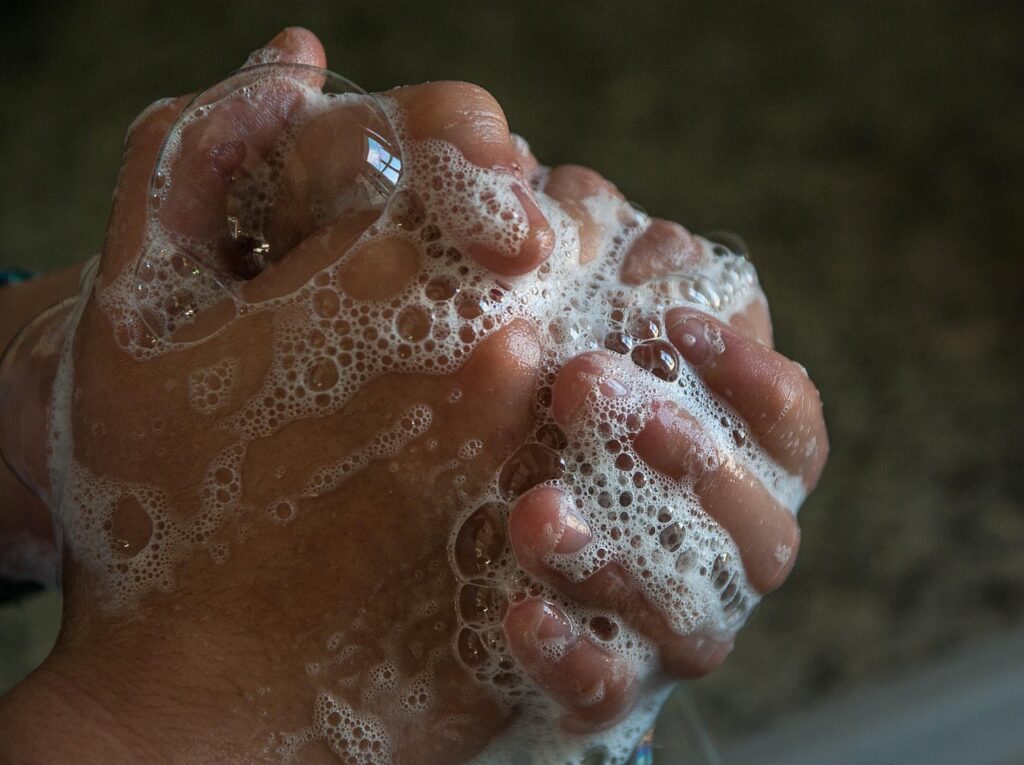
What is Rice Water?
A quick internet search will tell you that rice water is exactly what it sounds like..Rice and water, specifically the liquid left behind after rice is boiled or soaked. Simple, right? But if you dig a little deeper, you’ll learn that rice water is packed with nutrients that are incredibly beneficial for the skin and body.
Rice water contains:
Antioxidants
Amino acids
Vitamins
Minerals
Natural starches
And more!
All of these amazing components are released into the water after soaking or boiling rice, which is why rice water skincare has been used in Asia for centuries.
In my culture, it’s often talked about how soaking your hair in fermented rice water (based on traditional Asian beauty methods) can help promote hair growth and shine. (Though let me be honest… it can get a bit smelly once it ferments lol.)
Most people think of rice water strictly in terms of hair care, which is great because it does wonders for healthier, shinier hair. But what about skin? Because trust me, this is where things get really interesting.

Why I’m So Curious About Rice Water
Have you ever heard about the women who work in rice processing factories? Did you know that even as they age, their skin often looks flawless, smooth, and incredibly youthful? Almost like they’re sipping straight from the fountain of youth.
Do you know WHY?
It’s because of the steam and vapor from rice water that constantly rises while they’re preparing the rice. That steam hits their face every single day, soaking into their skin naturally as they work. Imagine going to work every day and coming home with better skin than you left with!
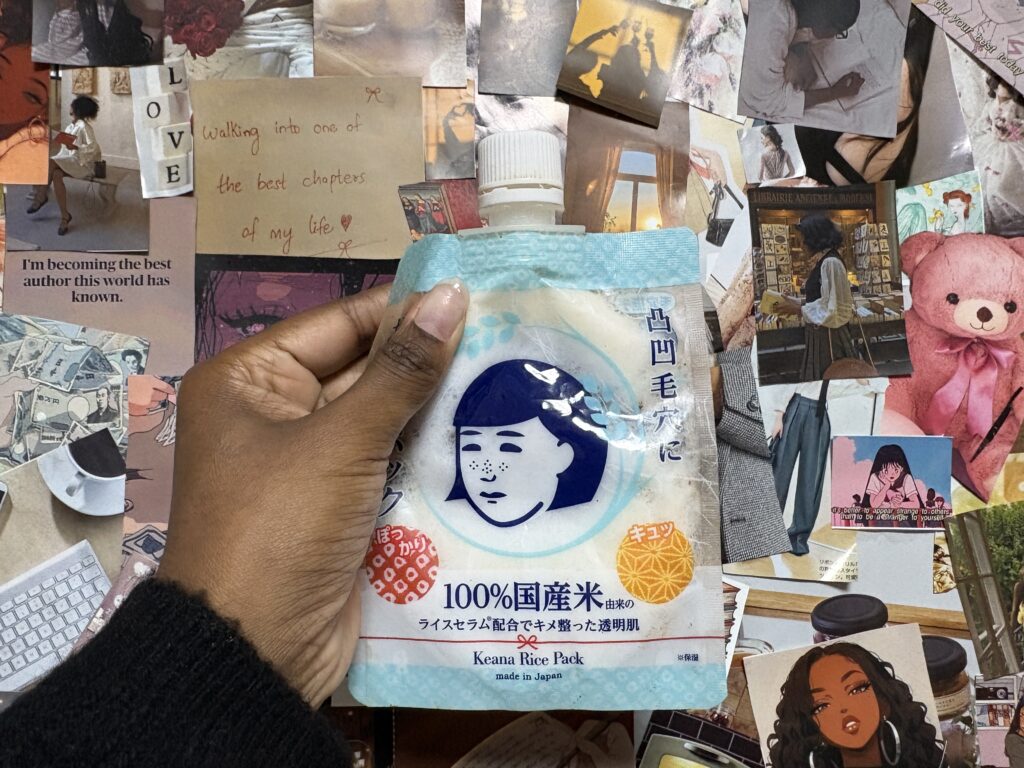
I already use a lot of rice-based skincare products (as you’ll see), so learning more about this completely fascinated me. Thinking about these women and how they essentially receive a gentle facial every day just by being around rice water steam made me curious.
That curiosity quickly turned into a full-on research extravaganza, because I wanted to see how I could recreate this effect at home.
Rice Water and You!
The most important thing to understand about rice water and rice steam and WHY it actually works comes down to what rice naturally contains.
Rice includes:
Inositol: Helps skin retain elasticity and supports the slowing of visible aging
Ferulic Acid (an antioxidant): Fights wrinkles, dullness, and environmental damage
Amino acids: Help strengthen and maintain a healthy skin barrier
Starch particles: Soften the skin and soothe irritation
The rice steam and fine rice particles are what help the women in these factories maintain such beautiful skin over time. Their skin gets gentle, daily exposure, which works almost like a consistent facial treatment without them even trying.
Consistency really is the secret here.
My At-Home Rice Factory Routine
Now for the fun part! Here’s how I’m doing my best to replicate this rice factory effect at home.
The Steamer
I decided to go with the face steaming method, since it seemed like the closest way to recreate the environment those factory workers are in lol.
I purchased a Panasonic eh‑sa3c‑n facial steamer. It’s one of those high-quality facial steamers that would normally cost an arm and a leg. Thankfully, I found it secondhand online and grabbed it for dirt cheap (3500yen). (I’m still waiting for it to arrive at the time this article is being posted.)
I specifically chose this model because it’s an nano-ionic facial steamer, which is ideal for what I’m trying to achieve. Smaller steam particles cling to the skin better, penetrate more effectively, and help prevent dehydration.
I feel like this method will work best for me because it’s the closest thing to replicating factory air, while also protecting my skin barrier and preventing moisture loss.
Here’s my new routine:
1)Cleanse my face
2)Apply a thin layer of rice toner
3)Steam my face with distilled water for about 8 minutes
4)Apply rice toner again
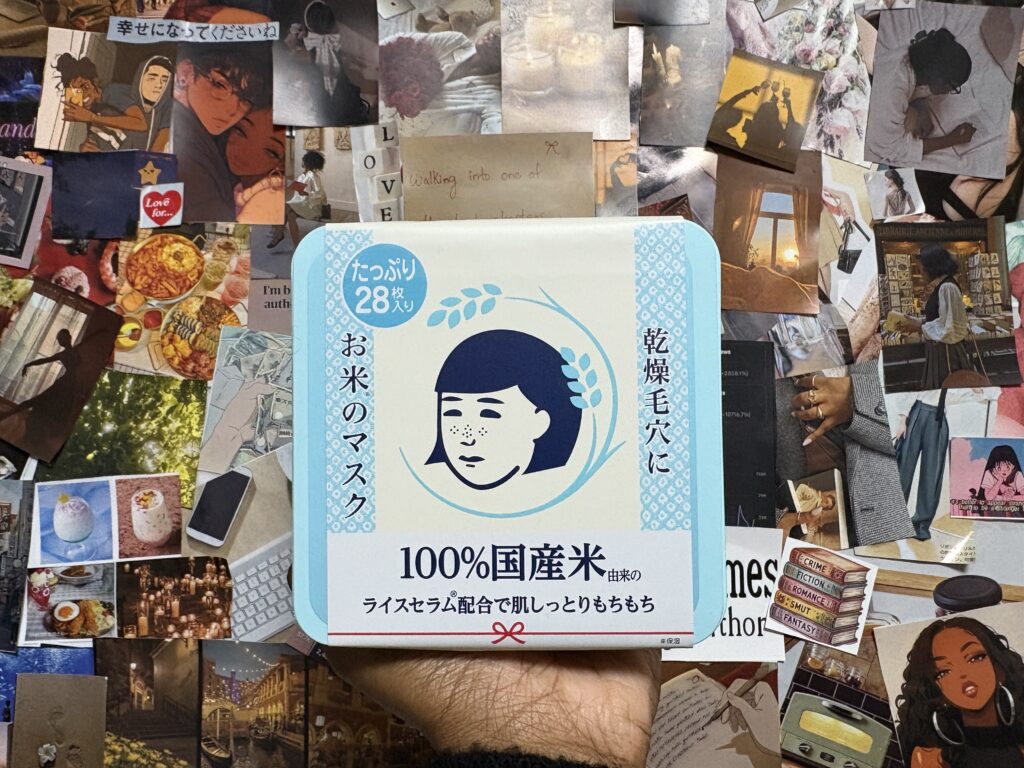
5)Use a rice-based sheet mask once a week
I plan to do this a few times a week and will definitely update you after sticking to it consistently for about three months.
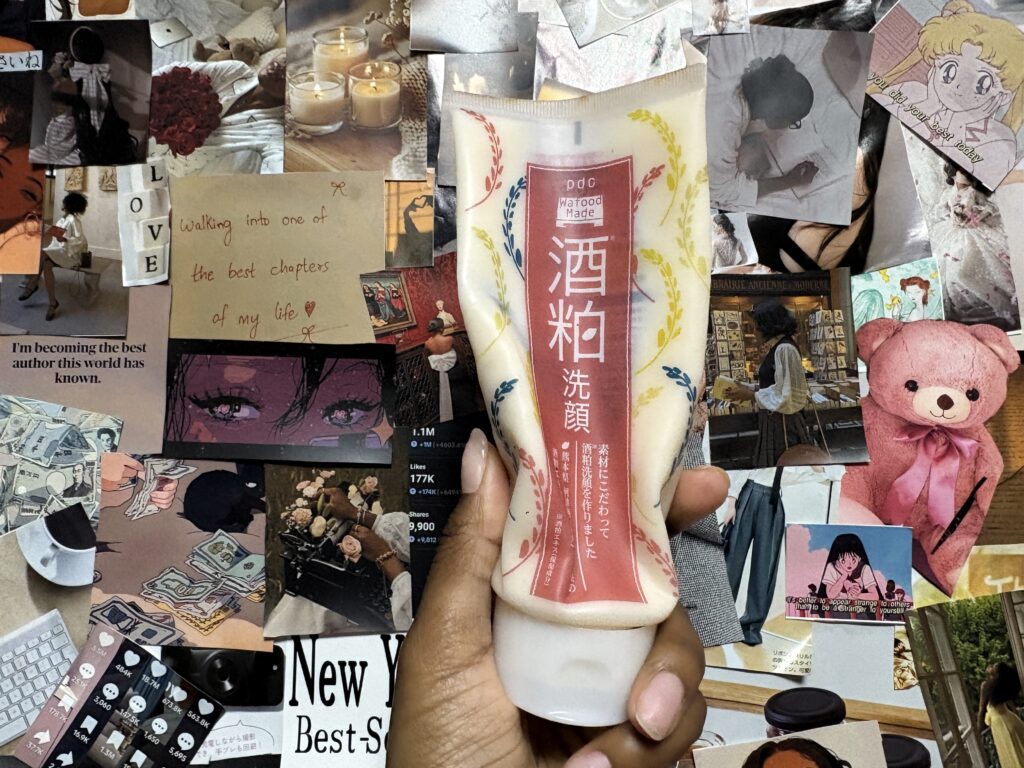
Honestly, I already know my skin is going to glow because I’ve been using a rice-based face wash for the past two years, and it has helped my skin so much.
After all this research, I really feel like I’ve found a holy grail skincare routine. My main goal is building a strong, healthy skin barrier that keeps my skin looking youthful for years to come (and yes, eternal beauty sounds nice too haha.)
Happy Steaming!
Thank you so much for reading! I really hope this article helped you level up your beauty game and maybe introduced you to something you hadn’t thought about before when it comes to improving your skin.
Stay tuned for more Japanese beauty tips, skincare routines, and self-care advice, especially if you’re living in Japan or interested in Japanese skincare secrets.
Until next time, stay happy, safe, healthy, and as beautiful as ever with a smile on your face :))).
Stay tuned for more exciting content like this! Follow us on our social media platforms and check out our blog regularly to stay updated on the latest news, trends, and insider stories from Japan. Don’t miss out on future updates — sign up for our newsletter for exclusive content delivered straight to your inbox!