
Train delays in Japan do happen. Learn why they happen, how to read delay announcements, what apps to use, and where to wait or work productively near stations.


Train delays in Japan do happen. Learn why they happen, how to read delay announcements, what apps to use, and where to wait or work productively near stations.
For many people living in Japan, especially in major metropolitan areas like Tokyo, Osaka or Yokohama, commuting by train is simply part of daily life. In most cases, it is more convenient and cheaper than getting around by car or private transportation. Japan’s rail system is famous for being punctual, efficient and extensive. Millions of passengers rely on it every day to travel to work, school, or appointments.
But even in a country known for its precise transportation systems, delays do happen, and sometimes, the delays can last hours, disrupting the schedules of thousands of commuters. Weather, signal issues, accidents, and congestion can alter even the most reliable routes. When this happens, the ripple effects can spread quickly across multiple lines and stations.
Understanding how to navigate delays and knowing where you can work or wait productively can make commuting less stressful. With a few practical strategies and some familiarity with your surroundings, you can turn an unexpected delay into manageable downtime rather than a frustrating setback.
Japan’s rail network operates with incredible precision, to the point that train operators issue official Train Delay Certificates (遅延証明書 chien shoumeisho) to office workers and students (often a small paper slip or downloadable online) to prove it was not their fault for being late five minutes or more. However, the complexity of the rail system means that disruptions can spread quickly. In cities like Tokyo, many lines share tracks, stations, and transfer points. If a problem occurs on one line, it can affect several others.
Common causes of train delays include passenger incidents that require emergency response, signal or equipment problems along the track and severe weather like heavy rain, snow or typhoons. Delays can also be expected when trains are overcrowded during peak hours, which slows boarding and departures, or when safety checks are conducted on the train or tracks.
When delays occur, operators often reduce speeds or temporarily stop service to maintain safety. Even a short interruption can create congestion that takes time to resolve. The good news is that Japan’s transit system provides clear information and several tools to help commuters adapt quickly. You won’t be stuck on an unmoving train without any idea of what’s happening, or if your ride is delayed before boarding, you have options to pass the time while waiting for the issue to be resolved.
Train announcements during disruptions can sound confusing at first, especially if they are delivered quickly or primarily in Japanese. However, once you become familiar with the terminology, the messages are usually quite informative.
Common phrases you may hear or see on screen include: 遅れ (okure) for delay, 運転見合わせ (unten miawase) for service temporarily suspended, 運転見合わせ (unten miawase) for service resumption and 運転再開 (unten saikai) for safety inspection.
Station signs and train apps often update in real time, showing which lines are delayed and by how many minutes. When you hear an announcement about service suspension, it usually means trains will stop entirely until the issue is resolved. In these situations, checking alternative routes quickly can save valuable time.
Most commuters in Japan rely on transit apps to plan routes and monitor delays. These tools provide live updates and can automatically suggest alternative routes if a line becomes disrupted. Popular navigation apps include: Google Maps, Yahoo!乗換案内 and NAVITIME. These apps allow users to track real-time delays, compare route options, see platform numbers and transfer details, as well as estimate arrival times even during disruptions.
Many commuters check these apps before leaving home each morning as a precaution. Doing so can help you adjust just in case there’s an issue with their route that day.
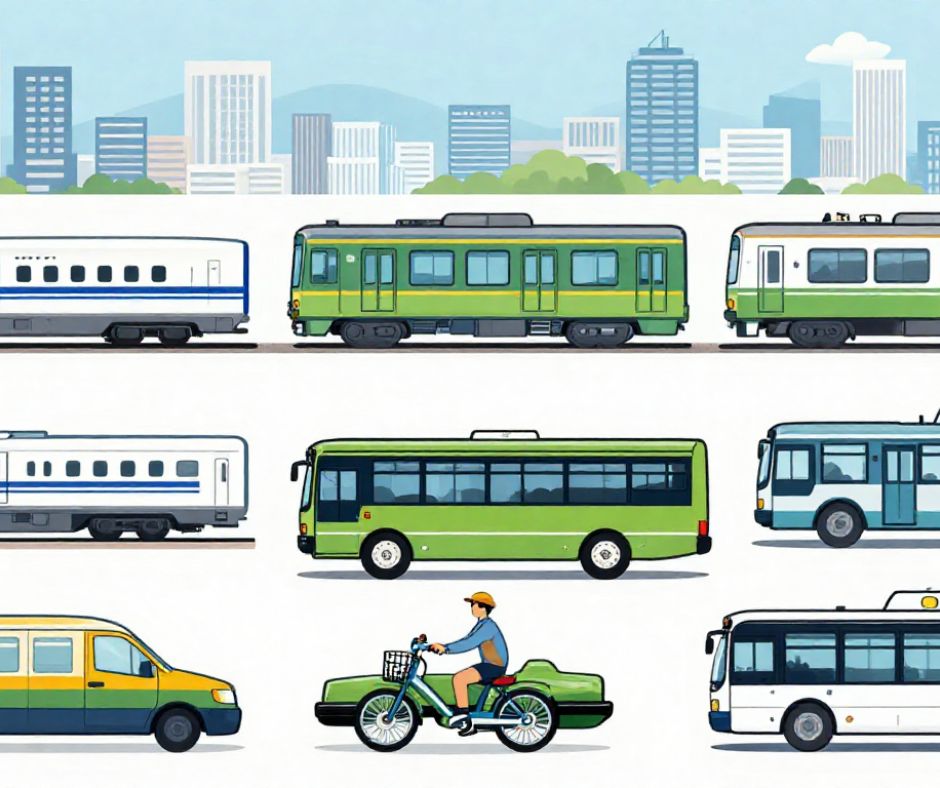
Many experienced commuters avoid relying on only one train line and often have an alternative line and substitute routes to reach their destination. For example, if your usual commute uses a major line such as the JR Yamanote Line, you may also be able to reach the same area using subway lines, private railways or buses.
Understanding alternative routes allows you to adapt quickly when delays occur. Even if an alternative route takes slightly longer or is more expensive, avoiding a crowded platform or suspended line can save time and stress.
When moving to a new apartment, some residents deliberately choose locations near multiple train lines for this reason.
If a delay lasts longer than expected, staying on a crowded platform may not be the best option. Many commuters instead step outside the station and find a nearby place to wait or work. Japan’s cities are filled with quiet spaces where you can open a laptop, check emails, or attend a short online meeting. Two of the most common options are cafés and coworking spaces.
Japan’s café culture makes it easy to find a comfortable spot to sit for an hour or two. Many cafés offer reliable Wi-Fi and power outlets, making them convenient places to work while waiting for trains to resume service. Popular chains you would find in the station include Starbucks, Doutor Coffee, Tully’s Coffee or Excelsior Caffé. If you plan to work for a while, it’s courteous to order something. Many cafés near major stations are accustomed to commuters during short work sessions.
In recent years, Japan has seen a rise in coworking spaces designed specifically for flexible work. Some locations even offer hourly passes for people who need a quiet place for a short time. Examples include services operated by JR East, which has introduced station-based work booths and shared office spaces or private coworking providers in major business districts.
These facilities typically provide high-speed internet, desk space, quiet environments for meetings and power outlets and charging stations. For commuters who work remotely part of the week, keeping a list of nearby coworking spaces can be extremely helpful, especially during train disruptions.
It might not seem fitting at first, but convenience stores can provide a quick break during a delay. Chains like 7-Eleven and FamilyMart often have small seating areas where you can grab a drink and check your phone for simple productivity tasks.
Meanwhile, large department stores near major stations often have public seating areas, especially on upper floors or food courts. These spaces can be quieter than crowded platforms and can give you the space to get some work done or unwind.
Although delays are relatively rare compared to many countries, it’s still wise to prepare for them occasionally. Some commuters keep small essentials in their bags, such as portable phone charges and noise-cancelling earphones. Having these tools allows you to stay productive even if your commute suddenly changes.

The rise of remote work has also changed how many people approach commuting. Instead of traveling directly to the office every day, some workers can now split their time between home, coworking spaces, and the office.
This flexibility makes train delays easier to manage. If trains are heavily disrupted, some employees may choose to work remotely for part of the day instead of forcing a difficult commute. Companies across Japan are gradually adopting hybrid work policies, especially in large urban centers.
One of the most striking aspects of commuting in Japan is how calmly most passengers react to delays. Even when platforms are crowded, commuters usually remain orderly and patient. Following this social norm helps reduce stress for everyone. When delays occur, station staff typically provide clear instructions, and the system gradually returns to normal. Remember that thousands of people are experiencing the same disruption at the same time. Patience often goes a long way.
Commuting in Japan is often efficient and predictable, but even the most advanced transportation systems aren’t immune to disruptions. By understanding how delays work and knowing where you can spend time productively nearby, you can turn an unexpected interruption into manageable downtime.
With the right apps, alternative routes, and a few familiar cafés or workspaces along your route, commuting becomes much easier to navigate – even on days when the trains don’t run perfectly on schedule.
For many residents, mastering these small commuting strategies becomes part of daily life in Japan. Once you learn them, delays feel less like obstacles and more like brief detours in an otherwise well-organized system.
Stay tuned for more exciting content like this! Follow us on our social media platforms and check out our blog regularly to stay updated on the latest news, trends, and insider stories from Japan. Don’t miss out on future updates — sign up for our newsletter for exclusive content delivered straight to your inbox!