Believe it or not, the city that six months ago saw an extreme heatwave is now dusted in white, feathery powder. It is snowing in Tokyo, something so extraordinary that it gets reported on the TV news. Because the snow, while pretty, is also a major disturbance in the lives of Tokyoites. Read on to find out why.
Winter comes late to the Kanto area, where Tokyo is located. December is frequently balmy enough to walk around in sandals and short sleeves, and while the air starts getting nippy around New Year, nobody from slightly further up in the Northern Hemisphere would call it winter. Winter is more of a calendar construct than a seasonal occurrence to people in the Tokyo area.
Late Tokyo Winter
Winter around Tokyo starts around the beginning of January and sticks around until the end of February. While temperatures dipping below zero are a rarity, the weather turns brisk. The already yellow leaves drop from the trees, and people huddle up under extra blankets. But that does not mean there is snow.
Snowfall in Tokyo is mild compared to other parts of Japan.
While many areas in Japan see snow in excess, there are years when Tokyo sees none. Ski slopes are not something you would consider constructing in the center of the Japanese capital. When the resorts in northwestern Japan measure snowfalls of four meters (in a day), and houses are buried so deep you can not see them, Tokyo may enjoy a spot of rain, but nothing like the northernmost parts of Japan.
Nothing like Snow in Hokkaido
The main area of Tokyo is close to sea level, and considerably warmer than higher elevations, which you actually can find in Tokyo, even if it is Tokyo Prefecture rather than the city of Tokyo. But around the Hachioji area, where Tokyo leans up into the mountains of Yamanashi and Saitama, there can be snowfall when the streets in Tokyo remain dry. And it can stick around for a couple of weeks.
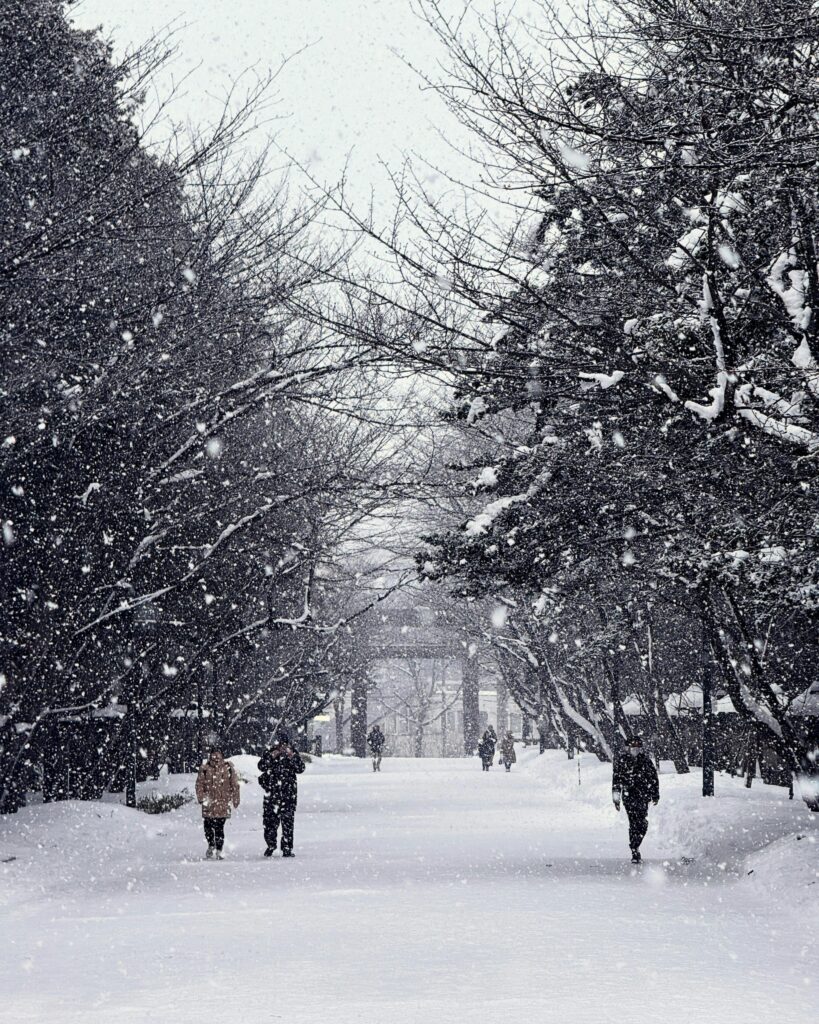
When the snow stays for a couple of days, Tokyo turns into a winter wonderland.
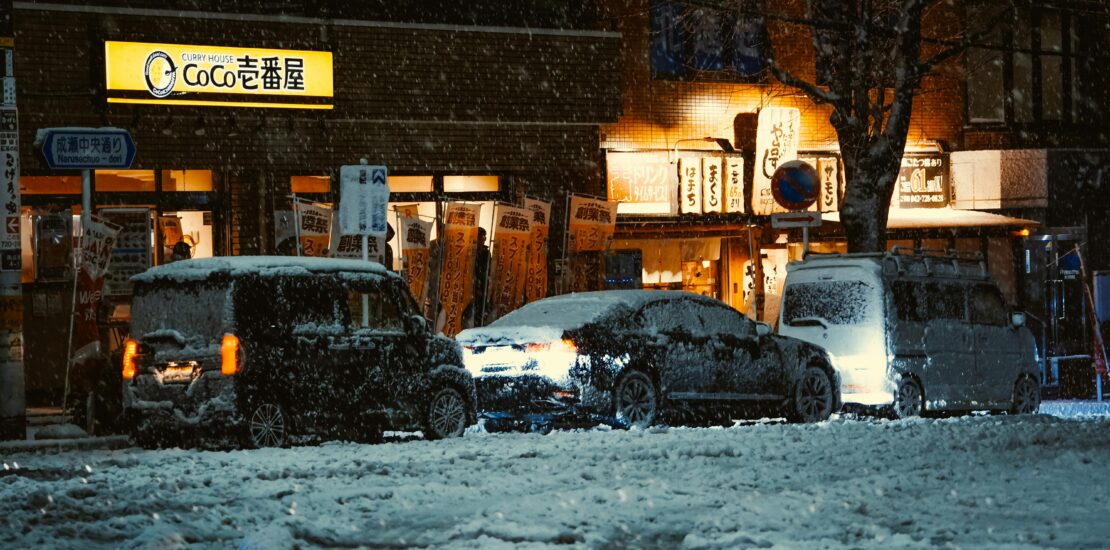
The mild climate of Tokyo means nobody is prepared for the snow when it suddenly arrives. Everything grinds to a halt as the people of Tokyo try to figure out what to do with this white stuff. It is usually only one or two days a year, and the snow will melt away as quickly as it came, but look out while it is still there.
Snow on the Ume Trees
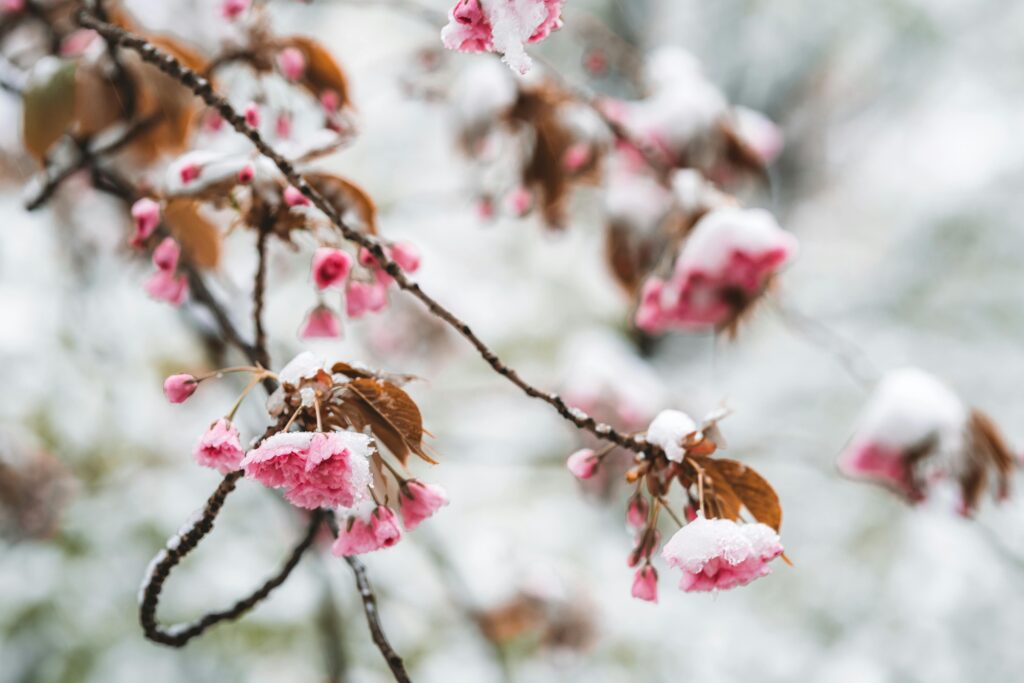
Since snow in Tokyo falls so late in the year, it happens that the sakura (cherry trees) have started their blossoming when the snowfall comes. Snow on the cherry blossoms is a common theme in Japanese poetry and art, although snow on ume blossoms (which do start much earlier, typically in February) is much more common.
Snow on cherry blossoms is a favorite Japanese motif.
The snow will change the views of Tokyo, turning everything bright and making the light more translucent. Even if your photography is limited to your phone, it is worthwhile taking it out, as you will be able to get even better photos than before. And taking photos of the snow makes for an enjoyable souvenir. After all, you are experiencing something most people never get to see: A major snowfall in Tokyo.
Why Snow Days Cause Citywide Delays
Be careful while walking around, though. The streets are slippery, and the snow presents major obstacles. Drives will go infuriatingly slow rather than causing an accident (which the law in Japan actually does say), and getting around may become difficult. But better safe than sorry, especially as drivers have very little idea about how to drive safely in snow. Some put on snow chains, which have some effect, but just serve to slow them down even more.
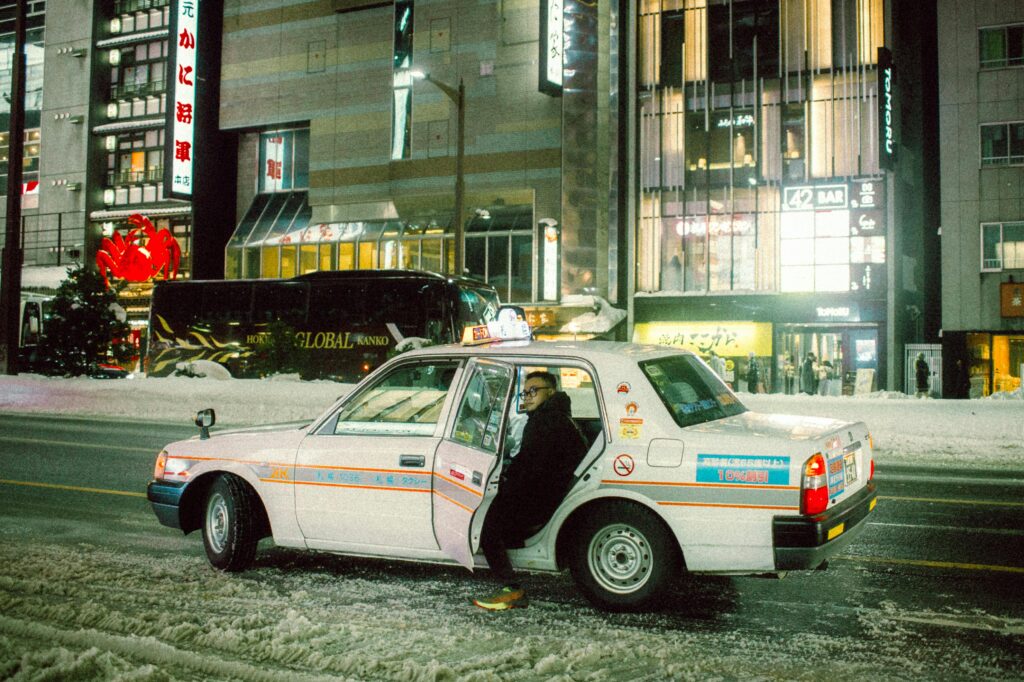
Snowy streets mean taxis quickly get taken.
In the ski areas of Japan, snow is, of course, what makes the business run. But also makes for an enjoyable experience. If you happen to be in Tokyo on a snow day, try to find an onsen or sento with a decent rotenburo, the outdoor soaking pool. Sitting in the hot water and feeling the snow accumulate on your head is a cool experience, and definitely one that you should try.
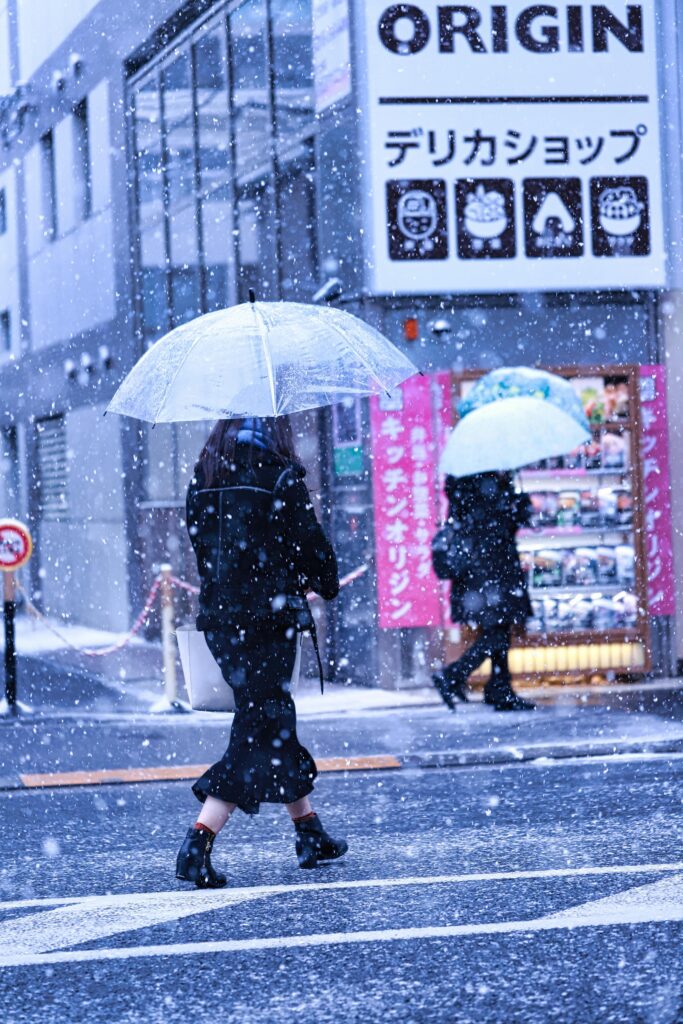
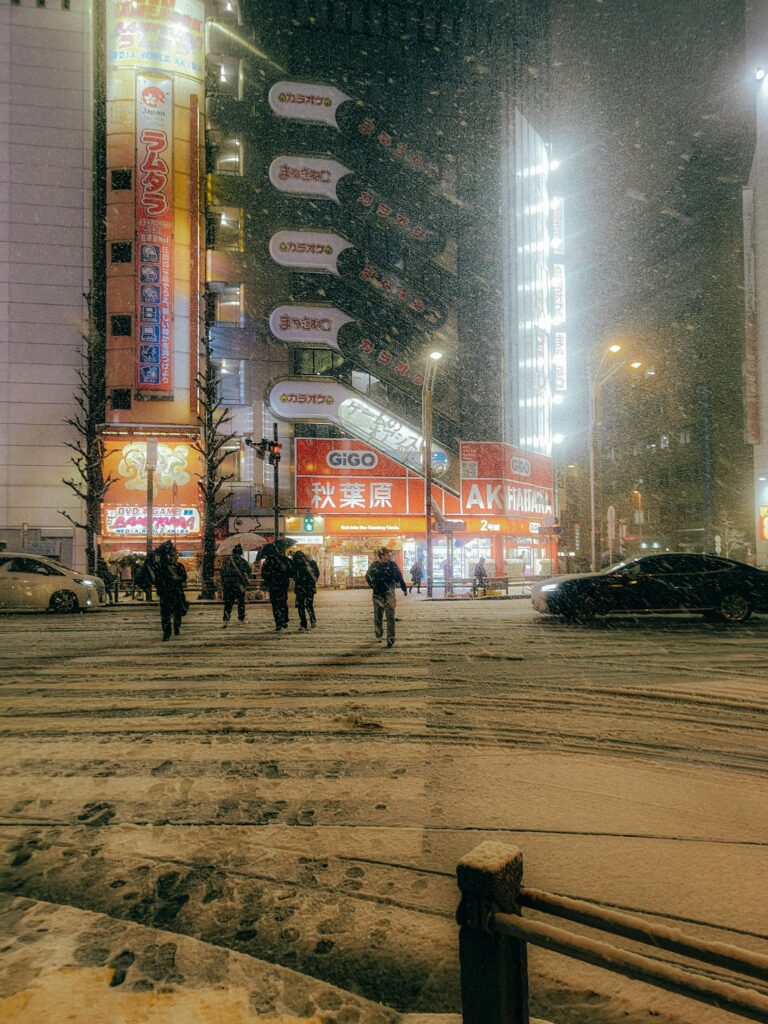
As a pedestrian, you have to take even bigger care than usual. Not only do you have to contend with the snow as a potential slipping hazard and obstacles on the pavement. You have to figure out how to deal with drivers as well. Extra care is likely to be required.
Drivers in Tokyo do not have winter tires, even the studdles kind. There is no need for them. They are not mandatory in this part of Japan anyway (further north, where there is reliable snowfall and real winter, you have to change your tires before the snow comes). And frankly, the snow will be gone before you could have gotten past the line in the reservation service for tire changes.
Drivers Have No Clue
So drivers have no idea how to handle their cars when the roads suddenly become slippery. If there is a lot of snow, it will also block the streets as the tractors and front loaders struggle to remove it. Drivers will cope in the only way they know: Slow down. Traffic on Tokyo streets grinds to a halt as cars try to get around without being able to manage the roads in the way they are used to.
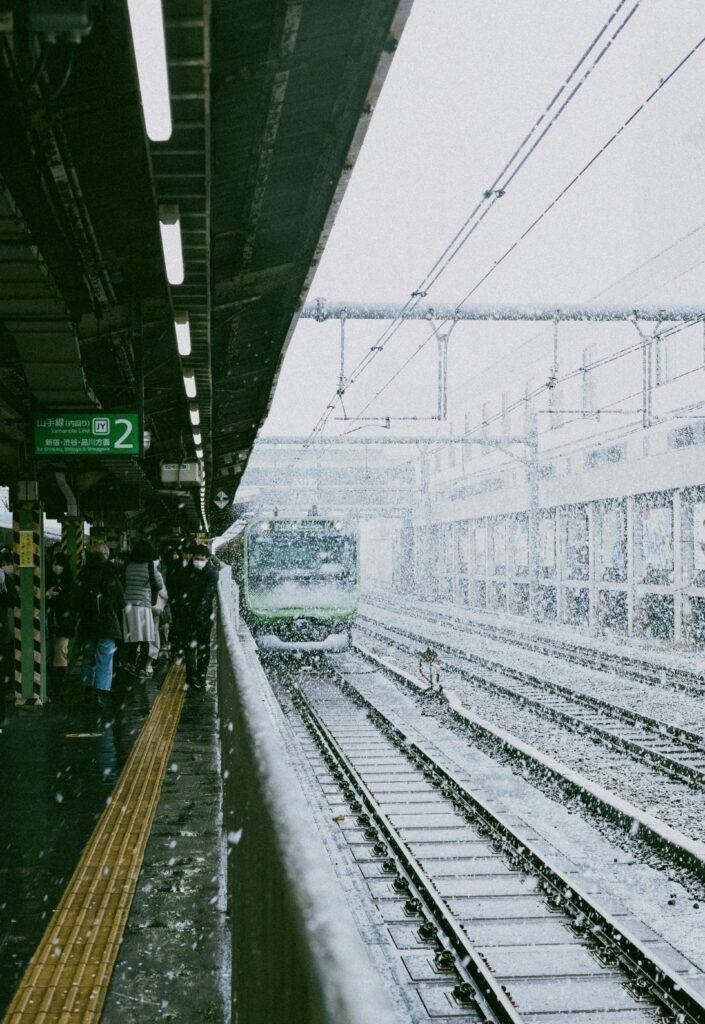
Even the trains slow down when the snow gets heavy.
If you are driving at night, be careful since the wet snow on the roads becomes highly reflective, turning the entire road surface into a black mirror. It can be hard to see where the road is with the reflections playing tricks on you, so staying inside is much better.
It is not only the streets that become slippery. The pavements can become ice traps, making walking hazardous.
More Snow Hazards in Stations
Even if the trains, like any time in Tokyo, will be running like clockwork. Be careful when getting on and off the trains, as there will be snow on the platforms, and watch out for people unfolding their umbrellas as they are exiting the train car.
Crossing the street becomes an unexpected hazard.
Some outdoor attractions, like the amusement parks, may close. Tokyo Disneyland is likely to keep open, though, and the visitors will be bundled up in thick jackets while enjoying the rides. For the most part, the snow is just something to be endured. But there is one group that is enjoying it. Schools typically close for snow days, since it will be too hard for students to get there. That is the cheer you hear in the morning of a snowy Tokyo day. Mixed with the sigh of their mothers.
Stay tuned for more exciting content like this! Follow us on our social media platforms and check out our blog regularly to stay updated on the latest news, trends, and insider stories from Japan. Don’t miss out on future updates — sign up for our newsletter for exclusive content delivered straight to your inbox!
Wisterian Watertree
Wisterian Watertree has been living in Tokyo and other Japanese cities for
the past 20 years, helping visitors get the best of Japan. He is the author of two
books, ”Take Your Toddlers To Tokyo” and ”Driving In Japan”, with more on the
way. You can read more on his website Japan Top 10, https://japan-top-10.com.