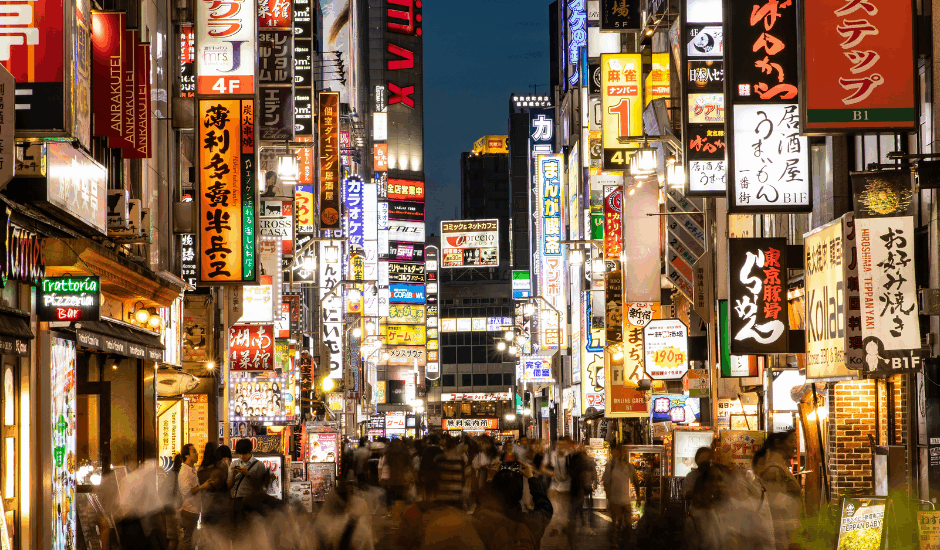
We’re not talking neon-soaked alleys, clubs, bars, and karaoke booths. This guide is for those seeking a quiet, safe, and mentally fulfilling experience in Tokyo after dark. Whether you’re in dire need to decompress after a stressful workday or looking to explore the city in ways that aren’t overstimulating, there are plenty of options for you. Let’s take a look at the unique and engaging nighttime Tokyo routines that balance wellness, fun, and a deeper appreciation for the city’s character.
1. Night Walks in Illuminated Parks
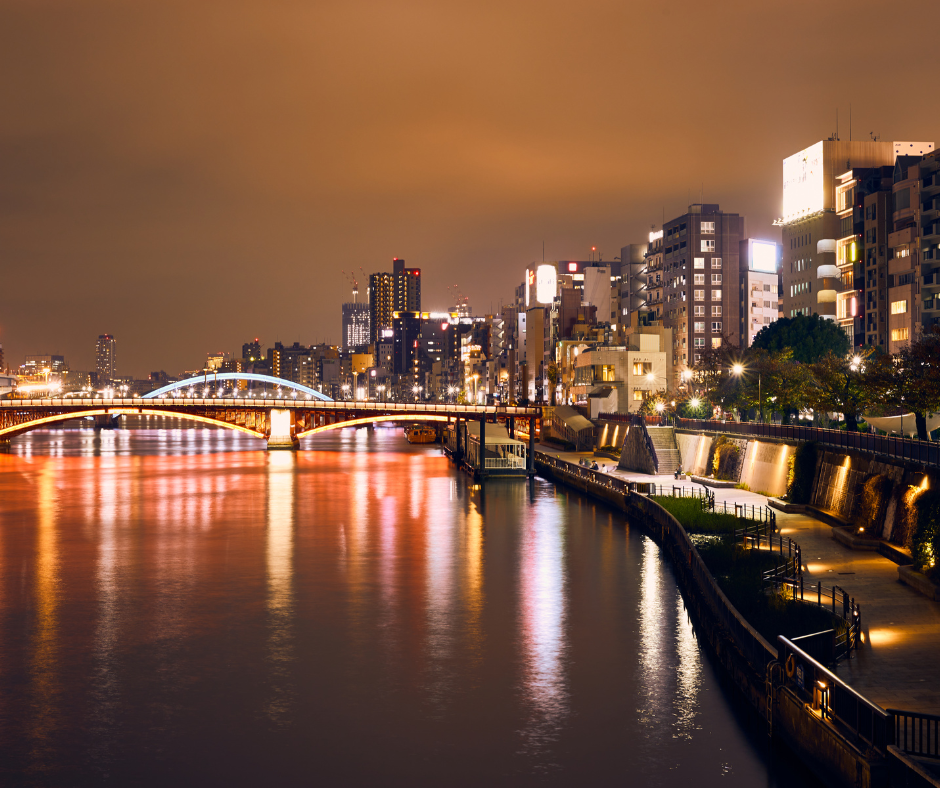
Did you know that walking is an excellent way to boost sleep quality because it reduces stress, regulates the circadian rhythm, and promotes relaxation. A 30-minute walk before bed also helps with digestion, boosts metabolism, enhances one’s mood, and supports heart health. So if you’re looking for a simple yet powerful habit for your overall well-being, pick a park in Tokyo or a riverside and take a relaxing stroll. Most parks and riverside paths in Tokyo remain open until late, plus they’re well lit, safe, and a great way to enjoy neighborhoods without the daytime crowds.
You can stroll through illuminated paths along the Meguro and Sumida Rivers, at Shiba Park or Yoyogi Park, to name a few. At dusk, these offer a meditative vibe, perfect for winding down. You’ll pass joggers, pet owners, or even musicians casually enjoying the same space.
Here are a couple of spots worth checking for your night walks, if you happen to live in the area.
📍Meguro River – Soft lighting, cafés, neighborhood feel
📍Shiba Park – Tokyo Tower views, open lawns
📍Inokashira Park – Local crowd, couples, dog walkers
📍Sumida River – Wide riverside promenades, city lights reflecting on the water for a cinematic view
📍Rikugien Garden – One of Tokyo’s most elegant traditional gardens, with a calm, slow-paced atmosphere
Bonus tip: Bring a cold drink (or buy your favorite from a vending machine or kombini), pick a readily available bench, and enjoy as you people-watch or listen to a podcast.
2. Late-Night Sento and Onsen Escapes
For an even deeper unwinding escapade, you can visit a late-night sento (public bath) or onsen to ease post-work tension. These aren’t like the touristy hot springs Hakone or Gunma and cater more to locals and regulars. Many sentos are open until midnight or even later and come with saunas, cold baths, and other relaxation spaces for muscle recovery and mental reset.
These late-night spots are soothing and surprisingly affordable, especially if you bring your own towel and soap, making them more sustainable to incorporate into your lifestyle. Check out a couple of suggestions below to get you started.
📍Spa LaQua (Bunkyō) – One of Tokyo’s biggest and most well-known thermal spa complexes with indoor and outdoor baths, saunas, and relaxation zones. It has natural hot spring baths with views of Tokyo Dome City, cafés, and dining facilities. Day entry is around ¥2,900–¥4,000+ (varies by age, season, and time).
📍Thermae-Yu (Shinjuku) – Luxurious onsen facility with outdoor baths, lounge areas, and massage services. Open until 9:00 AM the next day. Standard entry ranges from ¥2,700–¥3,000 (extra late-night/early-morning fees apply; optional sauna/rock bath charges possible).
📍Mikokuyu (Sumida) – Modern sento with family bath options; traditional pricing often ~¥500–¥1,000+ for basic access, plus private bath options at higher rates. What’s more, this onsen is tattoo-friendly!
📍Ofuro no Osama (Oimachi) – Standard super sento pricing typically ¥1,000–¥2,000+ depending on day/time and included amenities (restaurant/lounge included).
Bonus tip: Use your Suica or Pasmo card to breeze through lockers and vending machines. Bring a change of clothes and your favorite skincare for a full reset.
3. After-Hours Book Cafés and Study Lounges
If after a walk and quick dip at a local sento didn’t fully satisfy that unwinding itch, you can head on over to another space that can further calm the body and mind – a book café or study lounge. These spaces are basically a blend of café comfort and the quiet of a library. Plus, many are open until 11 PM or later, so if you don’t want to go home straight from work, you can read a book, journal, or plan your week at a book café.
Many book cafés in Tokyo are beautifully designed, with floor-to-ceiling shelves, cozy lighting, and even coffee refills. Others offer pay-per-hour systems where you can access Wi-Fi, charging ports, and unlimited drinks. These spots tend to attract a local, creative crowd—from writers to designers to students cramming for entrance exams.
📍 Bunkitsu (Roppongi) – Minimalist-modern style bookstore with thousands of books and various types of desks, chairs, even a conference room. Guests who paid at the entrance (¥2,750) can enjoy free coffee or green tea. The place also offer light meals and desserts.
📍 Bunka Yokusen Lounge (Asakusa) – A hidden gem combining café culture and sento-inspired charm. It has a cozy, retro-modern atmosphere, great for slow reading, journaling, or decompressing. It caters more to a calm crowd with minimal electronics or gadgets involved. Prices start at ¥550 to use the bath.
📍 Hailey’5 Cafe (Shibuya, Ueno, Ikebukuro) – Treat this “café” as an all-in-one relaxation spot. It has a manga section, rooms with PCs and free Wi-Fi, lounge areas, free drinks and ice cream stations, a food menu for midnight munchies, and even shower rooms (¥550 for 30 minutes). Blankets, toiletries, and skincare products can be purchased separately. They have different time packages, such as ¥770 for one hour use up to ¥2,200 for 10 hours. You will need to register as a member and have a valid ID with your current address to start using the facilities.
📍 Gran Customa (multiple branches across Tokyo) – This is another membership-based long-stay manga and internet café that’s more high-end and with capsule-style lounges. It’s designed for overnight comfort and not just short stays, giving you a great balance between productivity and rest. Typical fees range from ¥400 to ¥600 per hour, while overnight stays are around ¥2,500.
4. Evening Fitness Classes & ChocoZAP Gyms
Perhaps you’re looking to squeeze in a workout session before calling it a day. Tokyo has you covered. In fact, many Tokyo residents squeeze in workouts after work hours, specifically in compact gyms and fitness studios that offer late-night or 24/7 access. Thanks to their multiple branches nationwide, fitness has become more accessible to Tokyoites. What’s more, these gyms even have classes like yoga, boxing, or dance that start as late as 8 or 9 PM.
📍ChocoZap (multiple branches) – Beginner-friendly 24-hour gyms with app-based, unmanned entry. They have simple machines dedicated to cardio and no intimidating free-weight zones. If you prefer heavy lifting or advanced training, it’s recommended to go to a different gym/fitness studio.
📍Zen Place Yoga (multiple branches) – Going beyond physical fitness, this studio offers a strong focus on mind-body balance with after-work candlelight classes to help unwind from Tokyo’s pace. It offers yoga and pilates with English-friendly staff at many locations.
📍MITTNESS (Shibuya) (Women only) – If you’re after high-calorie burning before heading home, this boxing-inspired studio offers stylish and music-driven classes that feel more like a club than a gym. You get punching bags to release that stress, and you don’t even need prior boxing experience to join! This is definitely a must-try if you’re experiencing a plateau in the typical gym.
📍Anytime Fitness (multiple branches) – One of the OG 24-hour access gyms, this brand is accessible nationwide and internationally. With your key fob, you can enter any AF gym worldwide. Most branches are equipped with beginner to advanced machines and free weights.
📍OASIS 24Plus (multiple branches) – This is a full-service sports club with 24-hour gym access, combining fitness and wellness under one roof. Some branches have a pool, sauna, and bath facilities, as well as lockers for long stays.
5. Night Markets and Depachika Food Runs
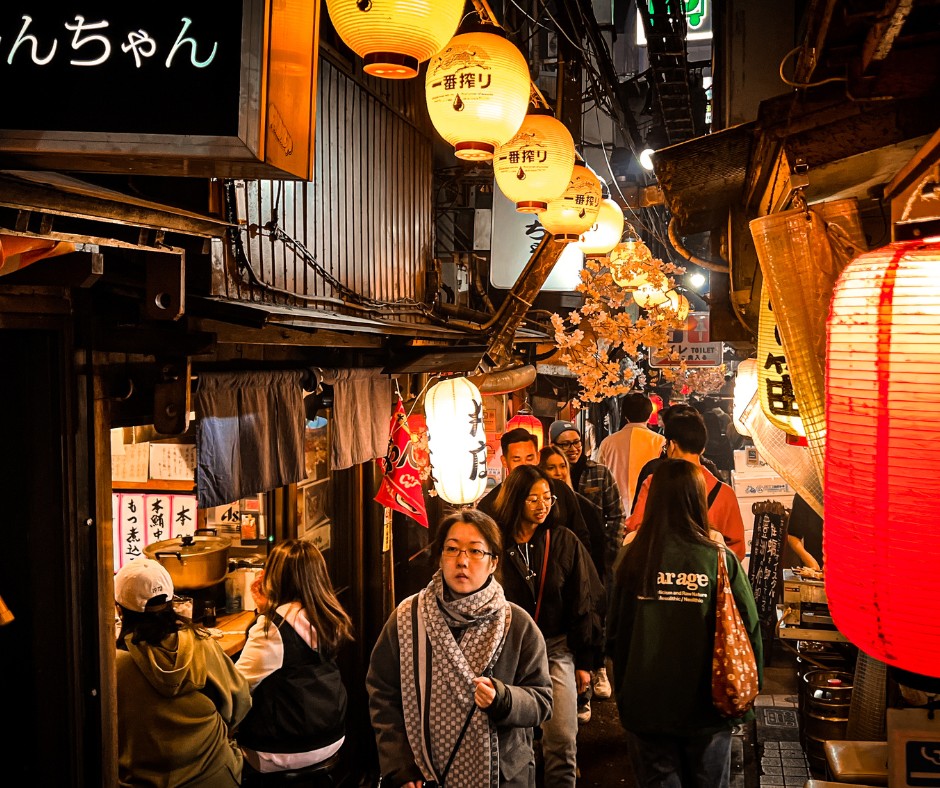
This one is for the foodies. While Tokyo isn’t known for massive night markets like Taiwan or Bangkok, you can still enjoy evening food runs that feel just as vibrant. Department store food basements (depachika) start marking down premium bento, sushi, and deli items after 7:30 PM, making this the perfect hour for an indulgent (but discounted) dinner.
Alternatively, local night markets and events in places like Shimokitazawa, Koenji, and Asagaya host pop-ups, vintage stalls, and food trucks. These are more common in summer or around festivals, but some small shopping street (shotengai) areas hold seasonal night sales year-round.
📍Isetan Shinjuku Depachika – Huge variety of takeout gourmet from bentos and sushi to Western delis and bakeries. Go around 8 PM for markdowns up to 50% off.
📍Shimokitazawa Night Bazaar – Indie stalls, pop-ups, and food events. Expect a mix of food, crafts, vintage,e and live energy. Since the events here are irregular, best to check @shimokita.info for schedules.
📍Koenji Night Market (seasonal) – This is a community-driven market with affordable snacks and a strong DIY and subculture feel. You can find simple street food, drinks, and handmade items from friendly vendors.
📍Ameya-Yokocho (Ueno) – This is one of Tokyo’s most lively evening food streets, plus it stays open until late, especially on weekends. Expect loud, chaotic energy from the standing stalls and casual sit-down spots where you can grab street snacks, yakitori, grilled seafood, and drinks.
📍Yurakucho Gado-shita – This is an outdoor dining area under the train tracks with rows of small eateries, stalls, and casual bars. There’s izakaya-style food, snacks, grilled delicacies and drinks. You’ll often find office workers enjoying a casual meal with colleagues and friends after work.
Bonus tip: Bring cash or use IC cards. Some stalls don’t accept credit cards, and limited-edition items sell out fast!
Tokyo’s after-hours scene offers more than nightlife and neon. From soaking in a quiet onsen to joining an evening yoga class, these nighttime routines reflect how locals unwind, recharge, and reconnect with the city. With safety and convenience baked into nearly every option, there’s no reason to rush home after work—unless that’s your preferred ritual too.
Stay tuned for more exciting content like this! Follow us on our social media platforms and check out our blog regularly to stay updated on the latest news, trends, and insider stories from Japan. Don’t miss out on future updates — sign up for our newsletter for exclusive content delivered straight to your inbox!