
If you are feeling lonely, get a pet. But not so fast! Tokyo living is full of rules and restrictions, especially when it comes to pet etiquette. And there are rules for everything, even how to handle poop. Read on to find out.


If you are feeling lonely, get a pet. But not so fast! Tokyo living is full of rules and restrictions, especially when it comes to pet etiquette. And there are rules for everything, even how to handle poop. Read on to find out.
Tokyo is a city that tolerates pets—sometimes warmly, sometimes with fine print. If you’re raising kids and a dog or cat, the challenge isn’t just finding a place that allows animals. It’s finding a home where your pet can live without turning daily life into negotiations: elevator rules, stroller-sized hallways, parks that welcome dogs, and a garbage system that punishes improvisation.

Some buildings tolerate one small dog; some are designed for pet owners from the ground up. Condominiums (known in Japan as manshons) can have their own special rules, set by the residents. Either can work—if you read the rules like a contract, not a vibe.
A) Pets prohibited (ペット不可)
No negotiation. Don’t try to “keep it quiet.” Tokyo neighbors have excellent hearing. And they will see you with your pooch, report it to the landlord, and out you go.
B) Pets negotiable / conditional (ペット相談)
This often means “possible, under restrictions.” Normally, this is the kind of rules that apply to a condominium. Typical conditions include:
There are specialist realtor sites that curate “pet-friendly” rentals. They often emphasize that many properties allow only small pets and impose extra conditions and fees.

Always ask the real estate agent managing the rental what the actual conditions are. The web site listings are frequently outdated or even wrong.
What to ask the agent (in writing):
C) Pet-oriented housing (ペット共生住宅 / pet symbiosis)
This is the gold tier for pet owners: buildings planned around pet ownership, with both design and rules aligned to reality (flooring choices, foot-wash stations, shared etiquette standards).
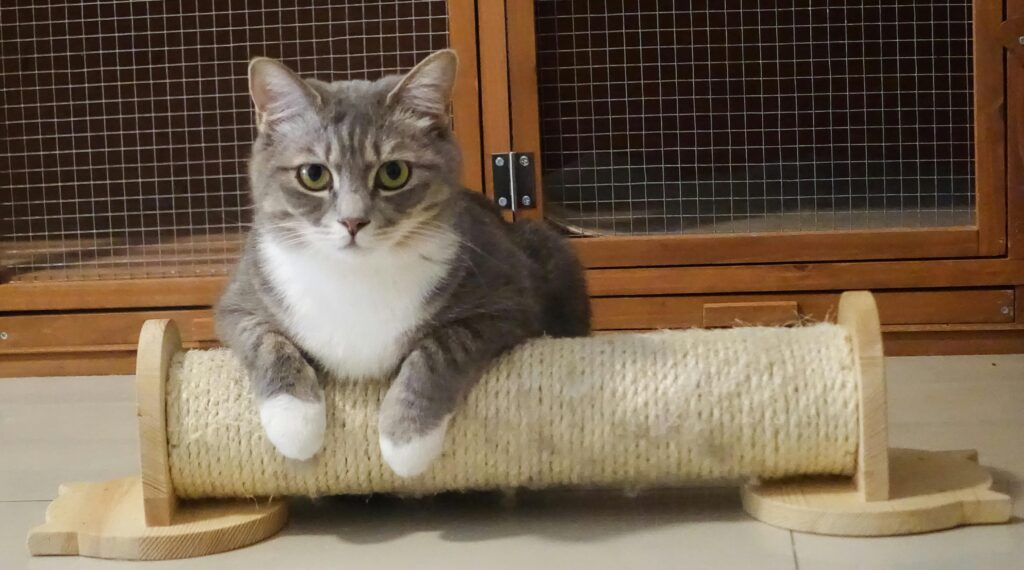
Japan’s UR (Urban Renaissance Agency) explicitly describes “pet symbiosis housing” as planned in detail from building design/equipment to “soft” rules so residents can live with pets while following shared standards. There are usually pet clinics and other animal related services nearby as well. Needless to say, these rentals command a premium.
D) Your own house.
Renting a house is not as impossible as it used to be, and if the landlord allows it, having a pet (and children) without neighbors to worry about is the best option. It may also be the only option for larger pets. And why not consider buying your own house? It is not as impossible as it used to be either, and with the weak yen, a little goes a long way.
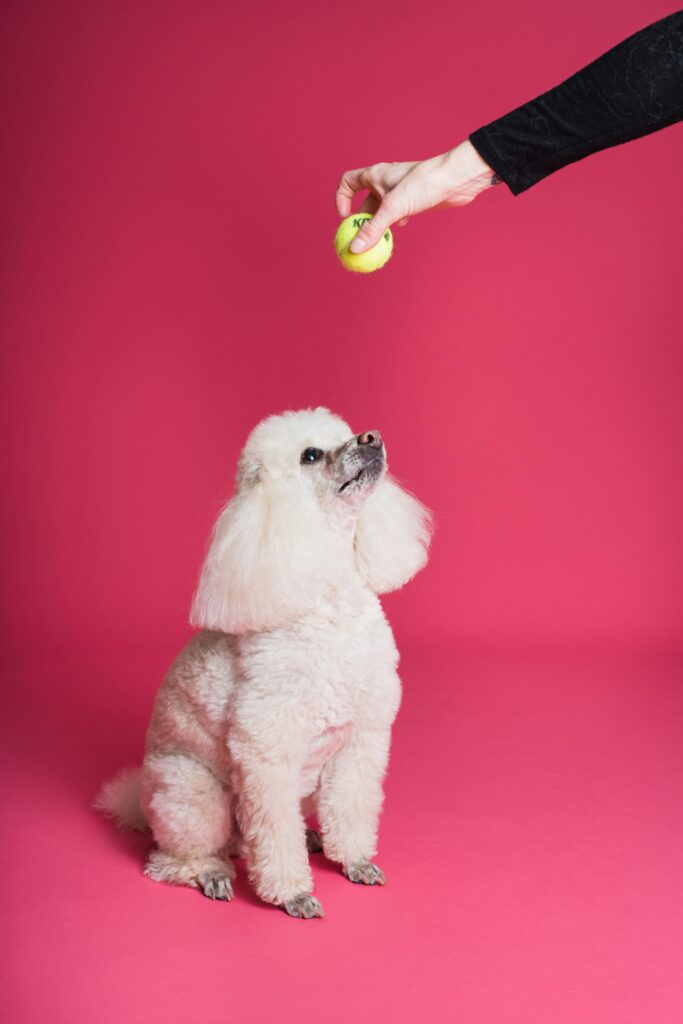
Family takeaway: nothing beats your own house if you have kids. But if you want an apartment, “pet symbiosis” housing can reduce conflict and let you make new friends — because you are surrounded by people who signed up for pet life on purpose.
A) Layout and surfaces
Open-plan living looks great until your dog launches across laminate flooring during a toddler tantrum. Prioritize:
B) Building access and “Tokyo friction”.
Ask when you rent, to make sure you get what you need:
C) Park access and walking routes
Choosing a home near parks isn’t just “nice.” It determines whether you can walk your dog without stress.

Tokyo Metropolitan Government’s park guidance states that in metropolitan parks, owners must keep dogs controlled with a leash under Tokyo’s animal welfare/management ordinance, and it lists parks with dog runs (with registration requirements and proof of rabies vaccination tags).
Something else you will see, and probably scratch your head at during your first visit, are the number of elderly people pushing strollers. Although they look kind of small? Until you see the inhabitants, and realize they are dog strollers.
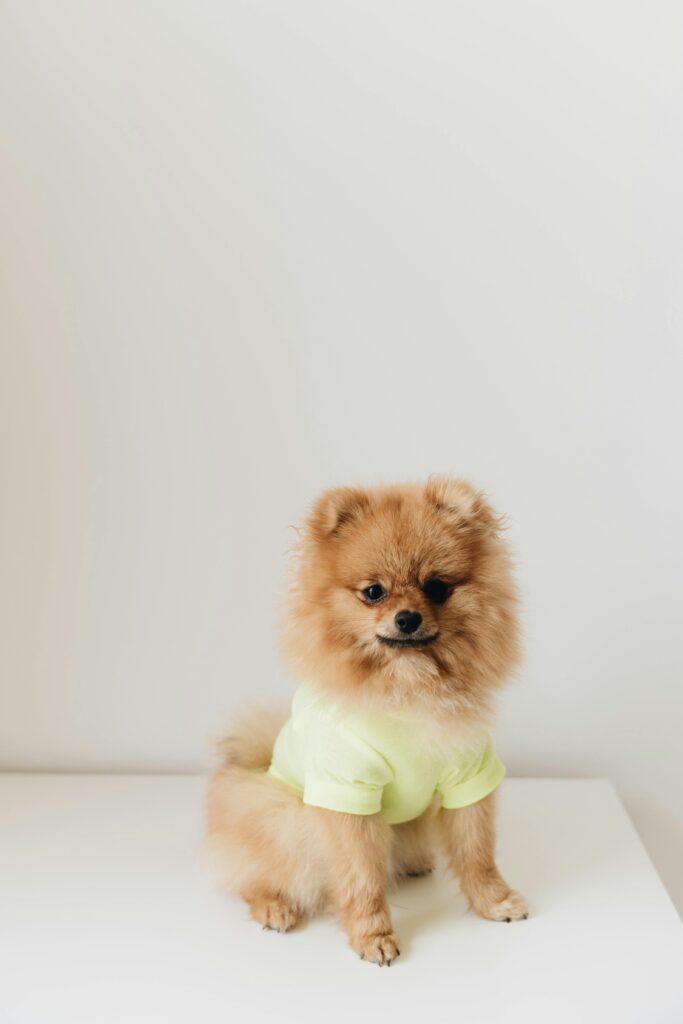
Japanese stroller makers are changing their production, from strollers to dog strollers, in the wake of the changing demographic of Japan where kids have become uncommon.
Pet strollers are increasingly common, especially for:
In buildings, treat a pet stroller like a stroller: check storage rules, elevator capacity, and whether you’re allowed to keep it in the genkan/hallway (many buildings prohibit hallway storage for fire safety). Many people leave ut outside the door anyway, and only bring it inside during the annual fire inspection. Just like ordinary strollers.
Pet strollers on trains, however, is a different chapter. JR East (the biggest train company) states that small animals (pet-type small animals) are allowed only if kept in a suitable animal case; it also specifies size/weight limits and notes a carry-on (hand baggage) ticket fee of 290 yen per case for qualifying small pets, and that pets should not be taken out of the case in stations or onboard. On cars with compartments, like the special tourist trains, there may also be allergy-related restrictions, with animal not allowed in some compartments.
So if you’re using a pet stroller, assume you may need to separate the carrier portion and comply with case rules—don’t expect to roll the whole cart onto a train and be fine.
Tokyo’s sorting rules vary by ward, but the logic is consistent: contain odors, prevent leakage, and don’t create hazards. The Tokyo 23 Clean Authority explicitly notes that separation and recycling methods differ by ward.

For instance, Edogawa Ward’s official guidance to dog owners is blunt: if your dog poops during a walk, bag it and take it home; don’t leave it behind, and don’t treat walks as bathroom time. Where there are private gardens, you also sometimes see signs asking you not to let the dog poop there.
For disposal, many municipalities classify pet feces as burnable. Higashimurayama City (Tokyo) explicitly instructs residents to dispose of pet feces as burnable garbage (燃やせるごみ). Make sure to bag it well, to avoid complaints by the caretaker.
You can also buy bags that allow you to flip the poop into the toilet and flush it. Then, the bag goes into the burnable garbage.
Best practice for families:
Cat litter rules vary more than dog poop. Many wards treat bagged used litter as burnable; some have brand/material-specific rules (clay vs paper vs wood). The reliable approach is to check your ward’s category chart and follow it exactly.
Pee pads, pet sheets, fur, and grooming waste
These typically go as burnable in many ward systems (soiled, non-recyclable). Bag tightly.
Pet food cans and pouches
Tokyo municipalities regularly publish etiquette reminders because complaints are common. Edogawa Ward’s instructions are unusually specific: carry bags, carry pet sheets, flush urine spots with water, and keep dogs leashed under the Tokyo ordinance.
Japan’s Ministry of Health, Labour and Welfare also summarizes basic expectations such as keeping dogs on a leash and picking up excrement while walking.
Family note: if your child is walking the dog, ensure the leash length is controllable. Metropolitan park guidance warns against overly long leads because they increase accident risk and reduce immediate control.
A practical pet-family “fit” usually comes down to four things:
Parks matter because “no-leash” is generally prohibited outside designated dog runs. Metropolitan parks explicitly state no-leash walking is not allowed, and dog runs require registration and proof of rabies vaccination tag.
So the best neighborhood isn’t necessarily the one with the biggest park—it’s the one where your daily route doesn’t force you into conflict with crowds, cyclists, or narrow sidewalks.
If you’re a family with pets, Tokyo rewards you for being systematic:
Stay tuned for more exciting content like this! Follow us on our social media platforms and check out our blog regularly to stay updated on the latest news, trends, and insider stories from Japan. Don’t miss out on future updates — sign up for our newsletter for exclusive content delivered straight to your inbox!