New Year, or Shōgatsu, is one of the most important holidays in Japan. Unlike some countries where the New Year is mostly about parties and countdowns, Japan treats this period as a time for reflection, family, rest, and resetting life for the year ahead. Many shops close and the streets are noticeably quieter than usual, which adds to the feeling of stillness across the country.
Japanese New Year traditions are rooted in symbolism and intention, from special meals to deep cleaning and temple visits. Many of these customs are still practiced today, even in modern households in many parts of Japan.
Osoji: Cleaning Away the Old Year

Before the year ends officially on the 31st, households, offices, and even schools take part in a custom called Ōsōji, which is a thorough end-of-year cleaning ritual. This is not just casual tidying, but involves deep cleaning areas that are often ignored while doing day-to-day cleaning, such as windows, ceilings, storage spaces, and behind furniture.
Osoji is based on the idea of clearing away all the dirt, clutter, and bad energy from the past year so the new one can begin fresh and welcome new blessings. It is common to see people cleaning together as a family, and many companies even schedule time for employees to clean the workplace before closing for the holidays.
If anything, this explains why late December feels unusually busy in stores selling cleaning supplies.
Osechi Ryori: Food and Symbolisms
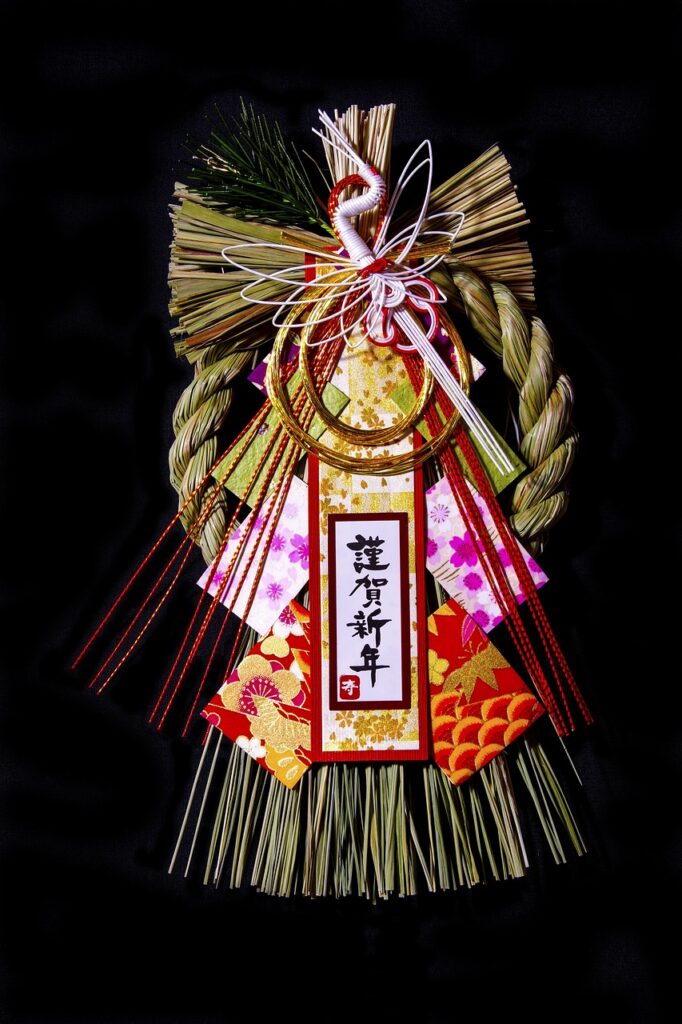
Oshōgatsu: Fancy Home Decorations
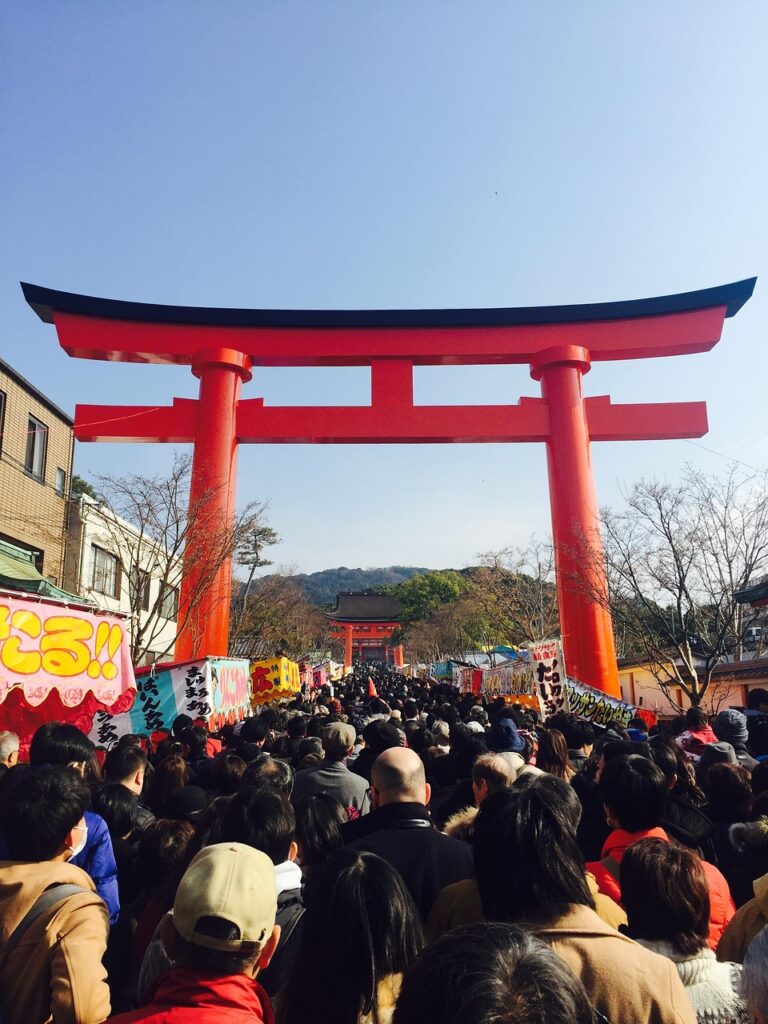
Hatsumode: The First Shrine Visit
Otoshidama: New Year’s Money for Children
Another long-standing custom is Otoshidama, where children receive money from parents and relatives. The money is placed inside small decorative envelopes and given during family visits. Children typically receive 10,000 yen, depending on their ages, with some young adults still receiving it from their grandparents or older relatives.
For children, this is often one of the most exciting parts of the New Year. For adults, it is both a joyful and financially strategic tradition, especially in large families.
A Quiet Start to the New Year
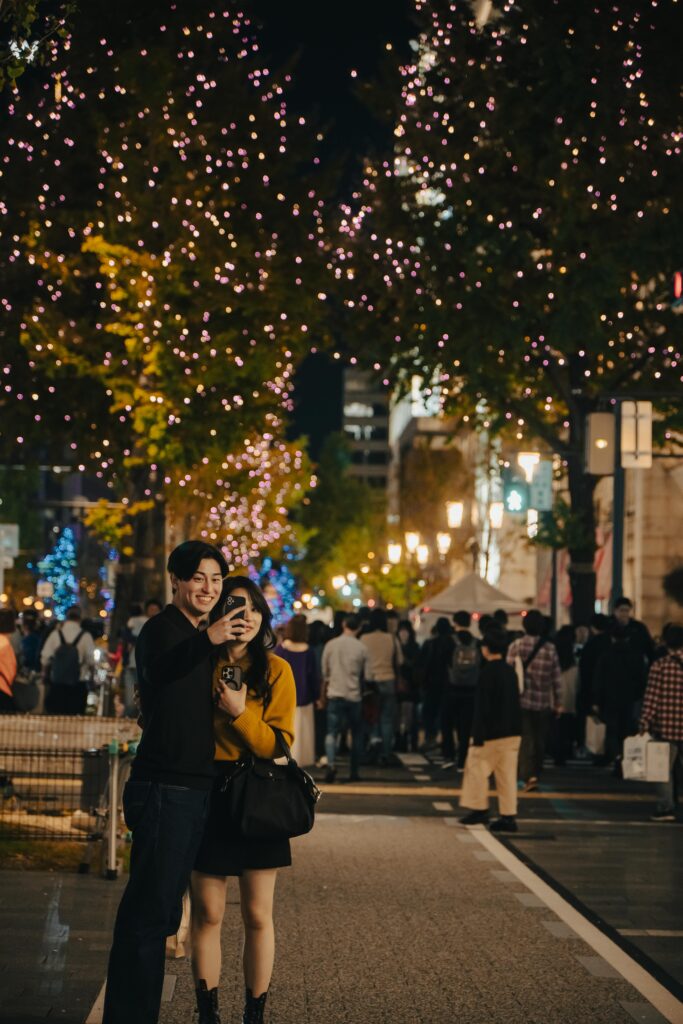
One thing that surprises many newcomers is how quiet Japan becomes during the New Year. Many restaurants, shops, and businesses close for several days. Trains still run, but schedules may change, and popular tourist areas feel unusually calm. Contrary to other countries where the New Year is celebrated with endless fireworks and firecracker lightings, Japan prefers a solemn approach in welcoming it for most families.
This pause reflects the deeper meaning of the holiday. The New Year is a time to slow down, reflect on the past, and prepare mentally and emotionally for the year ahead. It is less about celebration and more about intention.
How Japan Has Preserved These Traditions
Despite Japan’s modern lifestyle, New Year traditions remain deeply respected. Whether through cleaning, food, prayer, or family time, these customs offer a structured way to reset and move forward. Japanese New Year is not just a date change, but a cultural reset that blends history, spirituality, and everyday life in a way that continues to shape how the year begins.
Stay tuned for more exciting content like this! Follow us on our social media platforms and check out our blog regularly to stay updated on the latest news, trends, and insider stories from Japan. Don’t miss out on future updates — sign up for our newsletter for exclusive content delivered straight to your inbox!