From Earthquakes to Typhoons: How Japan Stays One Step Ahead
Japan is probably the most accident-prone country in the world. If there is no earthquake, there is a tsunami. If there is no tsunami, there is a typhoon. If there is no typhoon, there is a volcanic eruption. Or four meters of snow in a day. Or 40 degrees centigrade for several weeks. How do the Japanese survive? And why is every day not a panic? Read on to find out more.
In Japan, natural disasters are the order of the day. Not that the Japanese embrace them. Disasters are as much a disaster in Japan as anywhere. It is just that they have so many more of them. And since Japan has more disasters than other countries, it has to prepare better. As a matter of fact, the Japanese are so well prepared that things which would disrupt the operations of any other country do not mean a complete disaster.
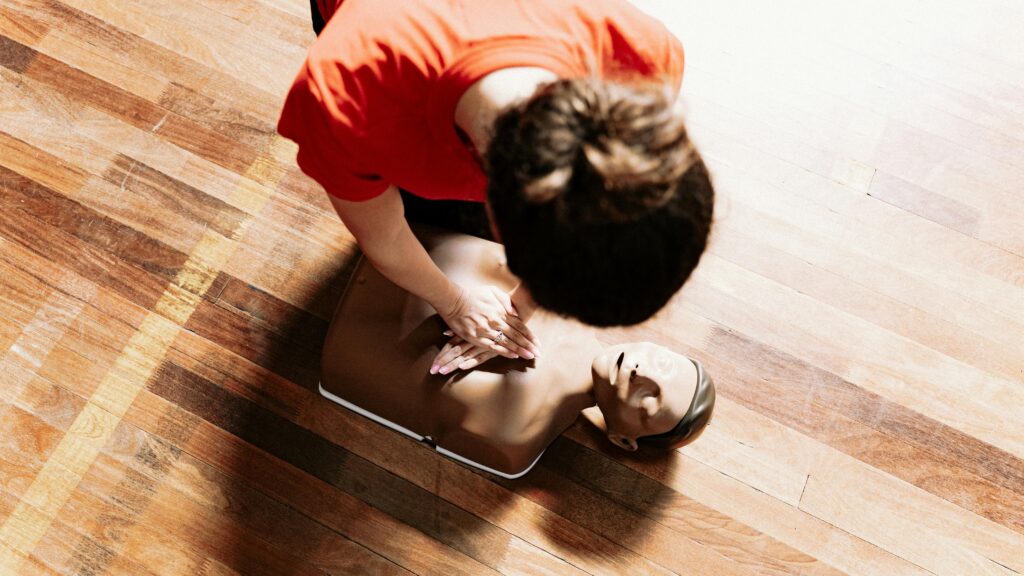
Advanced first aid is one of the things Japanese people regularly practice.
Why Japan Prepares More Than Most
Every year, the Japanese practice handling disasters several times. In Tokyo schools, children practice handling fires, volcanic eruptions, and earthquakes. Different from northern Japan, they do not practice covering under their benches to take cover from North Korean missiles. “Duck and cover” has become a reality in Japan with the increased arming of the North Koreans.
North Korea is Missing Tokyo
But Tokyo is not on the trajectory for missiles from North Korea aimed at the Pacific. Children in Tokyo schools use their Disaster Prevention Day on September 1 to practice for disasters that can happen where they live. September 1 is not chosen randomly; it was the day that the Great Kanto Earthquake struck in 1923. That time, the disaster was complete — because the country was not prepared (despite earthquakes being a historic feature of Japanese geology, and something which has happened several times during history).
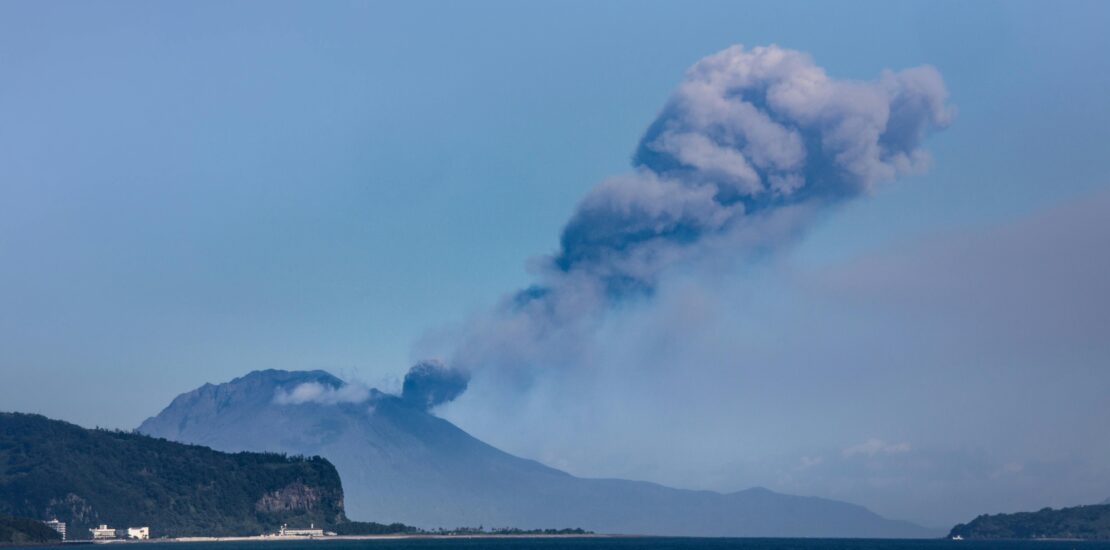
Volcanic eruptions are part of the everyday hazards in Japan.
But in 1923, building practices had changed, the traditional Japanese houses, which would collapse gracefully replaced with Western buildings, which were much more easily devastated. But that was not the only contribution of modernization to the extent of the disaster. Cities had started laying down gas pipes — something which contributed to the devastating fires. And water was being delivered in pipes, which made the disuse of the old wells a contributor through bad water quality (although there was, of course, no basis for the riots which led to the deaths of hundreds of Indians, Koreans, and other ethnic minorities — all accused of poisoning the wells).
World War Disaster Reminder
Japan was reminded of how to handle disaster during WWII, when the country was devastated by both managing the ongoing war and by the fire bombings by American planes. The detonation of the atomic bombs caused unprecedented devastation, but they were localized to two places, whereas the fire bombings burned down almost all Japanese cities (with the exception of Kyoto, spared due to its cultural value).
Tokyo was certainly not spared and was more or less a pile of rubble after the war ended. But while the population was determined to rebuild their country, they were also determined that the next disaster should not be so, well, disastrous.
Tsunami awareness has come into focus since 2011.
How Cities and Communities Stay Ready
Preparedness goes deep in Japanese cities. The many parks are built not just for the exercise and entertainment needs of the people, but they are also built as a refuge in the event of a disaster. While wars are not on the agenda, Tokyo being devastated by an earthquake is something planners try to take into account. Different from other types of disasters, where the primary way of sheltering is sheltering at home or in public buildings like schools, you need a different type of refuge in case of earthquakes.
Earthquake-safe Refugees
Mainly, this is because buildings may become unsafe during an earthquake. Before they can be taken into use again, they have to be inspected and checked to see if they are safe. So parks are prepared to become refuges, including toilets which can be popped up from the ground if need be. And they are also where water tanks replacing broken water pipes are found.
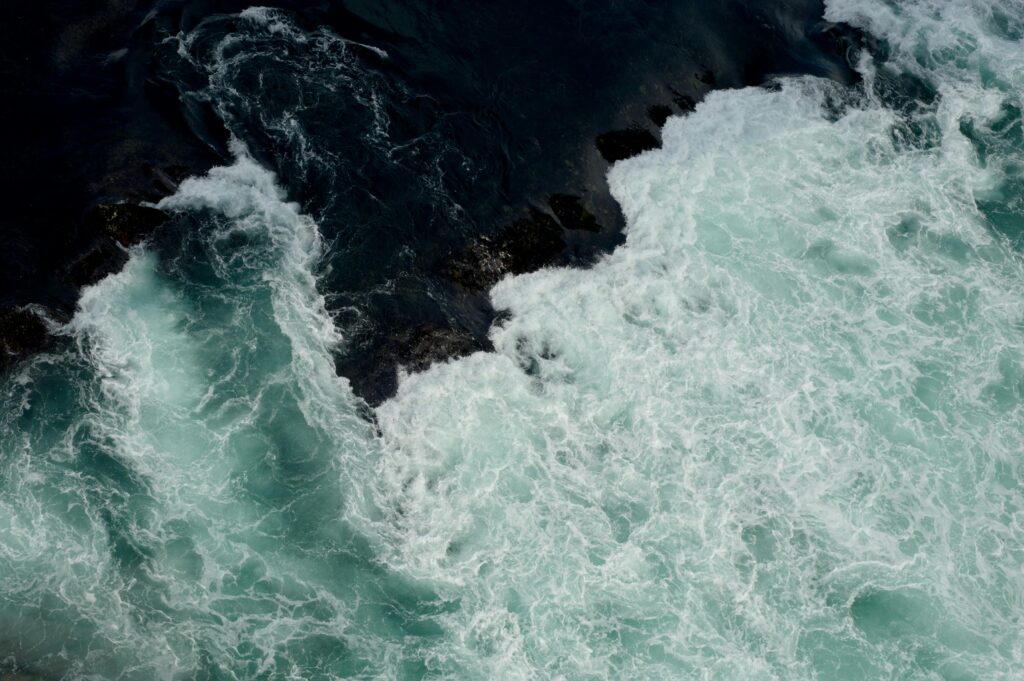
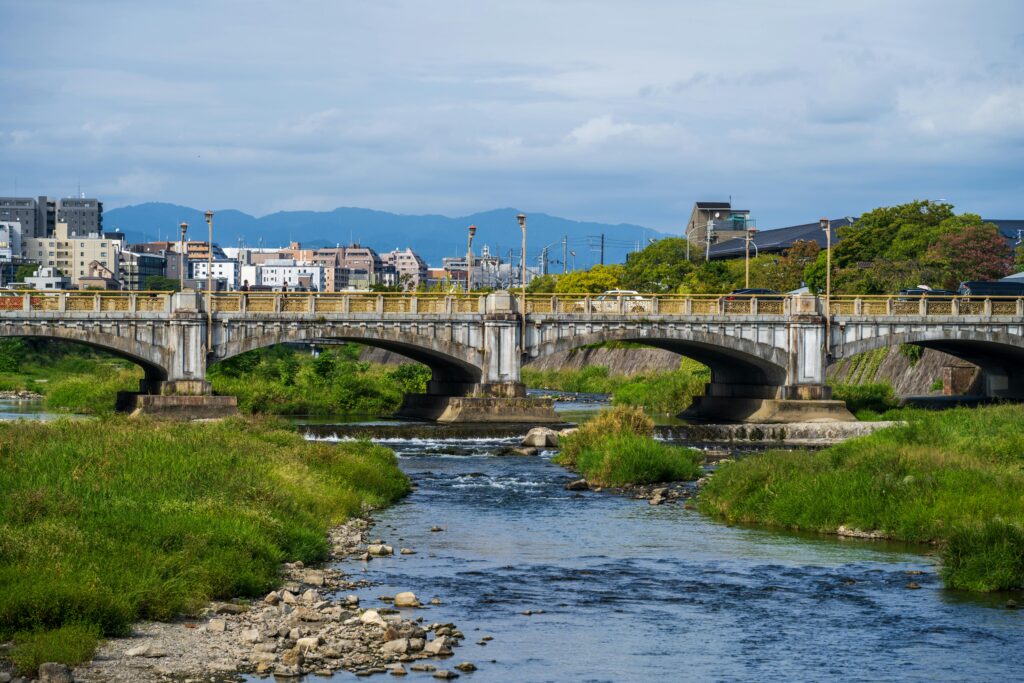
An innocent-looking river can turn into a raging torrent in seconds.
Modern Japanese cities are built to be fairly resilient. The disasters after March 11, 2011, in northeastern Japan — the Fukushima Daiichi nuclear plant is still being recovered — demonstrated that the main disruption came from the tsunami, not the earthquake itself (although the trains had to be stopped to check the integrity of the tracks).
Practicing Office Disaster Evacuation
On September 1, emergency awareness is not just raised in schools, but also in companies. Many companies have emergency drills, practicing how to get the employees out of the buildings and into prepared collection areas. Companies are mandated to practice evacuations, the same way as schools. Many schools have external slides to make sure children can get out fast and safely, rather than taking the stairs in case of a fire.
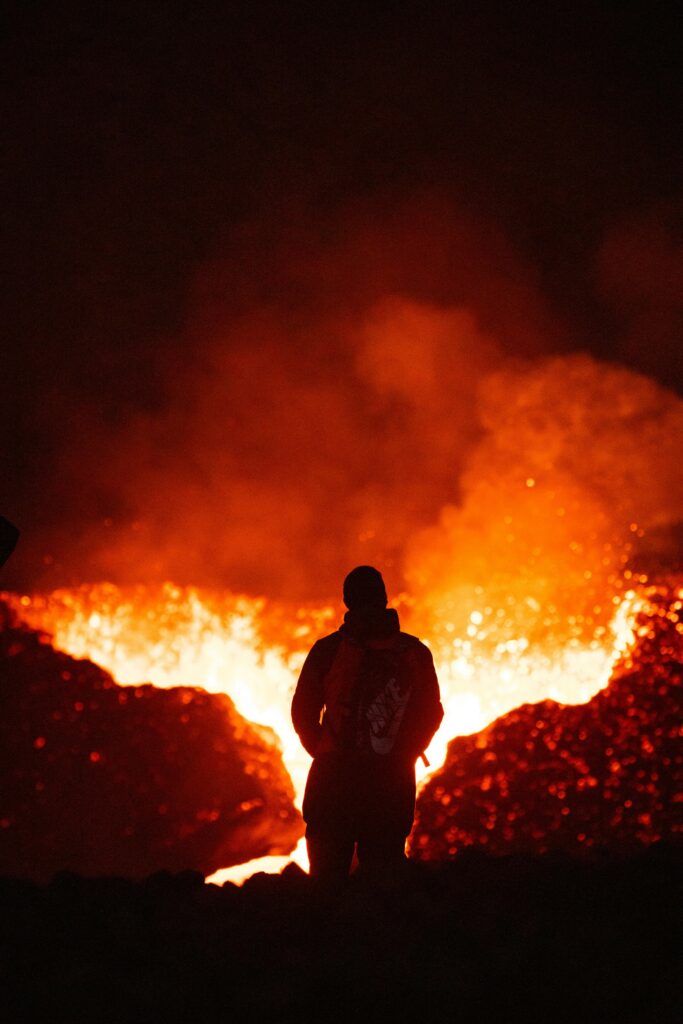
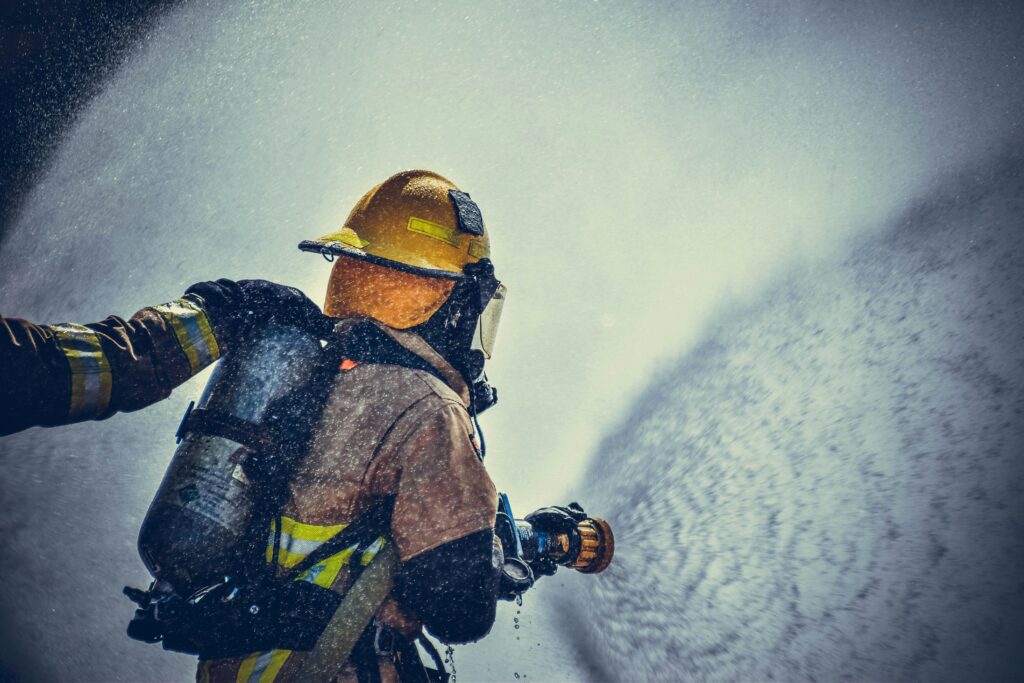
Fires remain one of the worst hazards in Japan.
The Japanese prepare for all types of disasters, although the most common are earthquakes and typhoons. In Tokyo, there is a low risk for environmental disasters (there are no industries in central Tokyo), and the risk of fires is smaller and smaller as the old wooden houses are replaced by concrete apartment blocks (occasionally by being burned down, frequently by people smoking in bed).
What Japanese Households Keep for Emergencies
But when you have to get up in the middle of the night, the ground shaking, windows breaking, and you have to get out of the building lest it has become unsafe, how are you going to manage?
In all companies, there are backpacks and helmets under the desks, containing the basic needs for a day or so, making it possible to survive once you have gone out of the (now unsafe) building.
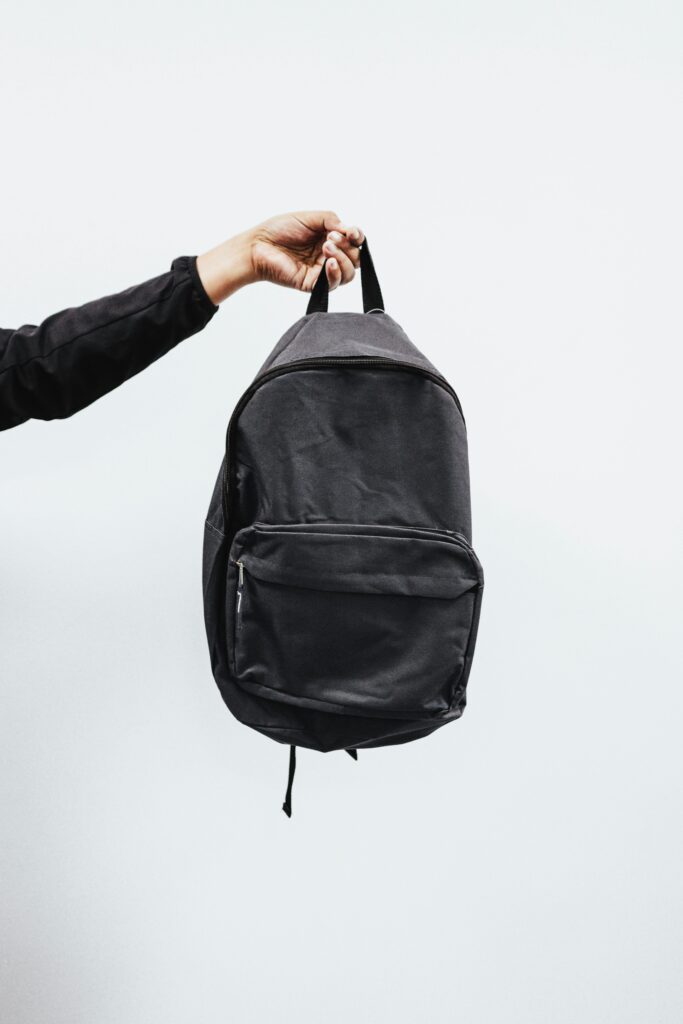
All Japanese family members have an emergency backpack.
But it is not just companies. All Japanese households not only have a fire extinguisher next to the door, but they also have backpacks for all family members. The backpacks are prepared according to instructions published by the government, containing emergency foods and medical supplies. Households also keep emergency supplies of water. And toilets, so that there will not be a crisis in an emergency. You can not use the toilet in case of a big earthquake (the pipes may be broken), so you need to use an insert for the toilet.
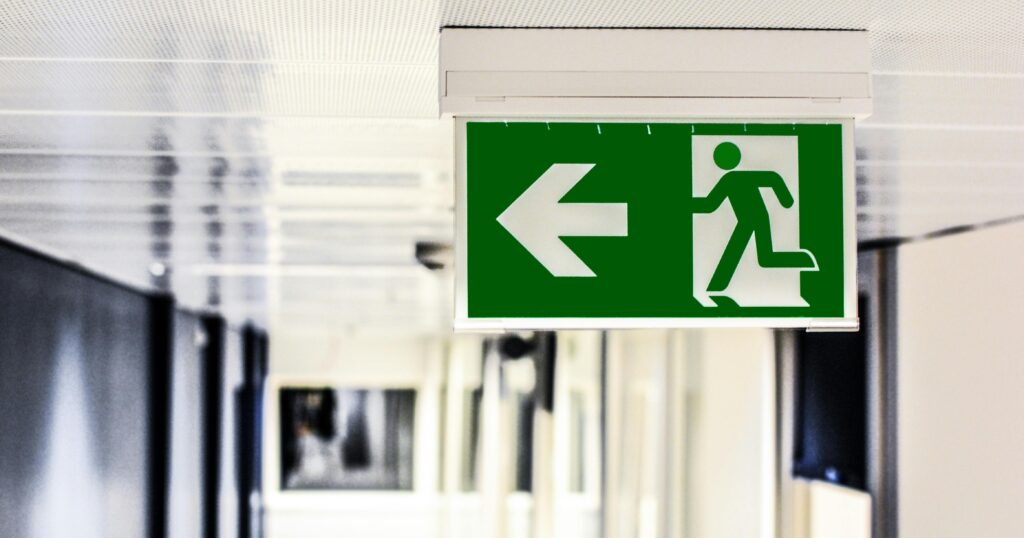
Knowing where to go is part of being prepared.
Food is part of preparedness, and drugstores and hardware stores typically have a corner of emergency supplies. The food is something you can prepare without cooking and with a long shelf life, usually dried or preserved. But there are also flashlights (often with a hand crank so they can be operated without batteries), sometimes containing radios; and emergency blankets, which are made of material that reflects the heat to the body. In case you can not get out of the building in winter, you will still have a good chance at surviving.
Stay tuned for more exciting content like this! Follow us on our social media platforms and check out our blog regularly to stay updated on the latest news, trends, and insider stories from Japan. Don’t miss out on future updates — sign up for our newsletter for exclusive content delivered straight to your inbox!
Wisterian Watertree
Wisterian Watertree has been living in Tokyo and other Japanese cities for
the past 20 years, helping visitors get the best of Japan. He is the author of two
books, ”Take Your Toddlers To Tokyo” and ”Driving In Japan”, with more on the
way. You can read more on his website Japan Top 10, https://japan-top-10.com.