Laundry in Japan: When to Use a Dry Cleaner or a Coin Laundry
Not sure whether to use a dry cleaner or coin laundry in Japan? Here is a practical guide to costs, clothing types, seasonal laundry tips, and futon washing.
In Japan, laundry management is a fine art dictated by the seasons and the high standards of garment care. And not just garments.
Whether you are a resident or a traveler, choosing between a Dry Cleaner (クリーニング – Kuriiningu) and a Coin Laundry (コインランドリー – Koin Randorii) depends largely on the material of your clothes and the humidity in the air – which is a factor of the season.
Dry Cleaning Vs Washing
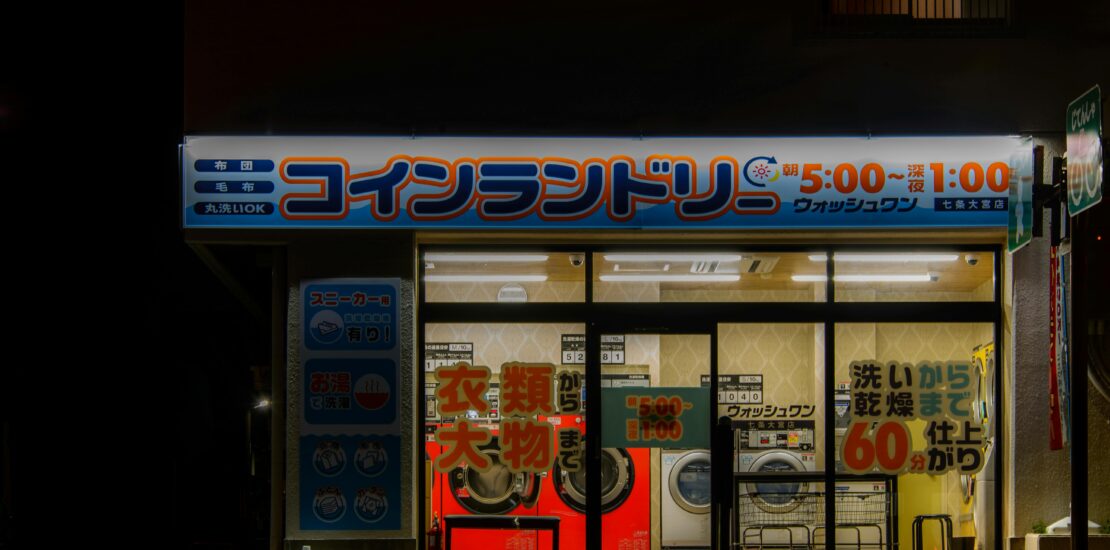
In most Tokyo neighborhoods, it is hard to find a street without a coin laundry. Especially if you are near a bathhouse (even if it is closed). But any shopping street, no matter how few stores it has, is likely to have a dry cleaner.
Dry Cleaners and Coin Laundry Chain Stores
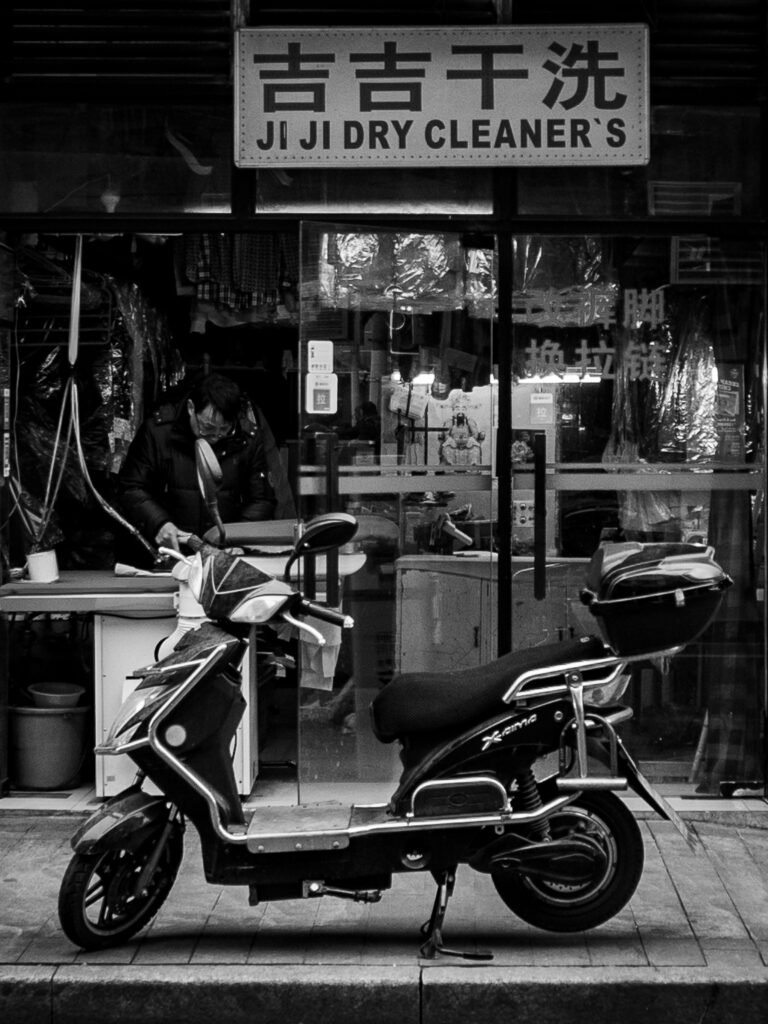
The dry cleaners, however, are increasingly chain stores without their own laundries. You can still see dry cleaners who do their own washing and ironing through a small window open towards the street, but they are (literally) a dying breed, very few of them below retirement age.
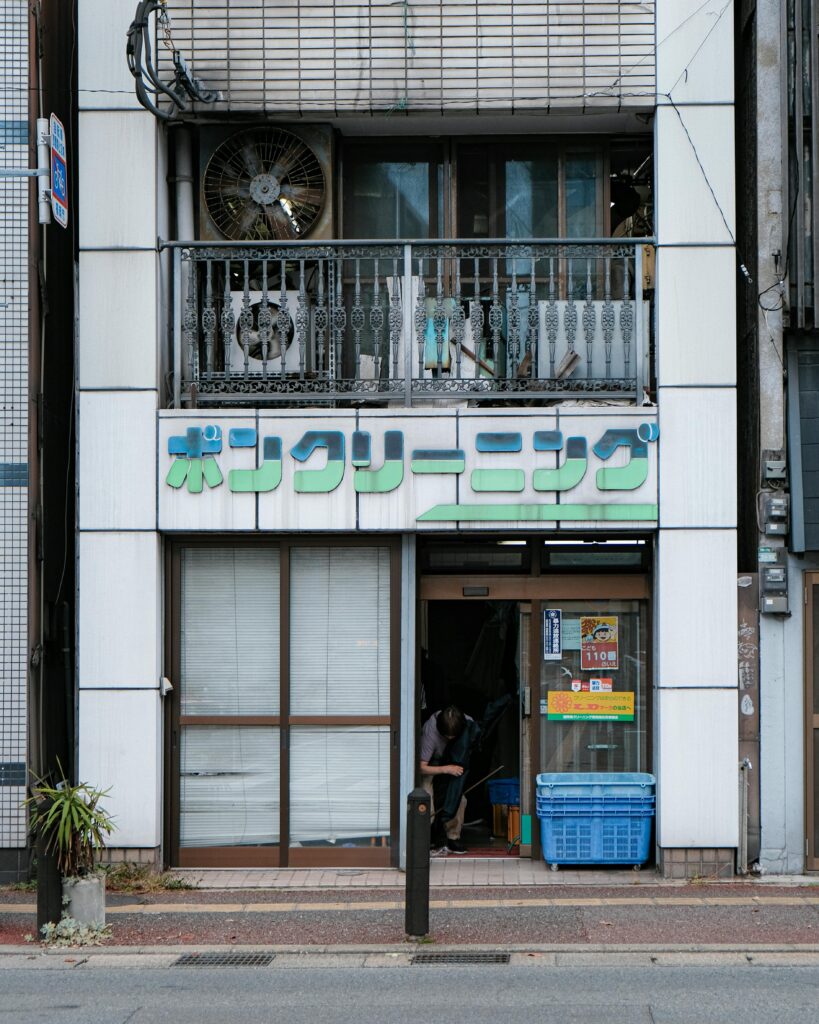
The old style laundries are disappearing fast.
Prices are also different. Using a coin laundry will cost on the order of 200 yen for a wash and 200 yen for drying, but this is for a whole load of laundry. Dry cleaners will charge quite a lot more, around 500 yen for a shirt, and 2500 yen for a suit. The dry cleaner also takes a day at least (although you can pay for same-day service), but the coin laundry is finished within maximum two hours.
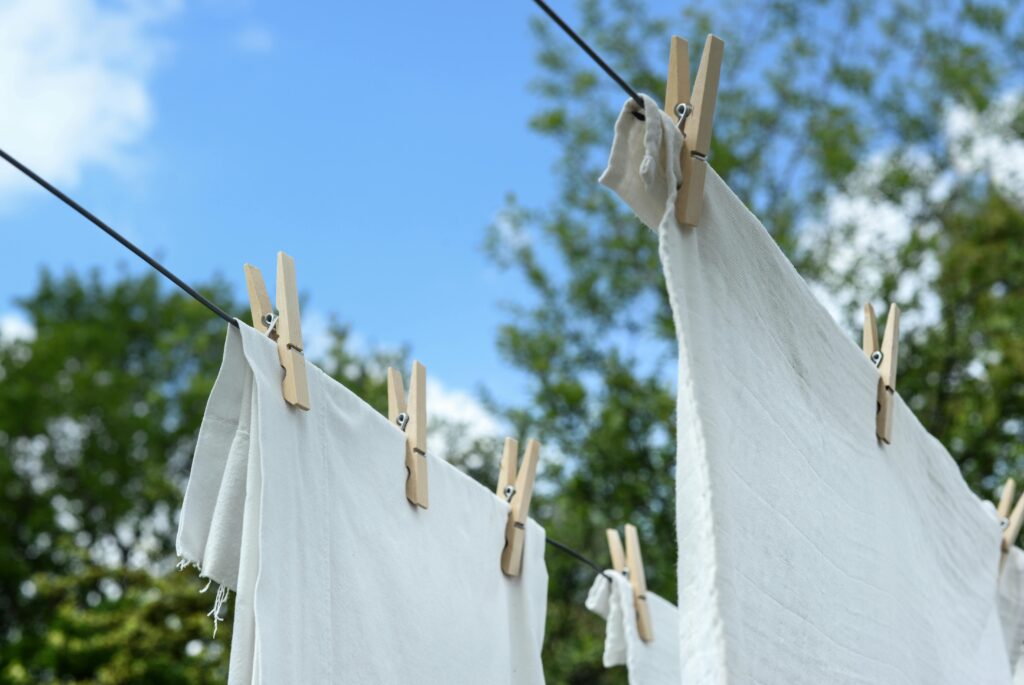
In Japan, the weather is your “laundry boss.”
* Spring (Pollen Season): Many people avoid hanging clothes outside due to Kafun (cedar pollen). Allergies are rife (and an important reason many people wear surgical masks). Coin laundry dryers are the preferred alternative to keep allergens out of the house.
* Tsuyu (June/July Rainy Season): Humidity is so high that clothes hung indoors will smell musty (namagawaki). Coin laundries see a massive surge in customers during this time specifically for the dryers.
* Rainy Days: Even if you wash at home, many people go to the coin laundry just to use the gas-powered dryers, which are far more powerful than home electric versions.
* Summer (High Sweat): You will produce more laundry. Dry cleaners often offer “sweat removal” (ase-nuki) treatments for suits during these months.
Seasonal Change Laundry Benefit
* Autumn/Winter (Seasonal Transition): This is the peak time for dry cleaners. Before storing your winter coats or after bringing them out, a professional clean is standard to prevent mold and moth damage during the humid off-season. You should also not try to wash down jackets or other sensitive clothes in the washers of the coin laundry – it will break the down and clump it together.
You should go to a professional laundry with your delicate washing.
When should You Go to the Dry Cleaners (The Specialists)
Best for: Professional attire, delicate fabrics, and items that cannot be wet-washed.
* Suits & Blazers: Essential for maintaining the structure of the shoulders.
* Silk & Wool: Japanese household and coin machines often use cold water, but the mechanical agitation can still ruin wool or silk.
* Formal Wear: Anything with pleats, sequins, or delicate buttons.
* White Dress Shirts: Dry cleaners often have a “shirt service” (Y-shirt) that is relatively cheap (¥150–¥300) and includes professional starching and pressing.
Choose a coin laundry when you need to wash at inconvenient times.
When to choose Coin Laundries (The Heavy Lifters)
Best for: Bulk loads, fast turnarounds, and “industrial” drying. Also open 24 hours, not working hours like the dry cleaners.
* Everyday Cotton: T-shirts, underwear, socks, and jeans (dry cleaners will not handle underwear and socks).
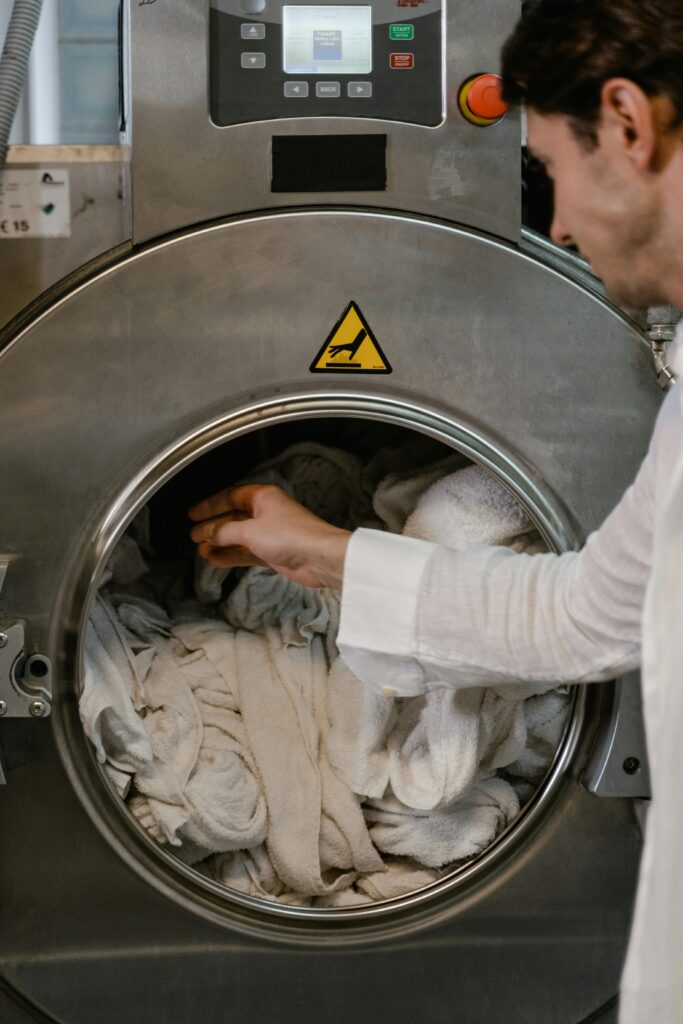
* Bedding: High-capacity machines (up to 25kg) are perfect for duvets (futons), blankets, and sheets that don’t fit in home washers.
* Sneakers: Most Japanese coin laundries have a dedicated “Sneaker Washer” and specialized dryer racks for shoes.
Specialized futon laundries
If you need to wash your bed – which you can do in Japan – there are specialized coin laundries which also will accept and professionally wash your beds. Here is the breakdown of how, where, and how often futons are cleaned.
The Methods: How It’s Done
Washing a futon in Japan is a specialized task because of its bulk, its materials (cotton, wool, or synthetic), and the importance of preventing mold in Japan’s humid climate. You can’t just throw a traditional futon into a standard home washing machine—it will either break the machine or become a heavy, soggy mess that never dries.
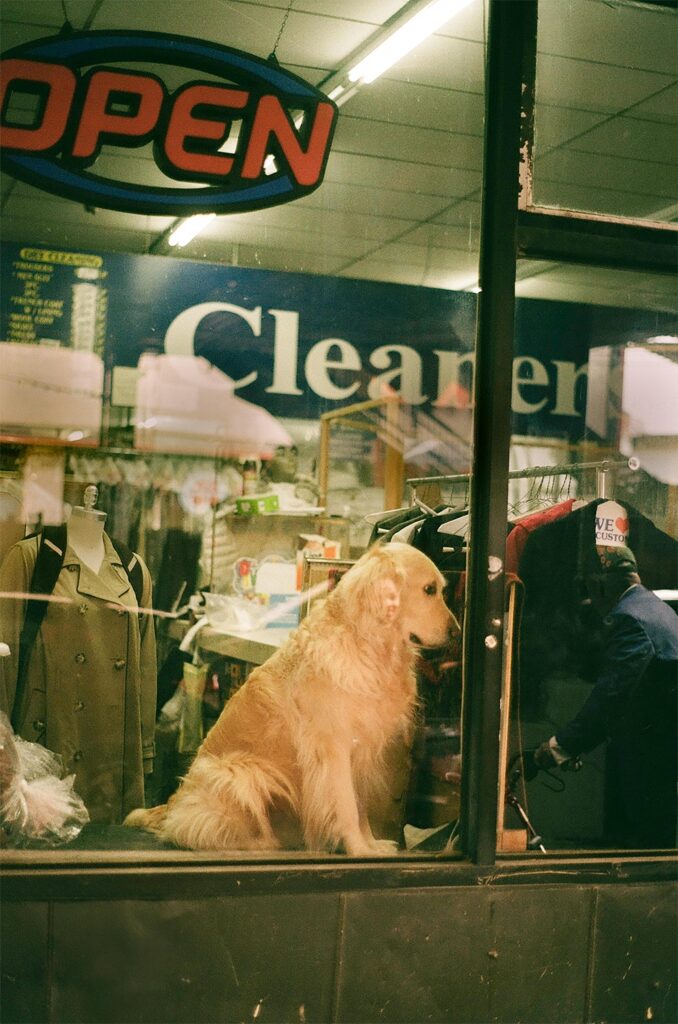
The family-style laundries are disappearing fast. And their dogs.
The “Futon Specialty” Coin Laundry
This is the most popular modern method. Many Japanese coin laundries now feature dedicated futon washing and drying machines.
* The Process: You roll the futon tightly and secure it with Velcro straps (usually provided at the shop) to prevent the stuffing from shifting or clumping.
* The Drying: This is the most critical part. You must use the high-heat industrial dryers for at least 60–90 minutes.
* Benefit: The high heat (around 70°C) kills dani (house dust mites), which are a major concern in Japan.
Small dry cleaners are everywhere in Japan.
Professional Dry Cleaning (Kuriiningu)
For high-end down (羽毛 – umou) or delicate wool futons, professional cleaning is safer.
* Home Pickup: Many cleaners offer a “Futon Delivery” service. They pick up your heavy futons and return them a week later, vacuum-sealed in plastic.
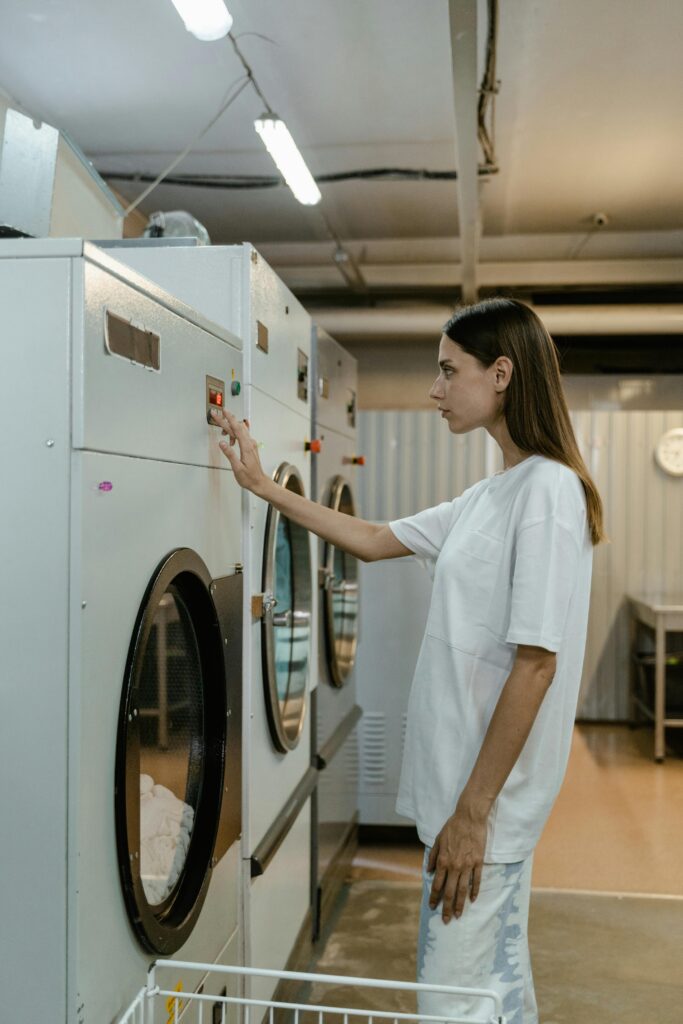
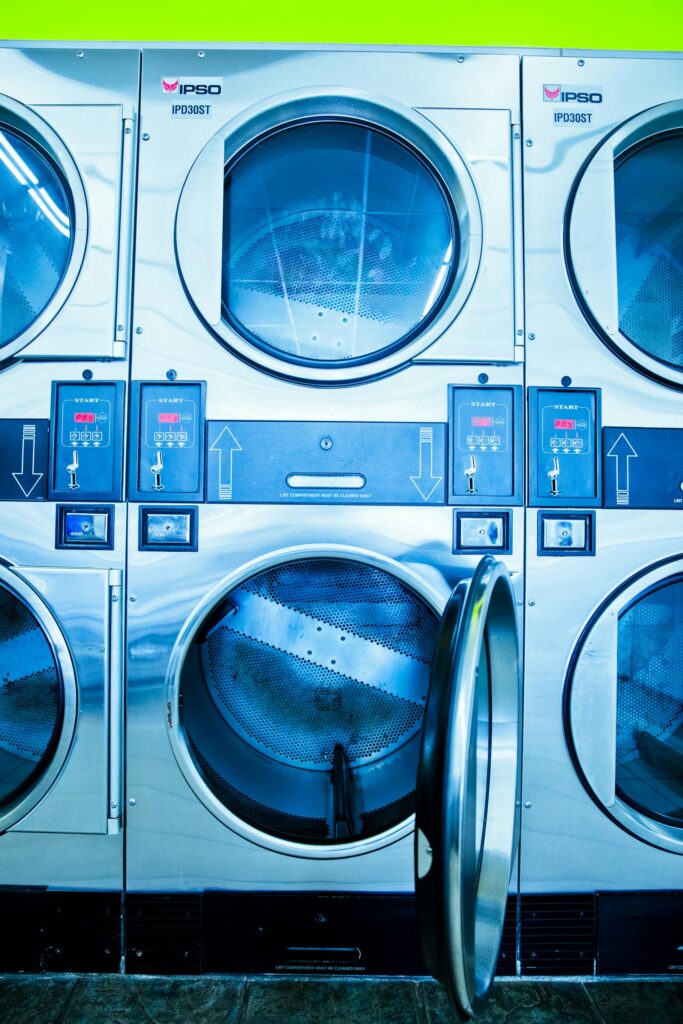
The coin laundry dryers can handle a futon.
* Specialty Cleaning: They use a “wet-cleaning” method that removes salt from sweat, which dry cleaning solvents can’t always do.
The Traditional Way: Sun Drying & Beating
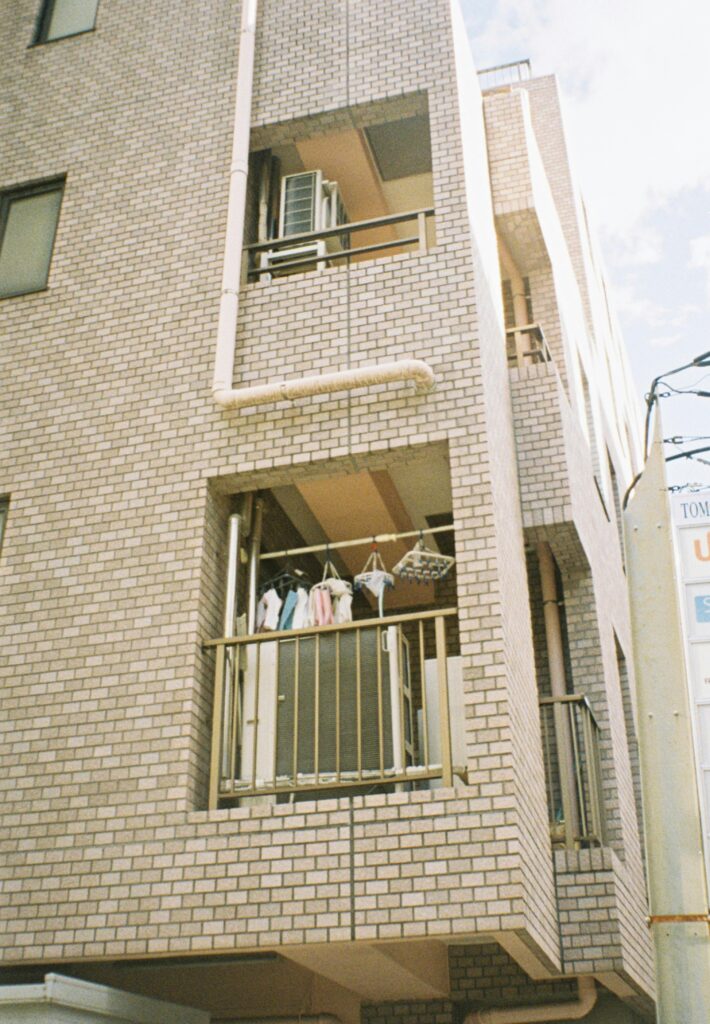
This is the “daily maintenance” method you see on balconies across Japan.
* The Process: You hang the futon over the balcony railing on a sunny day.
* The Tool: Use a Futon Tataki (a bamboo or plastic racket) to whack the futon.
* Correction: Modern experts actually advise against hitting the futon hard, as it breaks the fibers and pushes dust deeper. It’s better to use a vacuum cleaner with a “futon head” attachment after sun-drying.
How Often Should You Wash?
Because futons absorb roughly 200ml of sweat every night, frequency is key to longevity.
Seasonal Strategy
* Early Summer (Post-Rainy Season): This is the busiest time for futon cleaning. People wash their heavy winter futons before putting them into storage to ensure they don’t grow mold over the summer.
* Autumn: People wash their summer blankets (towel-ket) and bring out their freshly cleaned winter duvets.
Futon success tips
* Check the Label: If your futon says “Non-washable” (洗濯不可), do not take it to a coin laundry; it must go to a professional.
* Vacuum Compression: If you have a small apartment, use “Futon Compression Bags.” After washing and drying, you can suck the air out with a vacuum, making the futon thin enough to store under a bed or in a closet.
* The “Black Bag” Trick: In summer, some people put their futon in a large black plastic bag before putting it in the sun. The black bag absorbs more heat, effectively “cooking” the dust mites.
A common myth is that the sun kills everything.
A Common Myth: “The Sun Kills Everything”
While UV rays kill some bacteria, the sun alone is usually not hot enough to kill all dust mites. To truly sanitize a futon, the high-heat dryer at a coin laundry is your best friend.
Advantages & Disadvantages
Dry Cleaners
* Pros: High-quality finish; “Stain removal” (shimi-nuki) is often an expert-level service; membership cards often give 20–30% discounts on weekends.
* Cons: Most close by 7:00 or 8:00 PM; can be expensive for casual clothes; language barrier if you have specific instructions.
Coin Laundries
* Pros: Usually open 24/7; automatic detergent dispensing (no need to buy soap); high-heat gas dryers kill mites and bacteria.
* Cons: Risk of “knicker thieves” (especially in residential areas—don’t leave laundry unattended); can be crowded on weekends or rainy days.
Helpful Tips for Japan
* The “Cleaning” Sign: Look for the Katakana クリーニング. Major chains include White Express and Pony Cleaning.
* Detergent: Most modern coin laundries inject detergent and softener automatically. Look for the sign 洗剤不要 (No detergent needed).
* The “Drum Refresh” Button: Before starting a coin laundry machine, look for a button to “Refresh the Drum.” It usually runs for 2 minutes for free to rinse out any residue from the previous user.
Stay tuned for more exciting content like this! Follow us on our social media platforms and check out our blog regularly to stay updated on the latest news, trends, and insider stories from Japan. Don’t miss out on future updates — sign up for our newsletter for exclusive content delivered straight to your inbox!
Wisterian Watertree
Wisterian Watertree has been living in Tokyo and other Japanese cities for
the past 20 years, helping visitors get the best of Japan. He is the author of two
books, ”Take Your Toddlers To Tokyo” and ”Driving In Japan”, with more on the
way. You can read more on his website Japan Top 10, https://japan-top-10.com.