Japan has thousands of shrines. Most of them are dedicated to local deities, but Yasukuni Jinja sticks out. It is dedicated to all of Japan, not just Tokyo. This leads to misunderstandings. Read on for more.

Japan has thousands of shrines. Most of them are dedicated to local deities, but Yasukuni Jinja sticks out. It is dedicated to all of Japan, not just Tokyo. This leads to misunderstandings. Read on for more.
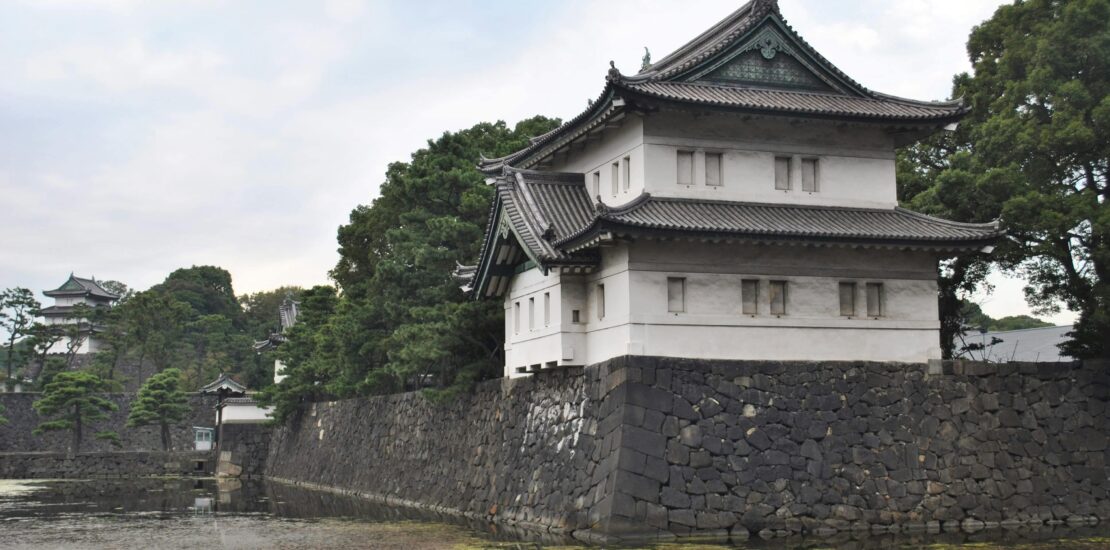
Yasukuni Jinja does not announce itself gently. It sits just north of the Imperial Palace in Chiyoda-ku, facing one of Tokyo’s widest avenues, yet it feels removed from the ordinary rhythms of the city. Office workers pass it daily, tourists wander in uncertainly, and political headlines periodically pull it back into global focus. But Yasukuni is not designed for explanation. It is designed for remembrance—and remembrance, in Japan, is rarely simple.
To visit Yasukuni Jinja is to encounter how modern Japan has chosen to remember war, sacrifice, and statehood, not through narrative clarity, but through ritual, architecture, and absence.
Yasukuni Jinja was founded in 1869, shortly after the Meiji Restoration, under the name Tōkyō Shōkonsha. Japanese historical sources consistently describe its original purpose as unprecedented: it was a Shinto shrine created specifically to enshrine the spirits of those who died fighting for the imperial cause during the Boshin War, which ended the Tokugawa shogunate.
In 1879, the shrine was renamed Yasukuni Jinja, meaning roughly “Peaceful Nation Shrine.” The name itself reflects Meiji-era ideology: peace achieved through loyalty and sacrifice. Unlike older shrines tied to local deities or natural features, Yasukuni was a product of the modern state. It enshrined individuals not because of lineage or myth, but because of service.
Over time, Yasukuni came to enshrine the spirits (Eirei) of approximately 2.46 million people who died in Japan’s wars from the mid-19th century through World War II. Enshrinement is a religious act within Shinto tradition, not a legal or historical judgment—but that distinction has proven difficult to maintain in public discourse.
Yasukuni does not contain graves. There are no bodies, ashes, or remains on the grounds. Instead, the shrine holds names and spirits, ritually enshrined according to Shinto belief. Once enshrined, spirits cannot be removed under orthodox shrine doctrine.
This theological point is critical to understanding Yasukuni’s ongoing controversy. In 1978, the shrine secretly enshrined 14 individuals convicted as Class-A war criminals by the International Military Tribunal for the Far East. This action, revealed publicly the following year, transformed Yasukuni from a national memorial into an international flashpoint.
Japanese sources often stress that the shrine does not categorize the enshrined by rank, crime, or historical evaluation. All are treated equally in ritual. Critics argue that this very equality erases moral distinctions. The shrine itself maintains that it does not exist to interpret history, only to honor the dead.
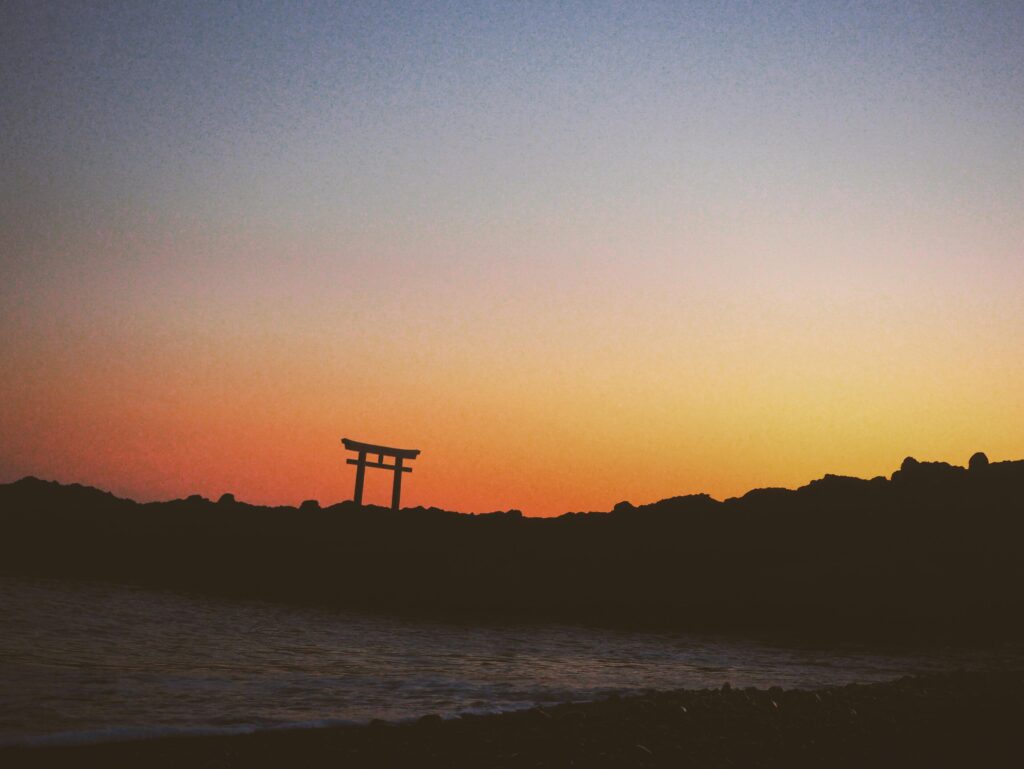
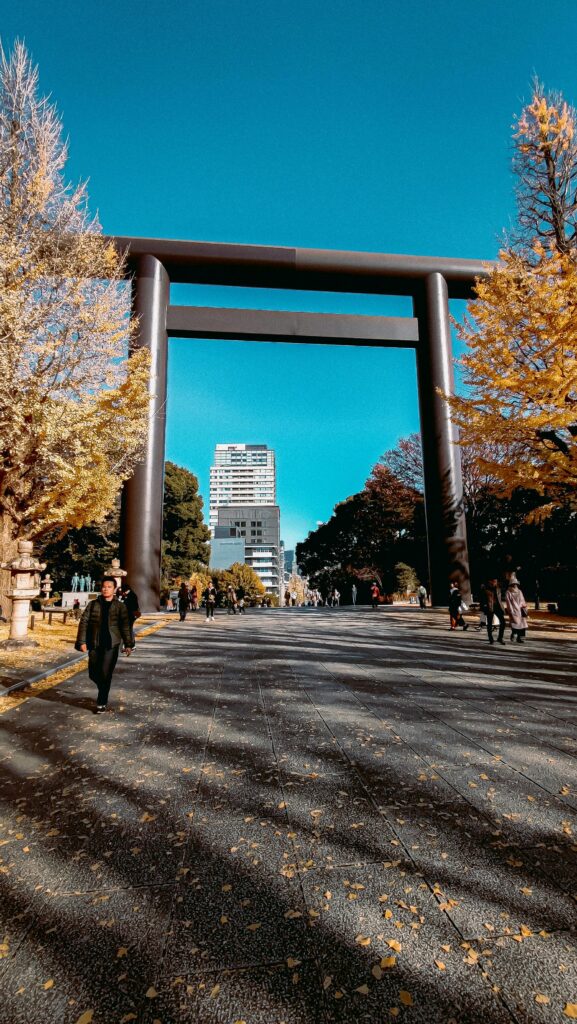
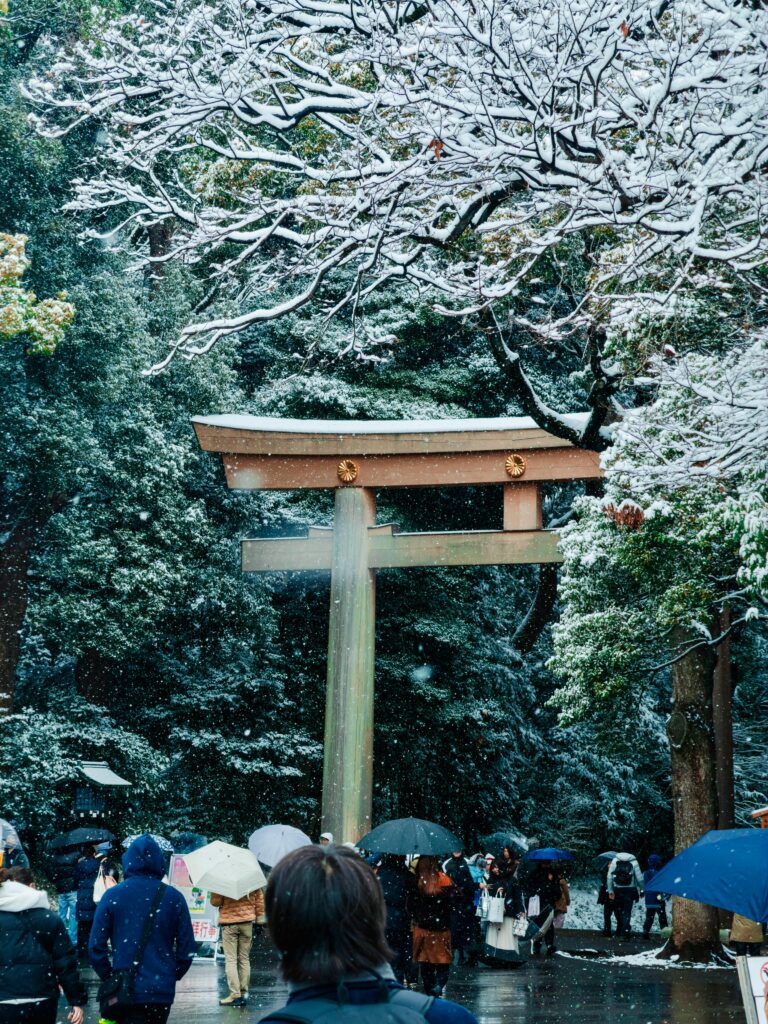
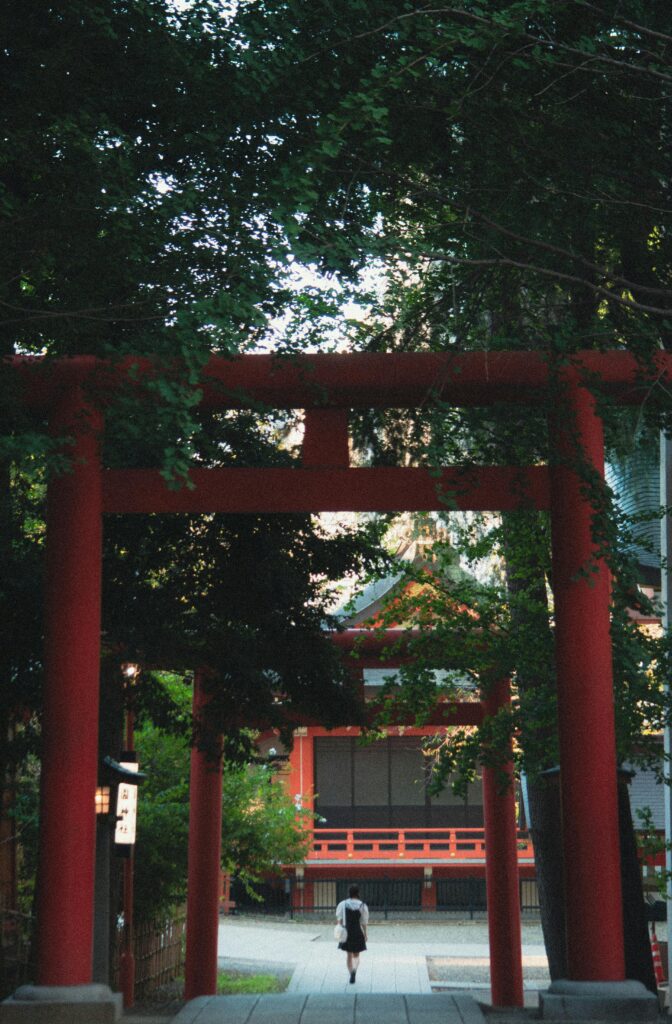
Yasukuni Jinja’s grounds are open to the public and free to enter. No ticket or reservation is required to walk through the shrine precincts. Visitors pass through a series of torii gates that progressively separate the space from the surrounding city. Japanese architectural references note that the approach deliberately creates distance, both physical and psychological.
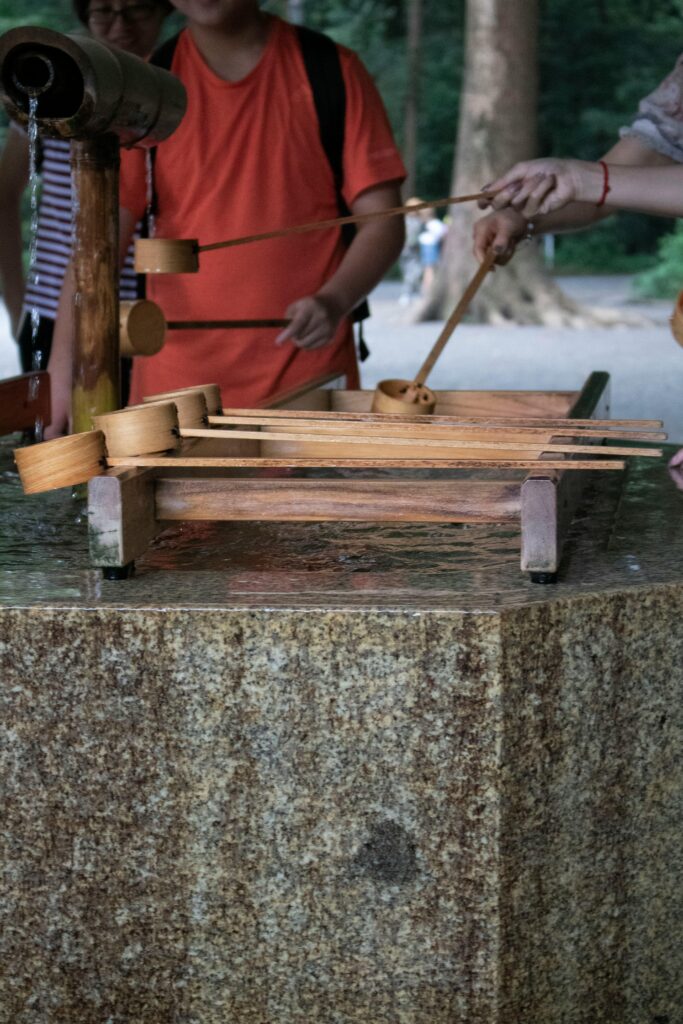
At the center stands the haiden (worship hall), rebuilt in 1989 after wartime destruction. Visitors—Japanese and foreign alike—may approach, bow, clap, and pray in the standard Shinto manner. There is no requirement to participate, and many visitors simply observe.
Behind the haiden is the honden (main sanctuary), which houses the enshrined spirits. This inner structure is not open to the public, in keeping with Shinto practice. Like much of Yasukuni’s meaning, it is defined by inaccessibility.
Surrounding the main structures are gardens, auxiliary shrines, and commemorative spaces. The grounds are well maintained and seasonally beautiful, particularly during cherry blossom season. This aesthetic calm contrasts sharply with the intensity of the shrine’s symbolic weight.
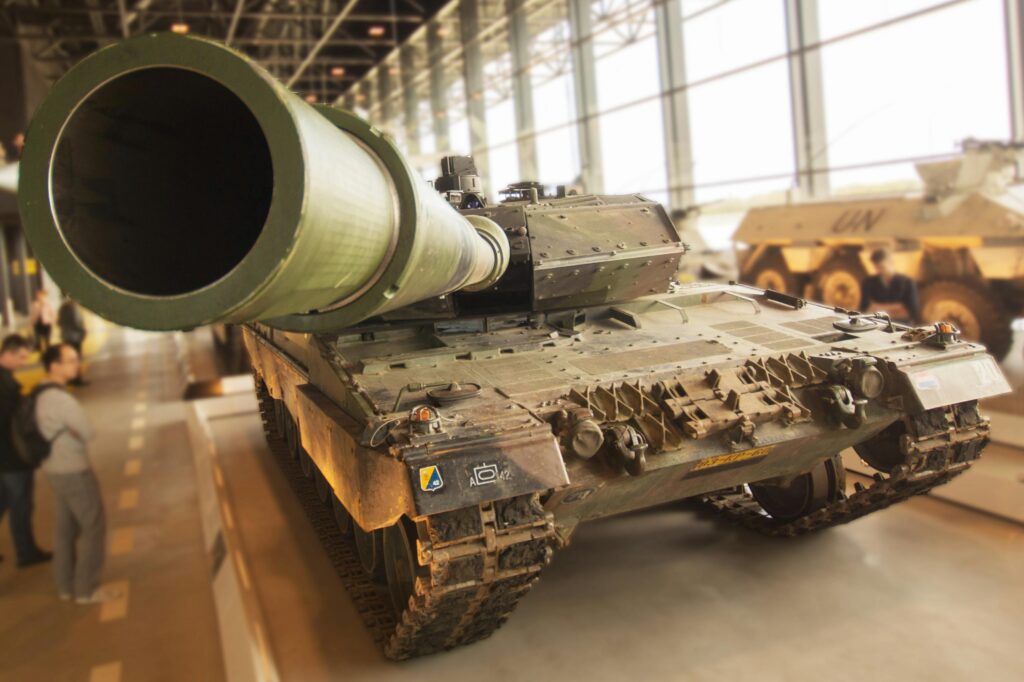
Within the shrine grounds stands the Yūshūkan Museum, a war museum first established in 1882 and rebuilt multiple times, most recently in the early 21st century. Unlike the shrine itself, the museum requires paid admission. It is a private body, not in any way funded by the Japanese government – which would be illegal both due to the strict separation between state and religion, and the constitution denouncing war.
Yūshūkan presents Japan’s modern military history through artifacts, weapons, aircraft, and personal effects of soldiers. Japanese and international sources agree that the museum’s interpretive stance is controversial. It emphasizes sacrifice, duty, and national survival, and is often criticized for minimizing or reframing Japan’s wartime aggression.
What is important for visitors to understand is that Yūshūkan does not pretend to be neutral. It reflects a specific historical worldview rooted in prewar and wartime narratives. Many Japanese historians note that the museum functions less as an academic institution and more as an ideological one.
For visitors, Yūshūkan offers insight—not necessarily into what happened, but into how certain segments of Japanese society remember what happened.
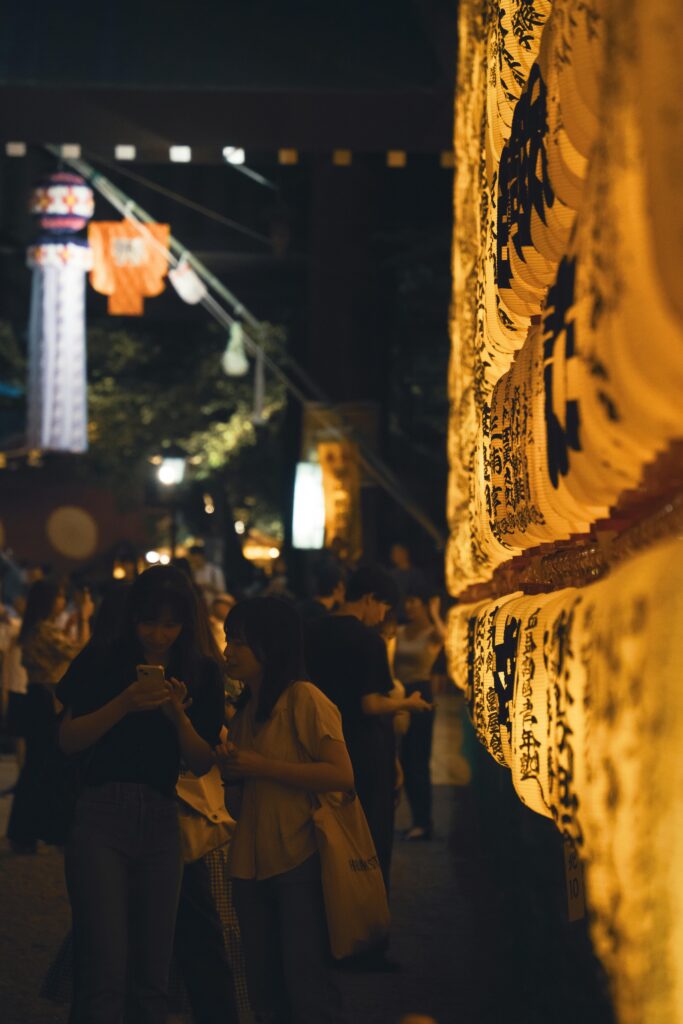
Despite its political associations, Yasukuni is also a functioning neighborhood shrine. Local residents walk dogs nearby. Office workers pass through on lunch breaks. Seasonal festivals, flea markets, and ceremonies occur throughout the year.
Japanese sources often point out this duality: Yasukuni is simultaneously extraordinary and ordinary. Most days, it is quiet. The intense scrutiny arrives only at specific moments—particularly when Japanese prime ministers visit in an official or semi-official capacity.
Such visits, while rare, attract international attention, especially from China and South Korea, where Yasukuni is viewed as a symbol of unrepentant militarism. Japanese political commentary emphasizes that these reactions are as much about unresolved regional memory as about the shrine itself.
Yasukuni Jinja is not a summary of Japanese history. It is a fragment—a carefully preserved piece of how the modern Japanese state once understood itself. It does not explain the past; it enacts it.
For visitors, the shrine offers no clear answers. It offers space, ritual, and symbols, but leaves interpretation to the individual. This ambiguity is intentional. Japanese cultural analyses often describe Yasukuni as a place where silence does the work that words cannot.
You can walk its grounds without endorsing its ideology. You can study its structures without accepting its worldview. But you cannot visit without confronting the fact that memory, once institutionalized, resists revision.
For those who choose to visit, the most responsible approach is an informed one. Yasukuni is not a neutral sightseeing stop, nor is it forbidden ground. It is a site where belief, history, and politics overlap without resolution.
In that sense, it is profoundly Tokyo-like: layered, contradictory, and unwilling to simplify itself for the sake of comfort.
Yasukuni Jinja does not ask you to agree. It asks you to stand, observe, and carry the weight of what you have seen back into the city with you.
Stay tuned for more exciting content like this! Follow us on our social media platforms and check out our blog regularly to stay updated on the latest news, trends, and insider stories from Japan. Don’t miss out on future updates. Sign up for our newsletter for exclusive content delivered straight to your inbox!