
A practical guide to staying connected in Tokyo using public Wi-Fi, travel SIM cards, pocket Wi-Fi, and eSIMs. Learn which option works best for short-term visitors and first-time travelers in Japan.

A practical guide to staying connected in Tokyo using public Wi-Fi, travel SIM cards, pocket Wi-Fi, and eSIMs. Learn which option works best for short-term visitors and first-time travelers in Japan.
The good news is that Japan offers several easy ways to stay connected whenever and wherever you are. Public Wi-Fi, travel SIM cards, eSIMs, and portable Wi-Fi all work well in most parts of Japan and especially in the metro area, depending on your travel style.
If you are curious to know more about these, here’s what it’s actually like using each option in Tokyo.
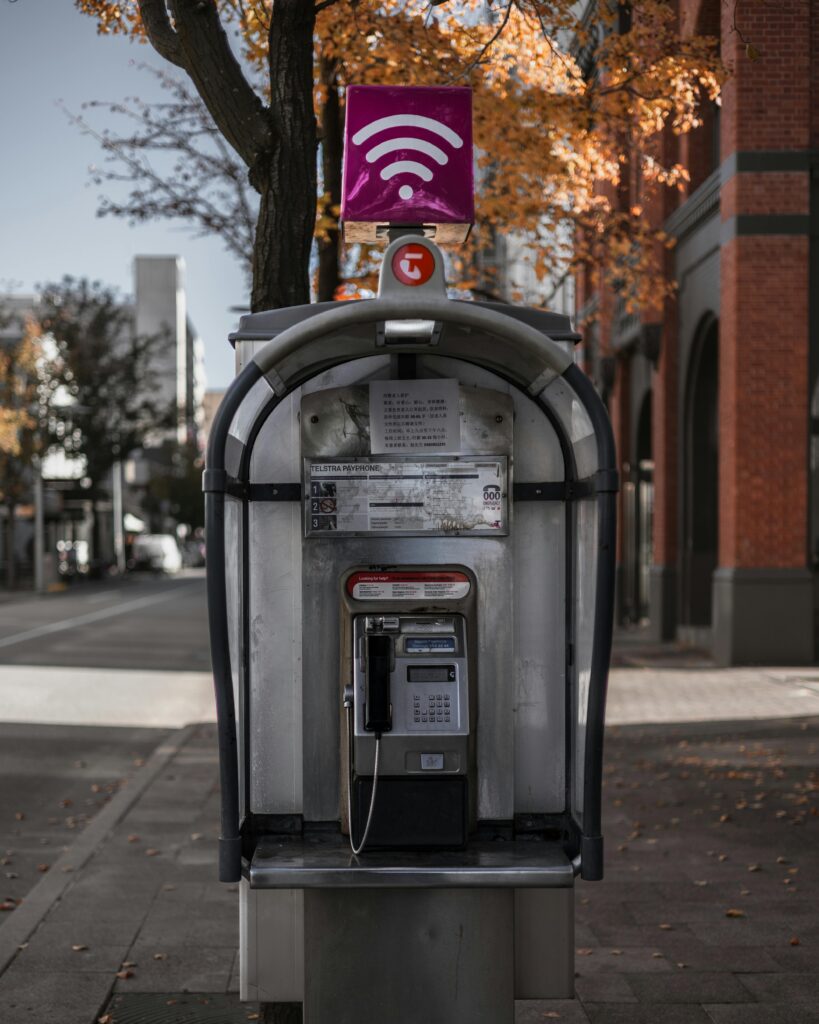
Tokyo has more public Wi-Fi than it used to, especially in major areas.
You’ll find free Wi-Fi in:
That said, public Wi-Fi isn’t always reliable. It can be slow during peak hours, disconnect randomly, or stop working underground between stations. It’s fine for quick searches or checking messages, but not ideal if you need constant access.
Think of public Wi-Fi as a backup, not your main plan.
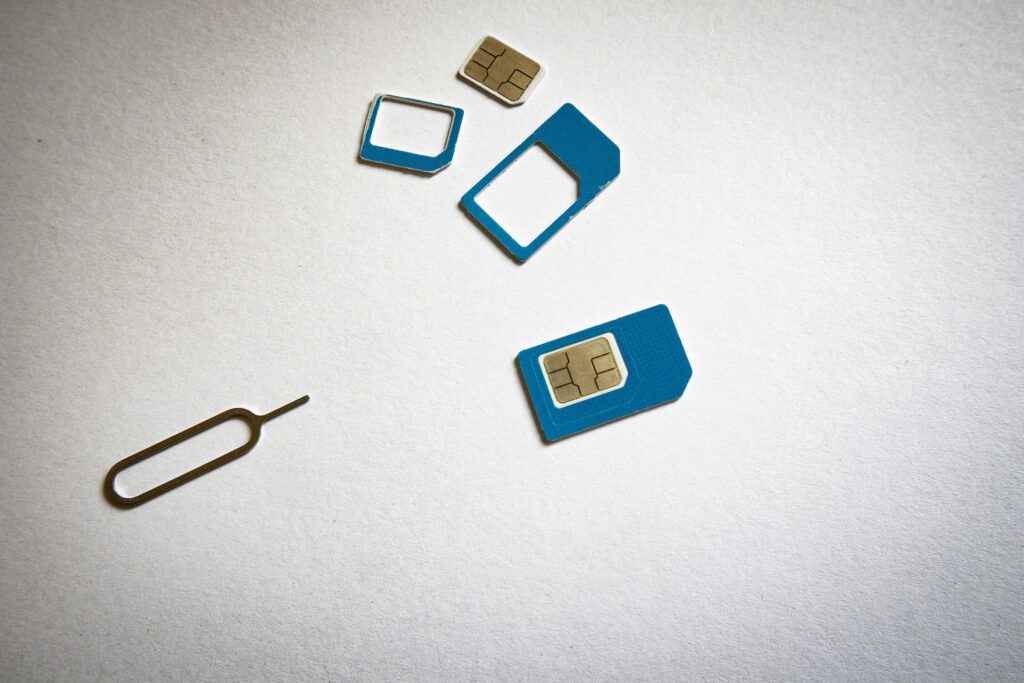
Airport counters are especially convenient because everything is clearly labeled for tourists, and staff are used to explaining the setup. Most SIMs are data-only, so you won’t get a Japanese phone number, but that’s usually not an issue for navigation and messaging apps.
You can buy them at:
You pay upfront, insert the SIM into your phone, do a few configurations, and you’re online. No contracts, no long-term commitment. The downside of travel sims is that most have a fixed and limited period of usage from 7 days to 30 days only so if you are staying for 15 days, then
This is a good choice if you prefer something straightforward and don’t want to deal with digital setup.
Portable Wi-Fi devices, often called pocket Wi-Fi, are another common option in Japan.
They’re useful if:
You can rent pocket Wi-Fi at airports, reserve online in advance, or pick one up at designated counters around Tokyo.
The main downside is battery life. These devices need to be charged daily, sometimes more than once if you’re out all day. If the battery dies, you lose internet completely.
If you choose pocket Wi-Fi, bring a power bank. This is especially important if you’re navigating long train routes or sightseeing for hours.
It works well, but it’s one more device to carry and manage.
eSIMs: The Easiest and Most Recommended Internet Option
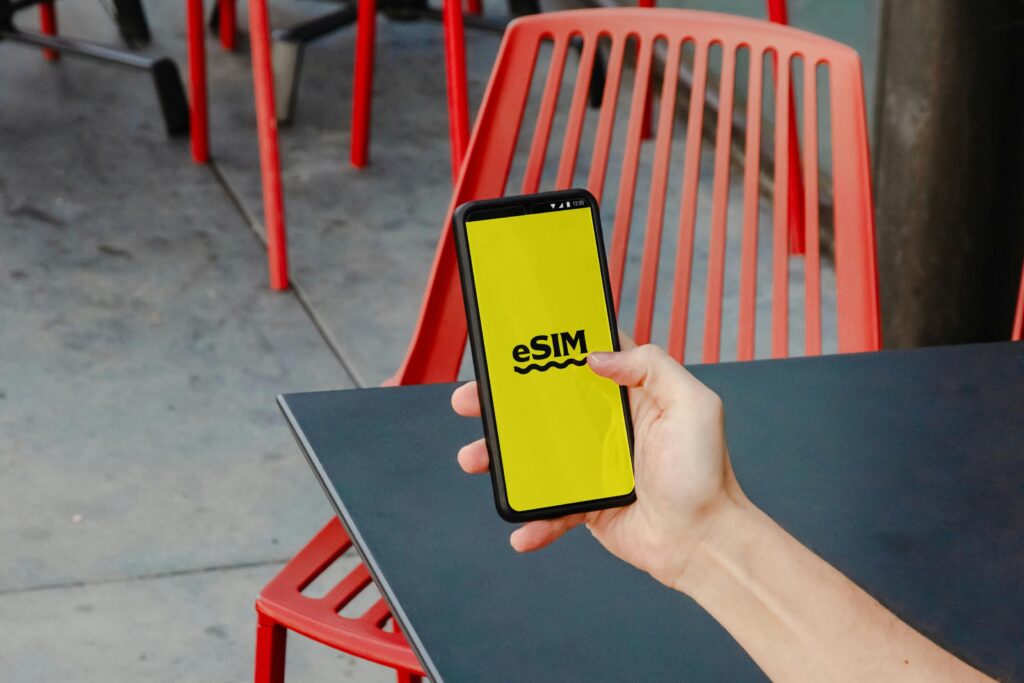
If your phone supports eSIMs, this is easily the most convenient choice.
An eSIM is a digital SIM card. You buy it online, scan a QR code, install it on your phone, and you’re connected almost instantly. No physical SIM, no swapping cards, no airport counters. It is also super easy to activate and takes no more than 5 minutes, all that without even turning off your phone!
One of the cheapest and easiest options I’ve used is through Trip.com.
It’s especially convenient because you can install the eSIM before your flight and have internet access as soon as you land. No need to remove sim cards or returning pocket wifi to their designated shops. And the good thing is, after setting up and installing the e-sim, you can reuse and reactivate it on your next visit to Japan!
If you only need occasional access, public Wi-Fi can work, but don’t rely on it completely as certain areas especially outdoors do not have reliable internet connection.
If you want something physical and simple, travel SIM cards are still reliable and easy to find upon arrival.
If you’re traveling with others and sharing data, pocket Wi-Fi is useful, just remember the charger and power bank.
But if your phone supports it, eSIMs are the easiest and most stress-free option, especially for short stays in Tokyo.
Having the internet here makes navigating trains, finding restaurants, and exploring neighborhoods so much smoother. A little planning before your trip goes a long way.