Learn how Japan’s rainy season affects daily life, from laundry and mold to commuting, clothing, and apartment living, plus practical tips to survive tsuyu.
Learn how Japan’s rainy season affects daily life, from laundry and mold to commuting, clothing, and apartment living, plus practical tips to survive tsuyu.
Japan’s rainy season has a quiet way of changing everything. It doesn’t usually arrive with dramatic daily storms. Instead, it settles in: gray skies, damp air, laundry that refuses to dry, shoes that stay slightly wet, and that constant feeling that your apartment needs ventilation but the weather has other plans and won’t cooperate.
Known in Japanese as tsuyu (梅雨) or baiu when used in a technical or weather context (bai = plum, u = rain, or the season when plums start to ripen), the rainy season is a humid, cloudy, and rain-heavy period that affects most of Japan before full summer begins. According to the Japan Meteorological Agency, all areas except Hokkaido experience this rainy season, usually from early June to late July, while Okinawa and Amami experience it about a month earlier.
For visitors, the rainy season can feel like an inconvenience. For residents, it becomes a full lifestyle adjustment. It affects commuting, laundry, room maintenance, shoes, food storage, mood, sleep, mold control, and even how you plan social outings. The good news is that life does not stop during the rainy season in Japan. You just need to prepare for it the way locals do: practically, consistently, and with a few habits that make daily life much easier.
The rainy season in Japan is not the same as a tropical monsoon, where rain falls heavily every afternoon on a predictable schedule. It is caused by seasonal rain fronts that bring long stretches of cloudy, humid, unstable weather. Some days are light drizzle. Some are completely dry but painfully humid. Some days bring sudden heavy rain, especially as the season overlaps with early summer storm patterns.
The Japan Meteorological Agency describes baiu as a cloudy and rainy period in early summer, and notes that it starts earlier in Okinawa and Amami than in the rest of Japan. In Tokyo and much of the Kanto region, the rainy season typically begins around June and ends in July, but exact dates vary every year. It is also worth remembering that “rainy season” does not mean it rains nonstop. You may still get sunny breaks, dry afternoons, and surprisingly pleasant mornings.
The more accurate way to think about tsuyu is this: the whole environment becomes damp. The rain matters, but the humidity is the real problem.
One of the first frustrations many newcomers notice is laundry. Apartments in Japan often have outdoor balconies for drying laundry. During the rainy season, a balcony becomes unreliable, unless you’re blessed with a fully covered one. What’s more, the air can be so humid that clothes stay damp for a long time, even when hung outside. Thick towels, denim, hoodies, and bedding are especially difficult to wash during this season.
Leaving laundry half-dry isn’t an option because it creates a sour smell called nama-gawaki-shū, or the musty, unpleasant odor from bacteria growing in damp fabric. Once that smell settles into towels, it can be hard to remove with normal washing. The practical fix is to change your laundry routine before it becomes a problem.
A useful trick is to wash and dry smaller loads more often because clothes dry faster when air can circulate between pieces. You can also use your bathroom drying function (most bathrooms have them), often labeled 浴室乾燥 or yokushitsu kansō. If your apartment doesn’t have one, a dehumidifier near an indoor drying rack or a circulator fan helps, because moving air fries fabric faster than still air.
For towels, it’s highly recommended to switch to thinner, quick-drying towels during the rainy season. They may feel less luxurious, but dry faster and smell better. For bedding, plan to do laundry when the forecast is clear, or use a coin laundry dryer for convenience. In Japan, coin laundries are common, clean, and very useful during the rainy season, especially for futons, sheets, blankets, and heavy towels.
Here’s a useful resident habit: keep a small “rainy season laundry kit” with laundry detergent, fabric-safe odor remover, extra hangers, and a coin pouch or IC card for the laundromat. When the weather turns bad for a full week, you will not need to improvise.
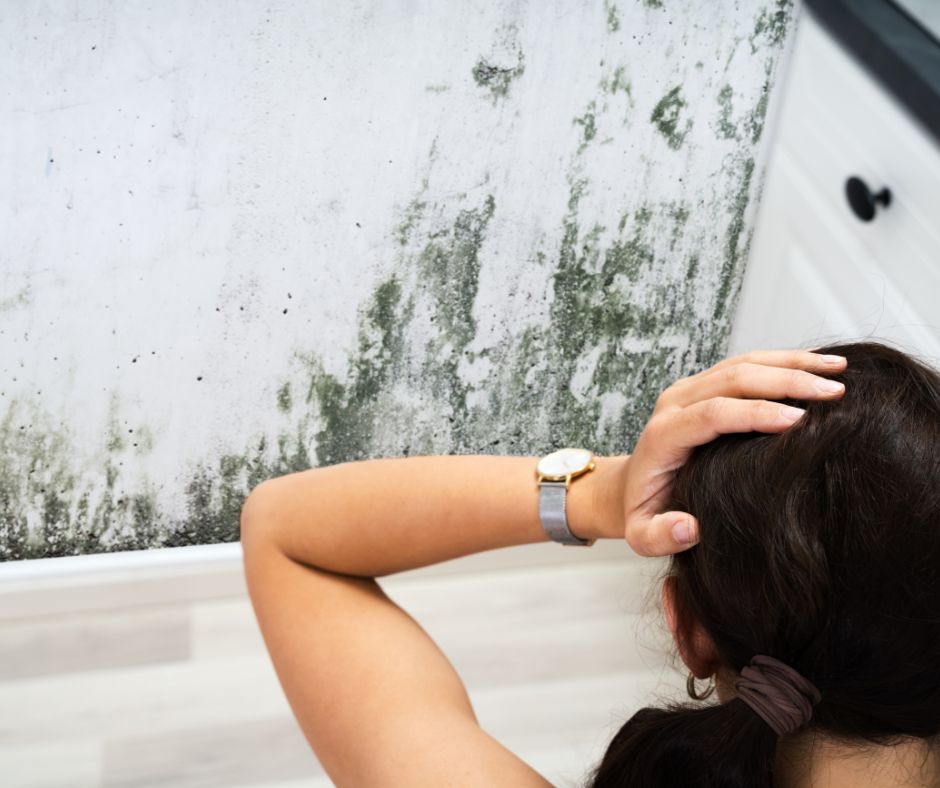
The rainy season is mold season, especially in apartments with poor airflow. The most common problem areas are closets, shoe boxes, window frames, bathroom corners, tatami rooms, behind furniture, under mattresses, and inside storage containers.
Tokyo’s health guidance on indoor environmental management recommends keeping indoor humidity no higher than 60% through ventilation and dehumidifying, and specifically recommends using a dehumidifier during the rainy season. This is one of the most important rules for surviving tsuyu indoors.
The fact that many Japanese apartments are compact with little space for airflow makes mold growth a serious issue. It’s a perfect environment that creates damp pockets where mold grows before you notice it. You can start with the closet by not pushing clothes tightly against the wall and leaving some space between the wall and stored items. Moisture absorbers (除湿剤 or joshitsuzai), readily available at drugstores, supermarkets, home centers, and 100-yen shops, are your holy grail in controlling humidity in cabinets. They usually come as plastic tubs, hanging packets, or drawer sheets.
For shoes, never store wet shoes directly in a closed shoe cabinet. Use newspaper, shoe dryers, silica gel packs, or charcoal deodorizers to control the mold situation and keep the shoe cabinet slightly open when possible. For mattresses or futons, avoid placing bedding directly on the floor for long periods. Let them breathe by folding futons up daily or use a slatted base, moisture pad, or wooden mat underneath mattresses to improve airflow. Mold under bedding is one of the most common rainy season apartment problems.
Rain changes commuting in Japan in subtle but real ways, such as trains becoming more crowded because fewer people bike or walk. Umbrellas make uncovered station corridors more congested. Bus delays become more frequent, and wet floors slow everyone down. The feeling of wet shoes before work or school even starts is another uncomfortable issue.
In cities like Tokyo, the rain itself is usually manageable. The bigger issue is timing, such as a normal 12-minute walk to the station becoming longer due to slower movement in general by pedestrians and vehicles for safety reasons. The simplest fix is to allot for time, such as 10 to 15 minutes earlier than usual during heavy rain. If commuting by bicycle, decide in advance what level of rain is your cutoff point. Light drizzle may be fine with rain gear, but heavy rain with poor visibility can be dangerous.
For train commuters, use station lockers strategically. You can keep a spare pair of socks, a compact towel, or even work shoes near your workplace to make the rainy season more tolerable. A small but useful tip is to always carry a plastic bag or waterproof pouch for your umbrella. This becomes very helpful in avoiding wet papers, electronics, and other belongings in your bag when shops don’t provide umbrella bags at the entrance.
For those who commute a lot, the rainy season is hard on shoes. Leather shoes can stain, sneakers smell, cheap soles can slip on station tiles, while canvas shoes just don’t wanna dry. The best approach is to create a shoe rotation specifically for wet weather. You don’t need expensive rain boots unless you walk a lot or live in a flood/puddle-prone area. For most city residents, a pair of water-resistant sneakers, waterproof loafers or simple rubber shoes is enough.
Avoid wearing the same shoes on two wet days in a row, as they need time to dry fully. You can stuff newspaper overnight, use a shoe dryer, or place them near a dehumidifier. Don’t put leather shoes directly under strong heat, as this can damage the material. For work, you can leave dress shoes at the office and commute in a rain-safe pair. This is common, practical, and much cheaper than ruining good leather shoes every June.
Humidity and warmth also affect food as ingredients mold or spoil faster. During the rainy season, avoid leaving cooked rice at room temperature for long periods. Freeze extra rice in individual portions instead. Store bread in the freezer if you won’t finish it within 2 days. Use airtight containers for dry goods like cereal, pasta, seaweed, crackers, and snacks.
For kitchens, make sure that the area under the sink is properly dry and sealed to avoid attracting pests and creating odors. A practical local habit is to use more small airtight containers and fewer half-opened packages during this season. As Japanese kitchens are often compact, moisture control becomes manageable when your storage system is properly addressed.
Most rainy season days are inconvenient rather than dangerous. However, heavy rain can cause flooding, landslides, train disruptions, and road hazards. This is especially important if you live near rivers, low-lying areas, mountainsides, or older drainage systems.
Tokyo and other major cities have invested heavily in flood control, but extreme downpours can still overwhelm infrastructure. Reuters reported that Tokyo has been expanding major underground water management systems to handle stronger and more frequent downpours, including localized “guerilla” storms.
Residents should know the difference between normal rain and warning-level rain. Japan uses weather advisories and warnings for heavy rain, flooding, landslides, and storms. The Tokyo Metropolitan Government’s disaster prevention resources explain that advisories are issued when disaster risk is possible, warnings are issued when a serious disaster is likely, and emergency warnings are issued when there is a significant risk of severe disaster.
Before the rainy season, it’s advised to check your local hazard map. These are usually available through your city or ward official website. Search your area plus ハザードマップ. Know whether your home is in a flood-prone or landslide-prone area. If you live on the ground floor, keep valuables and electronics off the floor during severe weather. It’s also wise to prepare a basic rain-and-disaster go-bag equipped with a flashlight, a power bank, drinking water, simple food, medication, copies of important documents, and a change of clothes. This isn’t overreactive but normal disaster preparedness.
The rainy season is not only wet, but it’s also humid. Wearing the wrong fabric can make the whole day uncomfortable. Avoid heavy denim when rain is likely. Wet jeans are slow to dry and uncomfortable to wear. Choose lighter trousers, quick-dry fabrics, skirts, dresses, or cropped pants that don’t drag in puddles. For work, wrinkle-resistant and quick-dry materials are key.
A compact rain jacket can be better than relying only on an umbrella, especially on windy days. However, thick waterproof jackets can become hot and sweaty. Instead, look for breathable rainwear if you walk or bike often. For bags, water-resistant materials are worth the investment. If you carry a laptop, documents, or school materials, use a waterproof cover or inner pouch. A normal tote bag can betray you quickly during a sideways rainstorm.
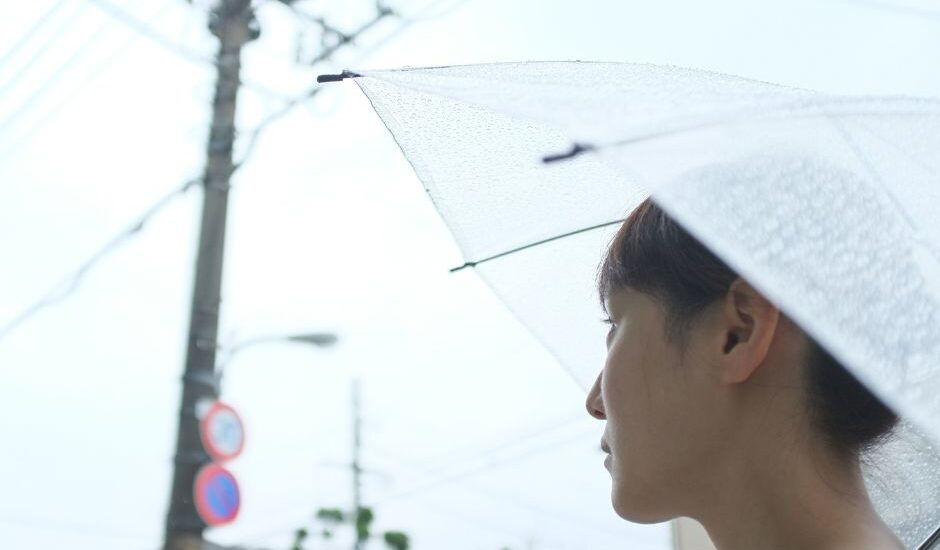
Japan has a love affair with umbrellas. You can find cheap ones in convenience stores or fancy ones in department stores. Most buildings have umbrella stands and plastic bags to store your umbrella while you shop. Clear vinyl umbrellas are popular because they’re cheap and allow visibility while walking through crowds. The downside is that they’re easy to mix up with others. If you have a convenience store umbrella, make sure to mark yours with a sticker, strap, or handle cover.
For residents, it’s useful to own three types of umbrellas: a sturdy main umbrella, a compact folding one to have in your bag if there’s a possibility of rain or permanently in your bag during the rainy season, and a backup clear umbrella.
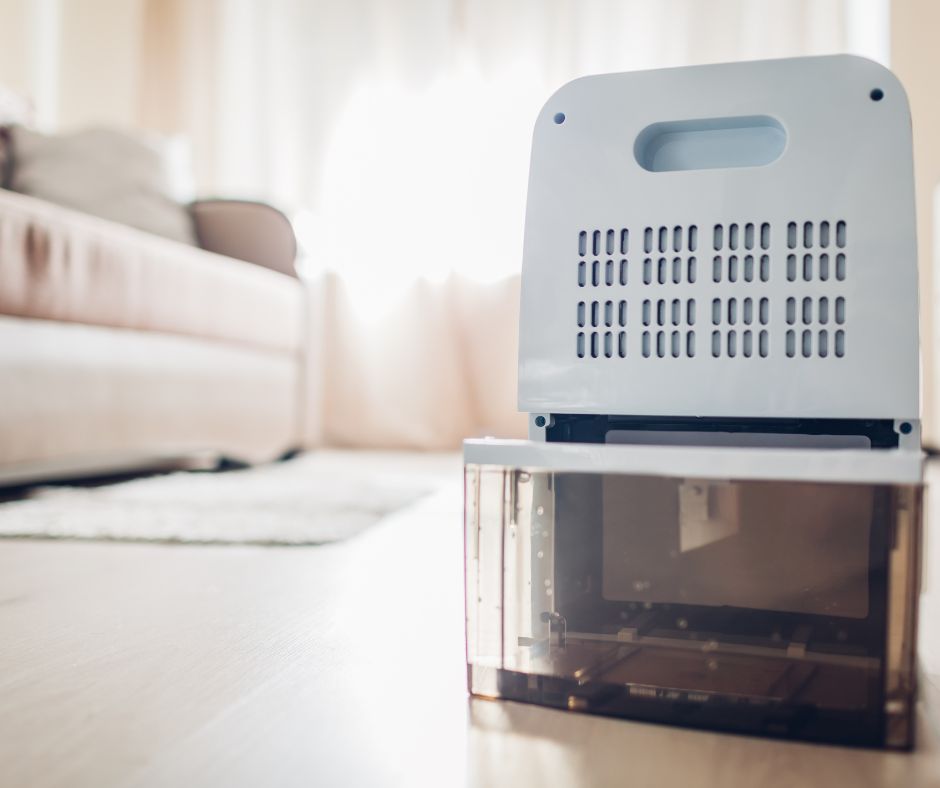
You don’t need to spend a lot, but a few items make a major difference during the rainy season. A dehumidifier is the biggest upgrade you can make if your apartment gets damp. Moisture absorbers are cheap and useful for closets, drawers, and shoe cabinets. A circulator fan helps indoor laundry dry faster, while quick-dry towels reduce laundry stress.
Waterproof shoe spray protects sneakers and leather, and a compact umbrella prevents surprise rain purchases. A rain cover is great for backpacks, and small towels in your bag help with wet hands, bags, and seats. Most of these small upgrades are easy to find in Nitori, Muji, Don Quijote, drugstores, home centers, supermarkets, and 100-yen shops.
Here are a couple of tips to help you conquer the upcoming rainy season.
The rainy season in Japan is not the most dramatic, but it may be one of the most practical tests of daily life. It reveals whether your apartment has good ventilation, whether your laundry system works, whether your shoes can survive wet commutes, and whether your routine can handle several weeks of damp, unpredictable weather.
The key is to treat the rainy season as a household management period, not just a weather event. Control humidity, dry laundry properly, protect your belongings, plan indoor activities instead, watch weather warnings, keep your home ventilated, and you’ve got this in the bag. Once you adjust, the season becomes much more tolerable, and you can enjoy the quiet streets, hydrangeas in bloom, misty temples, cozy cafès and the feeling of relief when the first truly sunny day returns.
Stay tuned for more exciting content like this! Follow us on our social media platforms and check out our blog regularly to stay updated on the latest news, trends, and insider stories from Japan. Don’t miss out on future updates. Sign up for our newsletter for exclusive content delivered straight to your inbox!