Learn how to prepare for earthquakes in Tokyo with practical safety tips, evacuation advice, stockpiling essentials, pet planning, insurance, and what expats should know.
Learn how to prepare for earthquakes in Tokyo with practical safety tips, evacuation advice, stockpiling essentials, pet planning, insurance, and what expats should know.
Tokyo is a city that runs on routines — train lines, convenience stores, “just-in-case” habits. Earthquake preparedness fits that same Tokyo logic: you don’t prepare because you’re panicking; you prepare because it’s the sensible way to keep normal life possible after something very abnormal.
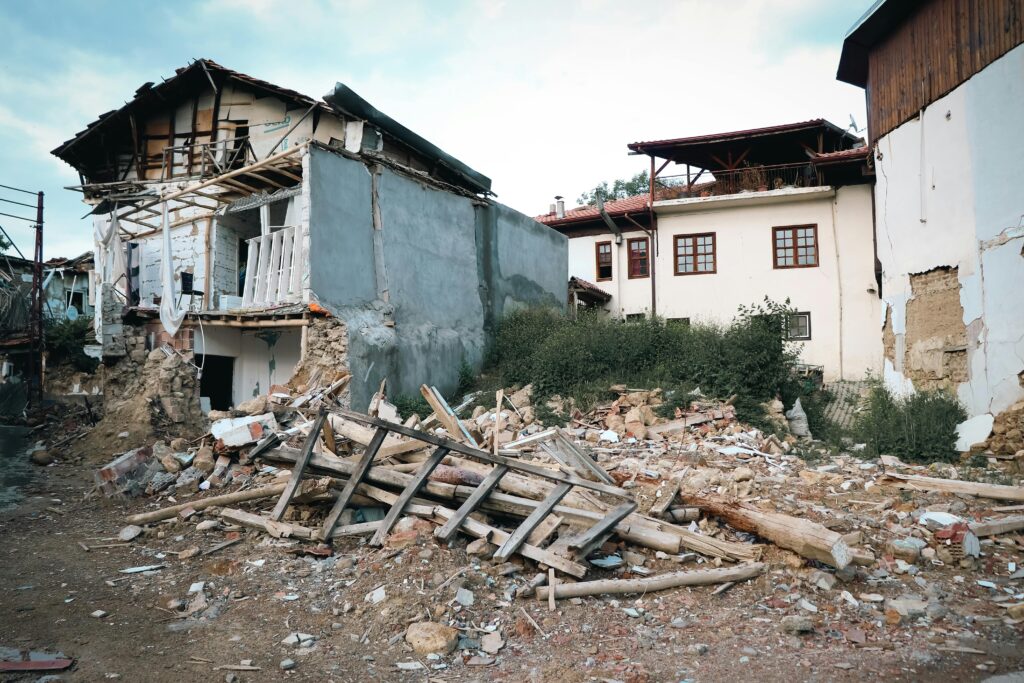
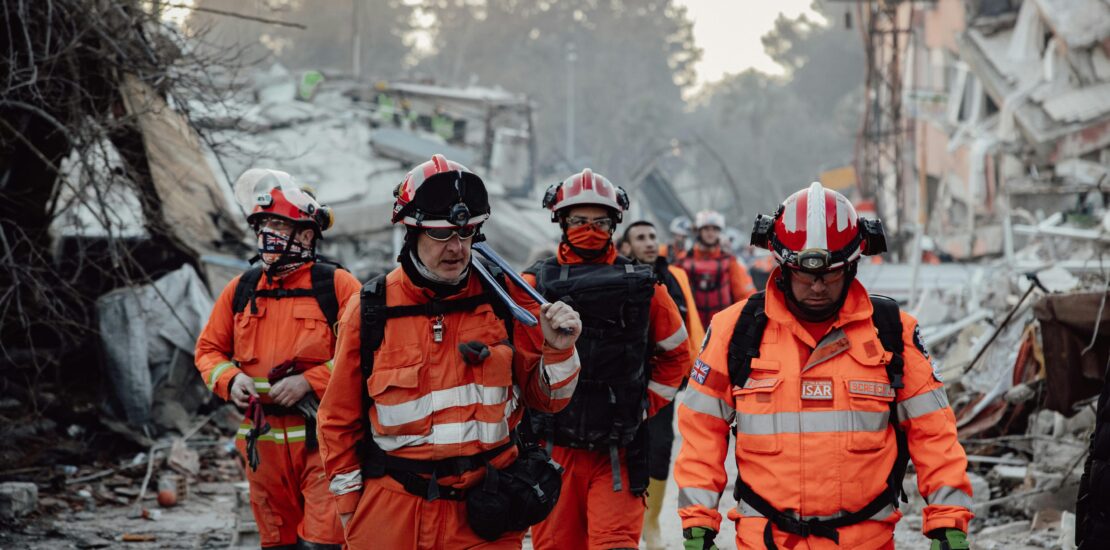
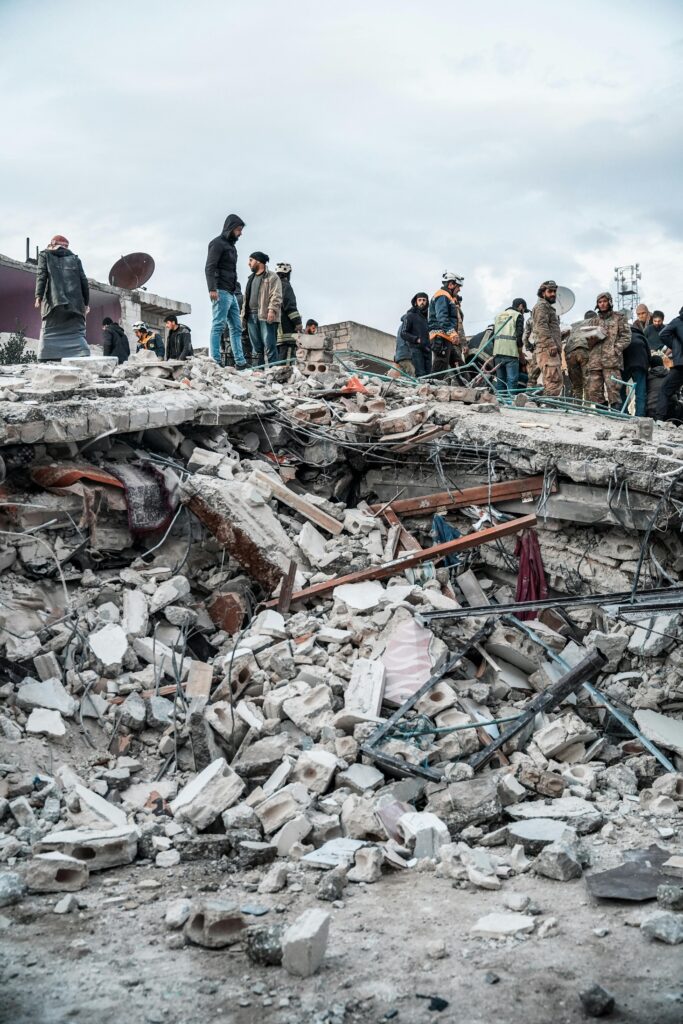
Tokyo’s own disaster material assumes a serious scenario: a magnitude 7.3 quake in northern Tokyo Bay, with some areas reaching seismic intensity 7 and a large portion of the wards experiencing 6 or higher. That’s the mindset behind the advice below.
Most earthquake injuries happen because a normal apartment becomes a falling-object obstacle course. Make sure to anchor things that can fall, and zone your space so you have clear paths from all rooms.
Tokyo’s guide advice is very practical: stay under a sturdy table during strong shaking and protect yourself from falling objects. If you have kids, practice this like a game — because muscle memory beats fear.
Also, make sure everyone in the family has their own mobile phone. This is not only a convenience in daily life, but it is also a necessity when disaster strikes.
Tokyo explicitly points to services like Disaster Emergency Message Dial (171), web171, mobile carrier boards, and even posting “I’m safe” on SNS (X/Facebook/LINE) as a quick status signal. Choose one method that your family will default to.
And remember to keep both your phone and the spare batteries (note the plural) charged all the time. If an earthquake hits when you are running out of battery and power gets cut, you are toast.
The easiest way to get the supplies you need right in Tokyo is to use Tokyo’s own stockpiling tool, Tokyo Bichiku Navi, which asks about the sex/age composition of your household and produces a tailored list and quantities.
A good mental model is layered stockpiling:
For “how many days,” Tokyo’s Mount Fuji ashfall preparedness site is unusually explicit and useful as a general rule of thumb for major disruptions: stockpile at least three days, and if possible, seven days or more, noting that the 1707 Hoei eruption lasted about two weeks. Even though that page is about volcanic ash, the logic (transport disruption, supply chain interruption, power/water uncertainty) overlaps strongly with a major quake in Tokyo.
For many Tokyo earthquakes, the best initial plan is often “stay put unless you’re in danger” — but the “unless” matters.
Tokyo’s guidance is clear on why you might evacuate: a key secondary threat after a quake is fire, especially in dense neighborhoods. Many residential areas are still full of wooden structures, and sometimes whole blocks burn down when someone has been smoking in bed and forgot to put out their cigarette. If a large-scale fire danger approaches and you feel you’re in danger, call out to others and evacuate to a temporary meeting place or shelter.
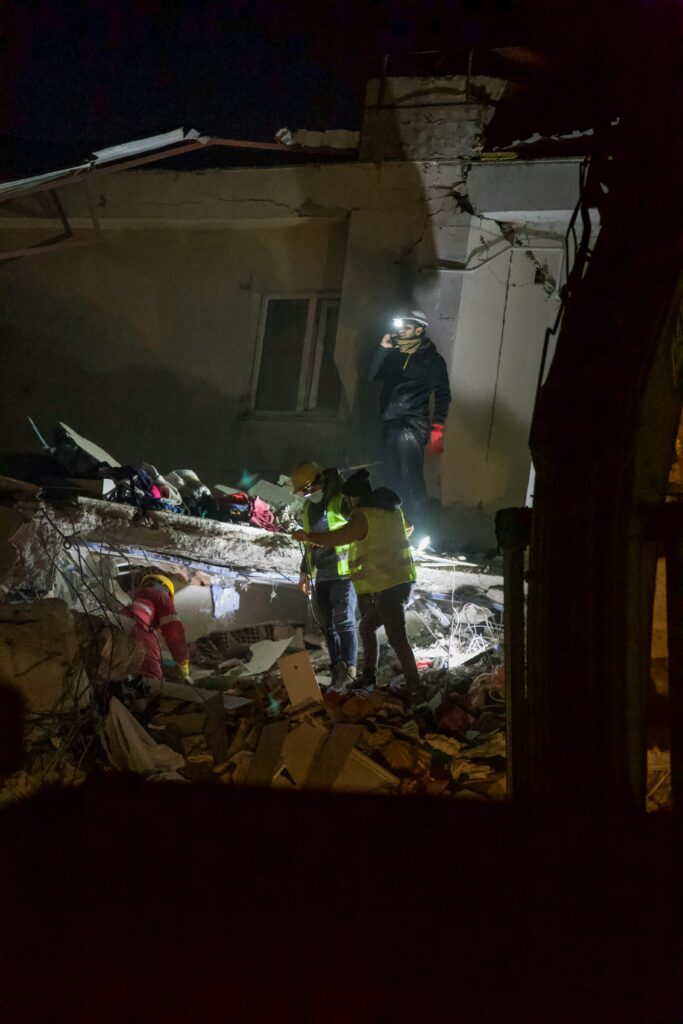
Tokyo provides multiple official channels with information on when to leave home, apart from radio and TV broadcasts. They are all coordinated to make sure residents can move out of harm’s way quickly and efficiently.
If you’re new to Tokyo, set the app up on a calm weekend, not when the sirens have started blaring.
In a rental, your goal after a quake is to do two things at once:
Contact your landlord/management company immediately if you have: cracked windows, water leaks, gas smell, power issues, door/frame distortion, or any structural-looking cracks. Report it. Take photos and send them. It also helps if you can compare against the photos you took when you moved in and inspected the apartment. Even if the damage seems minor, report early — because in the water and sewage systems, a “small leak” becomes mold, and mold becomes an argument.
For cost responsibility, Japan’s MLIT “restoration to original condition” guidance exists precisely because tenant–landlord cost disputes happen; it sets out common thinking about who bears repair costs when moving out. In earthquake situations, the cause matters (building defect vs. tenant negligence vs. normal wear), so documentation is your best friend.
If you live in a condominium (bunsō), you may need to contact both: your unit’s insurer (for any interior damage) and the building management association (common areas: exterior walls, roof membranes, shared pipes).
Keep the same evidence discipline: photos, notes, and timelines.
If you are renting the condo, no matter how long, the situation is the same as in an apartment. The condo owner is your landlord. Let everything go through them.
You are the management company. Aftershocks can worsen damage, so prioritize stopping leaks and protecting electrical areas. Get a professional inspection if you suspect roof or foundation issues.
Make sure to avoid quick “storm-chaser” style contractors during crisis weeks. Scammers abound in Japan, and will especially prey on people who do not know the situation. Never agree to let someone who walks up from the street work on your property.
Earthquake risk is one place where Japan is very specific: Earthquake Insurance is a separate system, attached to fire insurance, and covers damage from earthquake, volcanic eruption, and tsunami (fire insurance alone generally doesn’t cover earthquake-caused fire the same way).
So here is an insurance shortlist:
A volcanic eruption is not “earthquake 2.0.” Especially not in Tokyo. It’s a different inconvenience profile: ash, air quality, clogged drains, transport stoppage, and longer disruption. It only happens very rarely — even when it was at its most active, Mt Fuji only erupted every 70 years. And the ash was not even worth recording.
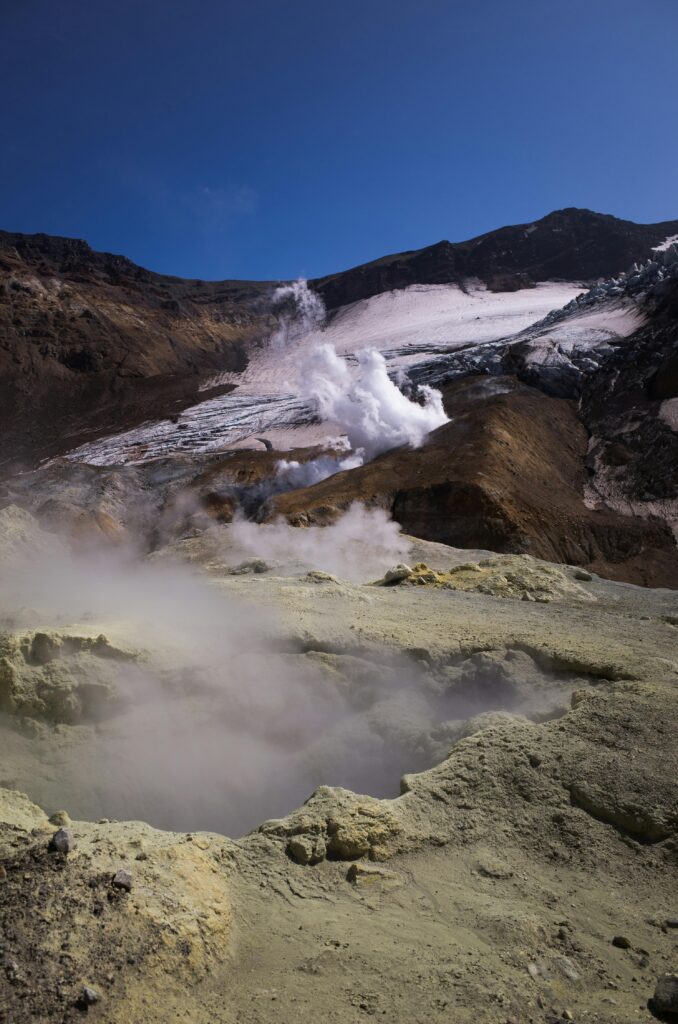
However, that is how Tokyo will notice a volcanic eruption. Tokyo’s Mount Fuji ashfall site notes that volcanic ash could reach Tokyo in about two hours, depending on wind direction, and emphasizes information gathering from reliable sources like the Japan Meteorological Agency and local government. It also explains JMA’s ashfall forecasts, including rapid forecasts issued within minutes after an eruption and more detailed forecasts within tens of minutes.
An earthquake is a kinetic event. The ground shakes, and then it is over. Falling ash from a volcanic eruption means doing ash-specific preparations that is different from earthquake preparation.
And again, because ash events can disrupt logistics longer, Tokyo recommends stockpiling food and necessities for at least three days and ideally seven days or more. Do not forget water. The ash may disrupt the pumping system for the drinking water. Double the recommended stockpile in summer.
Stay tuned for more exciting content like this! Follow us on our social media platforms and check out our blog regularly to stay updated on the latest news, trends, and insider stories from Japan. Don’t miss out on future updates. Sign up for our newsletter for exclusive content delivered straight to your inbox!