Furniture Rental in Japan: How it Works
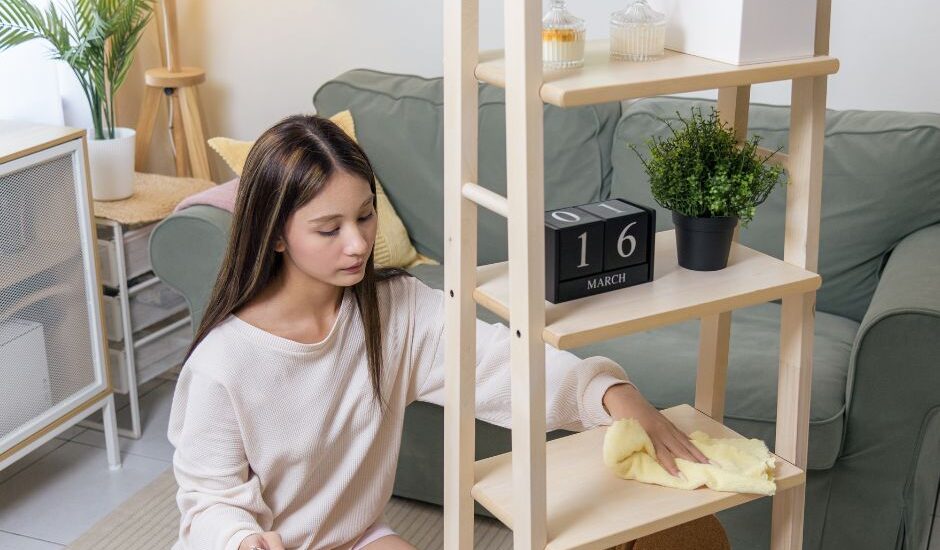
Furniture rental services allow you to lease essential items like beds, appliances, tables, and washing machines for a fixed monthly fee or bundled contract. Well-known providers include Kashite! Dot Com, Tokyo Lease Corporation, and subsclife.
Kashite! Dot Com, boasts one of the largest selections in the home appliance and furniture rental industry, ranging from single-person items to family-friendly ones. According to their website, a two-year contract for a set of four home appliances (16-inch TV, refrigerator, washing machine and microwave) costs about ¥87 per day. What’s more, repairs and replacements during the rental period are free of charge, giving you hassle-free usage. The starting rental period is 30 days for a minimum of one item. They even offer new or used home appliances and furniture.
Meanwhile, Tokyo Lease Corporation specializes in catering to expats and international residents and they’ve been in the business for 57 years. They also offer full furniture packages for serviced apartments. Rentals start from one month to over six months, making the move-in very convenient. For example, a move-in one-bedroom package with all the essentials is priced at ¥55,000 per month.
Lastly, subsclife (operating under the name Social Interior), is a pioneer in offering a subscription service for furniture and home appliances to users in search of high-quality and brand-new items. Users can choose from new and designer furniture from over 400 brands with a selection of over 100,000 items. The company has noted that the total subscription cost (typically for three to 24 months) does not exceed the retail price of the item. After the subscription term, the user can then choose to return or buy the item, with the paid amount deducted.
Pros of Renting Furniture
One of the main advantages of renting furniture is the lower upfront cost because it eliminates the need for large initial purchases. This is especially helpful when you’ve just moved and are already paying a deposit, agency fee, or even key money. Instead of spending another ¥100,000-¥300,000 upfront, the amount is greatly reduced and spread out on a monthly basis.
Renting furniture is also a great option for those not planning to stay in Japan indefinitely. If you’ll be in the country for less than one to two years, renting avoids the hassle of reselling or disposing of furniture later.
Most rental services handle delivery, installation, pick up after the contract ends, which removes the task of having to arrange transport and deal with disposal (which can be strict and costly in Japan).\
Another key advantage of renting furniture is sustainability, and this is often overlooked. The service provides a model where furniture is returned and reused, which promotes a circular economy and greatly reduces waste.
Cons of Renting Furniture
Perhaps the biggest disadvantage of renting furniture is that the item isn’t truly yours, and over time, especially more than two to three years, the rental fees do add up. You may end up paying more than the cost of buying the same items.
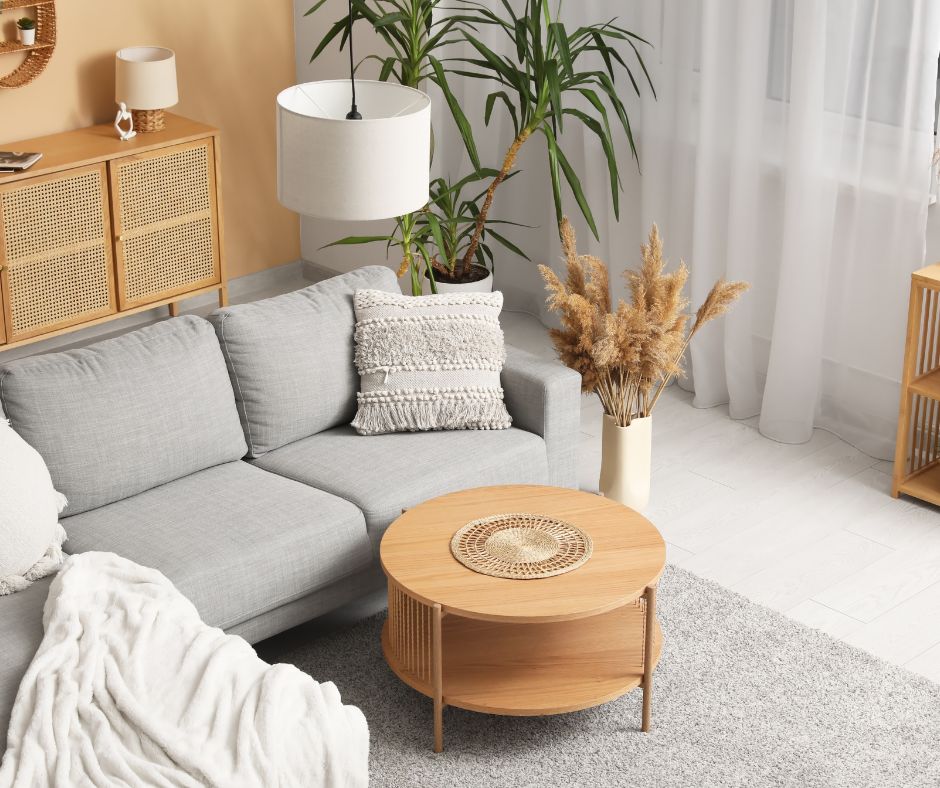
Many rental companies also offer standardized items, mainly for function, and may not always be customizable. So if you care about interior design or are looking for a specific aesthetic for your apartment, options may feel limited. Of course, there are rental companies like subsclife that specialize in designer options.
Another downside of renting furniture is that contract terms can be restrictive, such as minimum usage periods, cancellation fees, and even damage penalties. It’s best to check terms before committing.
Buying Furniture in Japan: How It Works
We’ve got renting furniture covered; now let’s tackle the buying option. Buying furniture is straightforward and widely accessible. Common options include IKEA and Nitori for affordable styles, Muji and Unico for a minimalist aesthetic, and Karimoku and Hida Sangyo for more high-end and artisanal options. You can also find secondhand pieces through recycling shops and online marketplaces.
Pros of Buying Furniture
Buying furniture in Japan makes the most sense for residents planning to stay longer, but the advantages go beyond just long-term cost savings. One major benefit is control over sizing and fit, which matters more in Japan than many expect. Apartments are often compact, with narrow hallways, small elevators, and specific layouts, so choosing your own furniture allows you to optimize space more effectively than standard rental packages.
Another advantage is comfort over time. Rental furniture is designed to be durable and neutral, but not always comfortable for daily use. Investing in your own bed, chair, or sofa can significantly improve sleep quality and overall lifestyle – something that becomes more noticeable after a few months. Buying also allows you to gradually upgrade your living environment, rather than committing to a fixed set of items.
Finally, buying furniture gives a stronger sense of permanence and stability. For many residents, especially families, this psychological shift matters. A space that reflects your preferences tends to feel more like a home rather than a temporary setup.
Cons of Buying Furniture
The most obvious downside of buying furniture is the upfront cost, but in Japan, the hidden logistical challenges are often more significant. One of the biggest issues is disposal. Large furniture must be disposed of as sodai gomi (oversized garbage), which requires advance booking with your municipality, disposal fees, and adherence to strict collection schedules. This process can take time and planning, especially during peak moving seasons. An alternative would be contacting companies that offer to pick up old furniture and appliances for a fee.
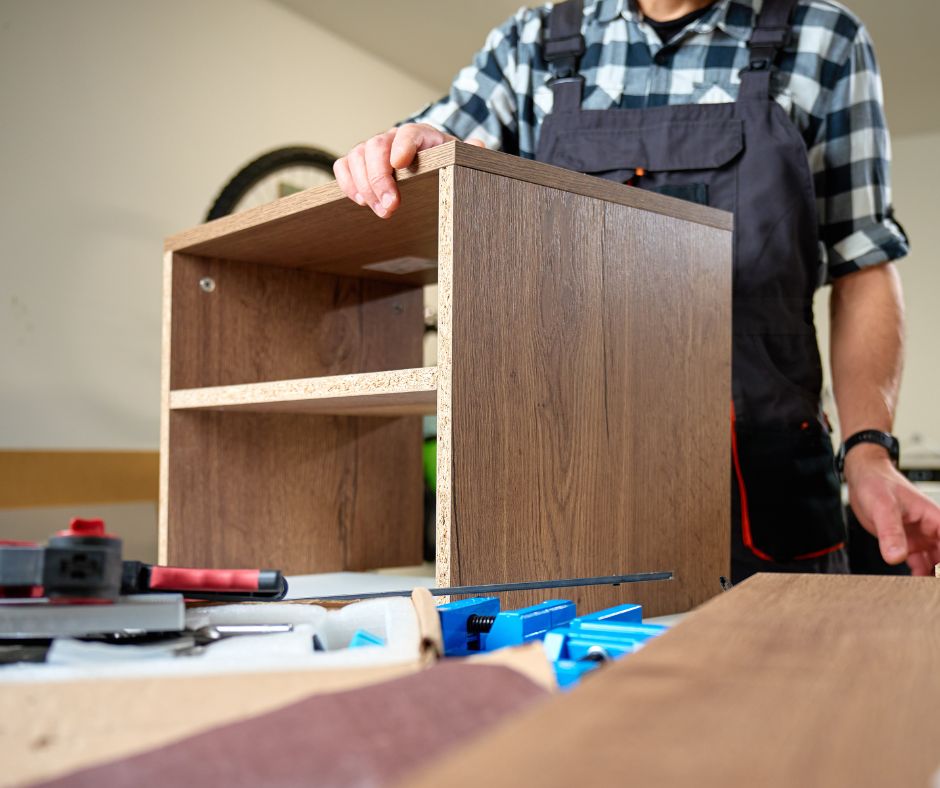
Another less obvious drawback is mobility constraints. Furniture that fits one apartment may not fit your next one due to different layouts, door sizes, or storage configurations. Even something as simple as a bookshelf may become difficult to move or reinstall, depending on the new space.
From a financial perspective, buying furniture ties you into sunk costs. Unlike rental, where you can easily return items, purchased furniture requires either resale (which often yields low returns) or disposal. Secondhand markets exist, but resale value – especially for large items – is often limited.
Finally, owning furniture increases the complexity of moving. Hiring movers becomes more expensive, packing takes longer, and coordination becomes more involved. For residents who anticipate relocating often within Japan, this added friction can outweigh the initial savings of buying.
Which Option Should You Choose?
Renting furniture makes sense if you’re staying short-term (under two years), want minimal setup stress, might relocate or leave Japan suddenly, or don’t want to deal with disposal. On the other hand, buying makes sense if you plan to stay in the country indefinitely, want control over your space, prefer investing once instead of paying monthly fees, and are settling into a stable lifestyle.
Perhaps the most practical option would be a hybrid approach, wherein you rent large items like sofas and dining tables, but you buy smaller items like desks, storage, or a bed. This balances flexibility, cost efficiency, and convenience.
There is no single “best” option, only what fits your situation. Renting prioritizes flexibility and convenience, while buying offers long-term value and personalization. The key is to align your decision with your timeline, budget, and lifestyle. In Japan, where moving costs and disposal rules are unique, planning ahead makes a significant difference.
Stay tuned for more exciting content like this! Follow us on our social media platforms and check out our blog regularly to stay updated on the latest news, trends, and insider stories from Japan. Don’t miss out on future updates. Sign up for our newsletter for exclusive content delivered straight to your inbox!